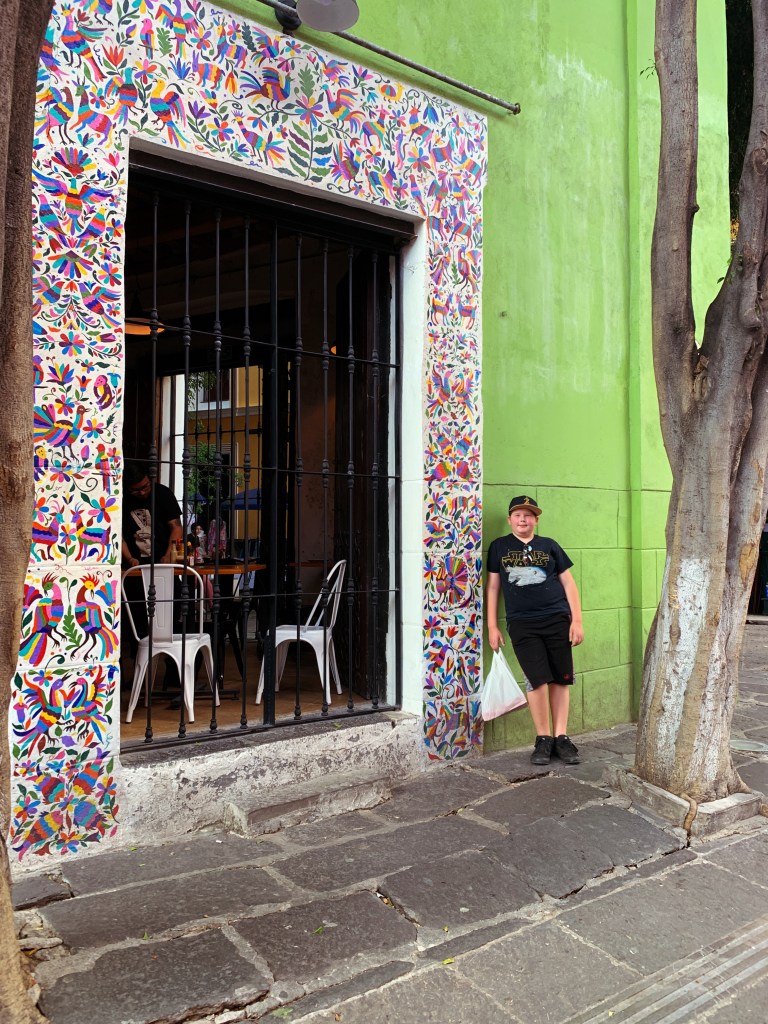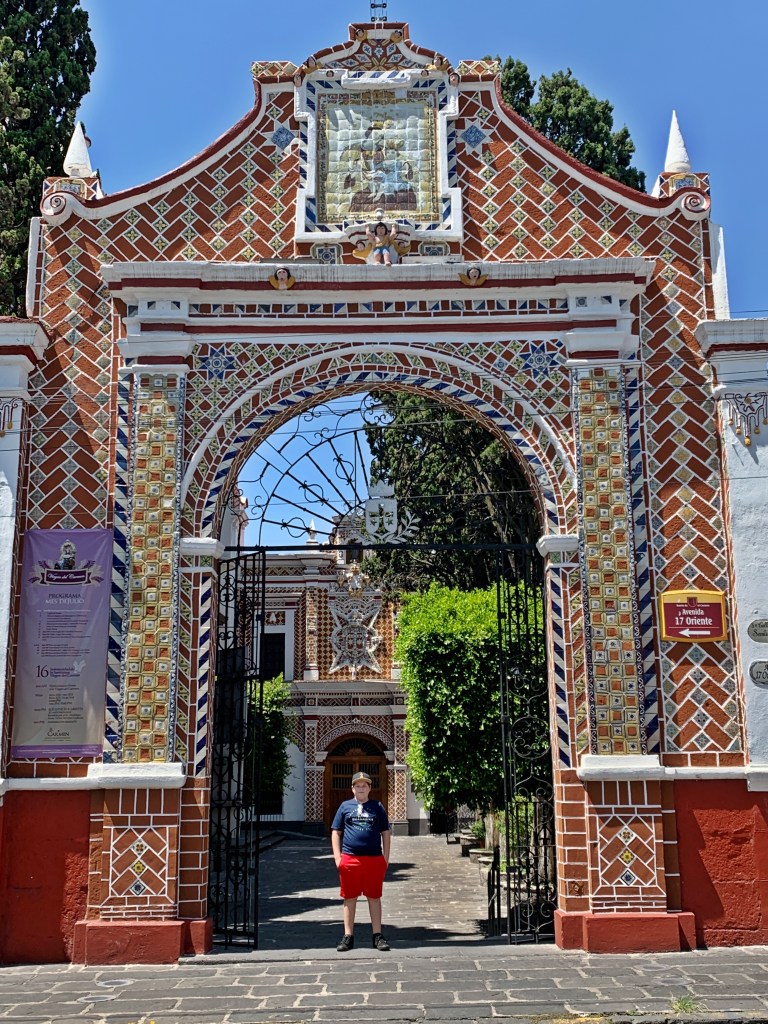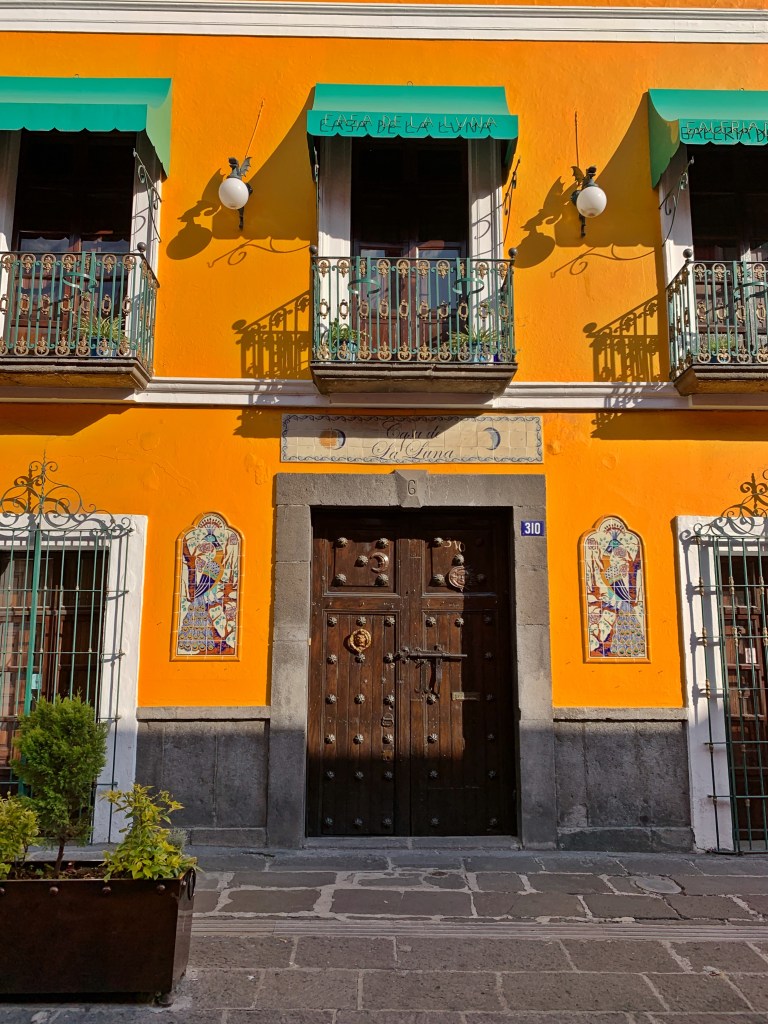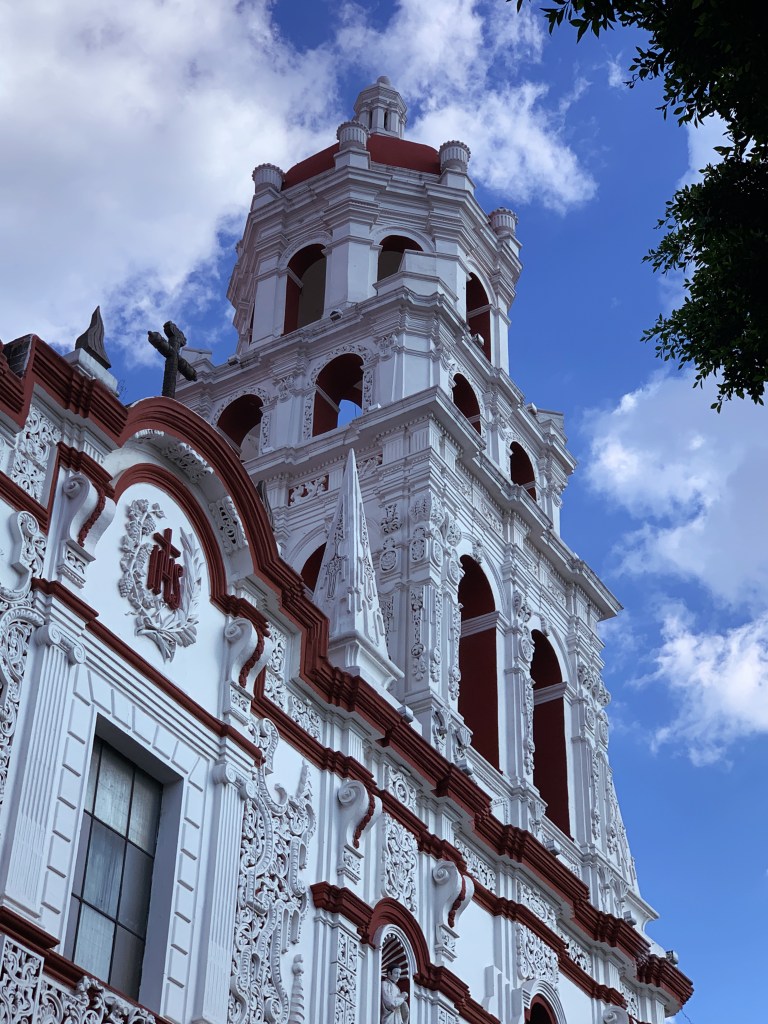
!Me Encanta Guanajuato!

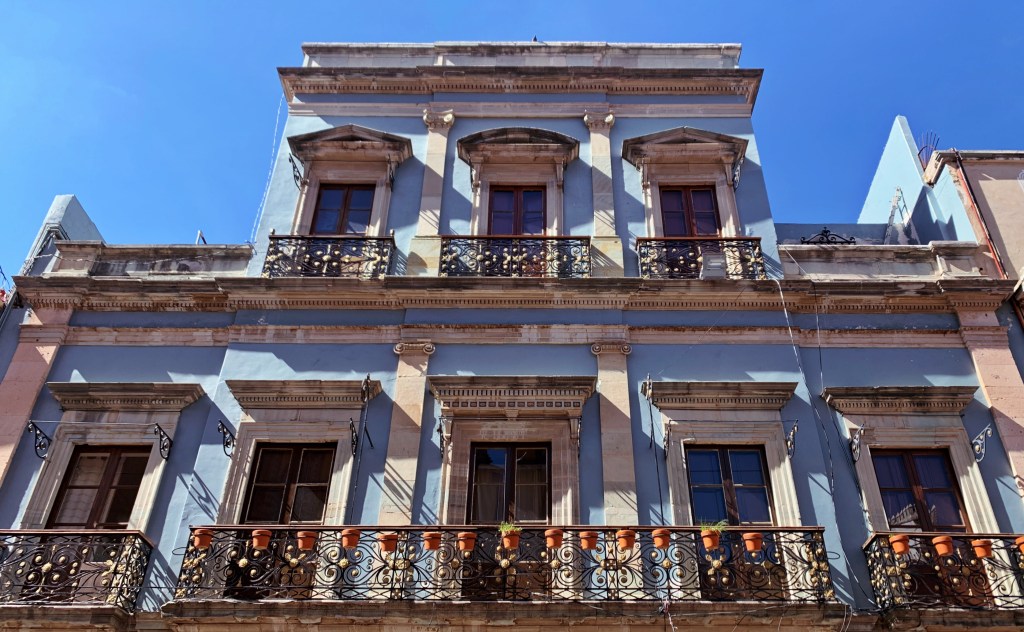
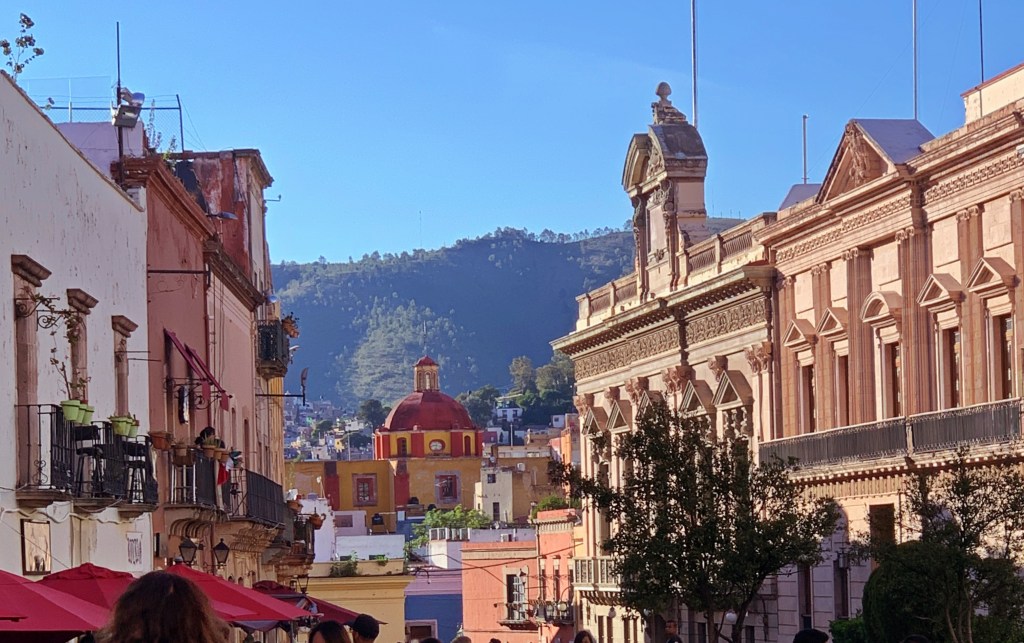
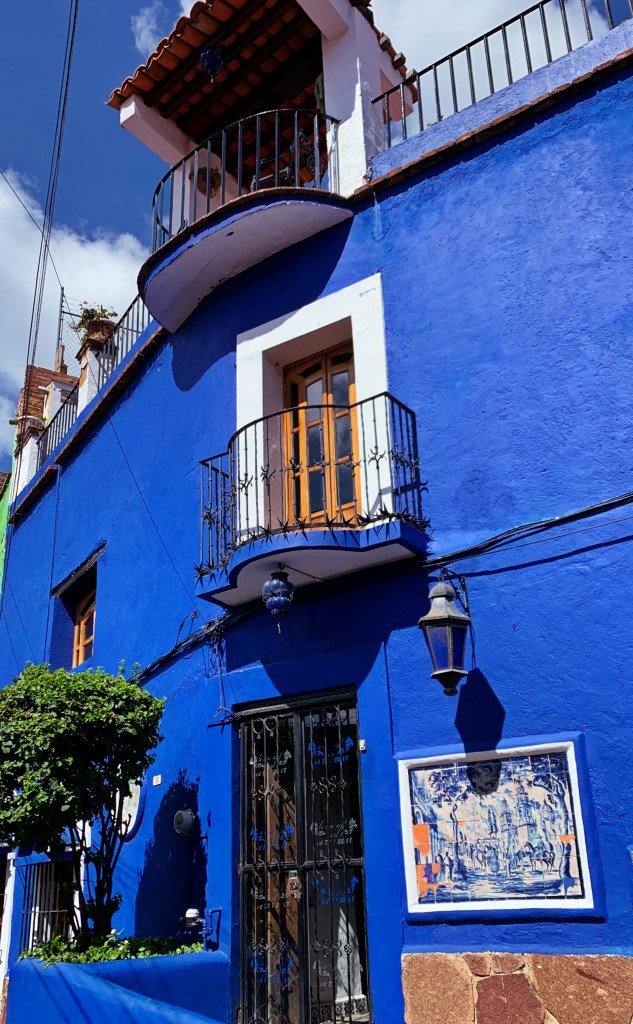
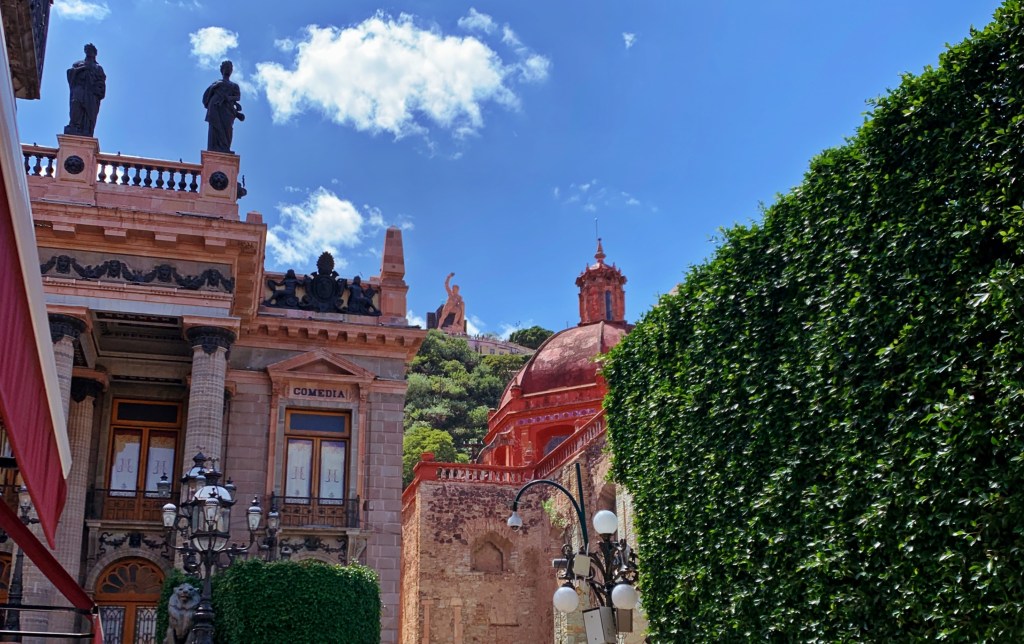
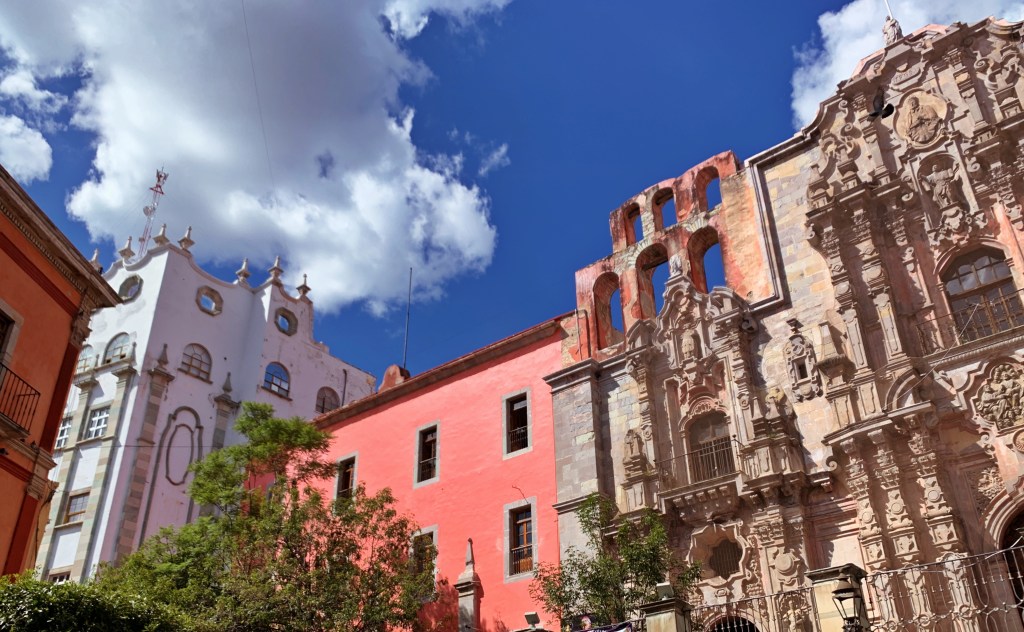
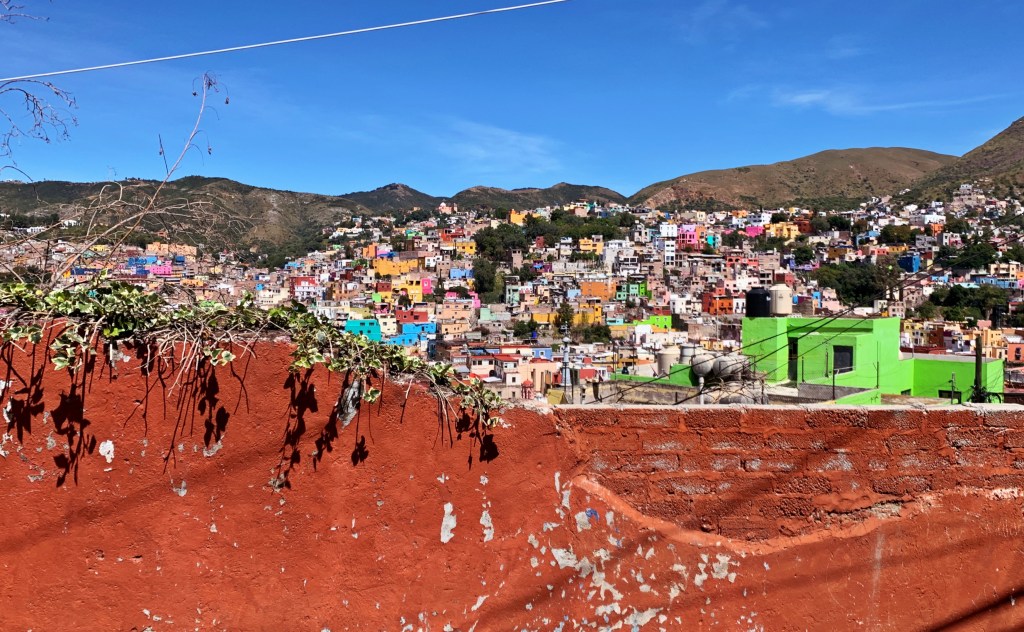
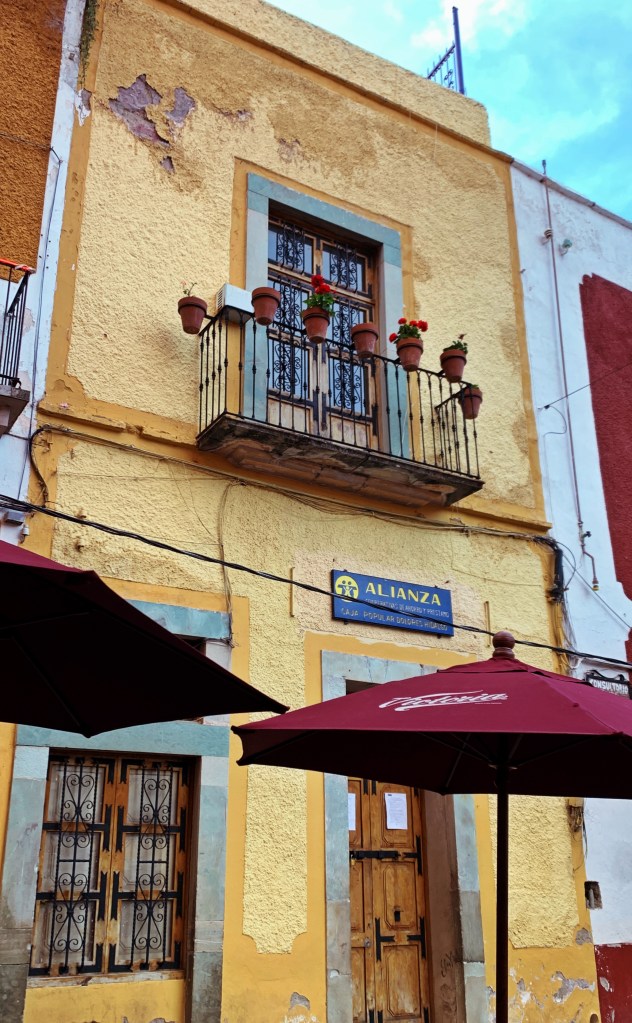
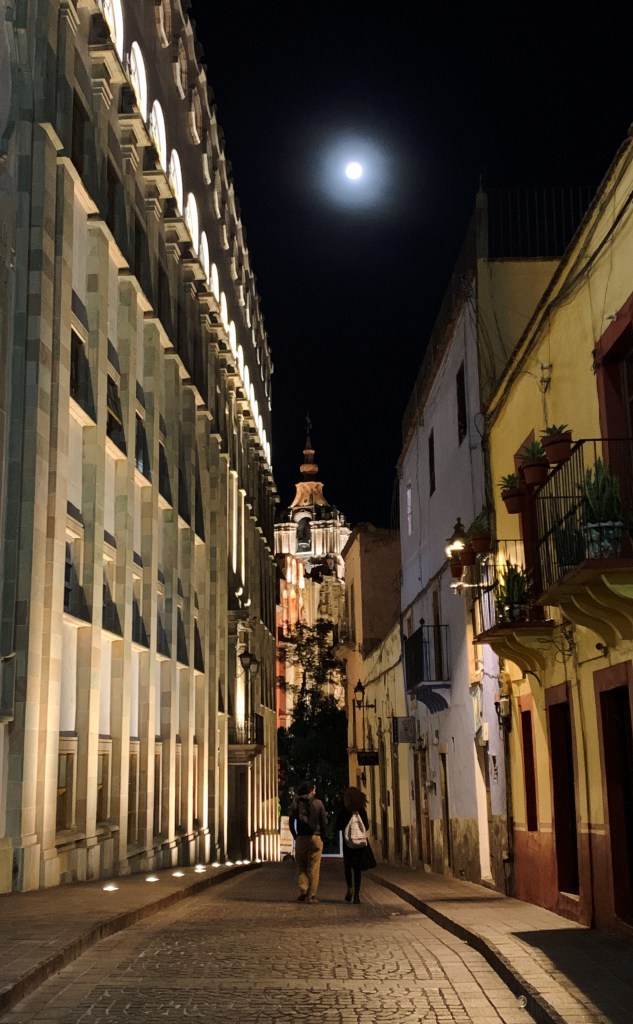
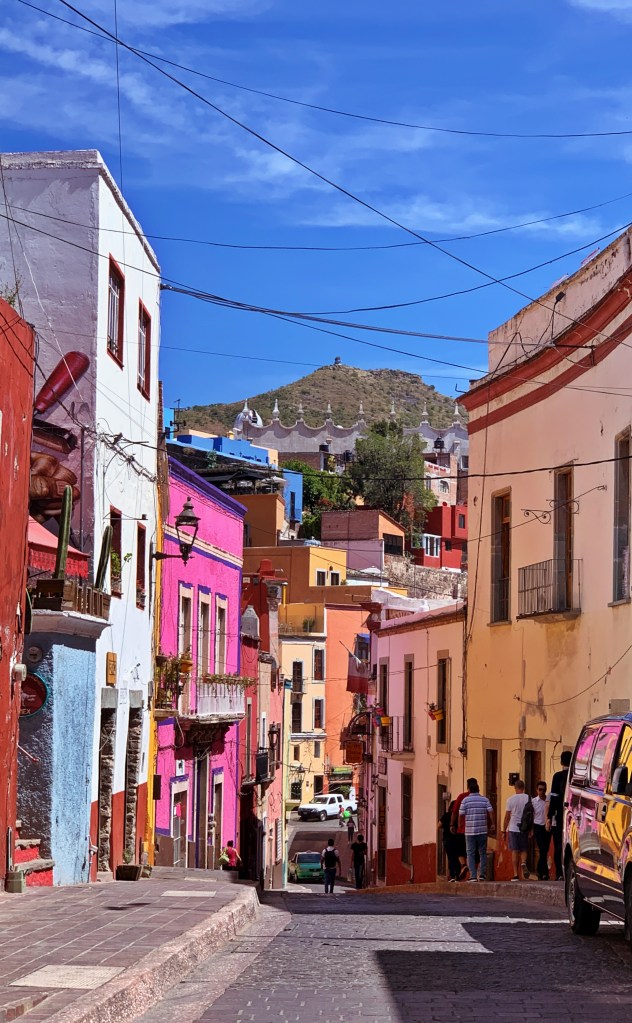
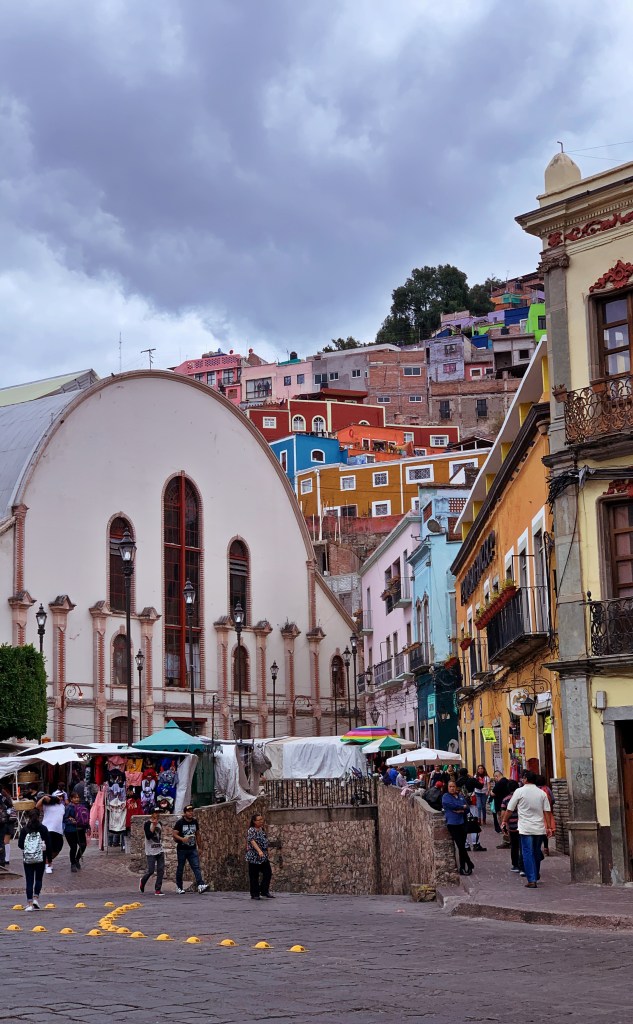
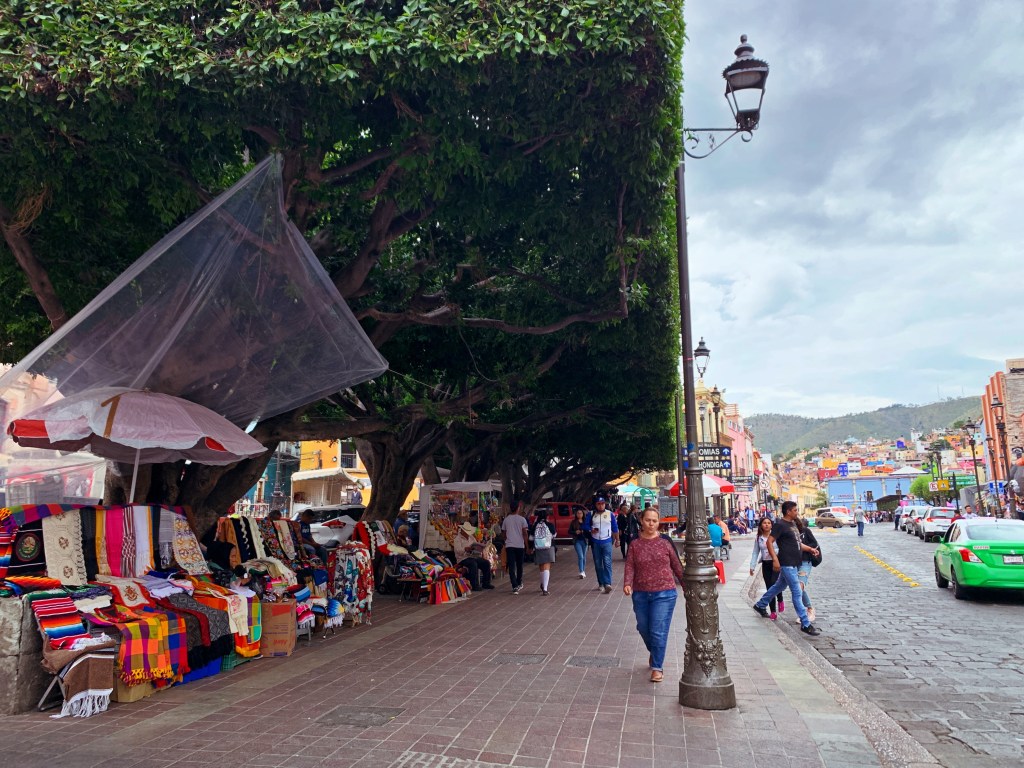
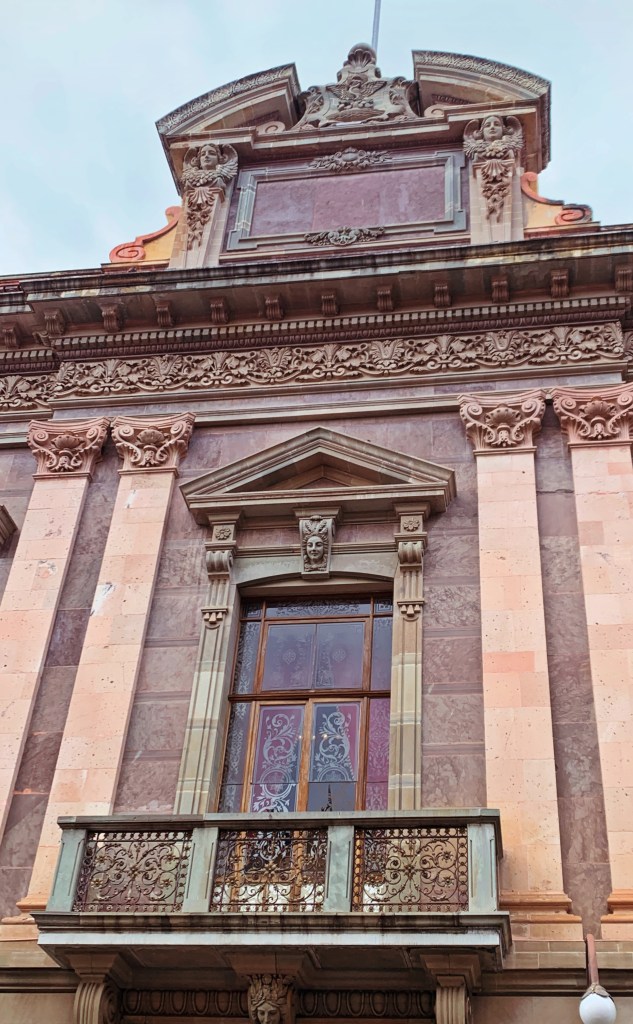
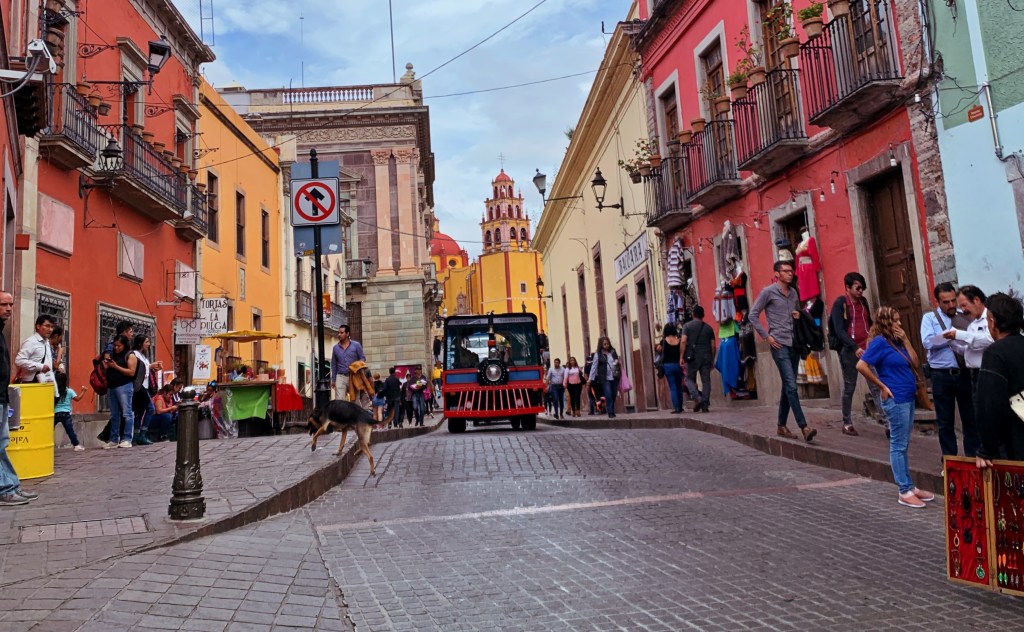
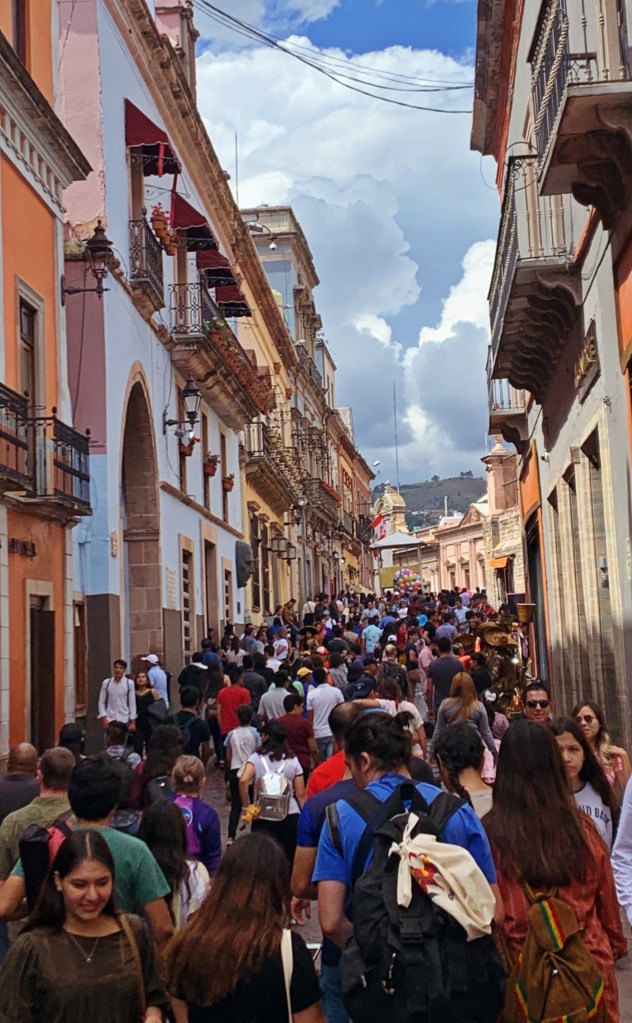
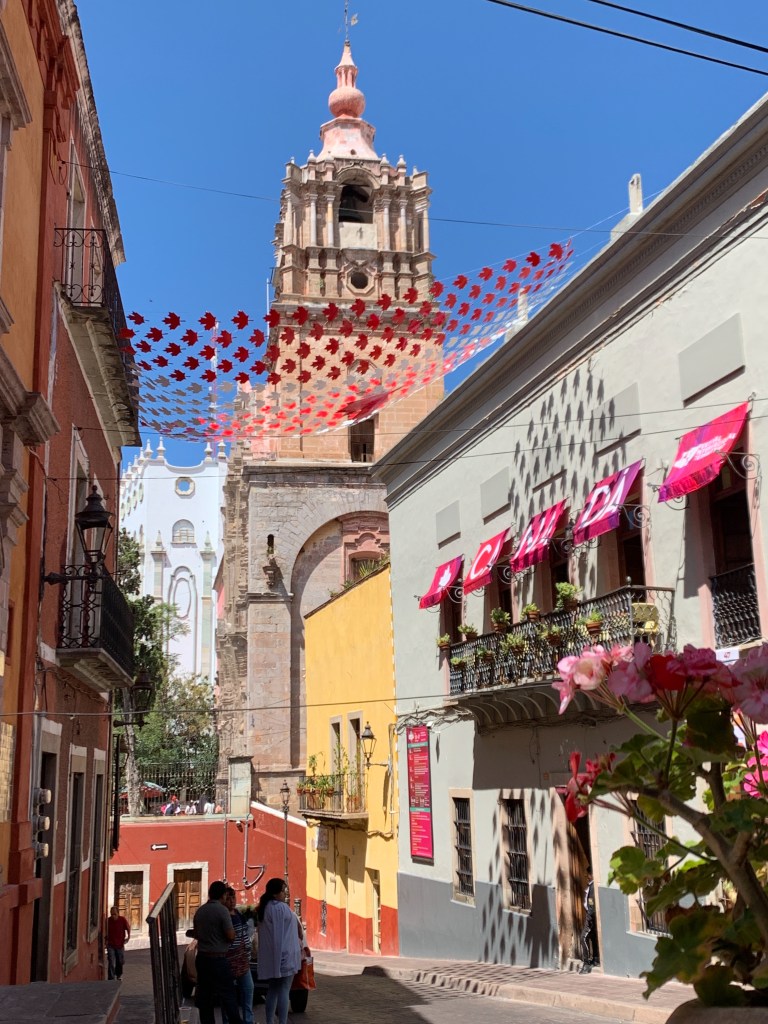
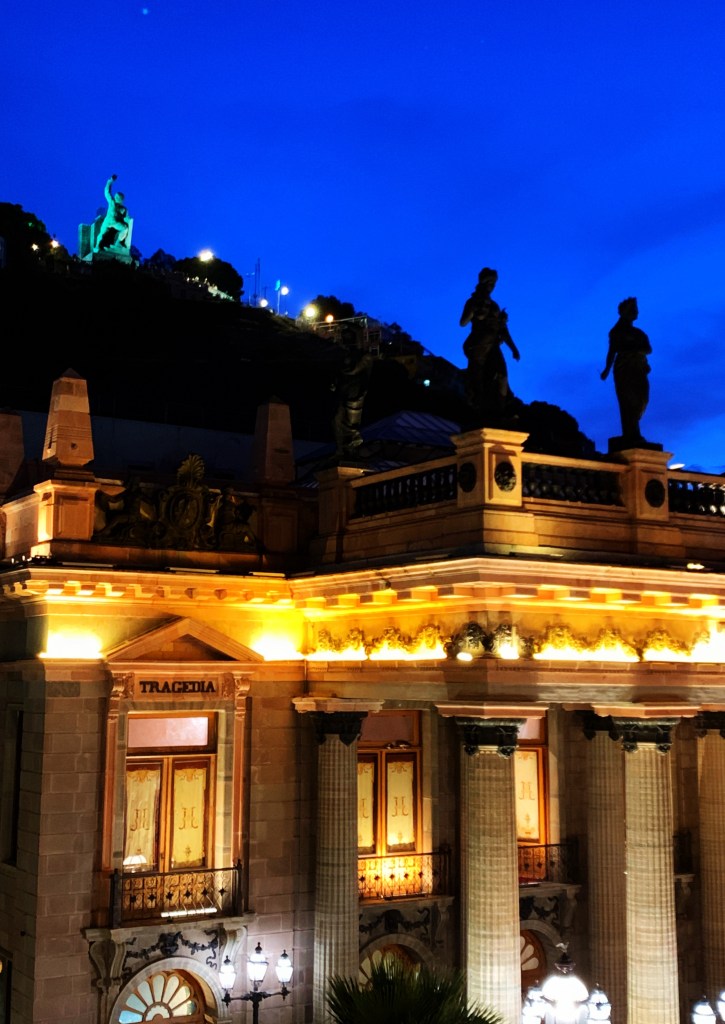
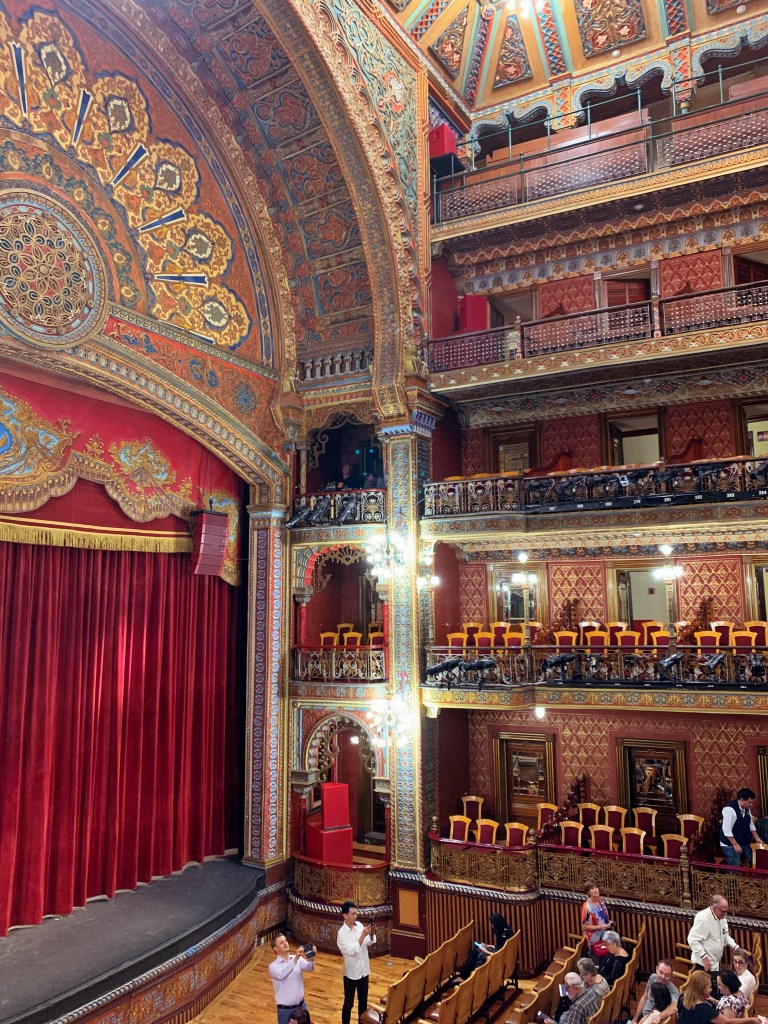
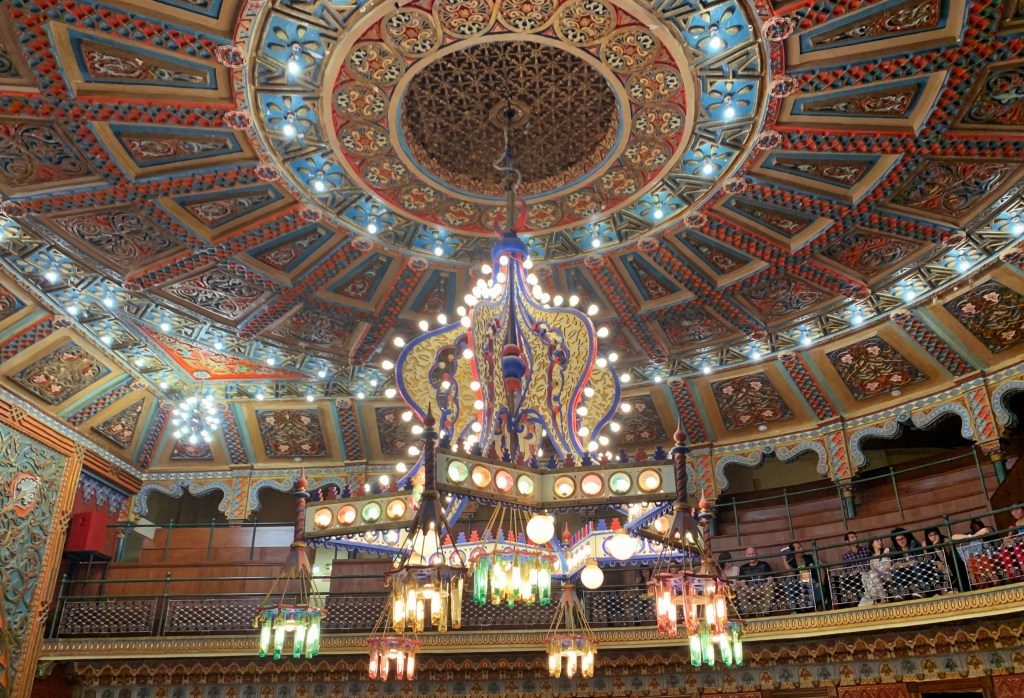
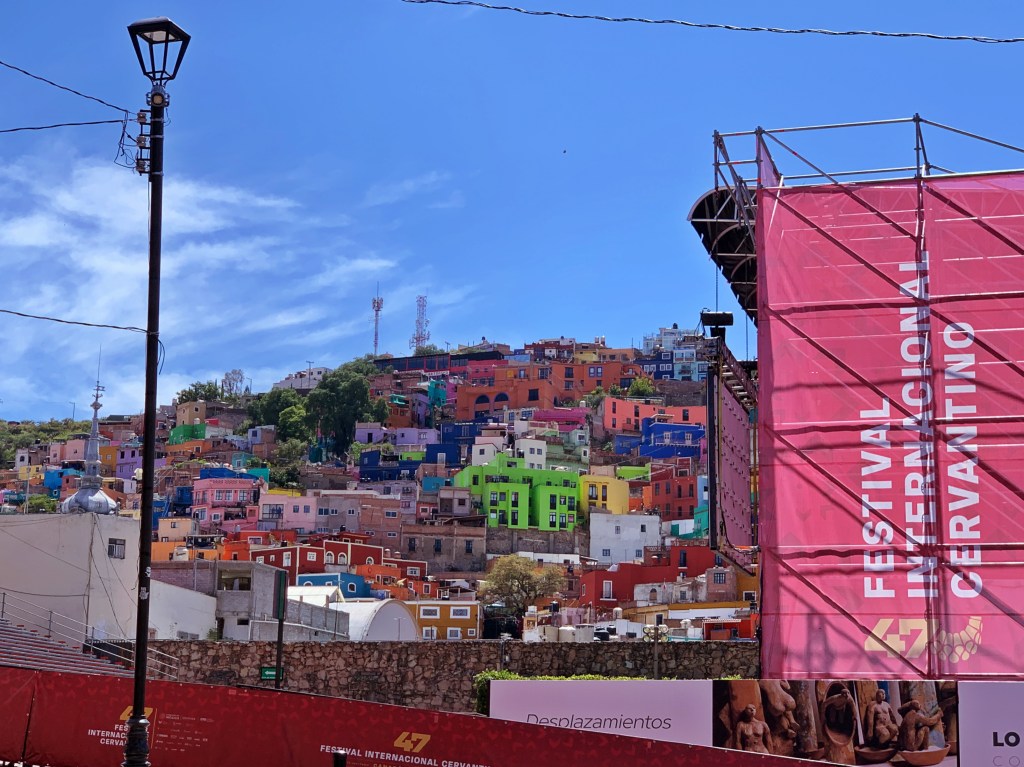
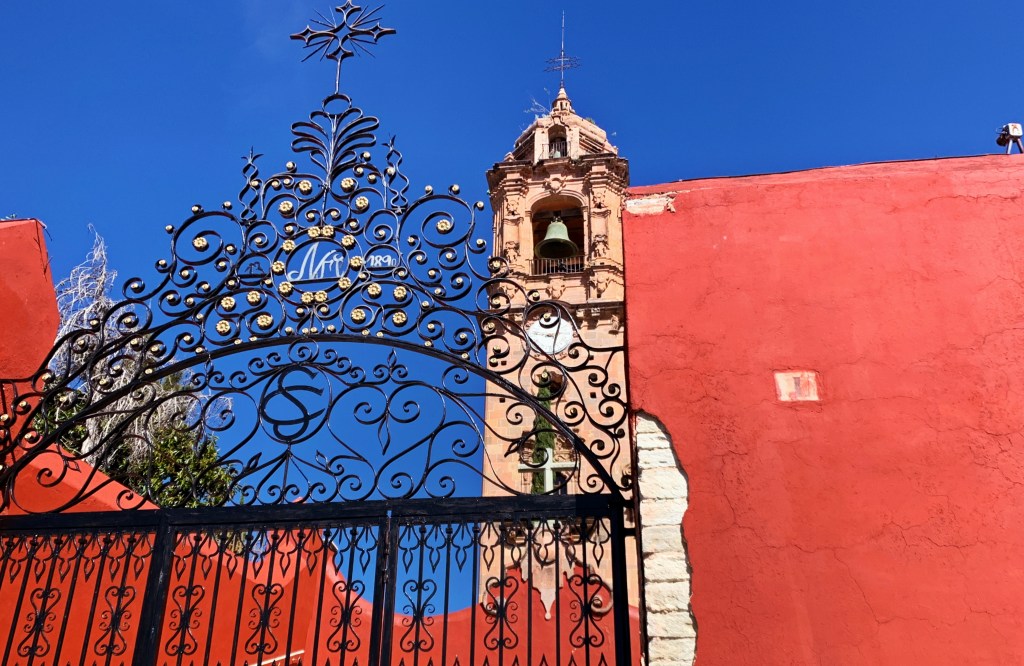
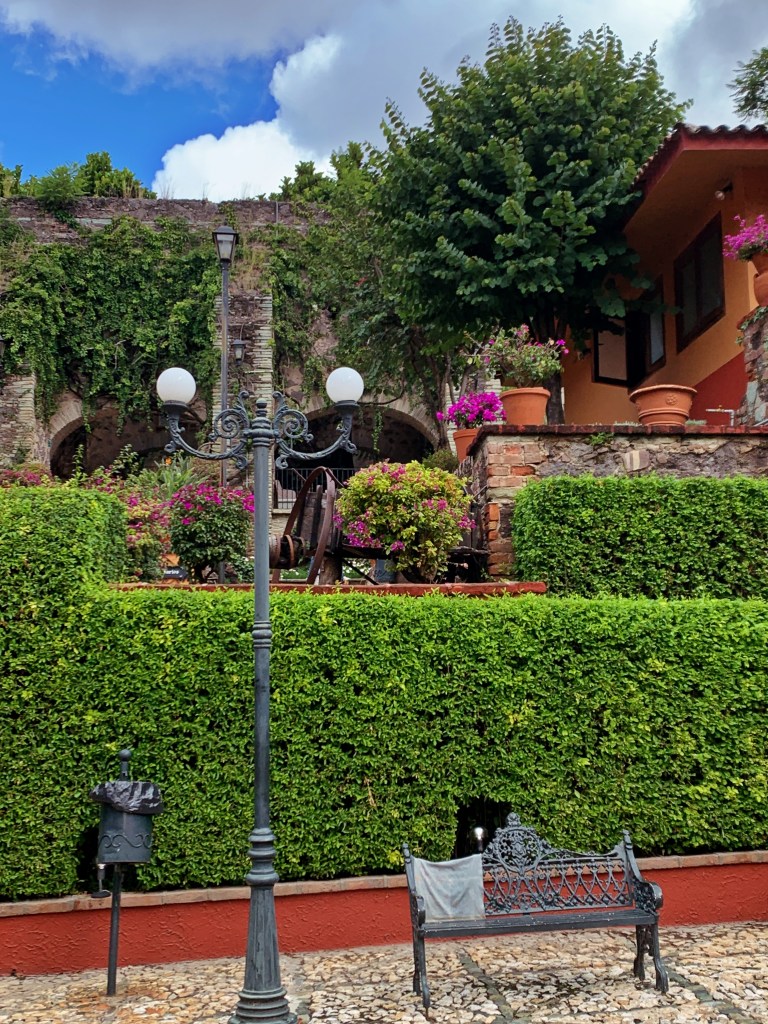
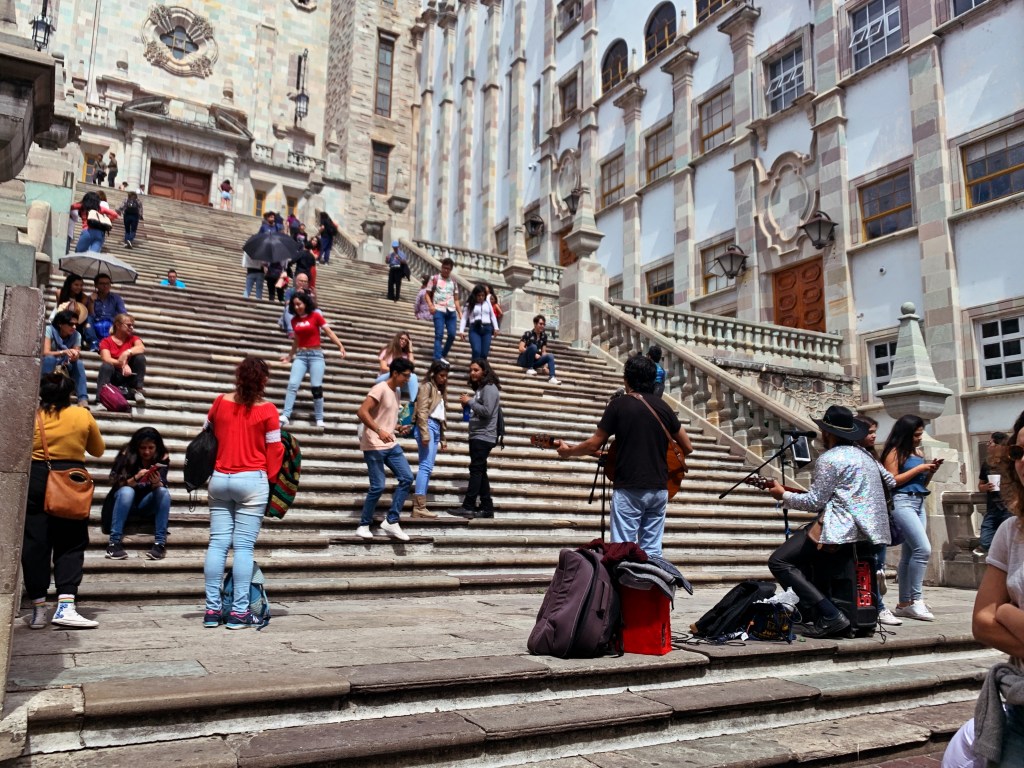
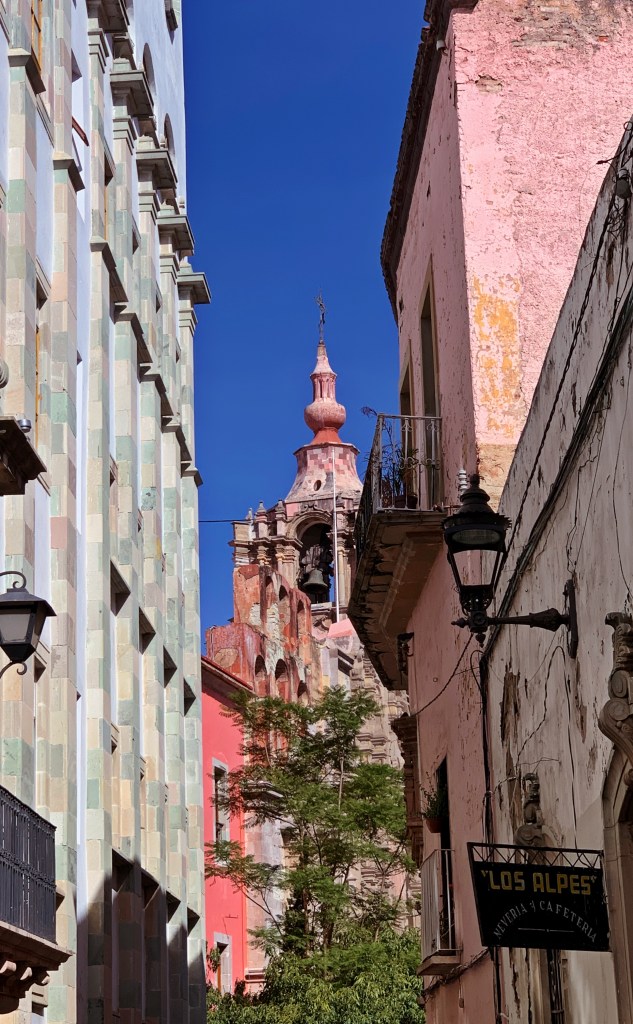
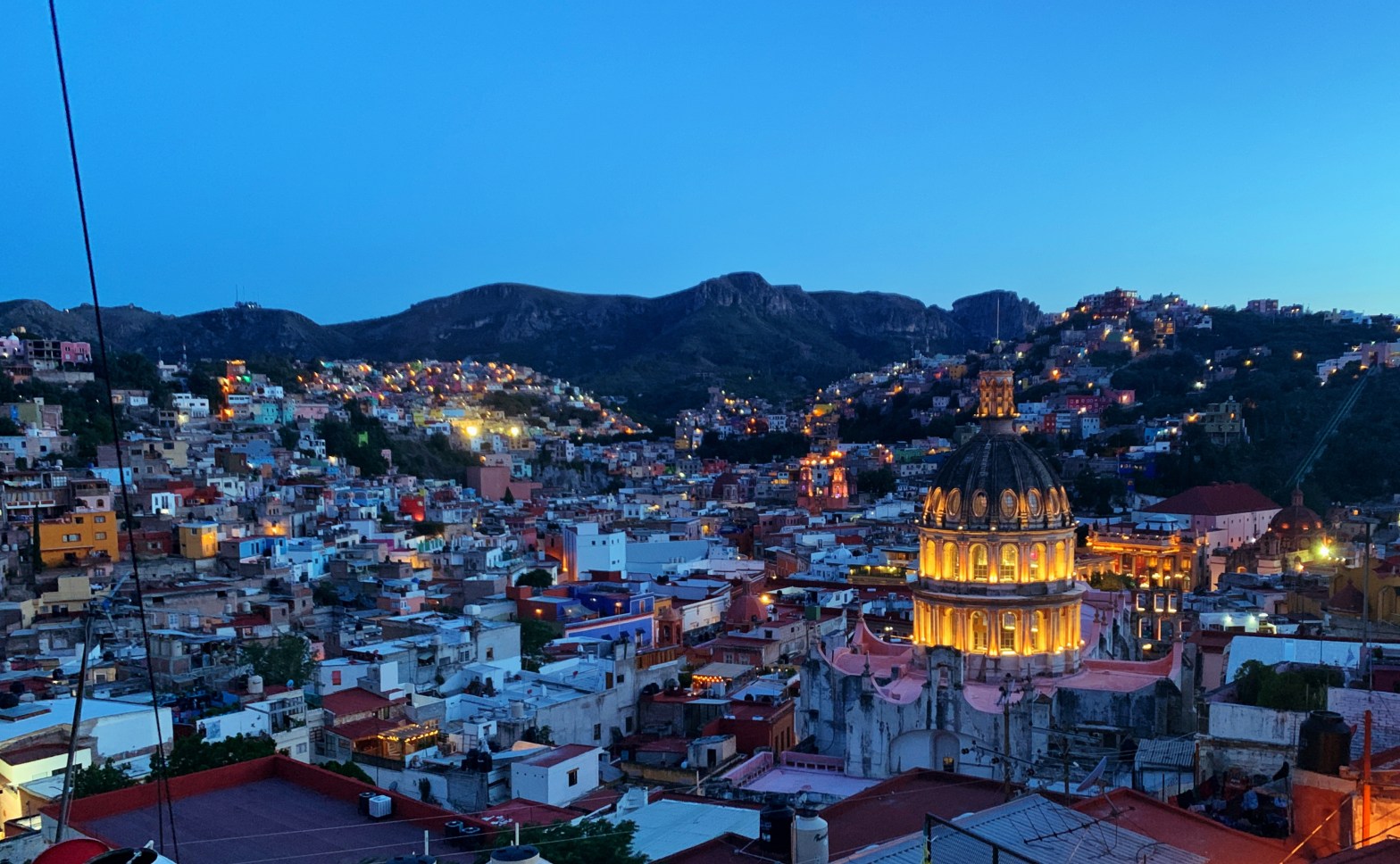
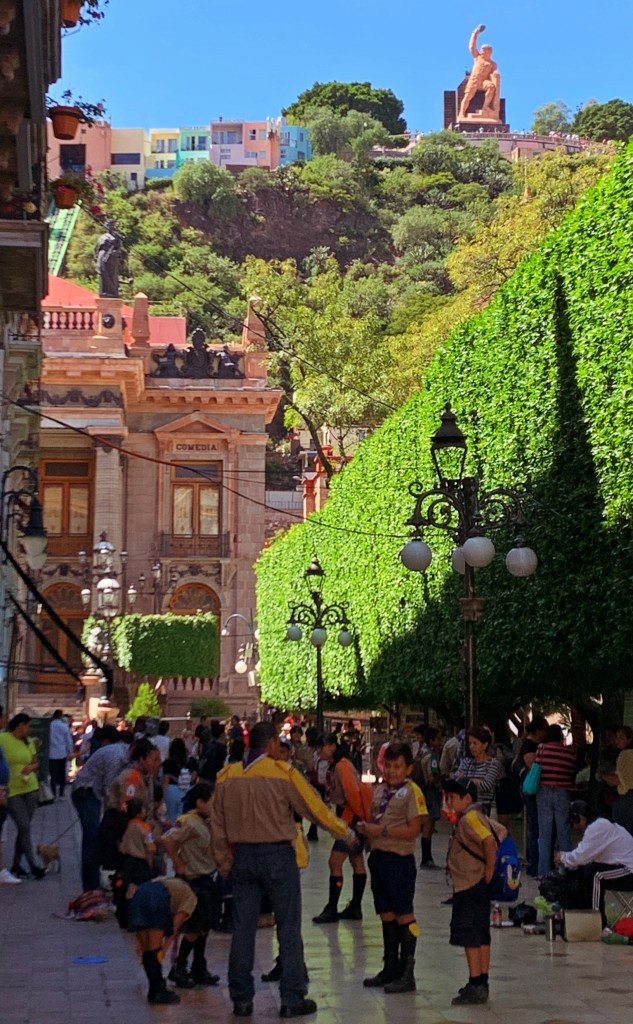
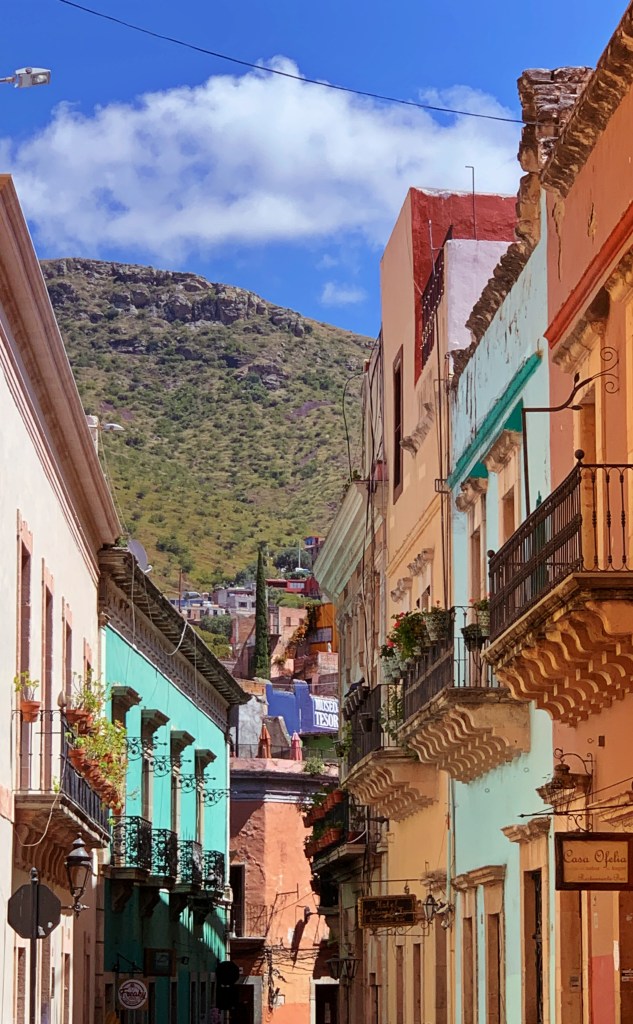
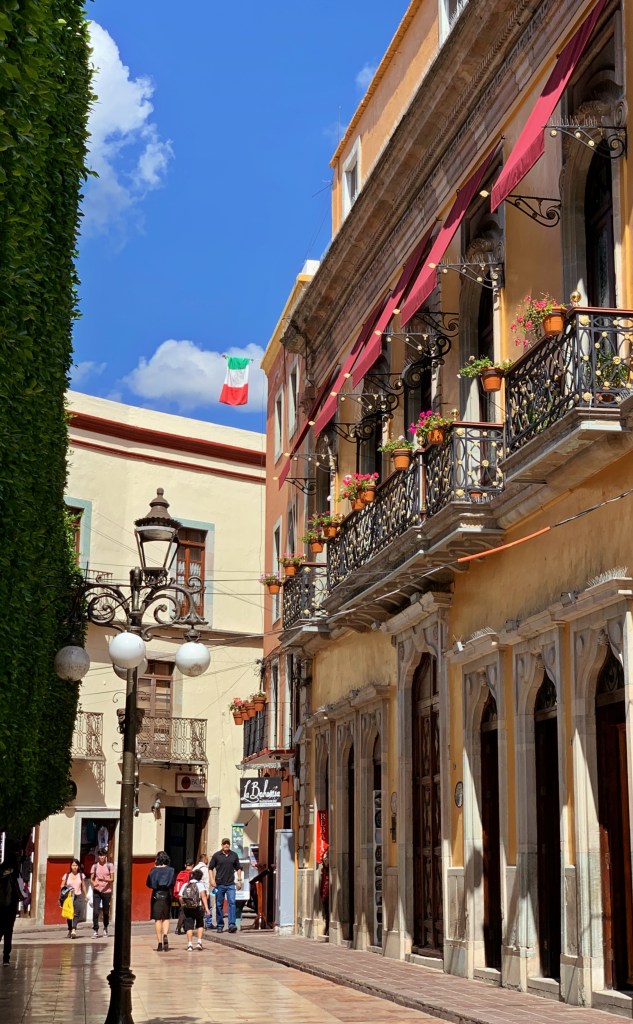
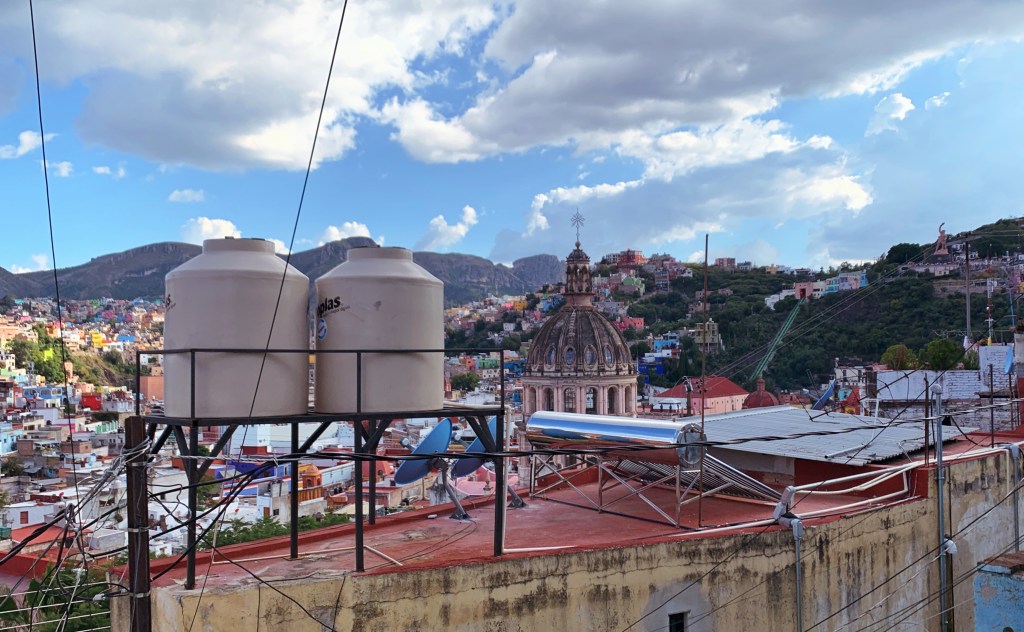
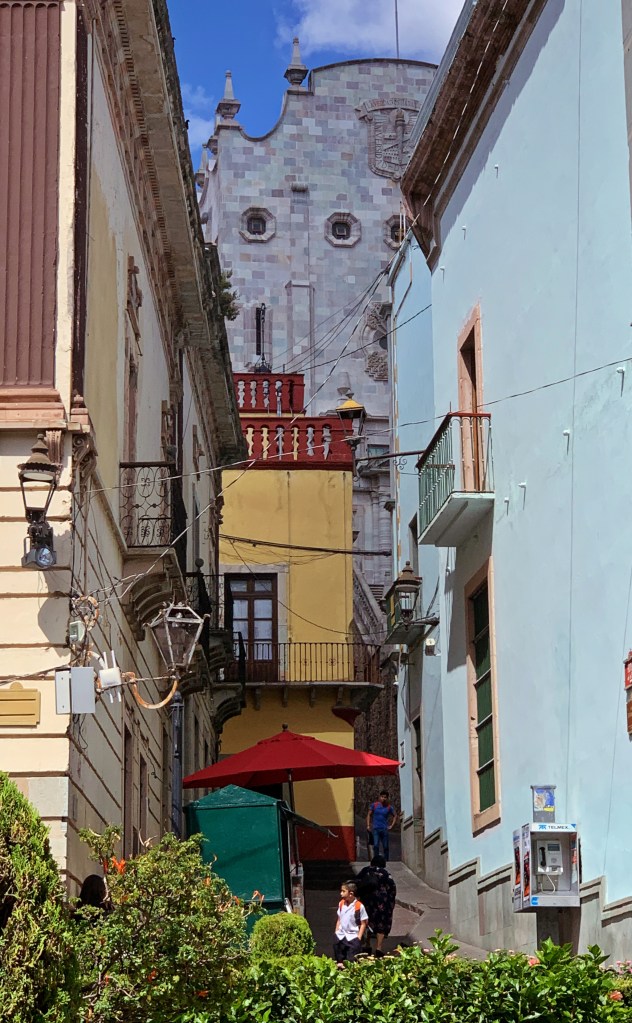
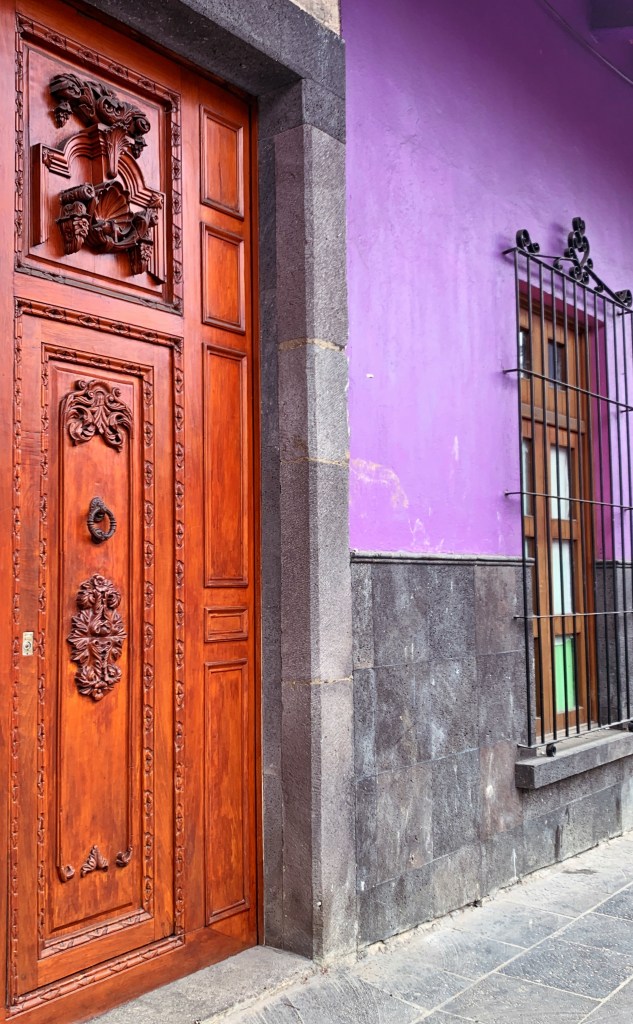
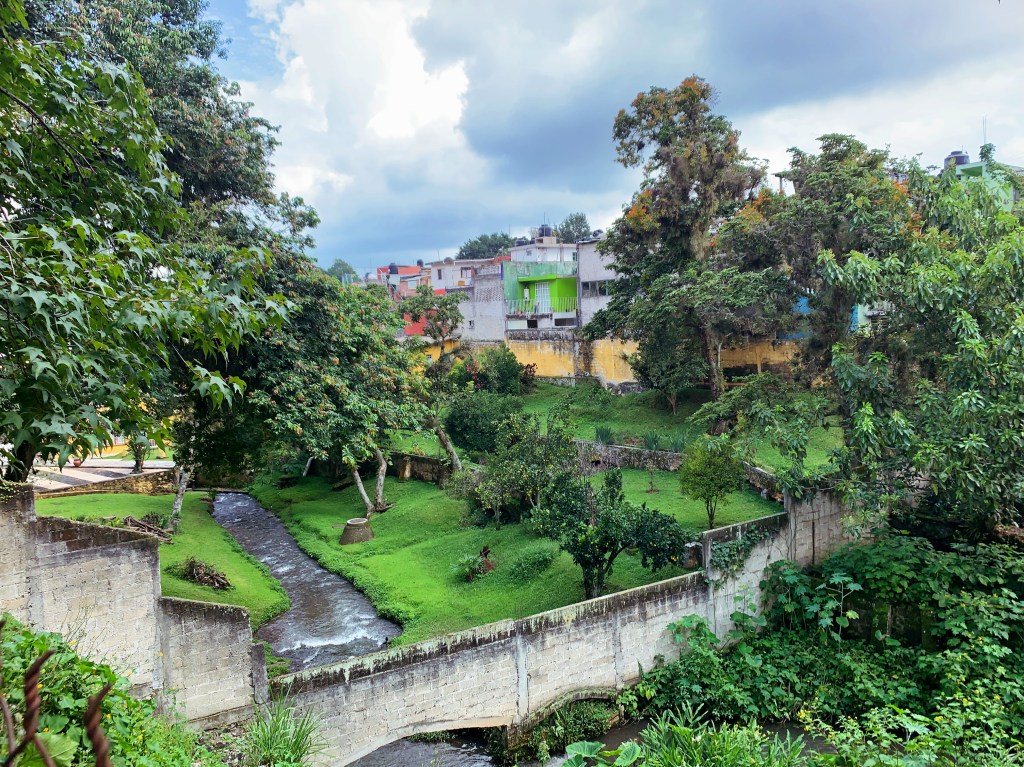
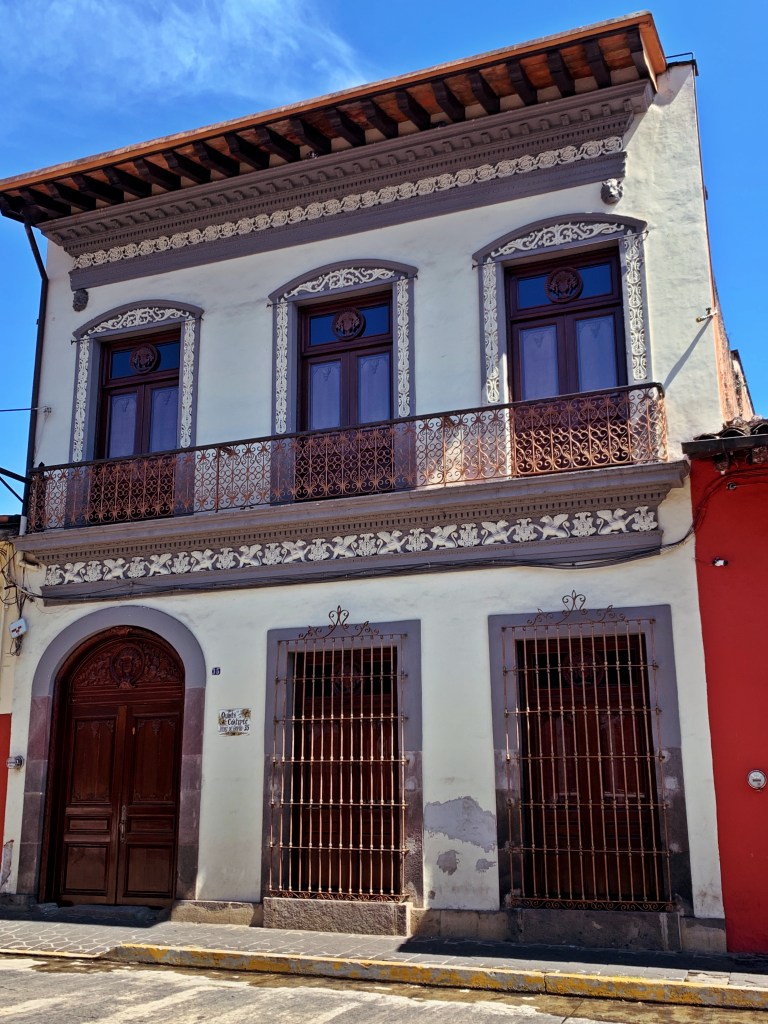
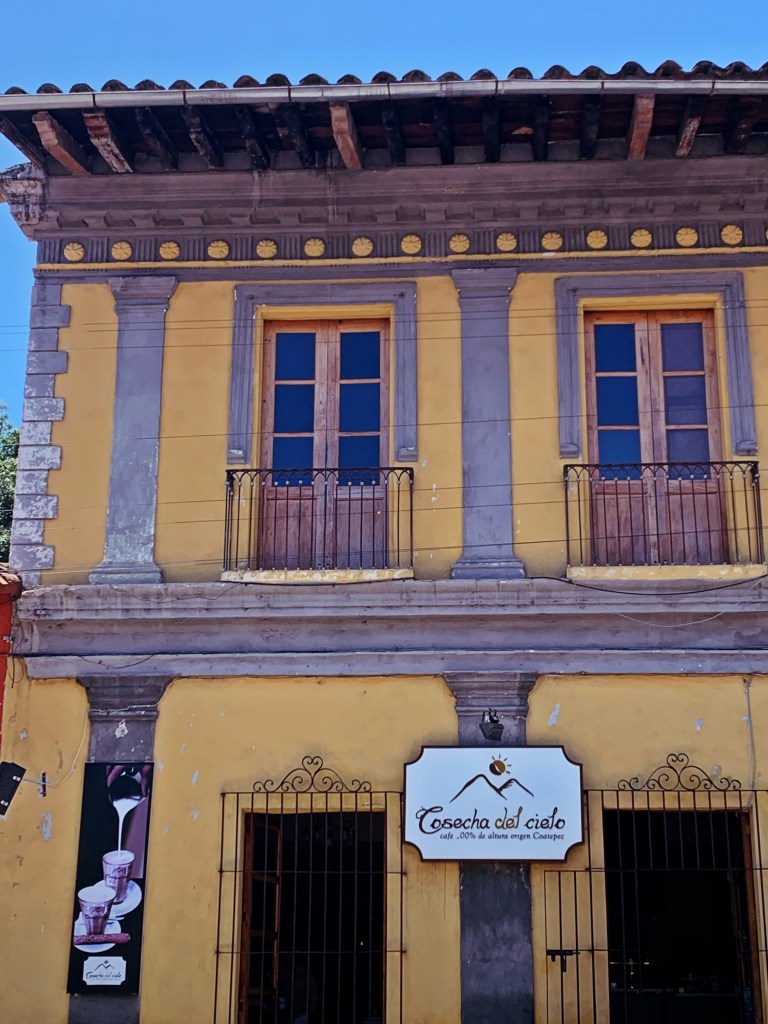
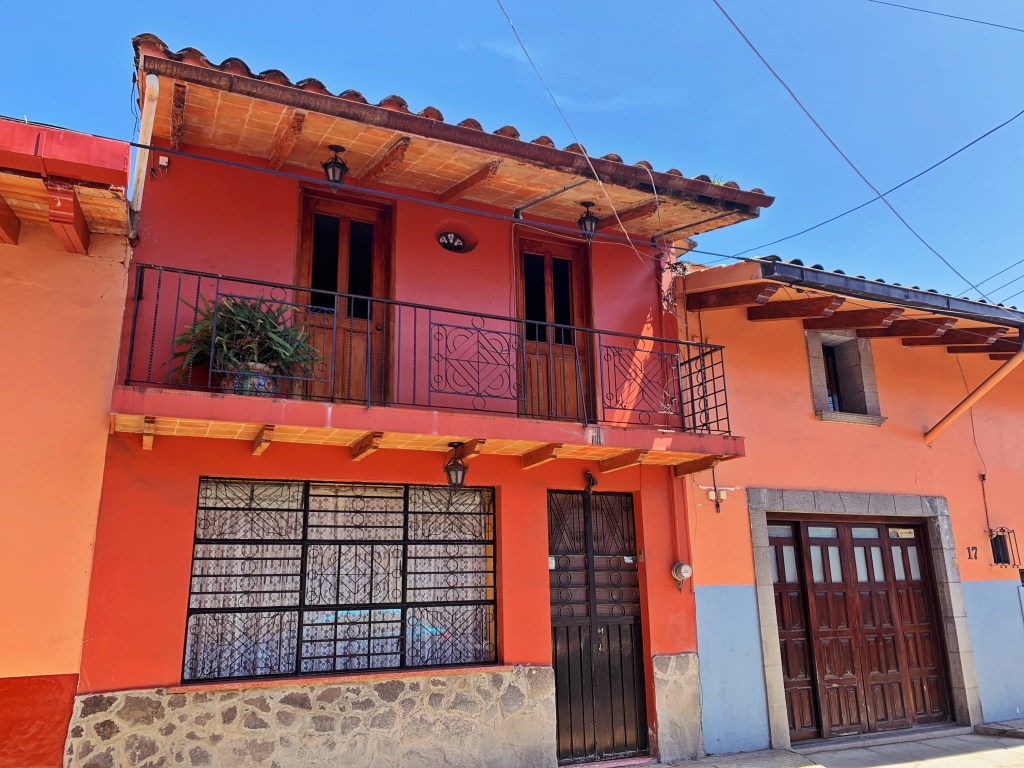
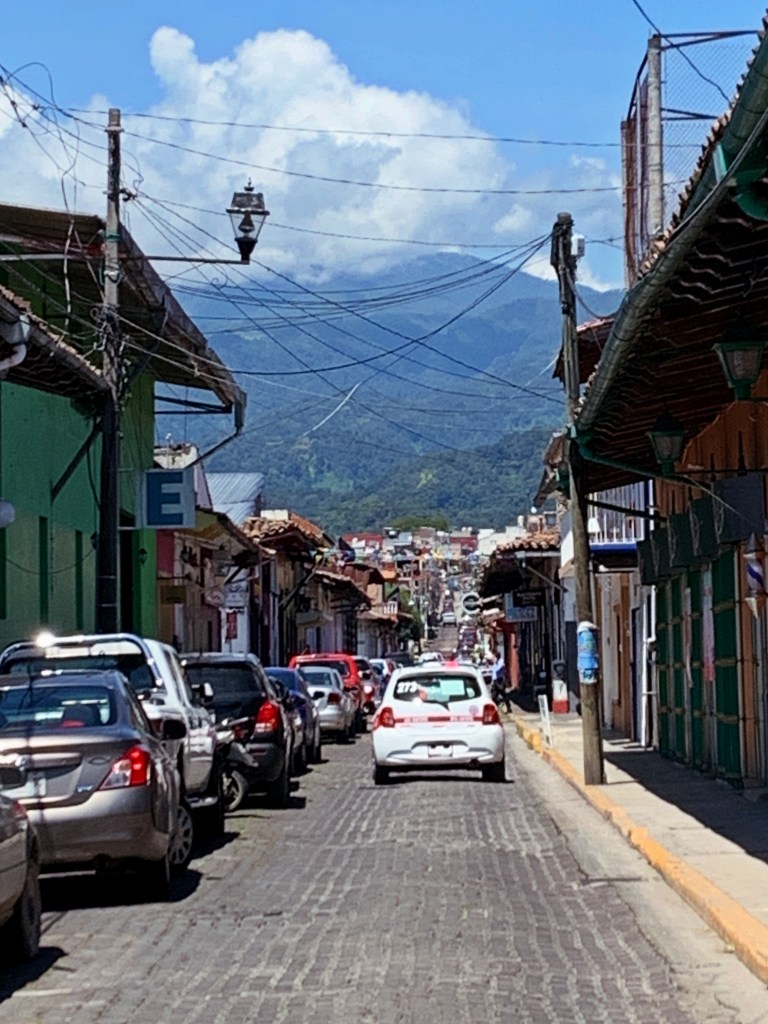
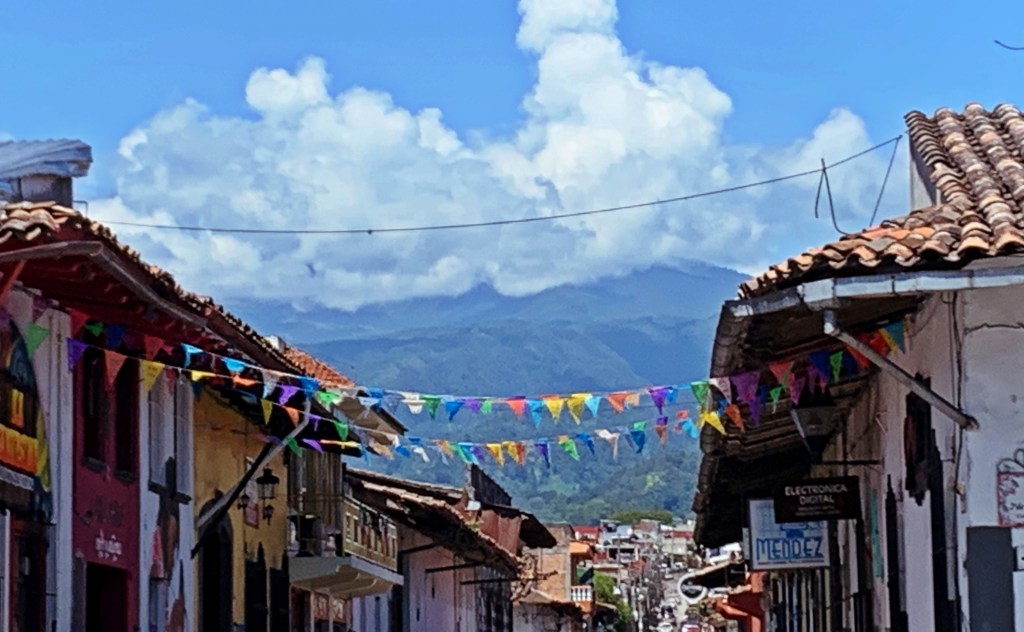
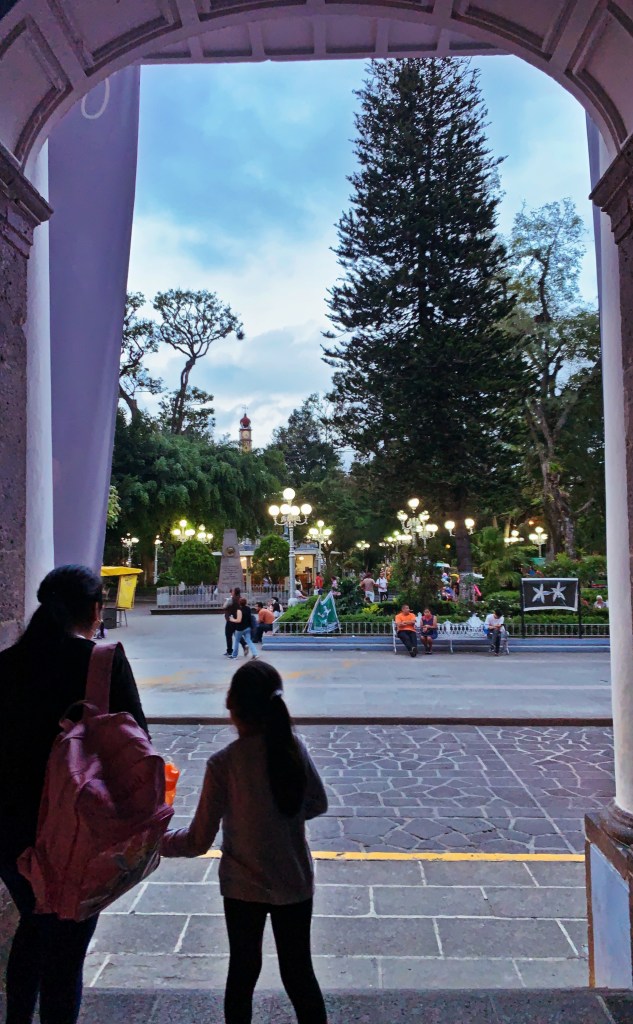
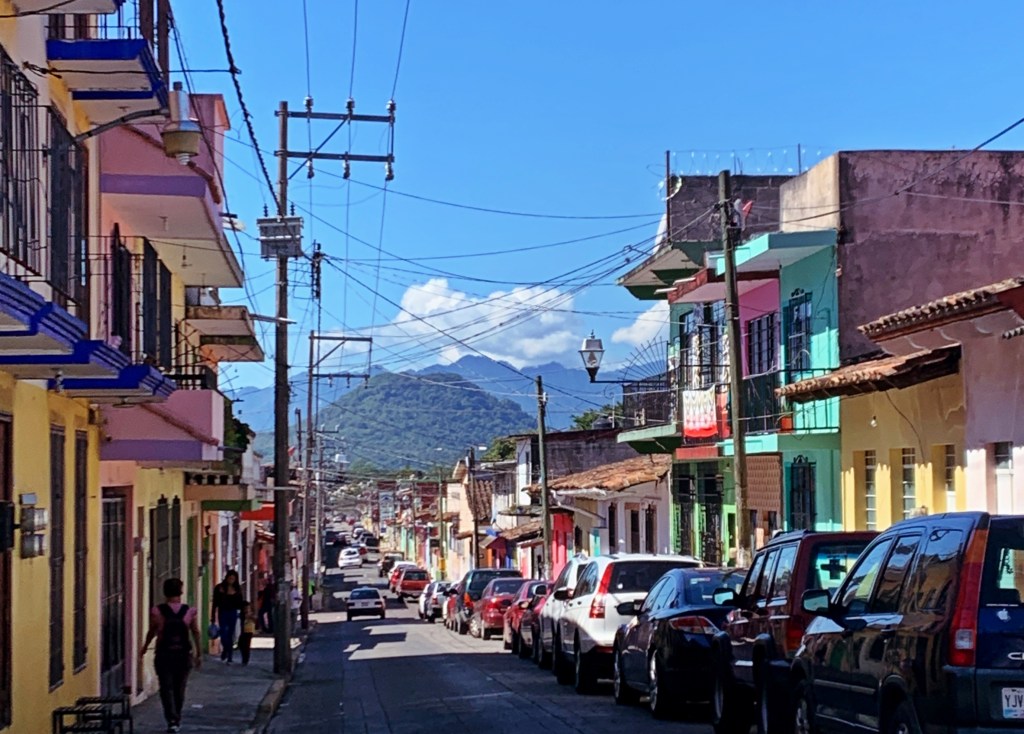
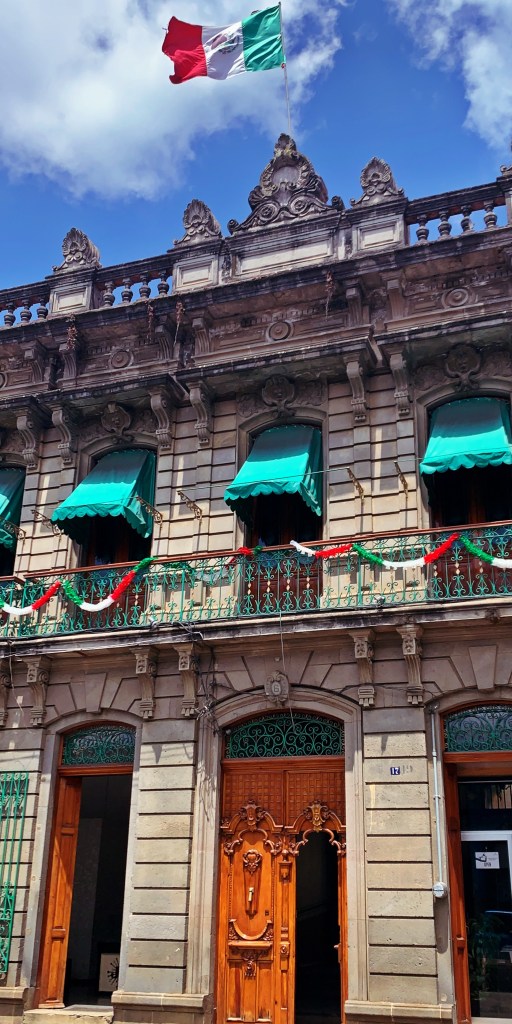
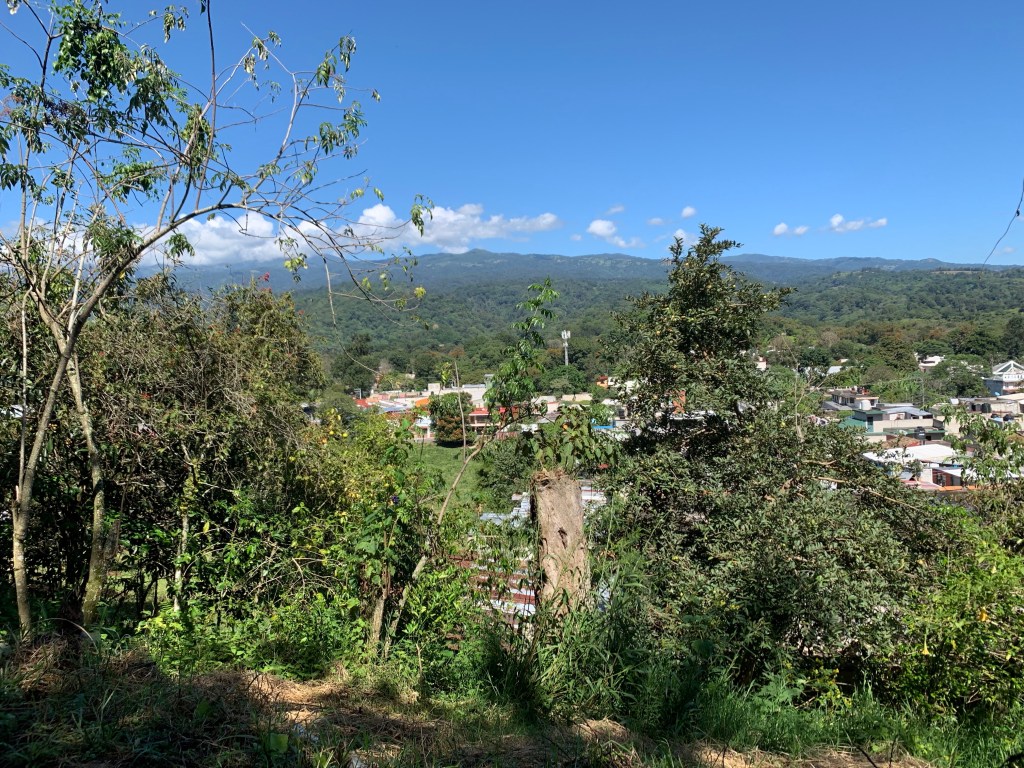
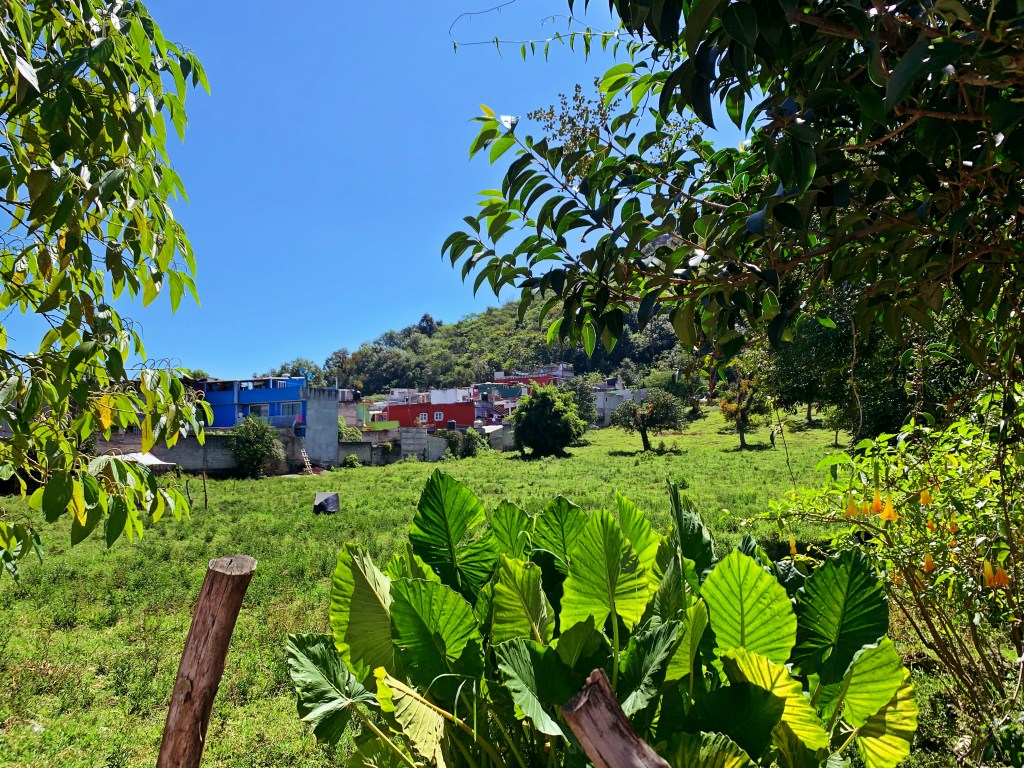
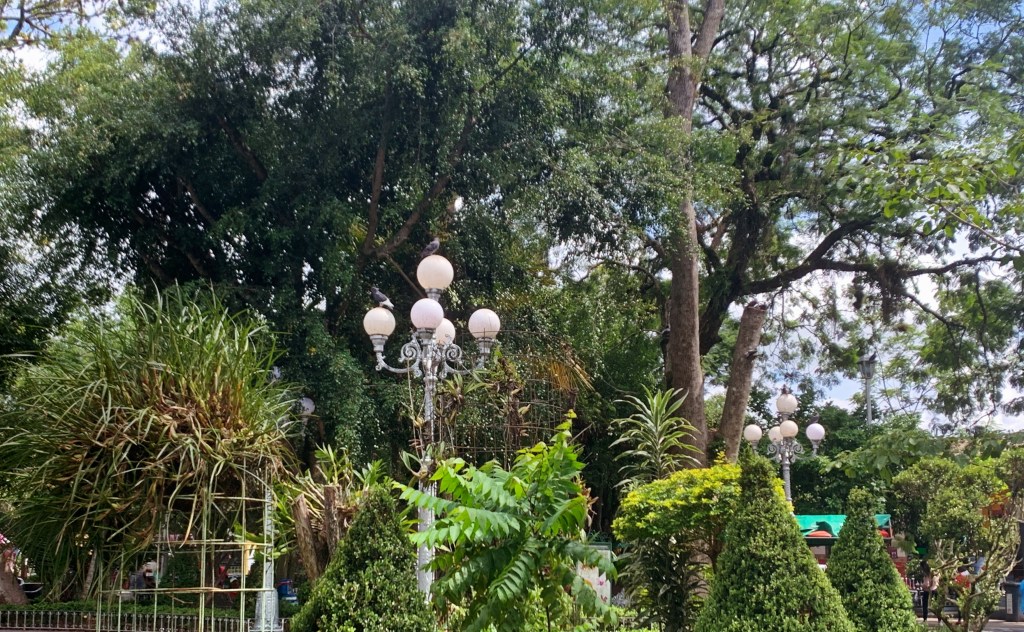
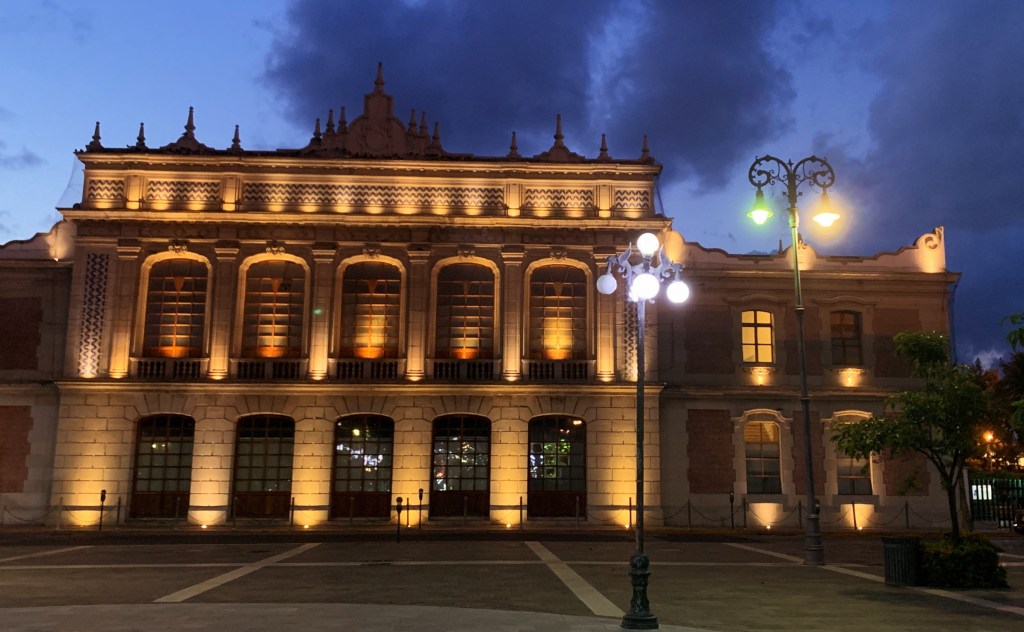
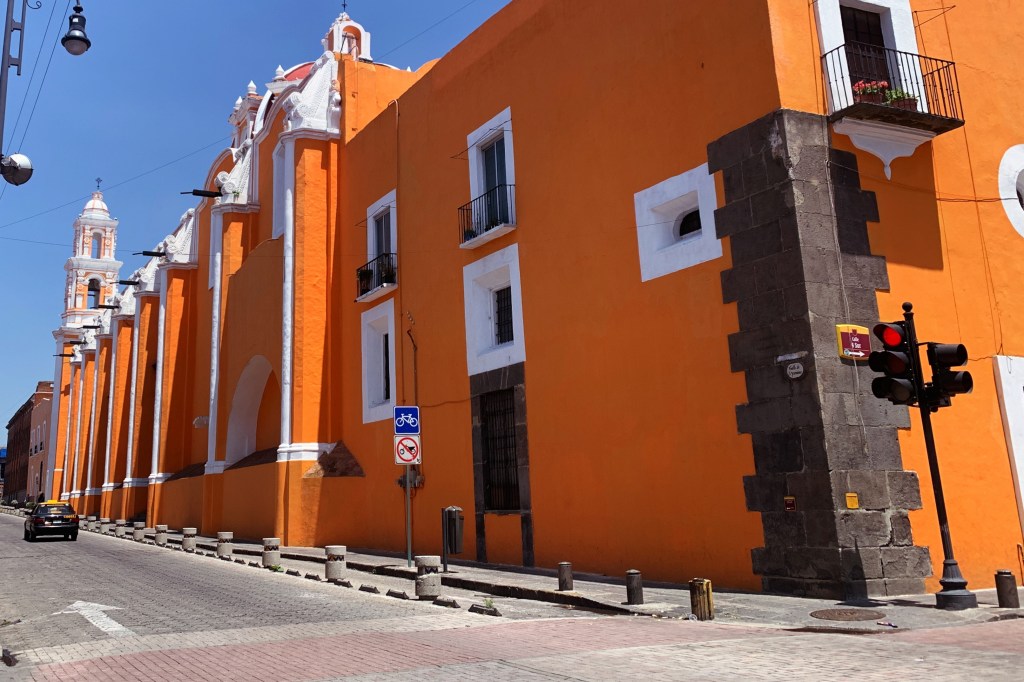
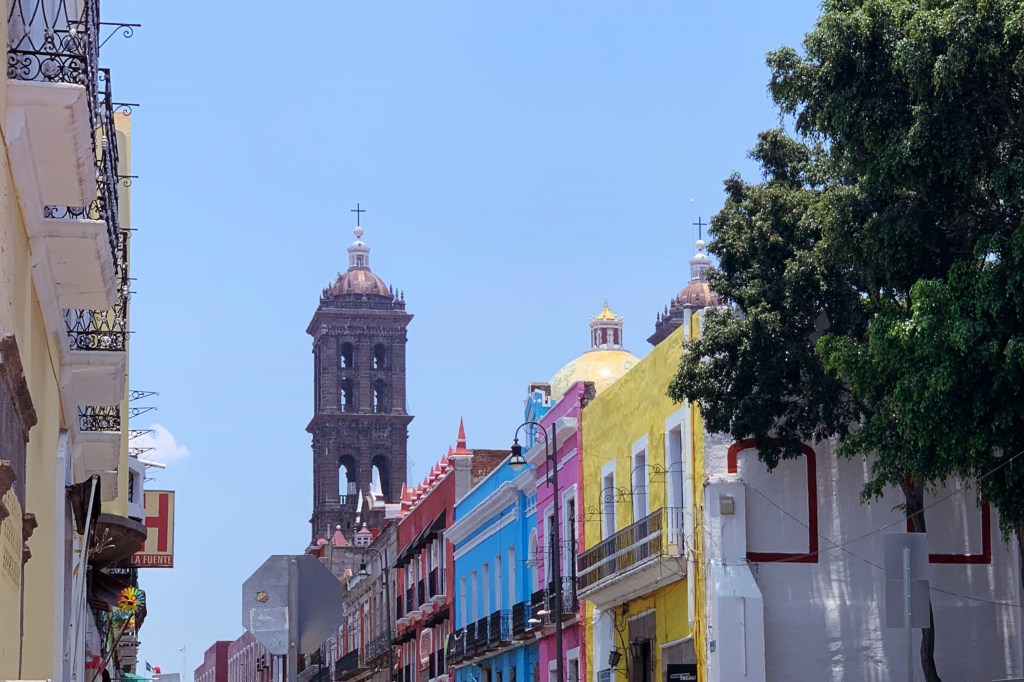
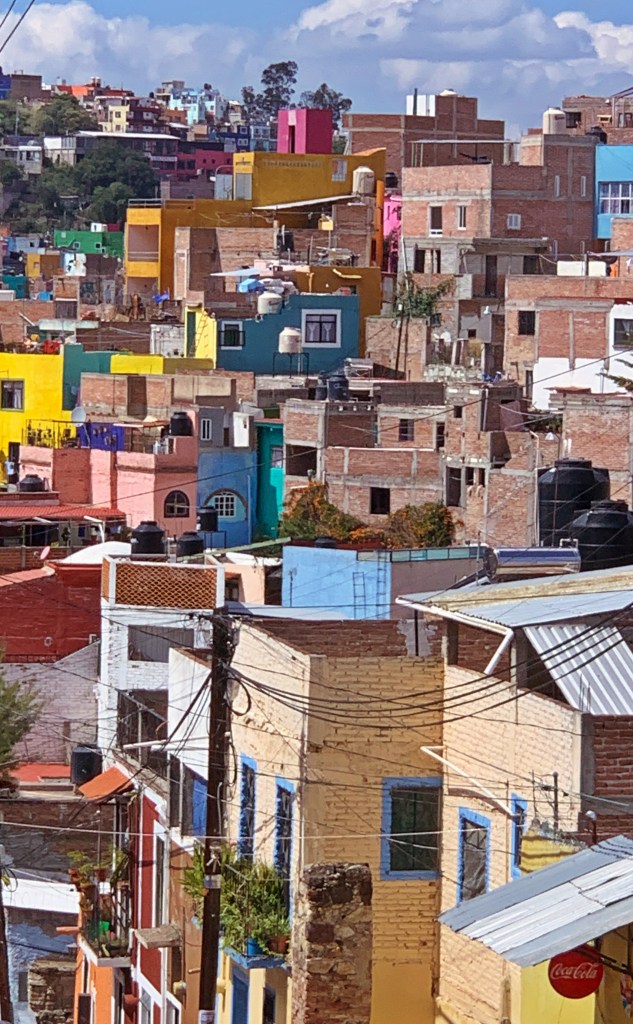
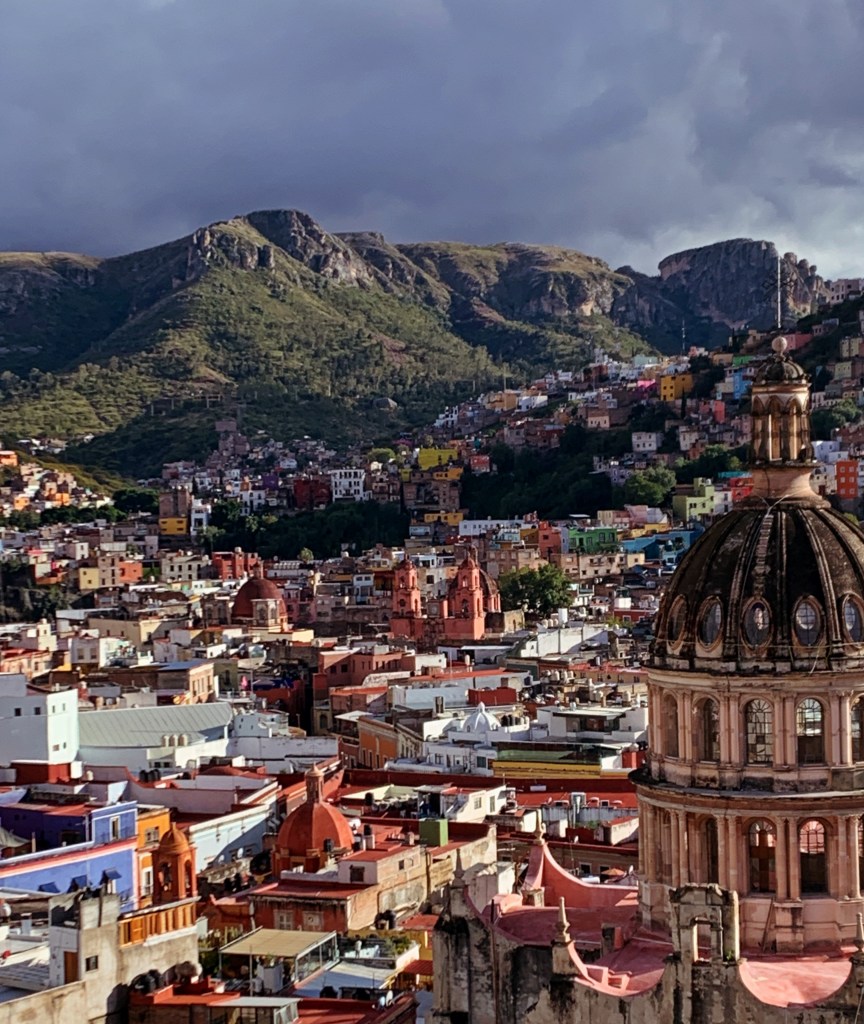
Every time I step onto the streets of Guanajuato, I am surprised by another beautiful vista. Even if I have seen it a dozen times, I haven’t seen it in this light, this time of day, with these surrounding elements. It takes my breath away and gives me giggles of delight!
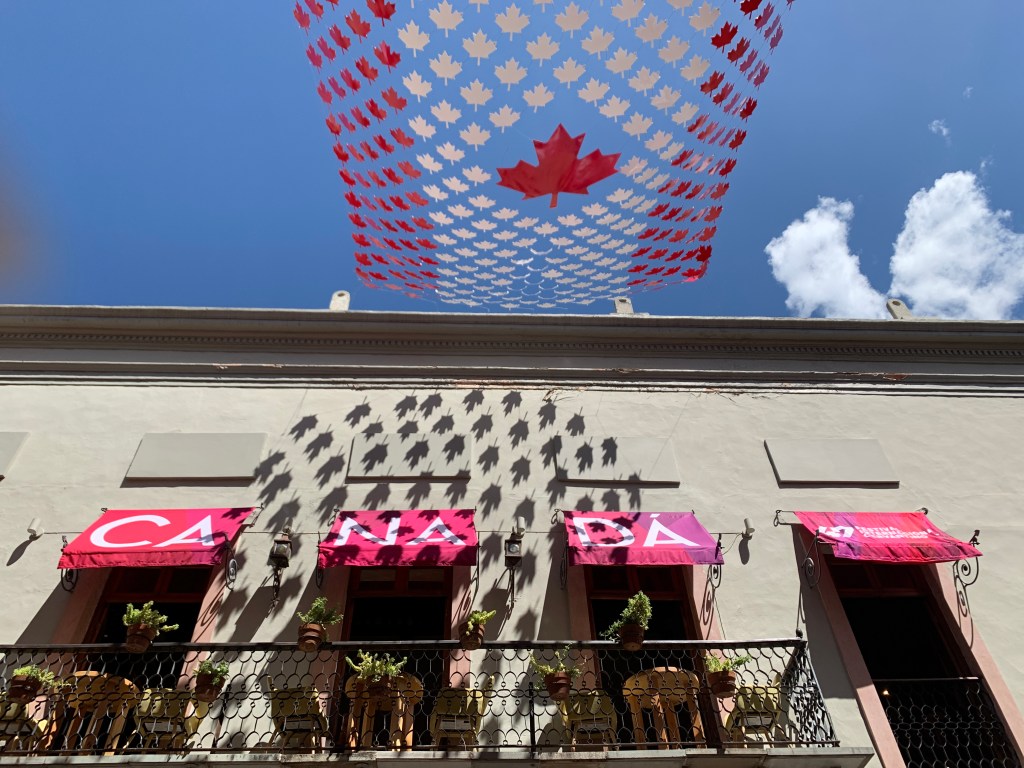
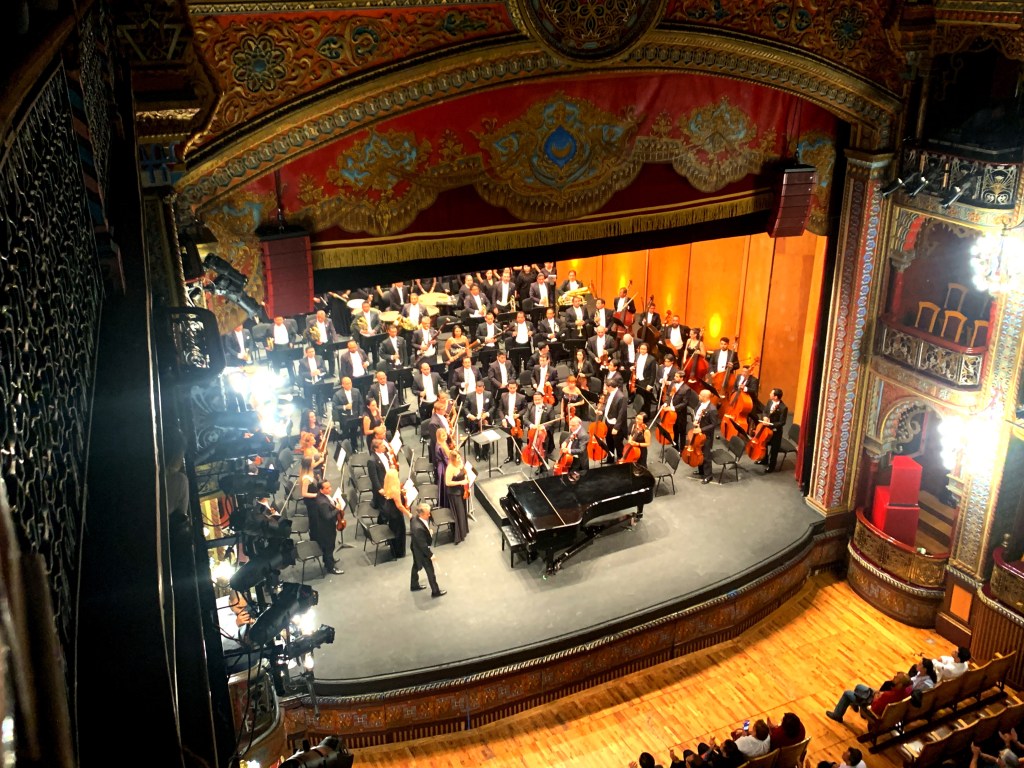
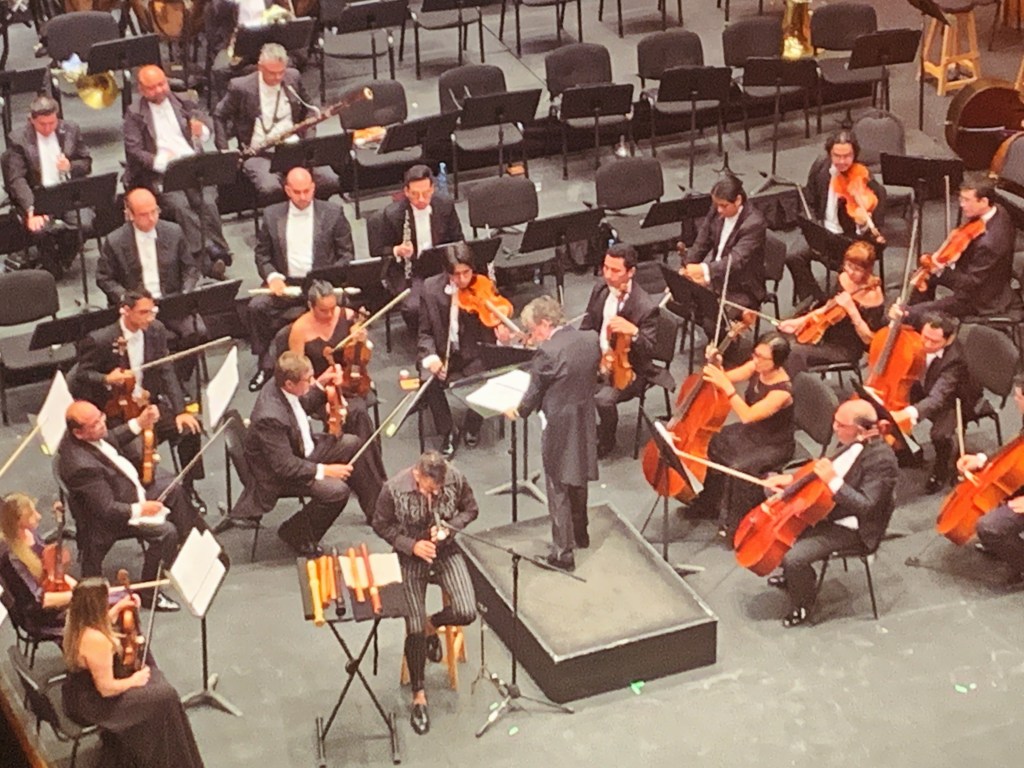
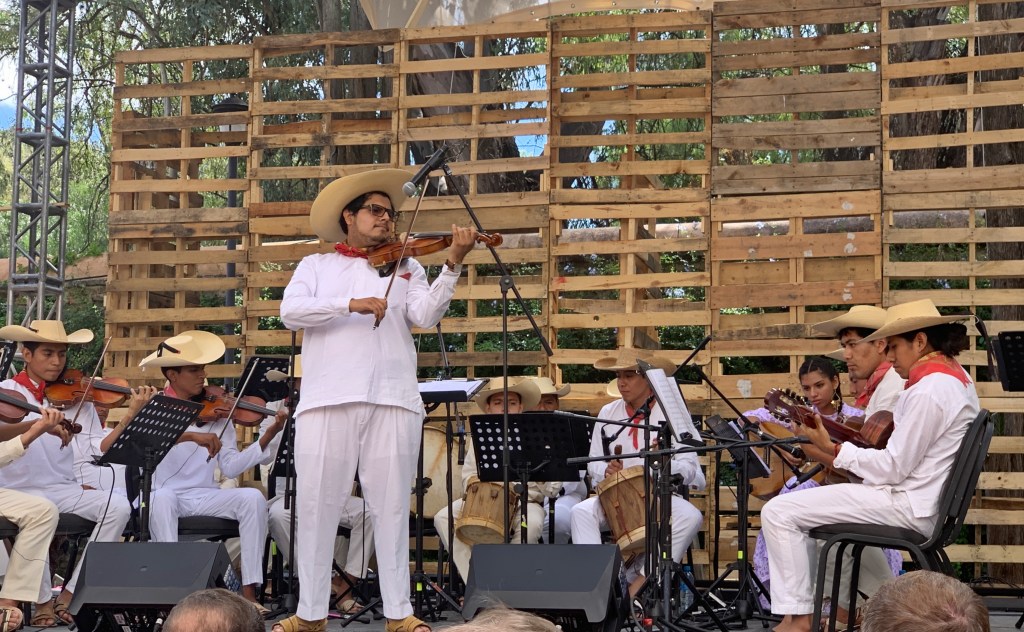
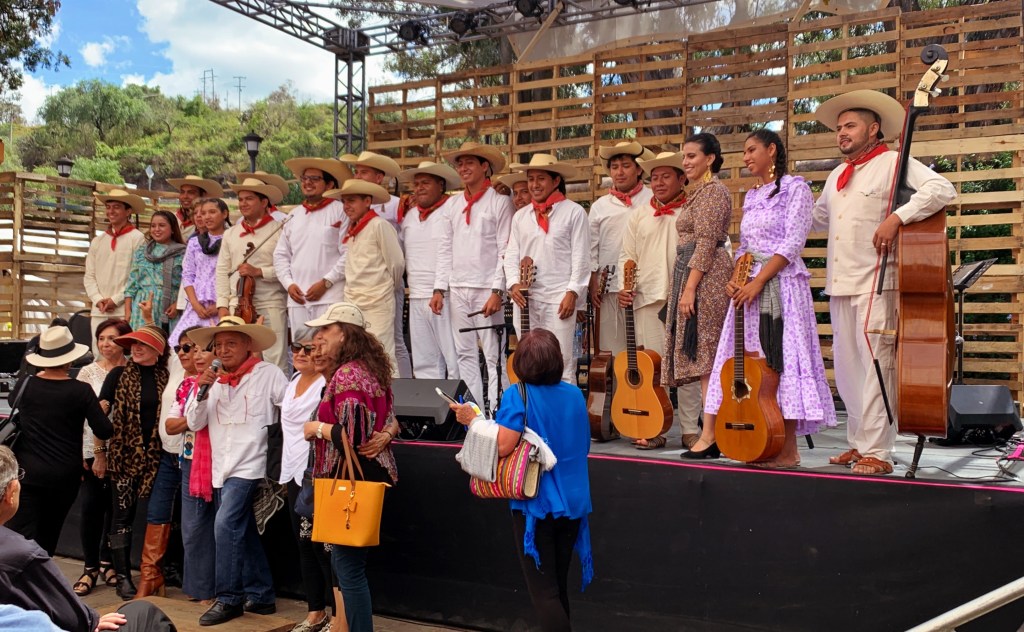
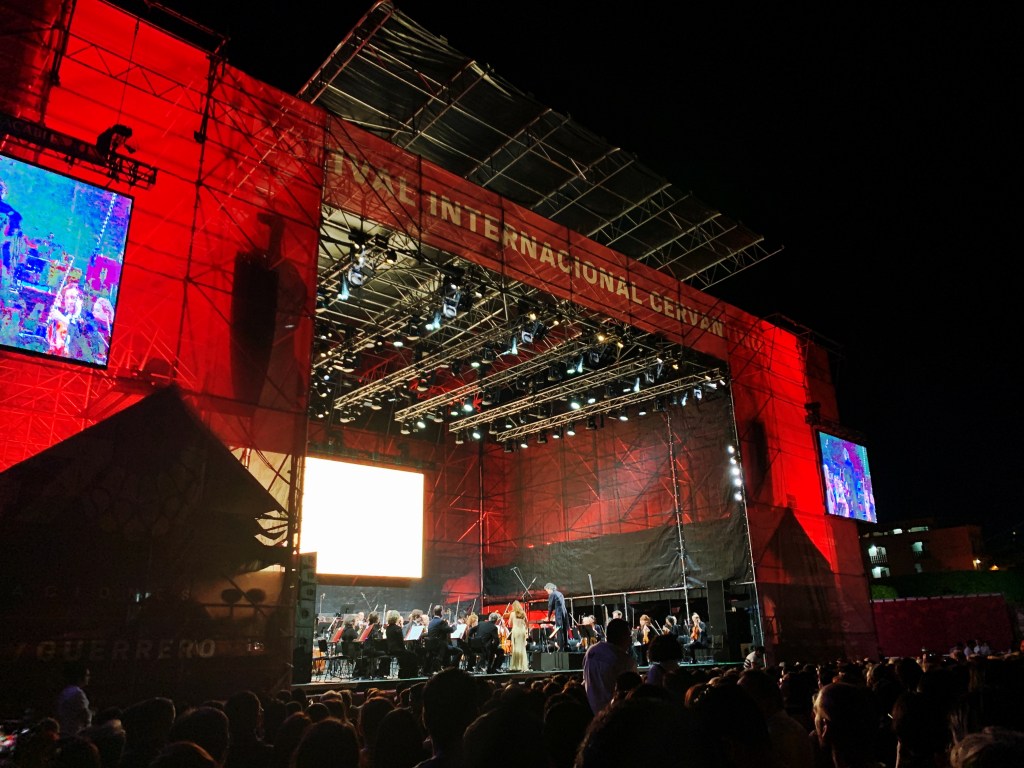
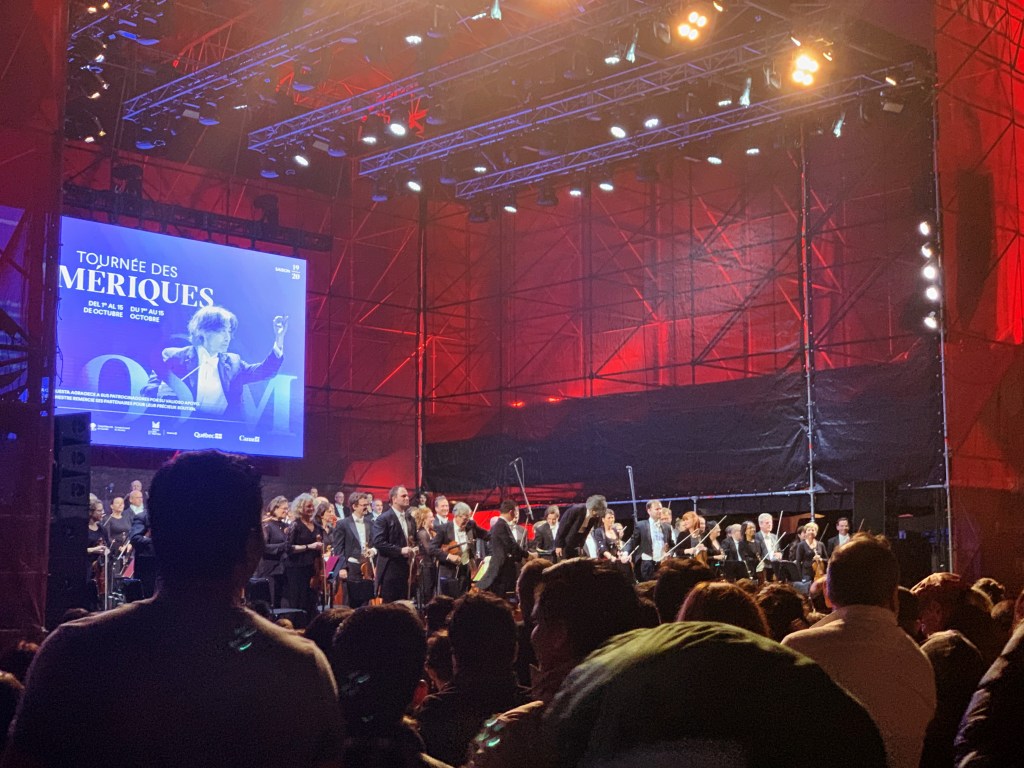
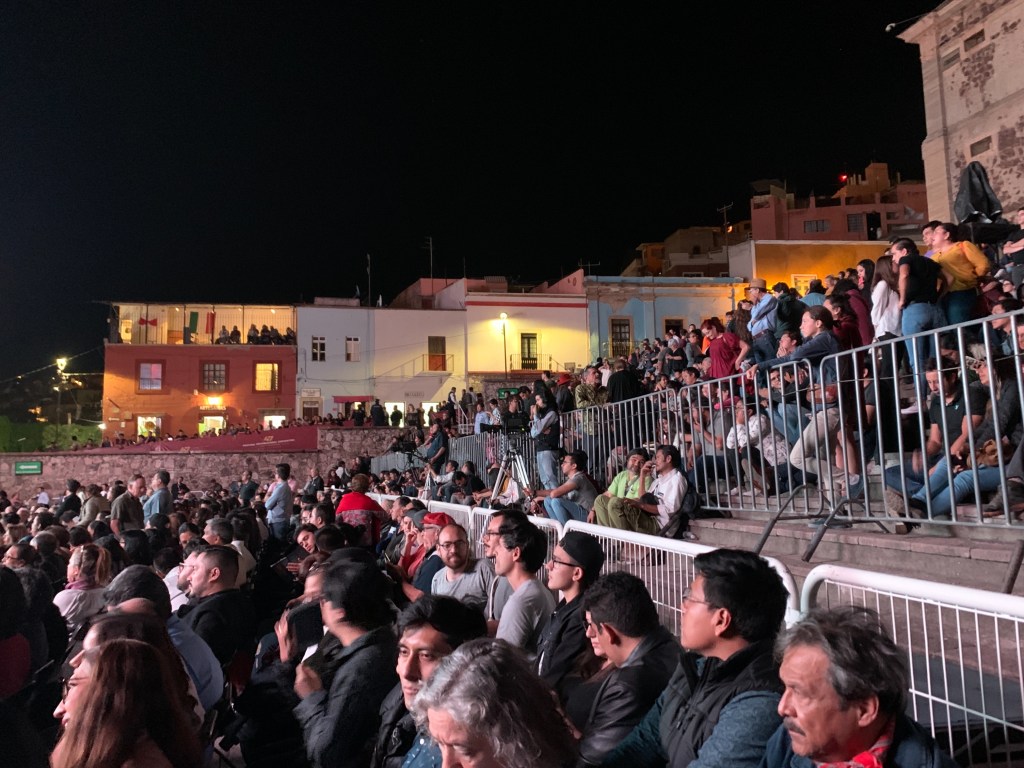
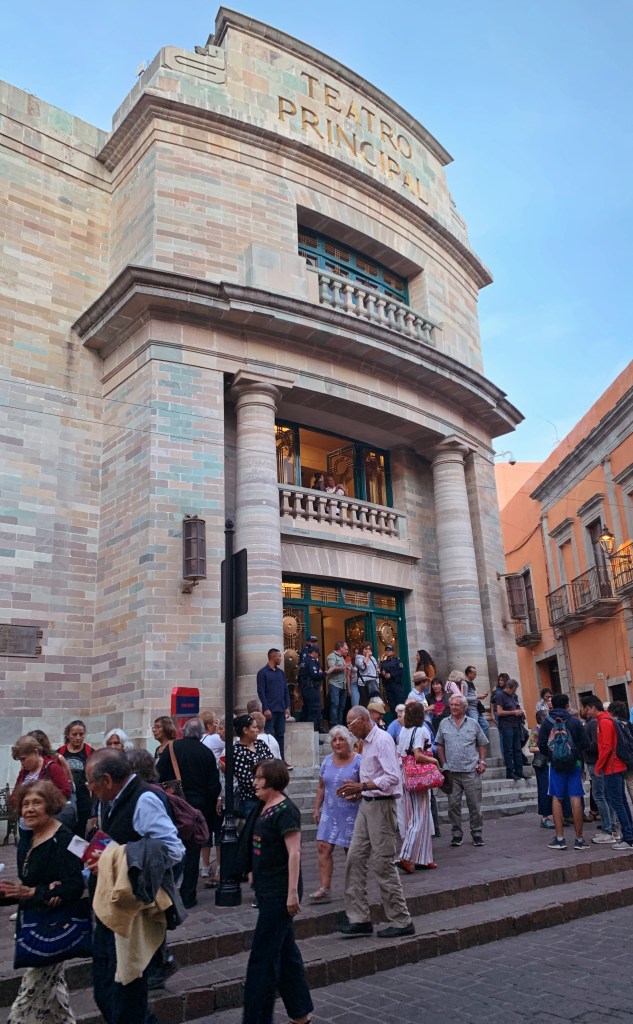
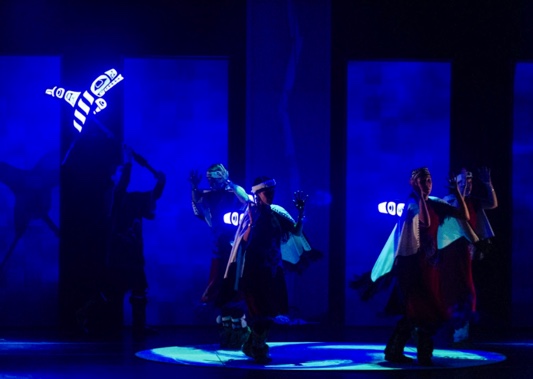
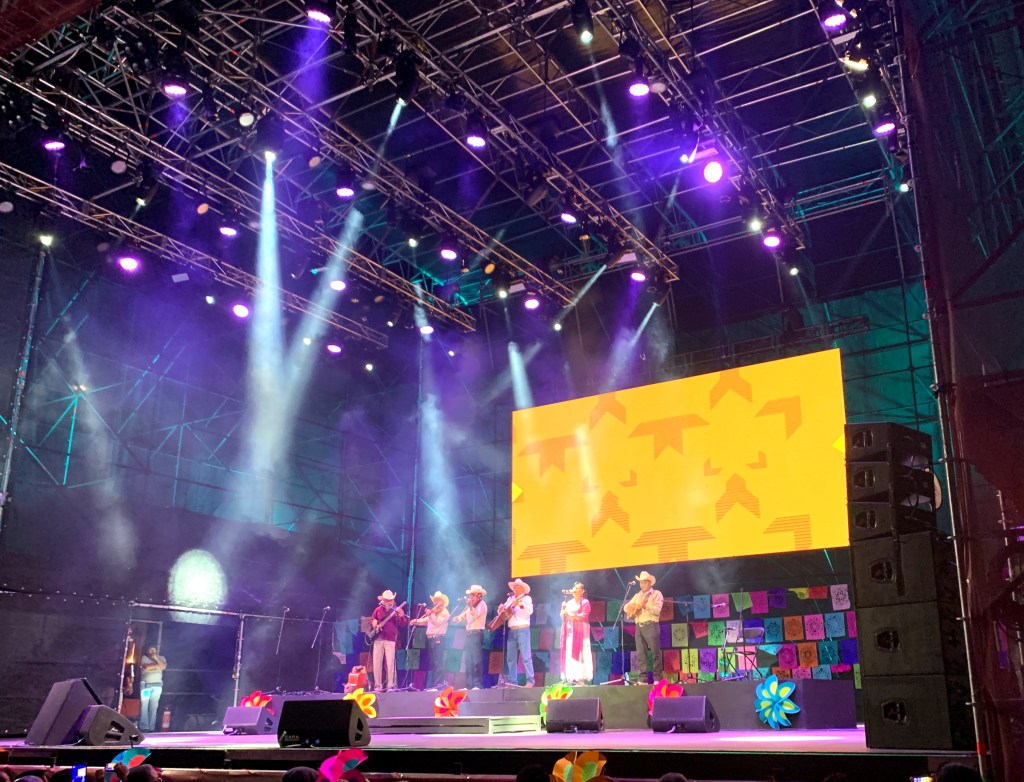
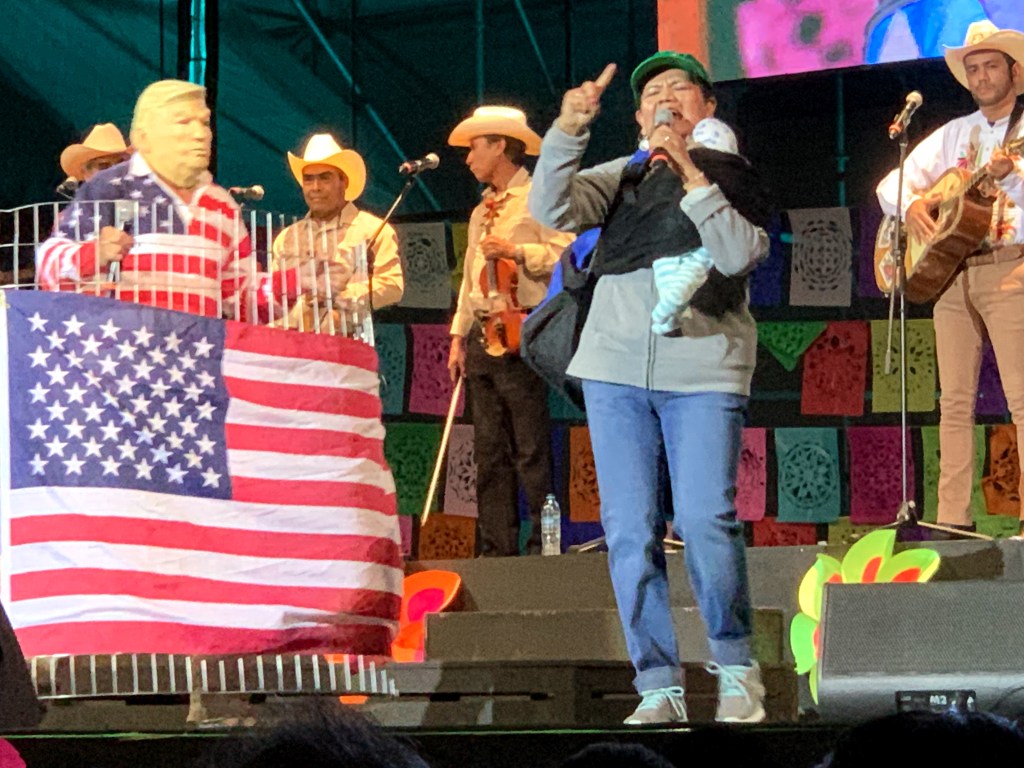
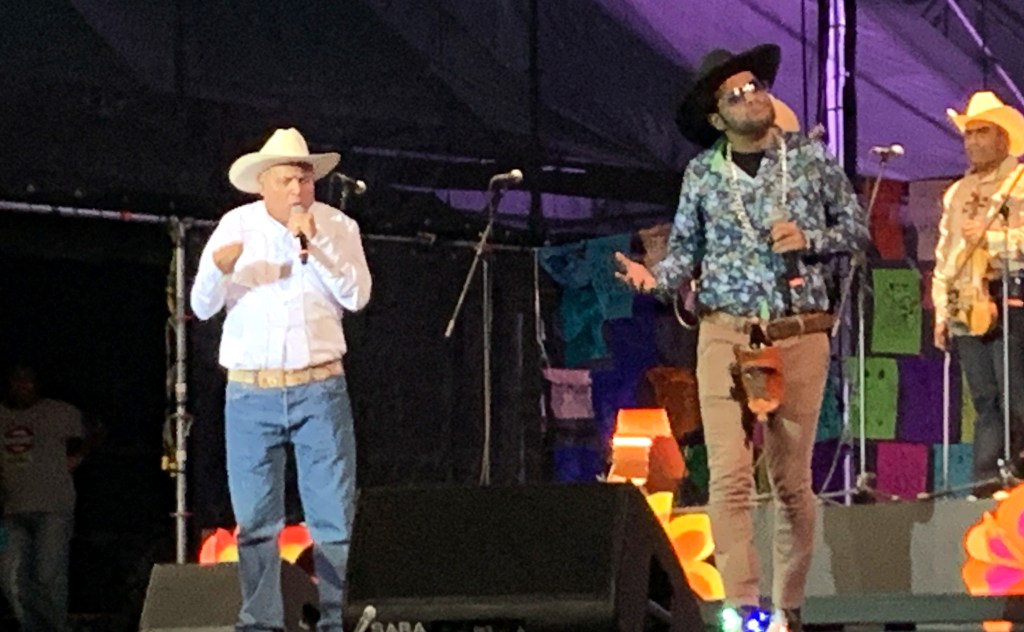
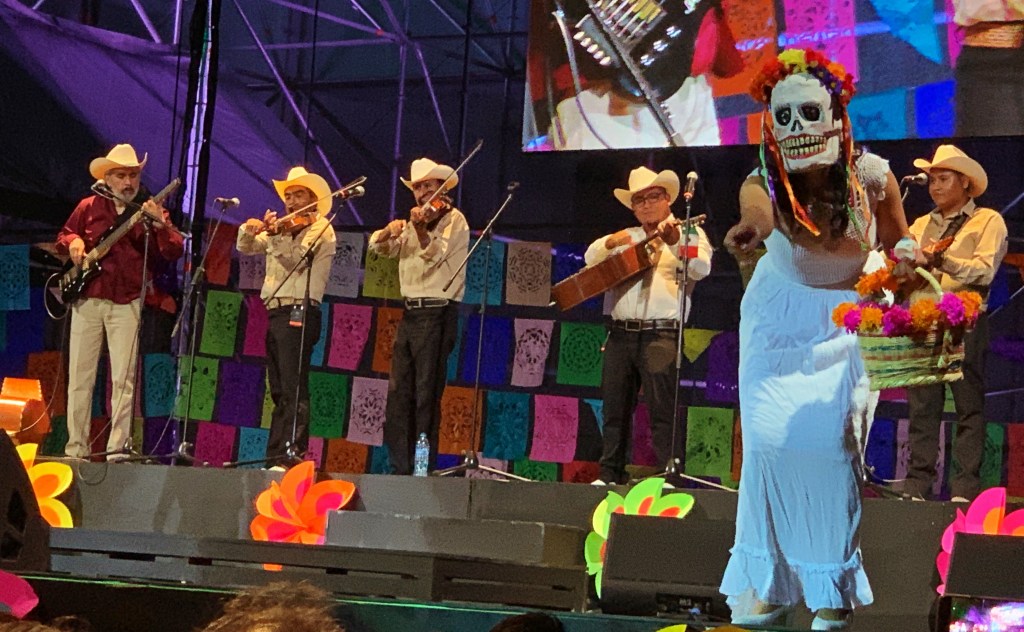
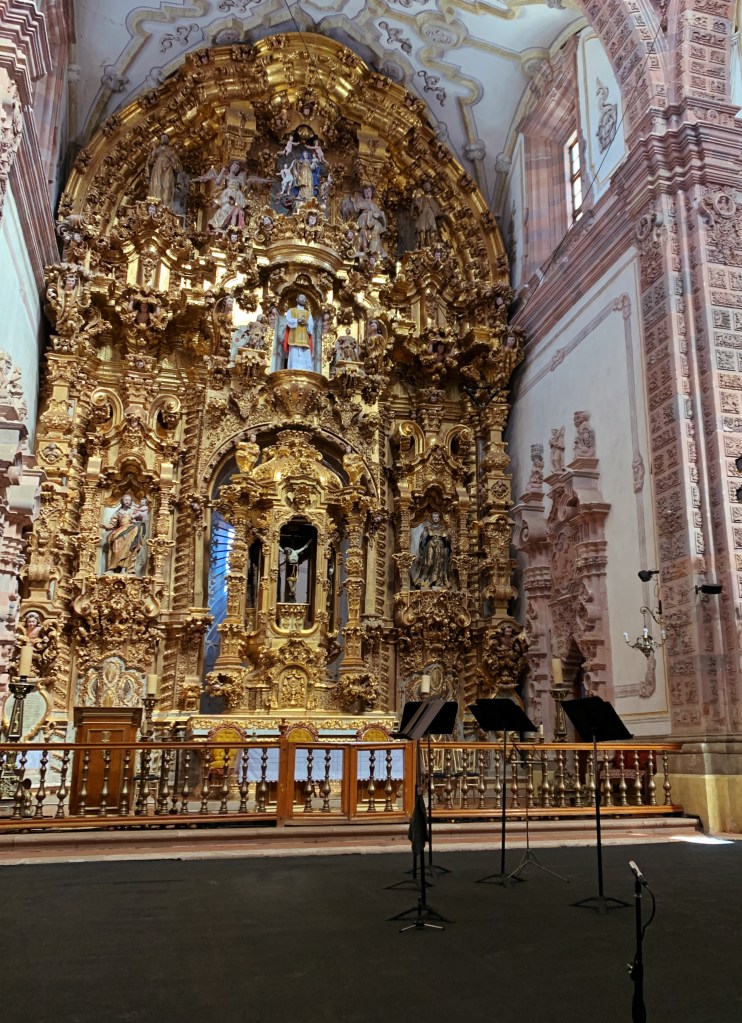
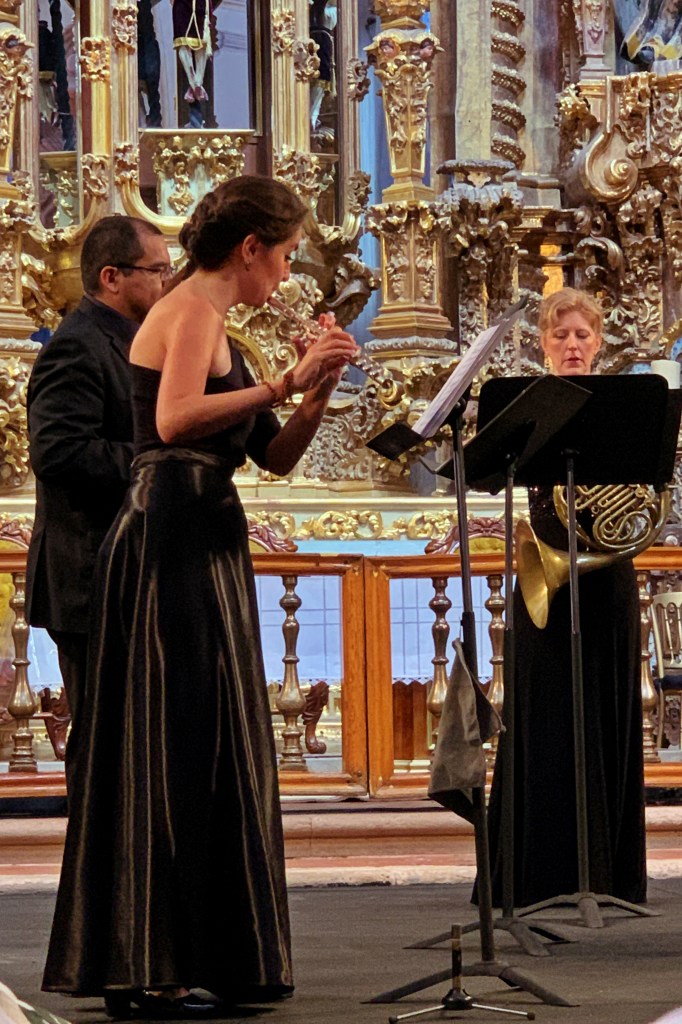
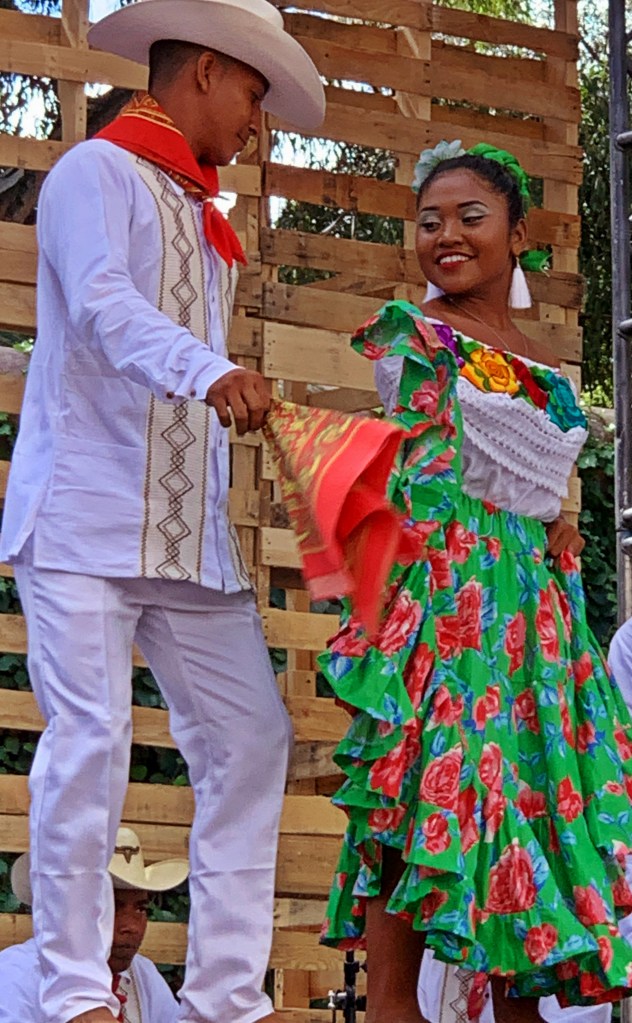
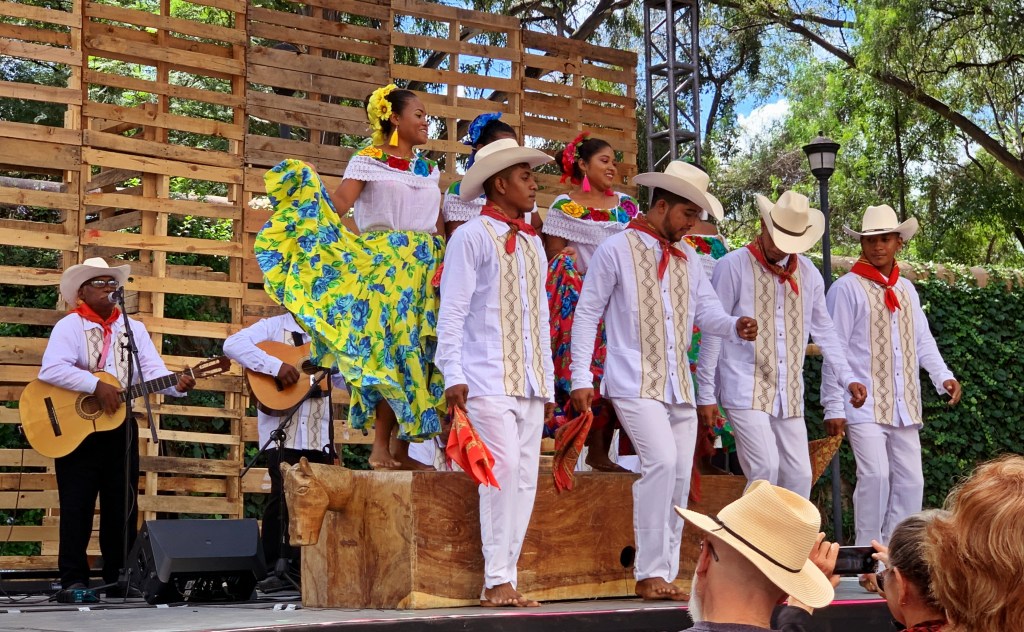
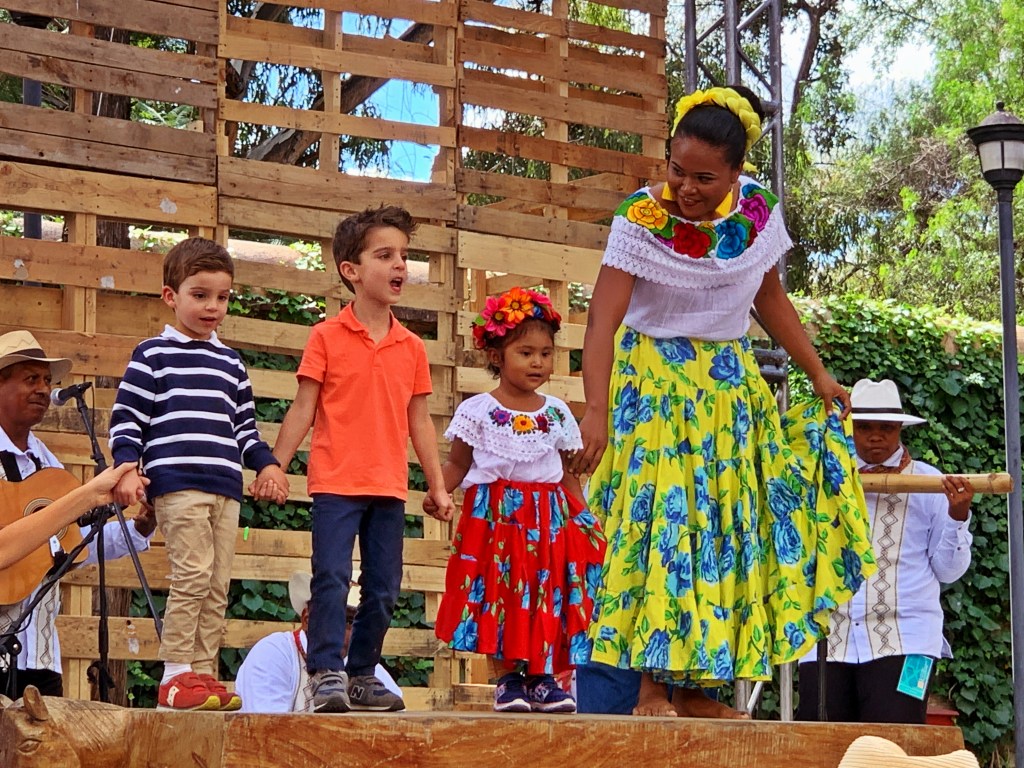
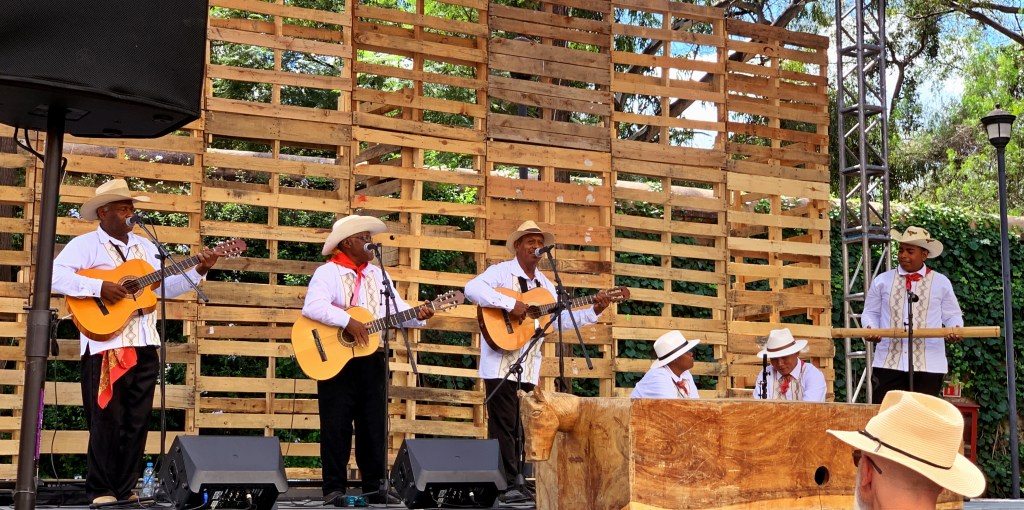
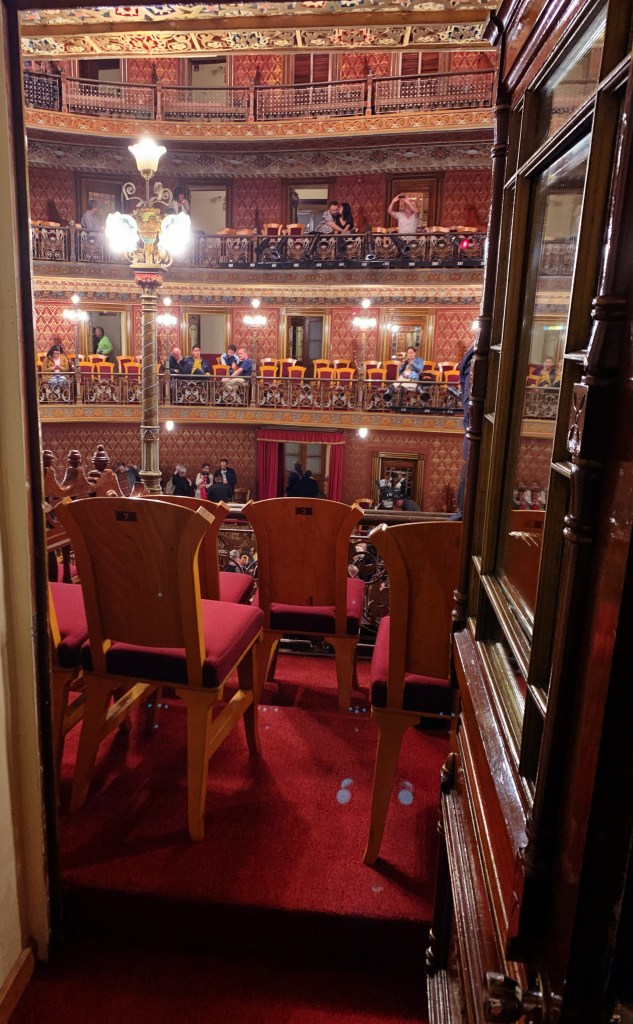
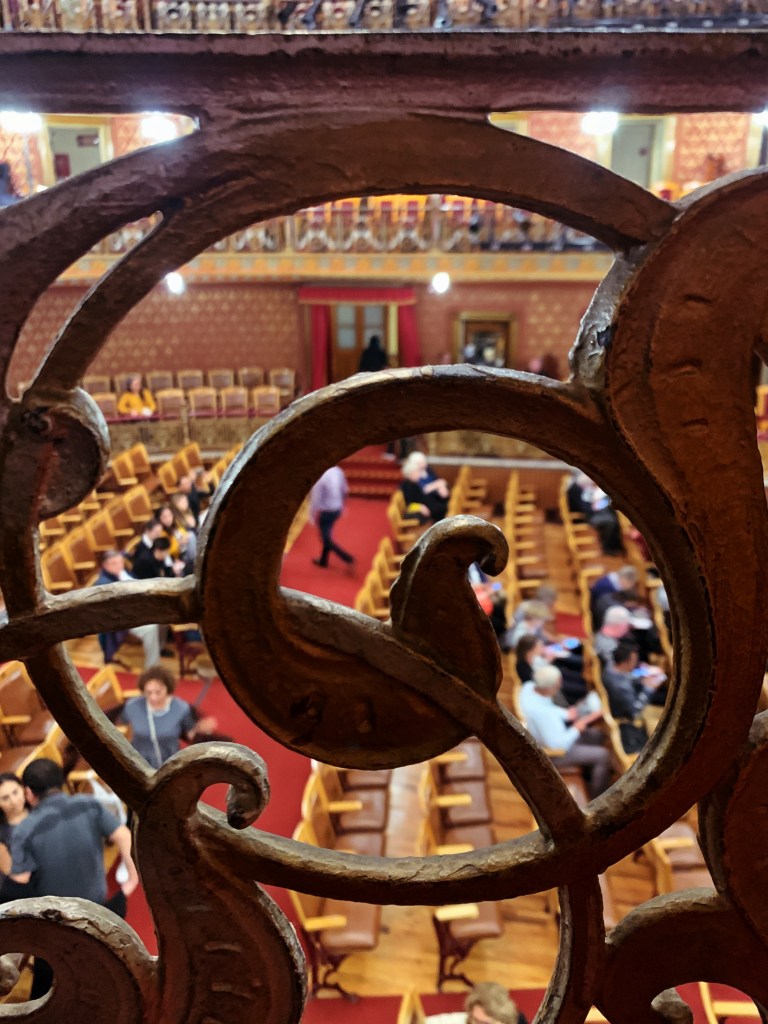
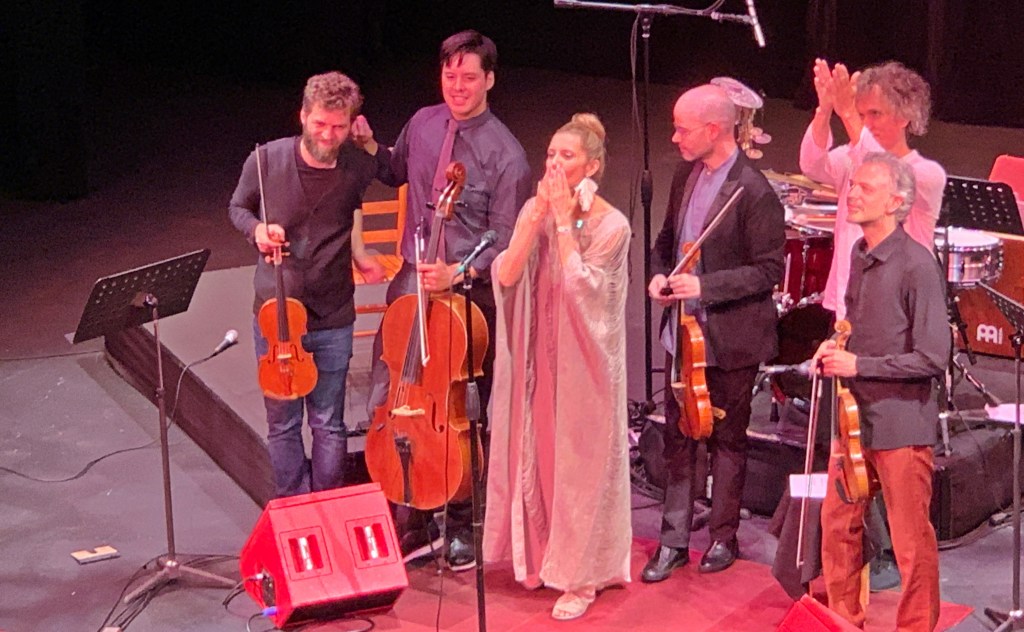
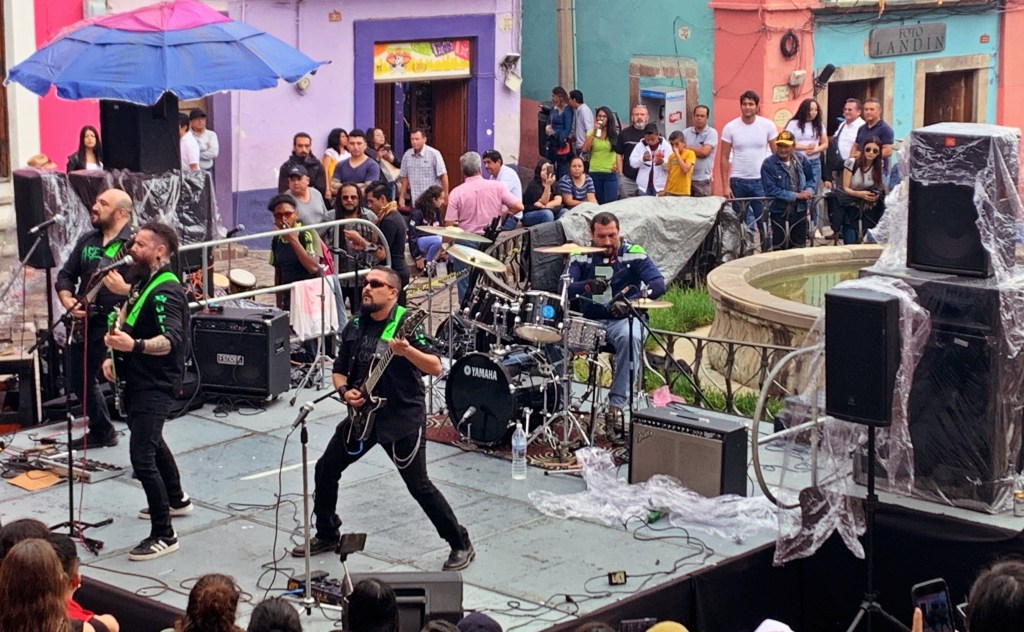
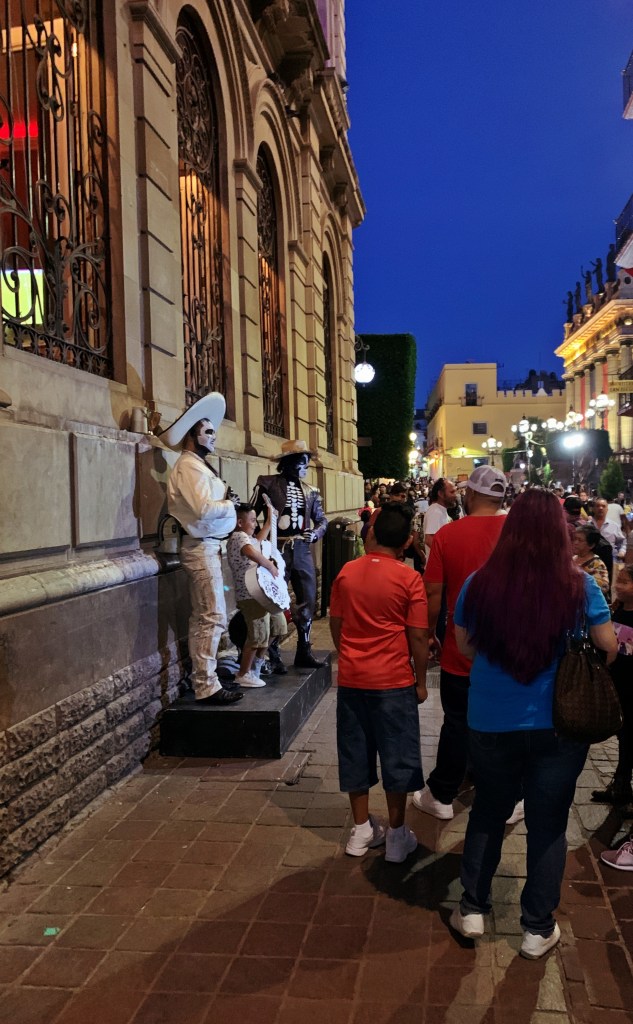
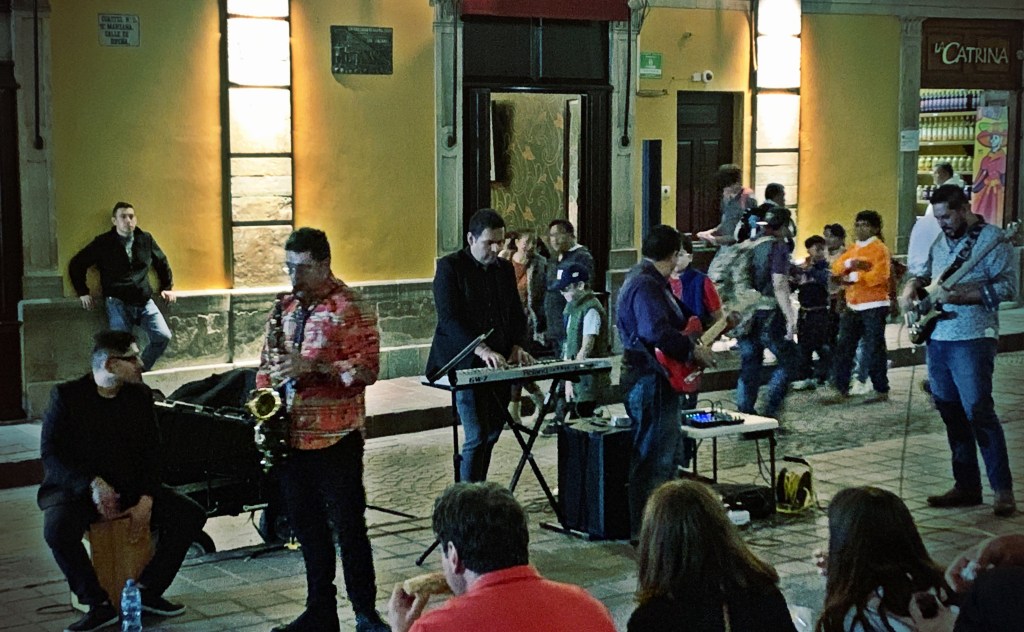
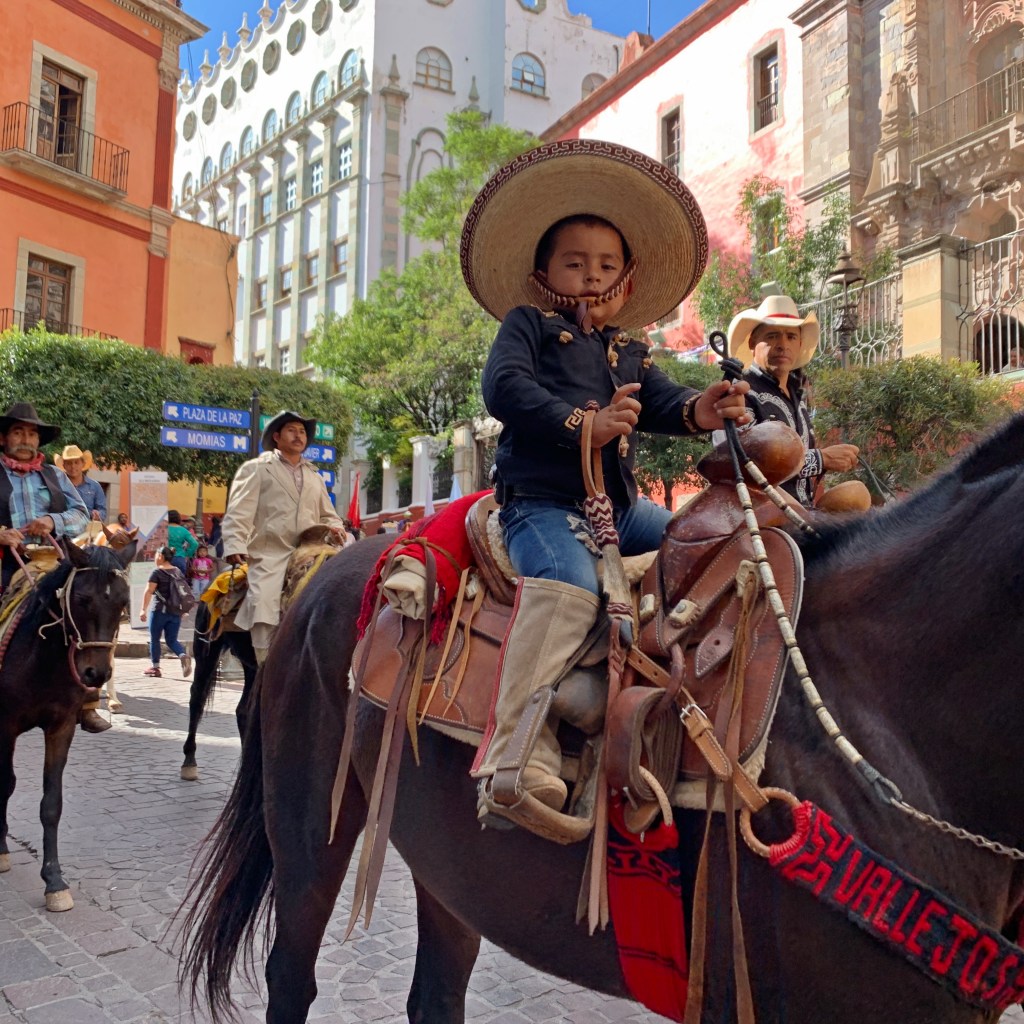
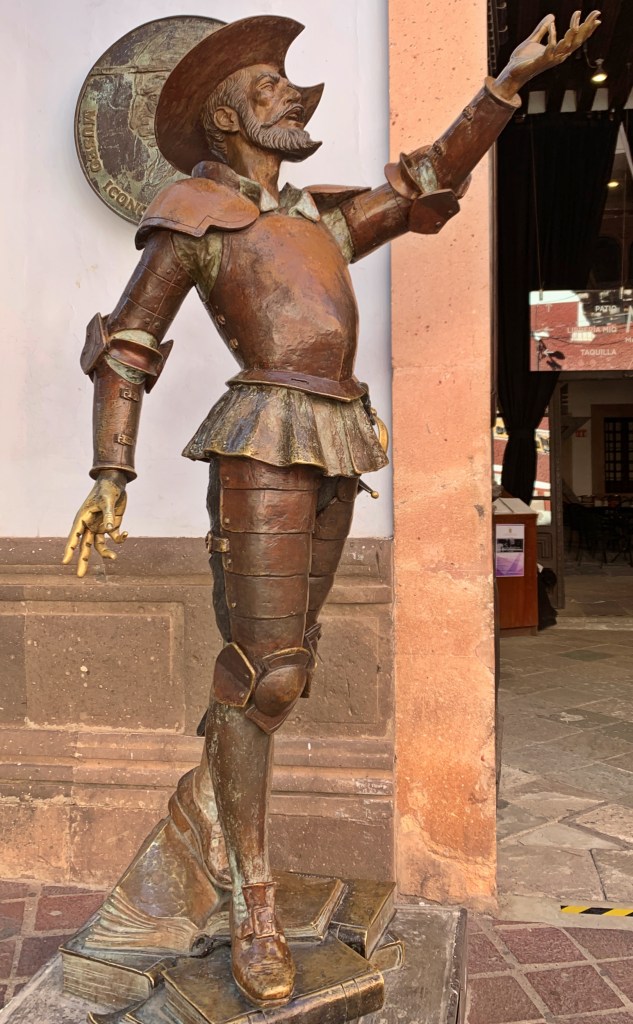
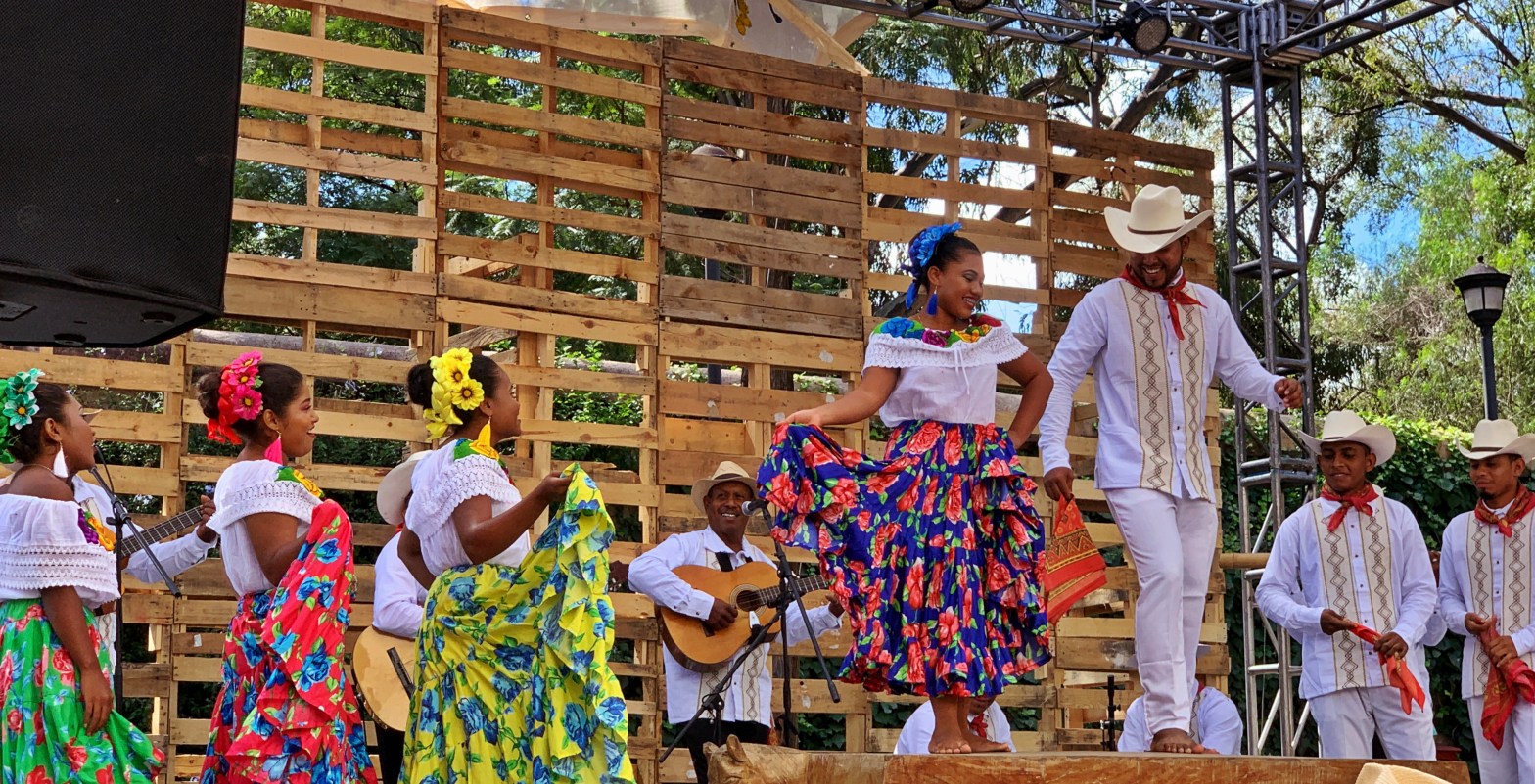
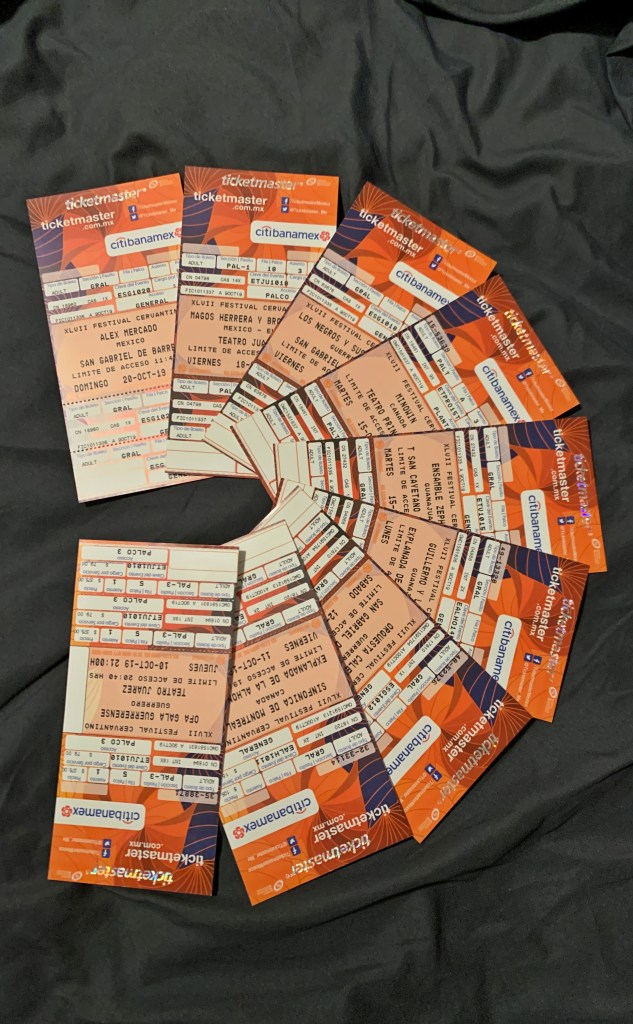
A key reason for coming to Guanajuato during October was to enjoy the Cervantino Festival, which began in 1972 as a University of Guanajuato sponsored student event around the works of Cervantes. Now it is a world class event with a celebrated country – this year it is Canada – and state – this year it is Guerrero. It is three weeks long and included movies, classes, music, dance, theatre and many free events.
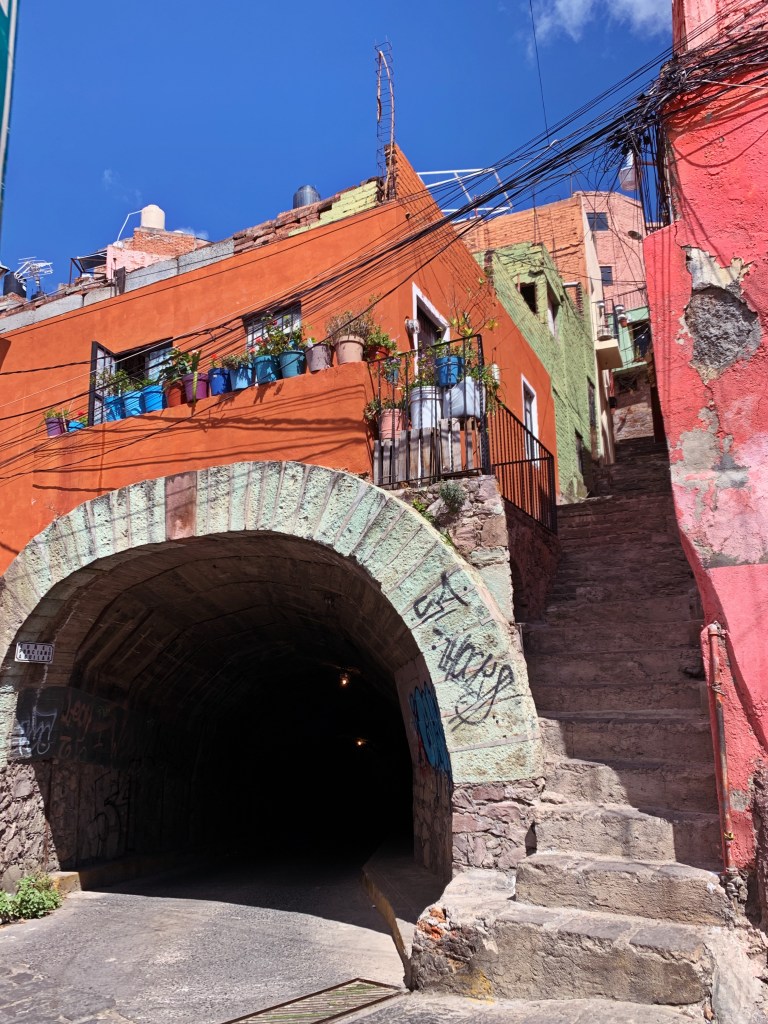
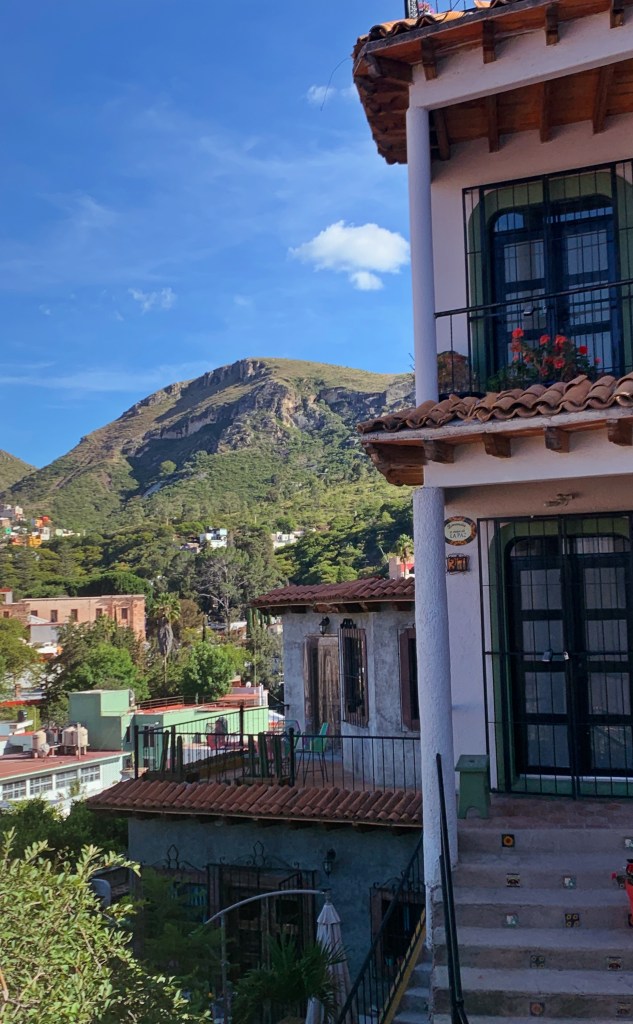
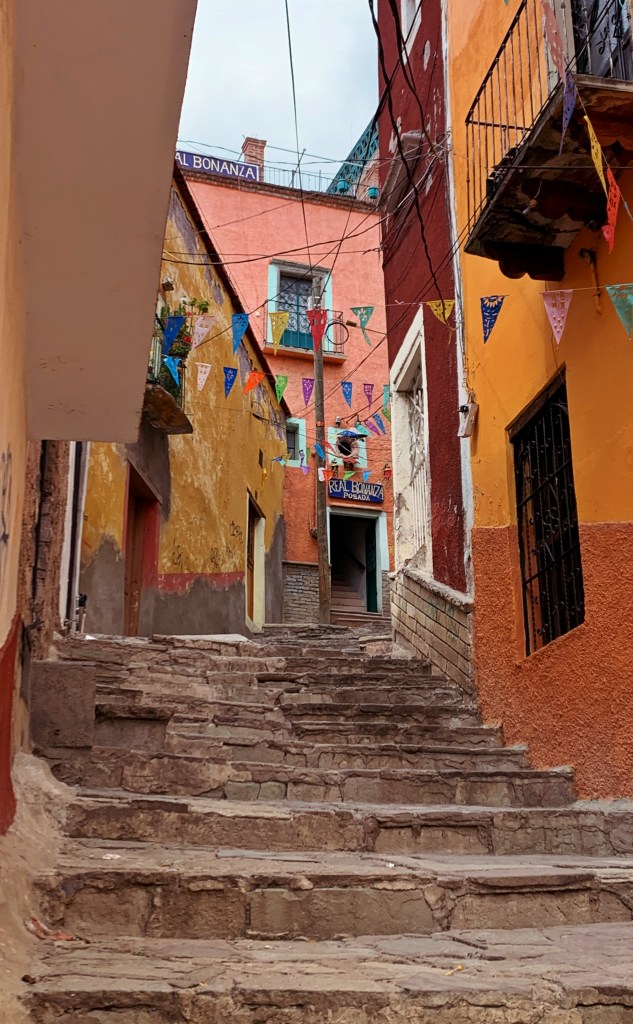
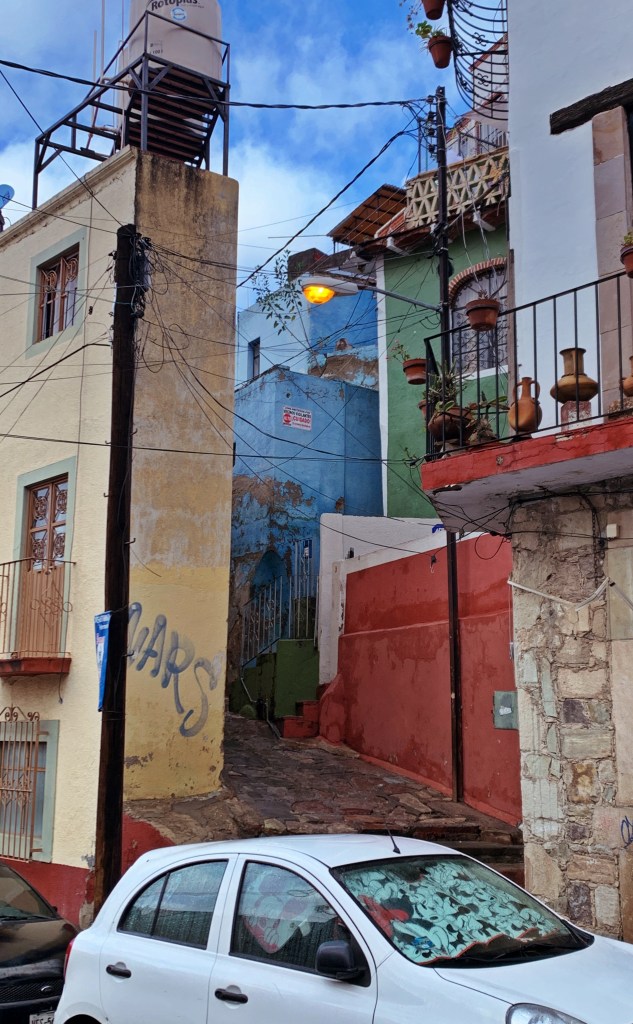
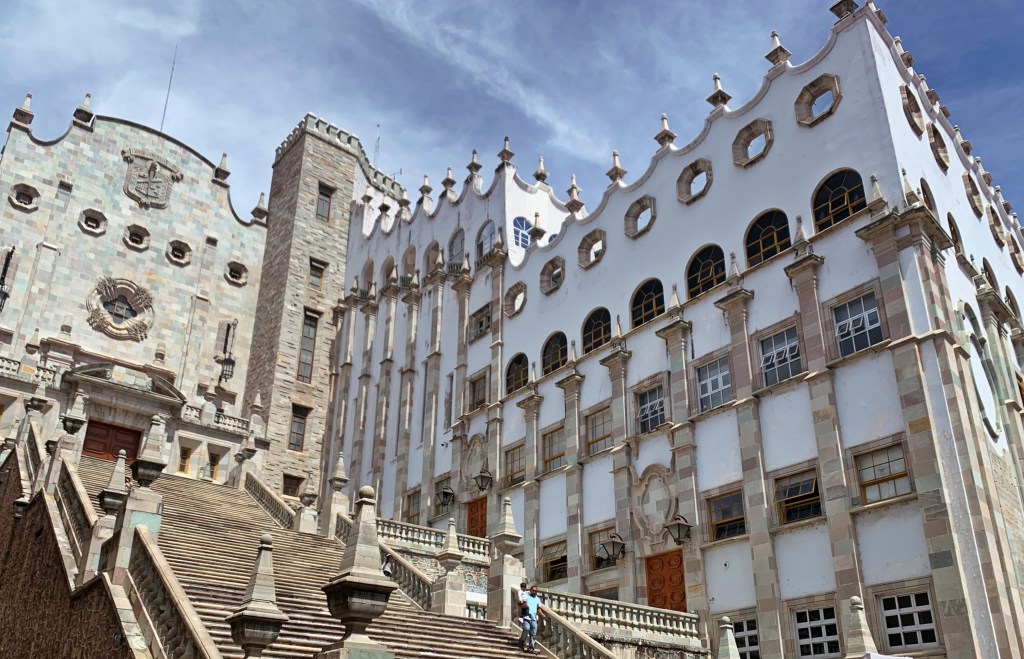
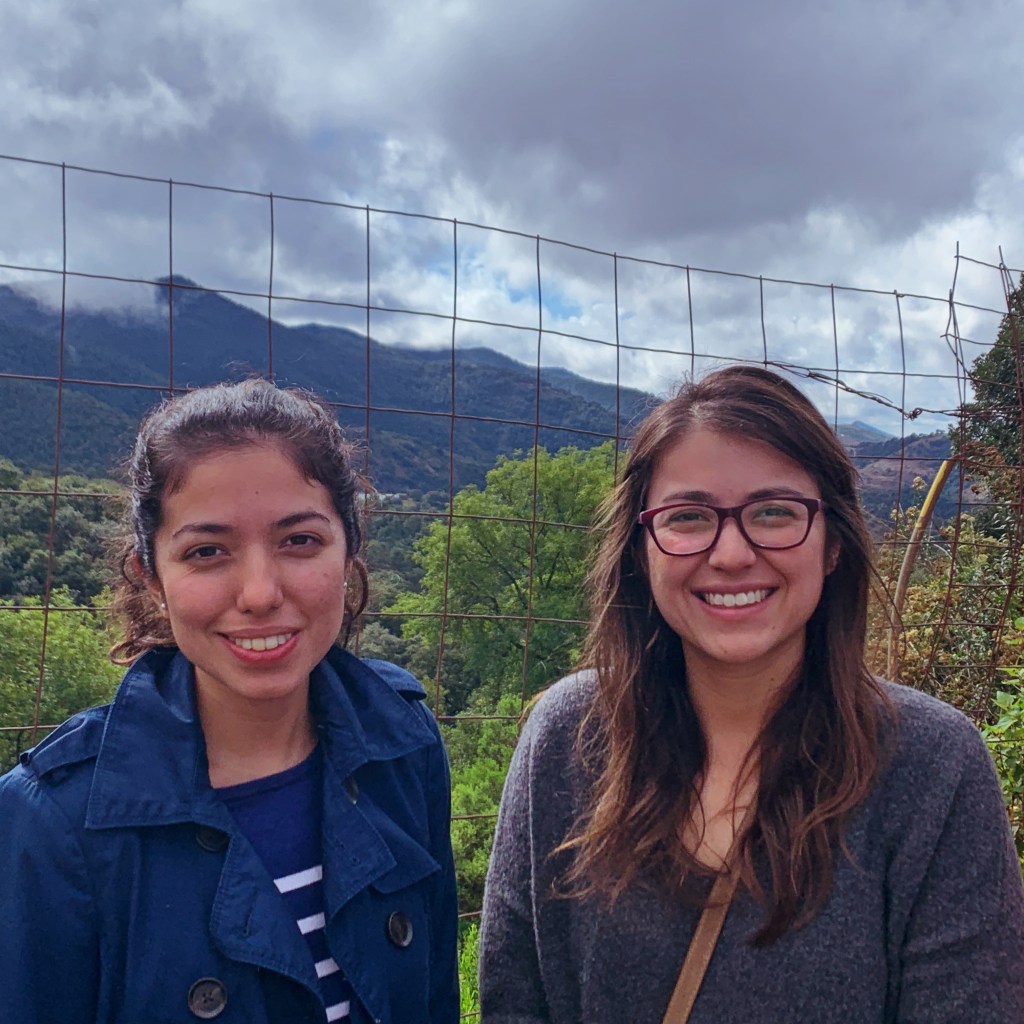
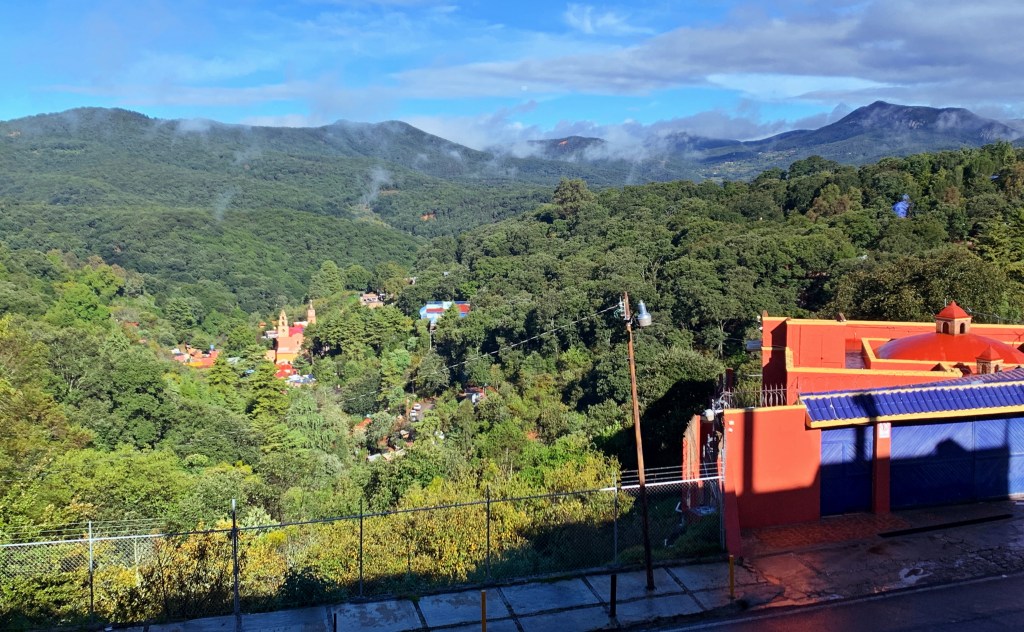
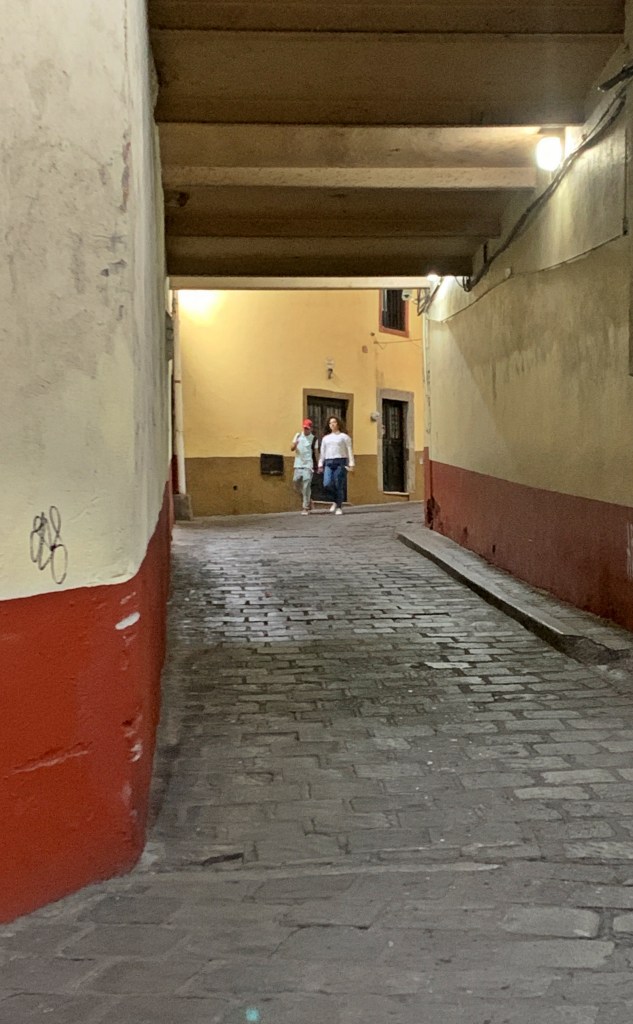
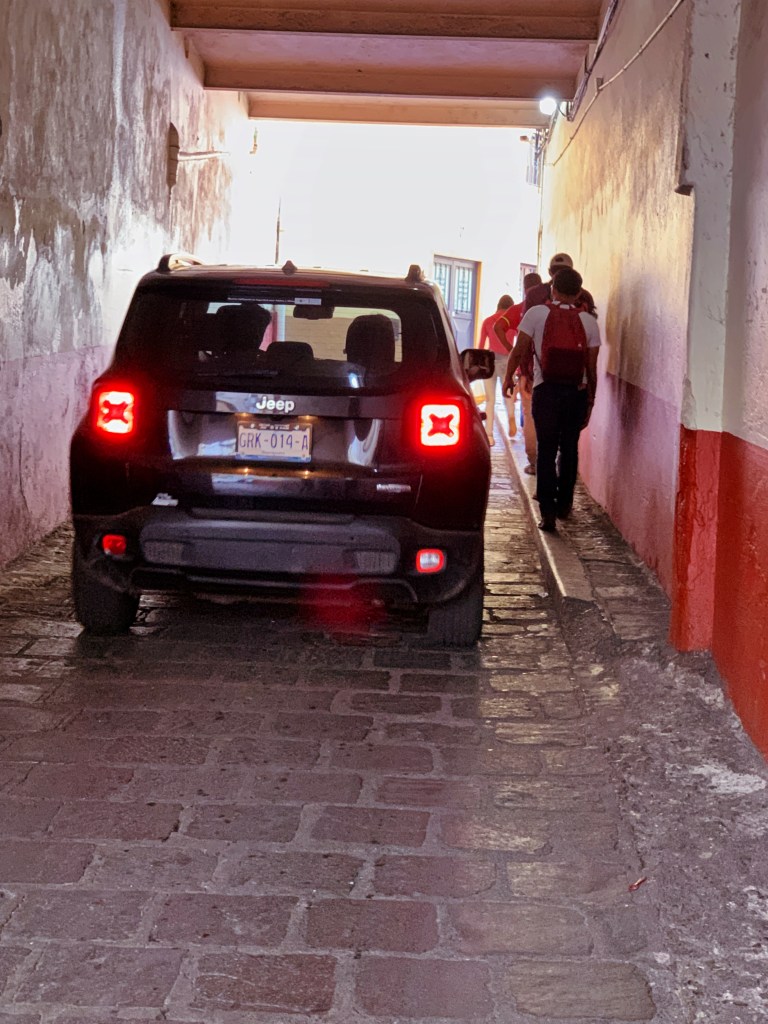
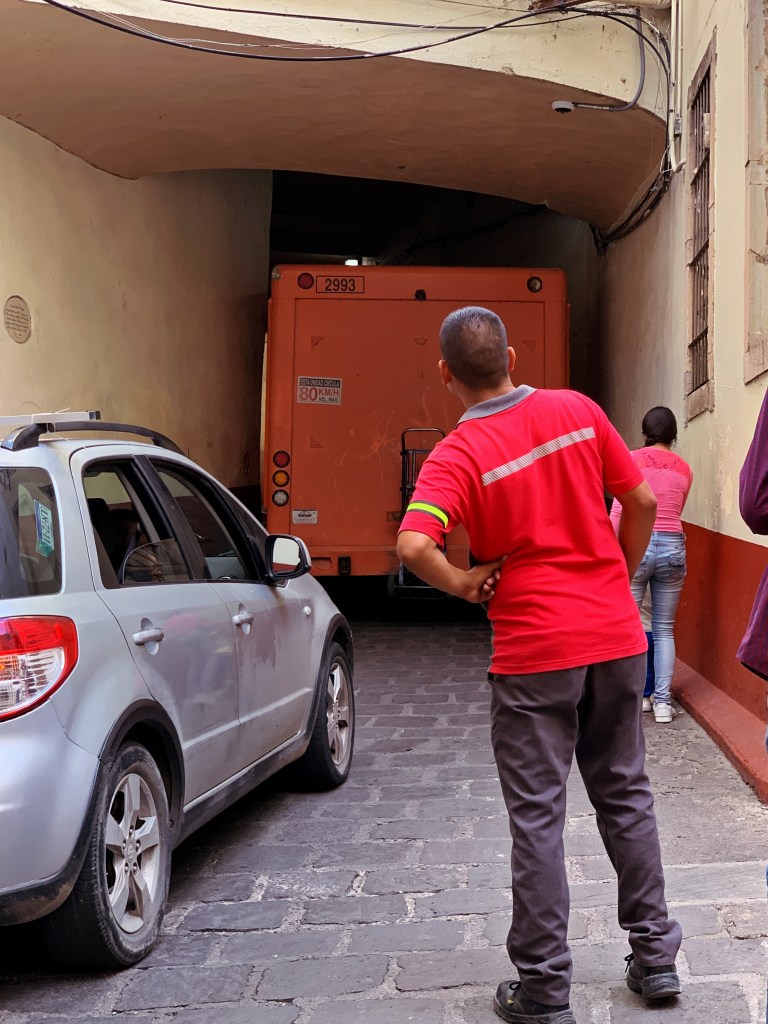
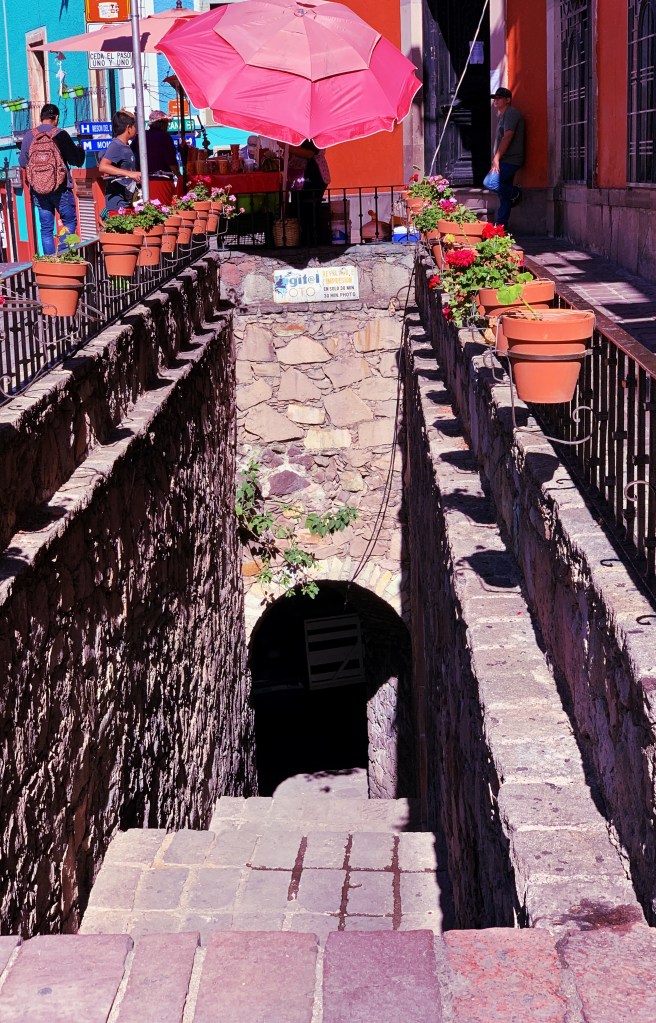
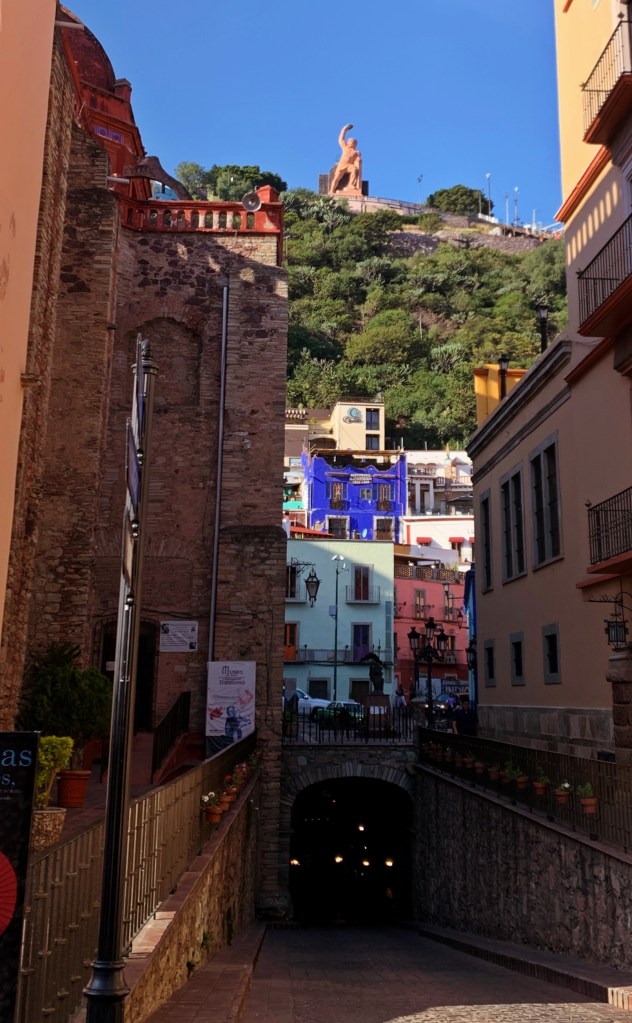
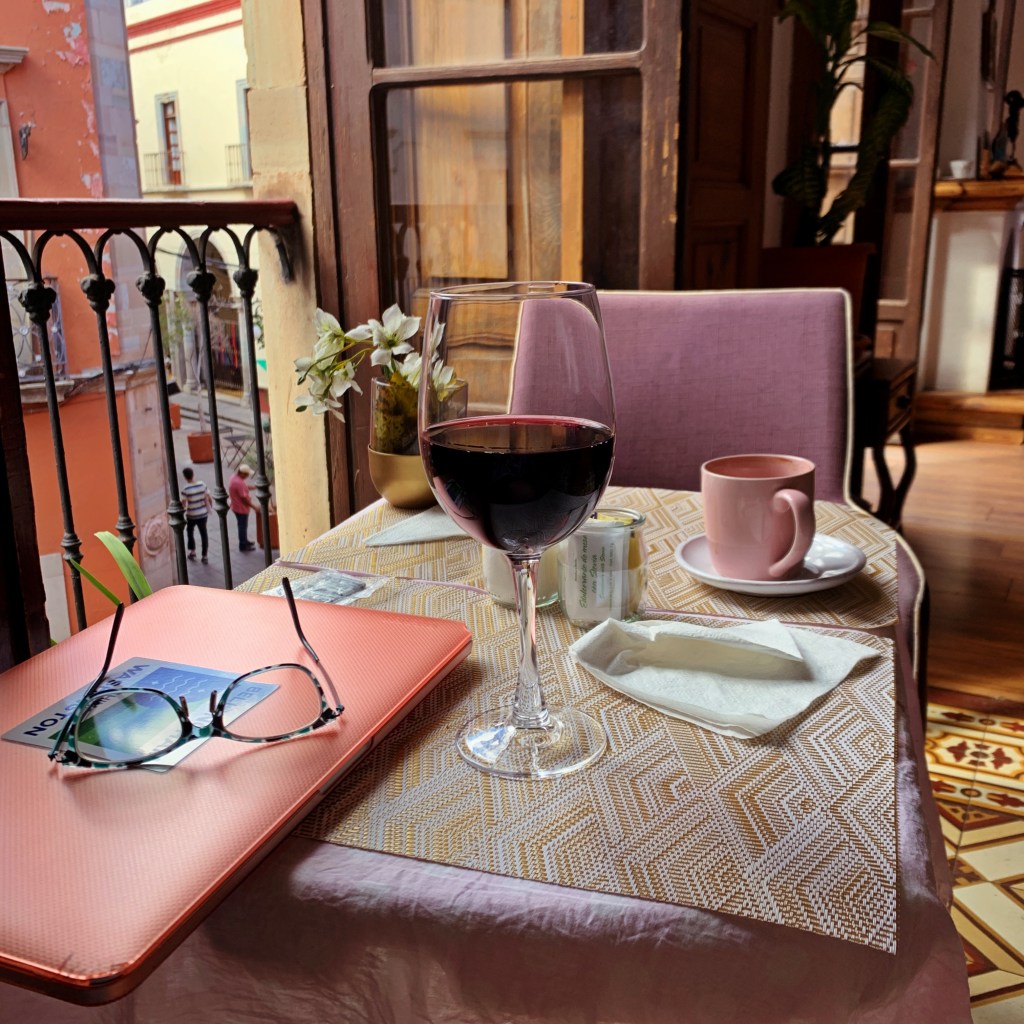
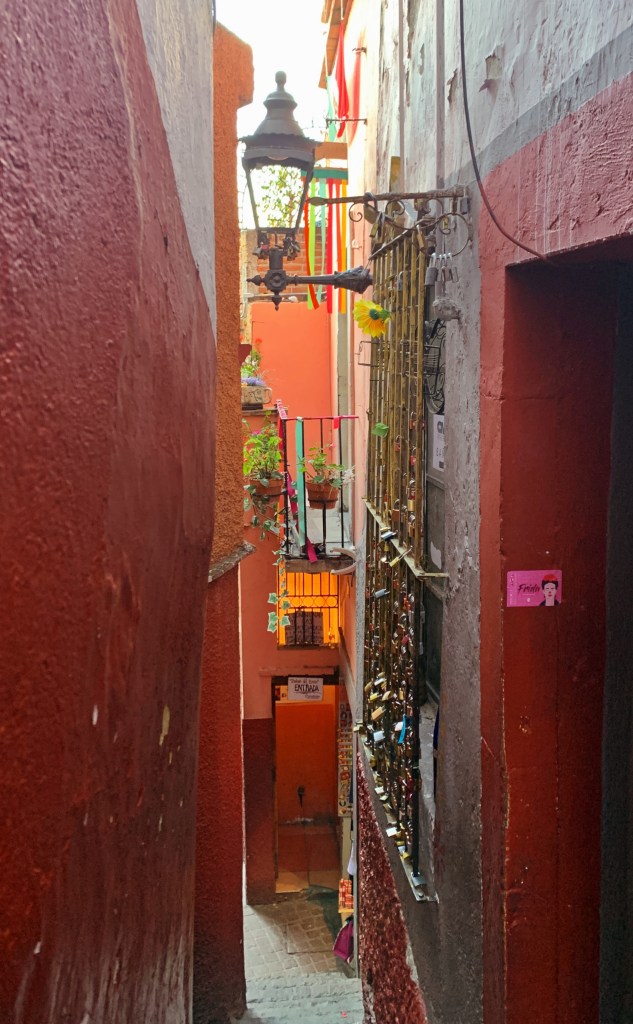
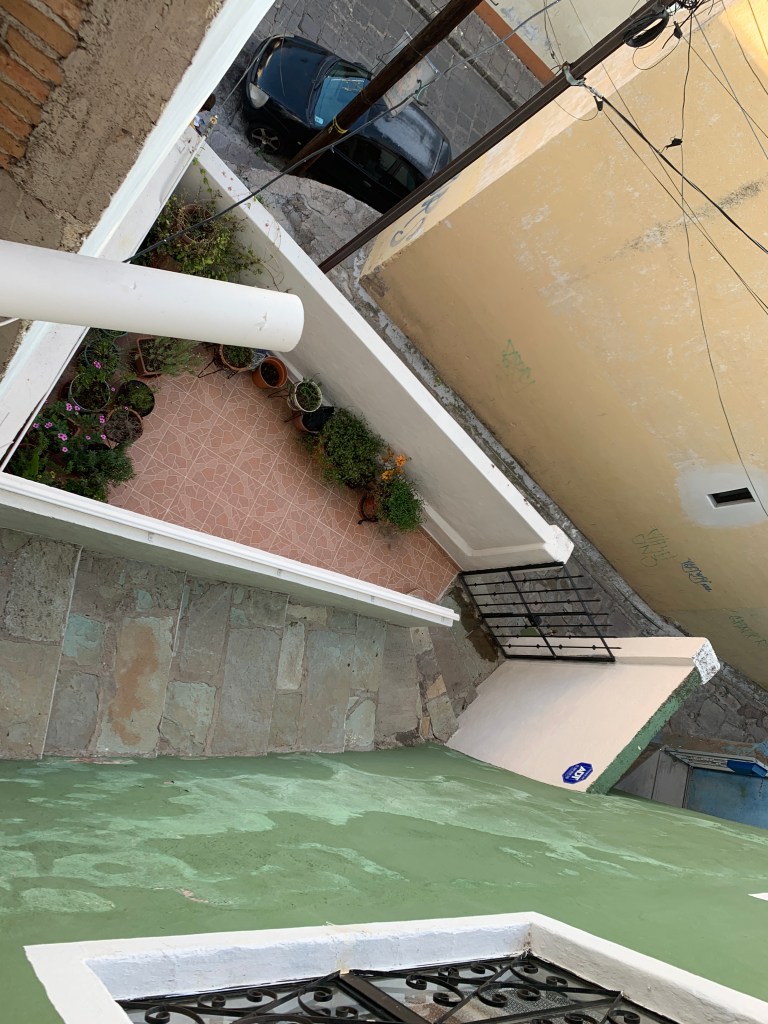
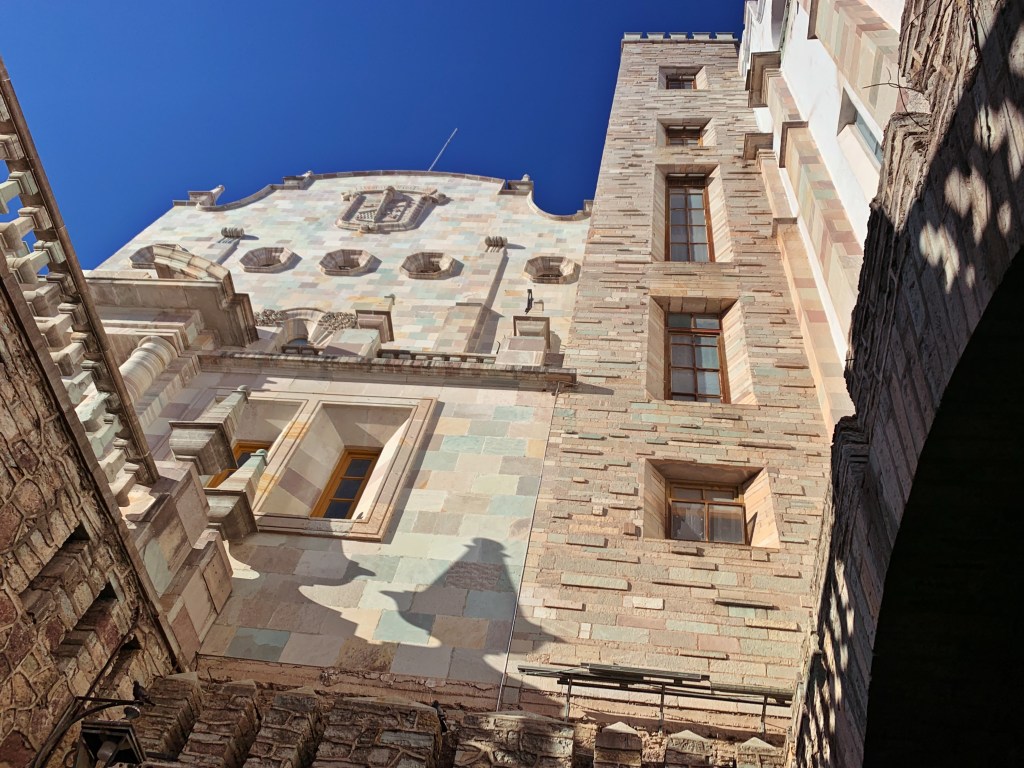
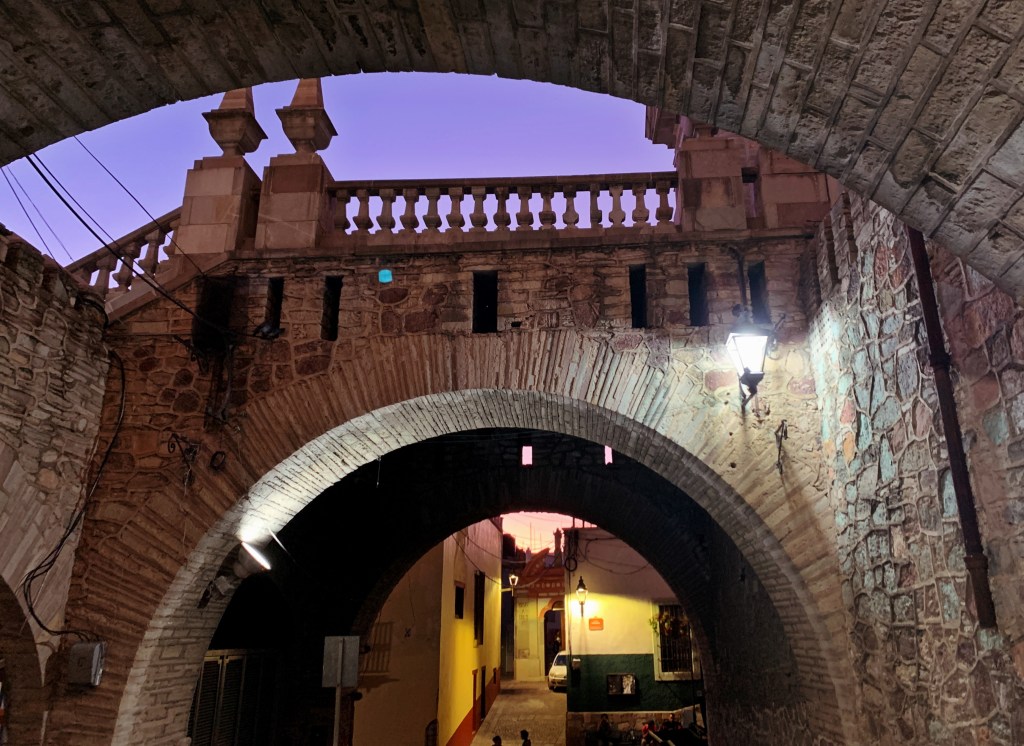
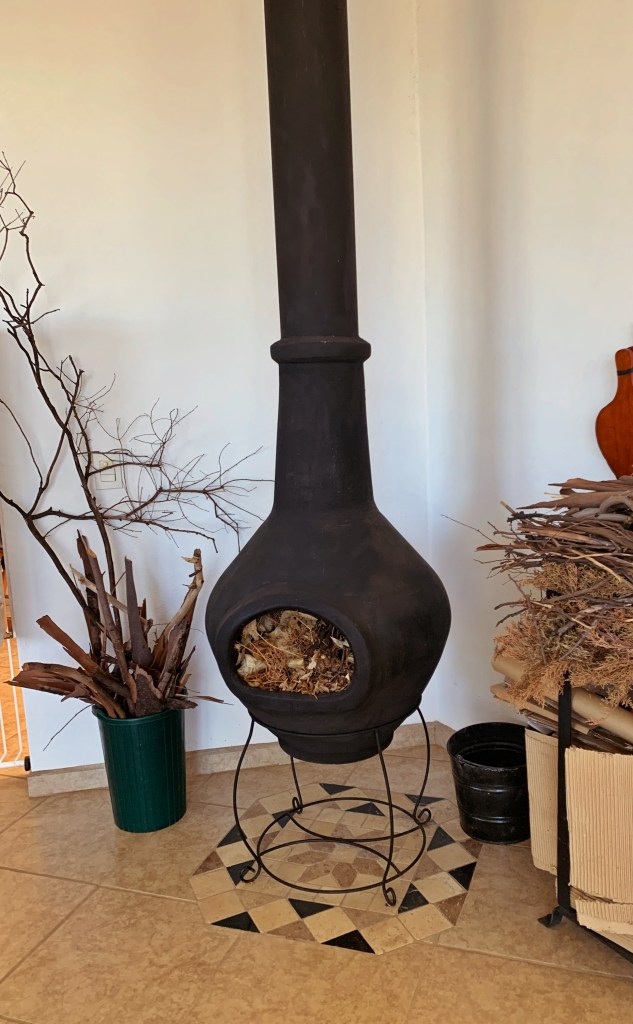
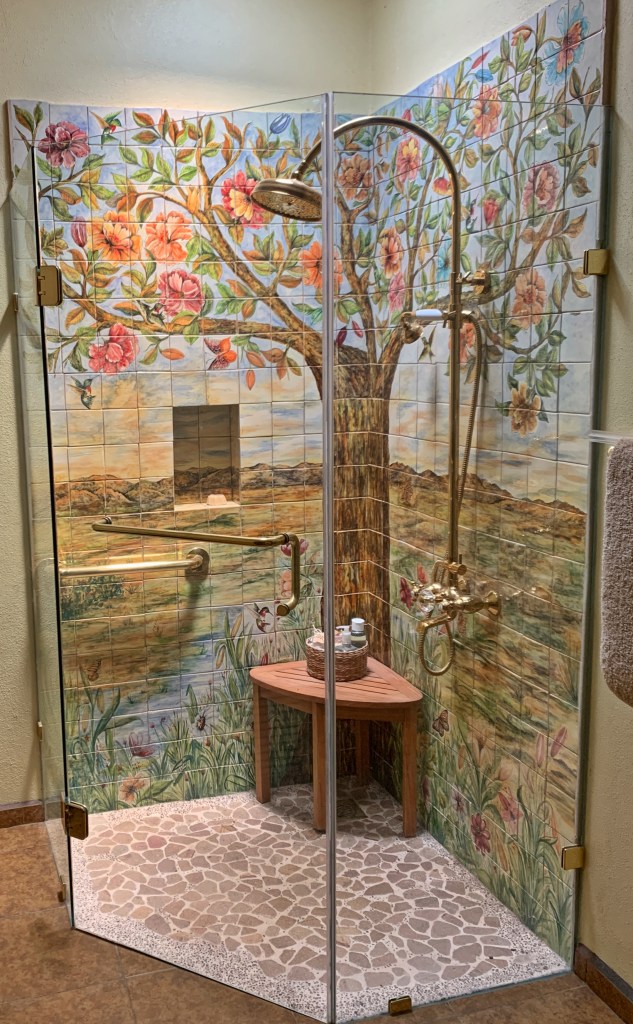
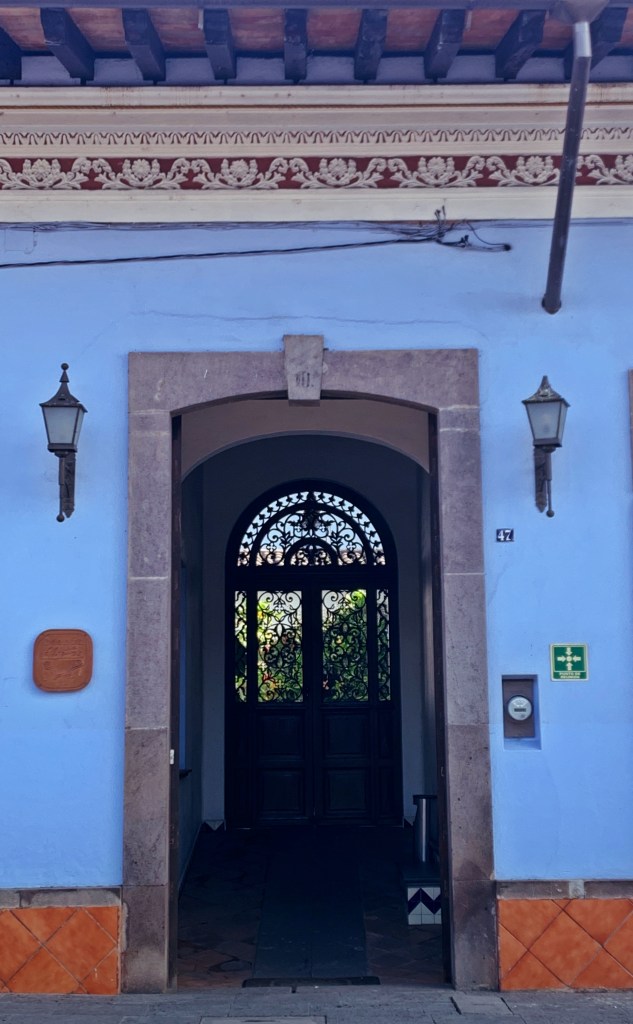
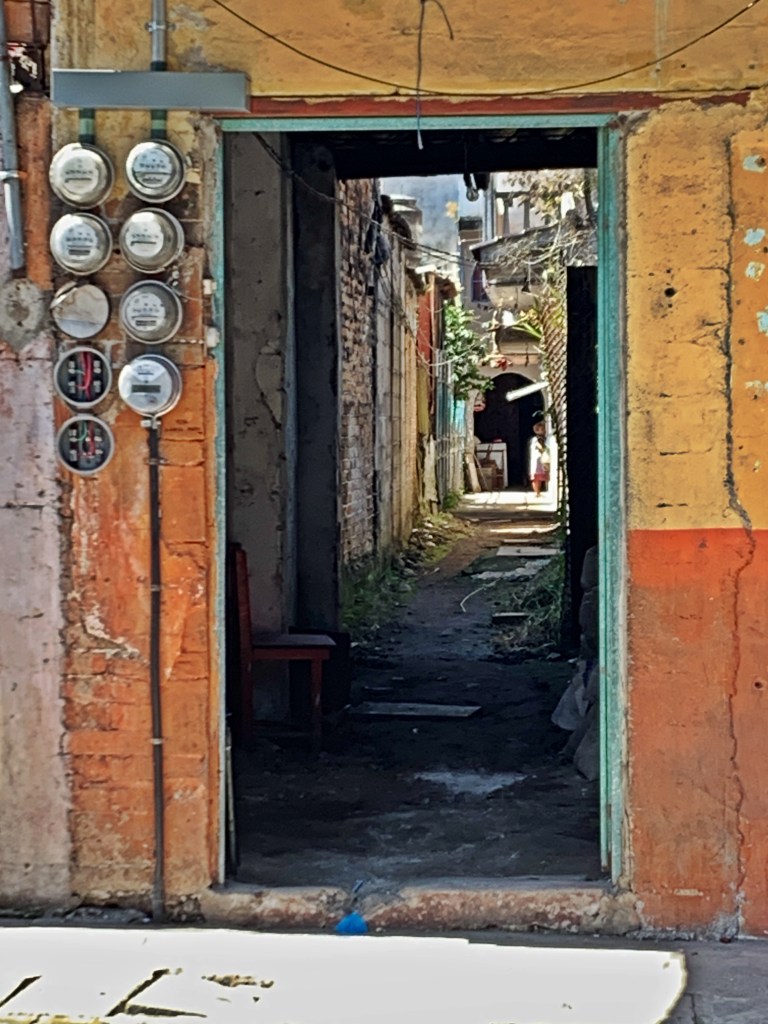
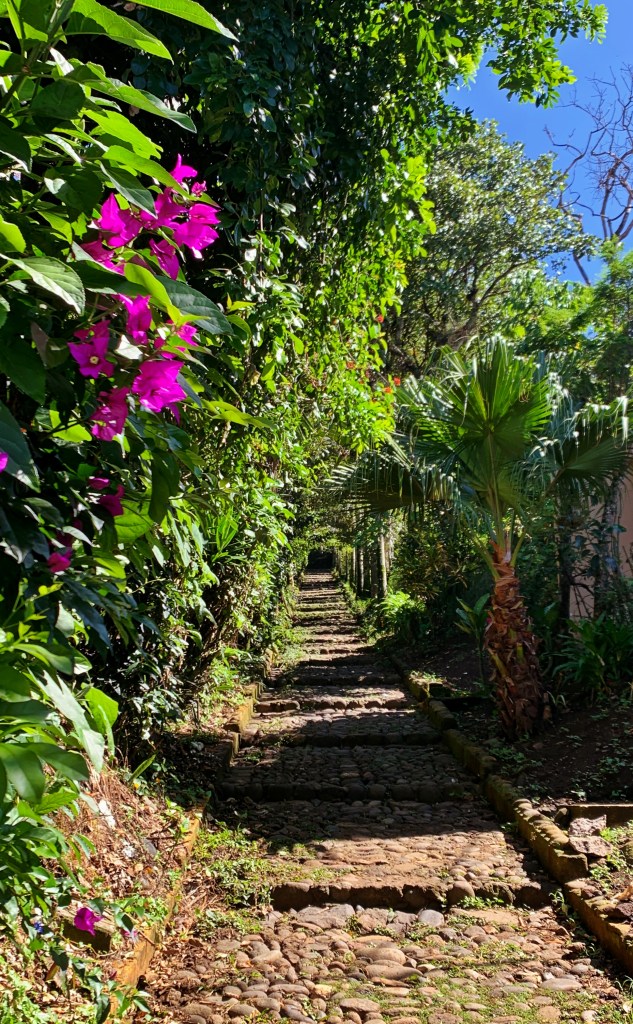
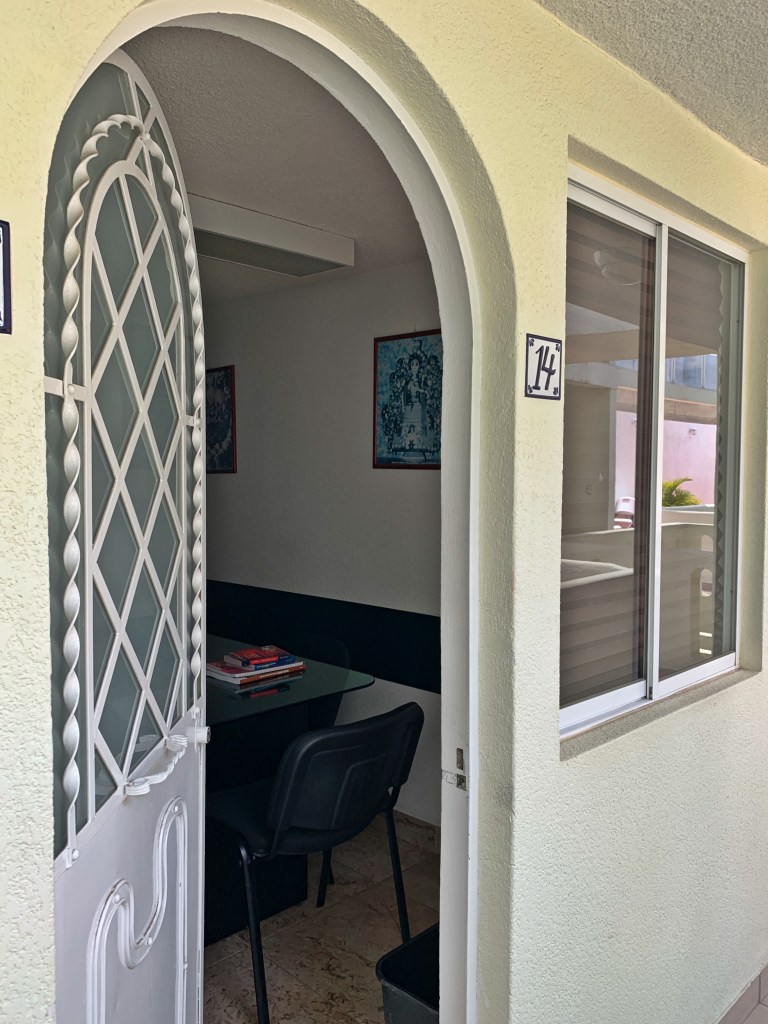
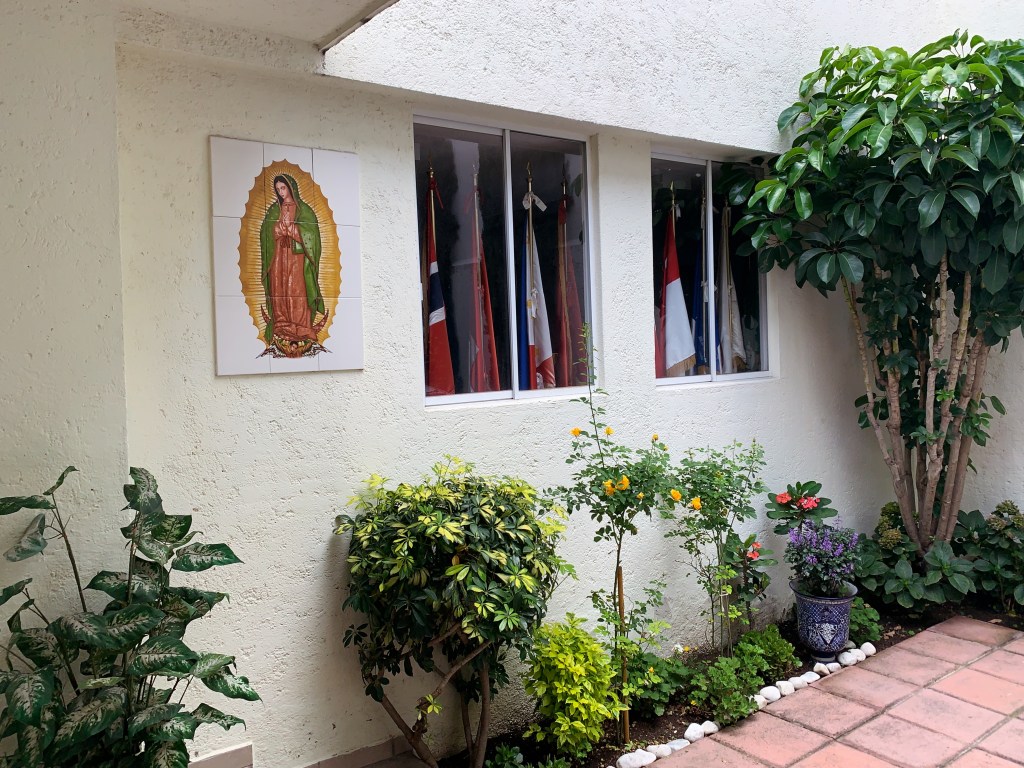
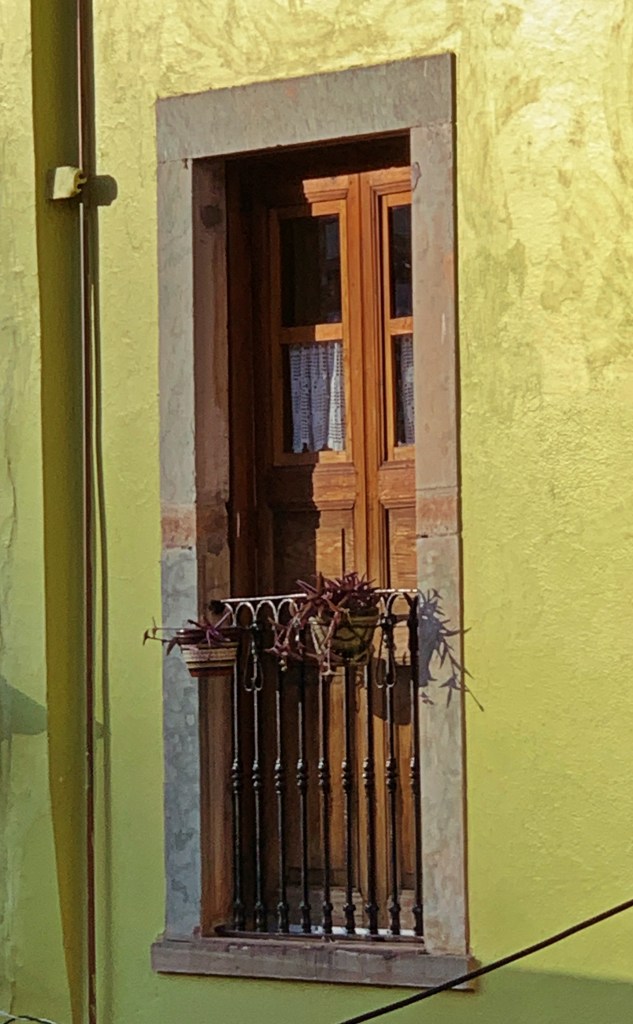
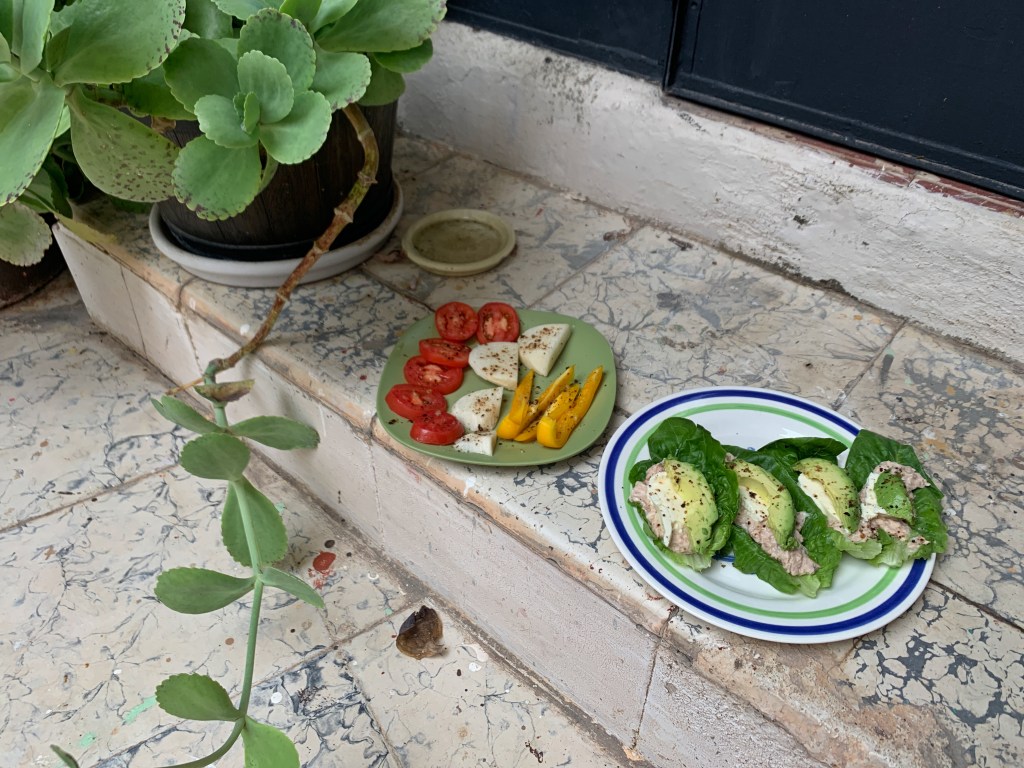
A follow up on my Air BnB home – this one is different. I have my own bedroom and in a separate room is my bathroom. I share the kitchen, and it is a lovely one! It has three levels of balconies that have the best views! I live just behind the University of Guanajuato and have about a four minute steep climb up from there. I have an interesting set of tunnels that I go through and below I highlight one of them. The home is run by four delightful sisters. Two of them took me to breakfast this morning a little bit out of town – it was lovely to talk with them and their goals for this home.
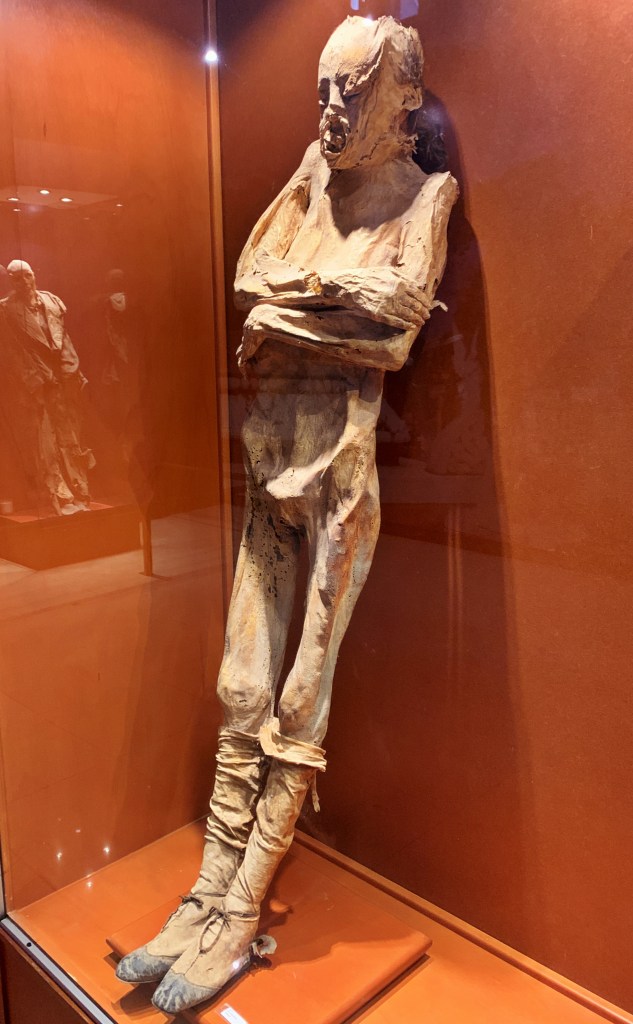
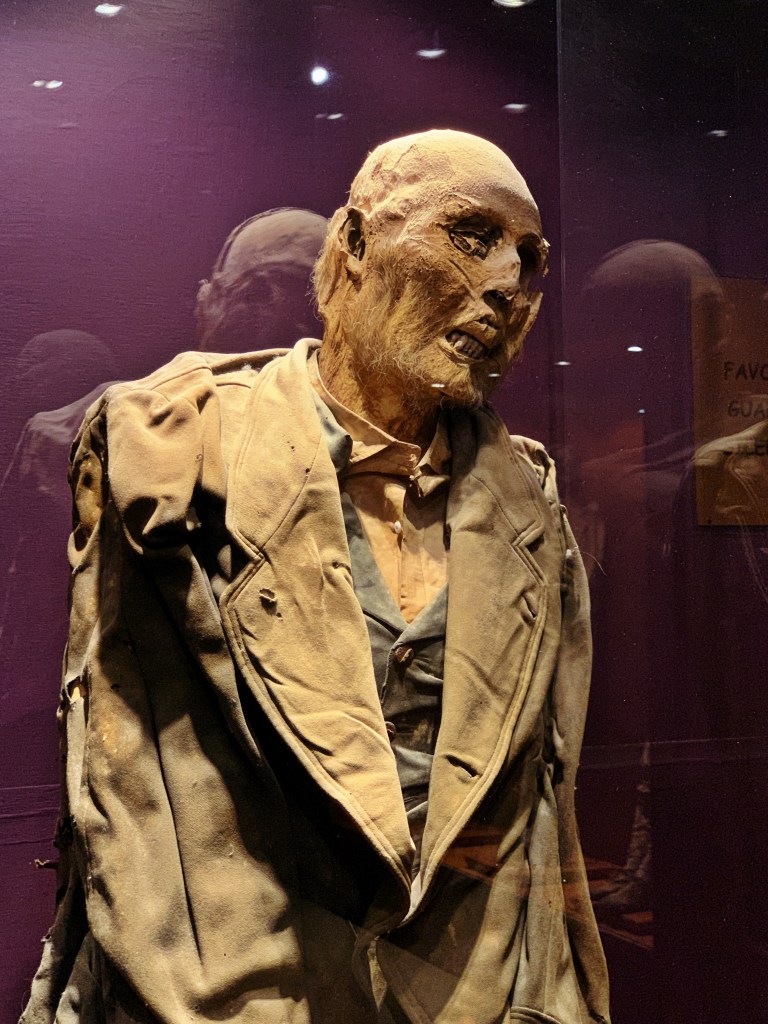
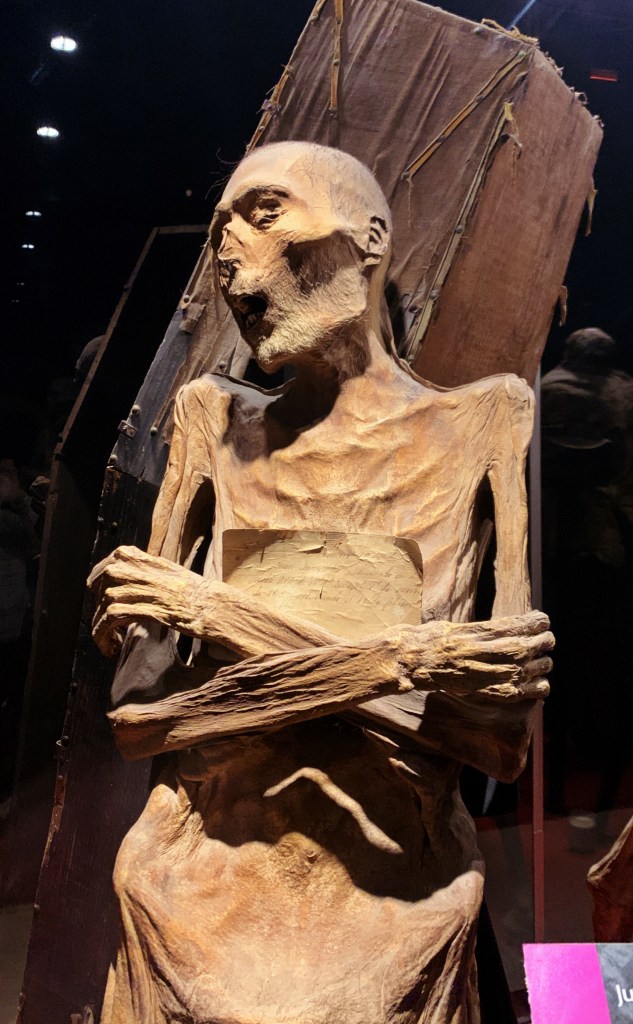
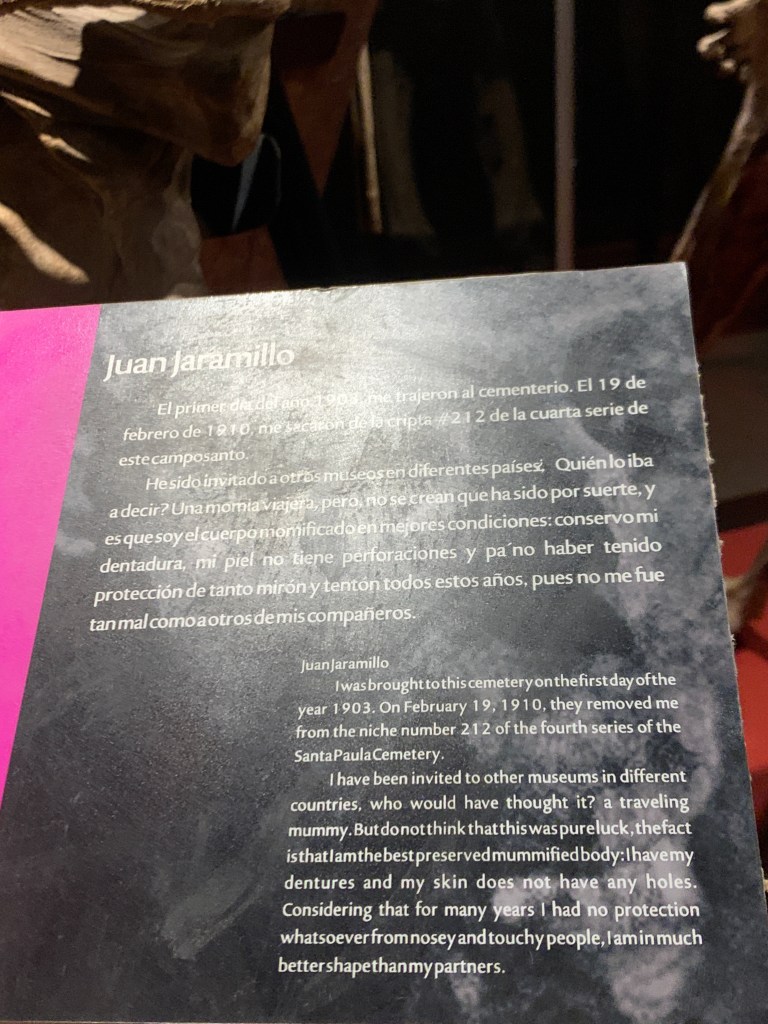
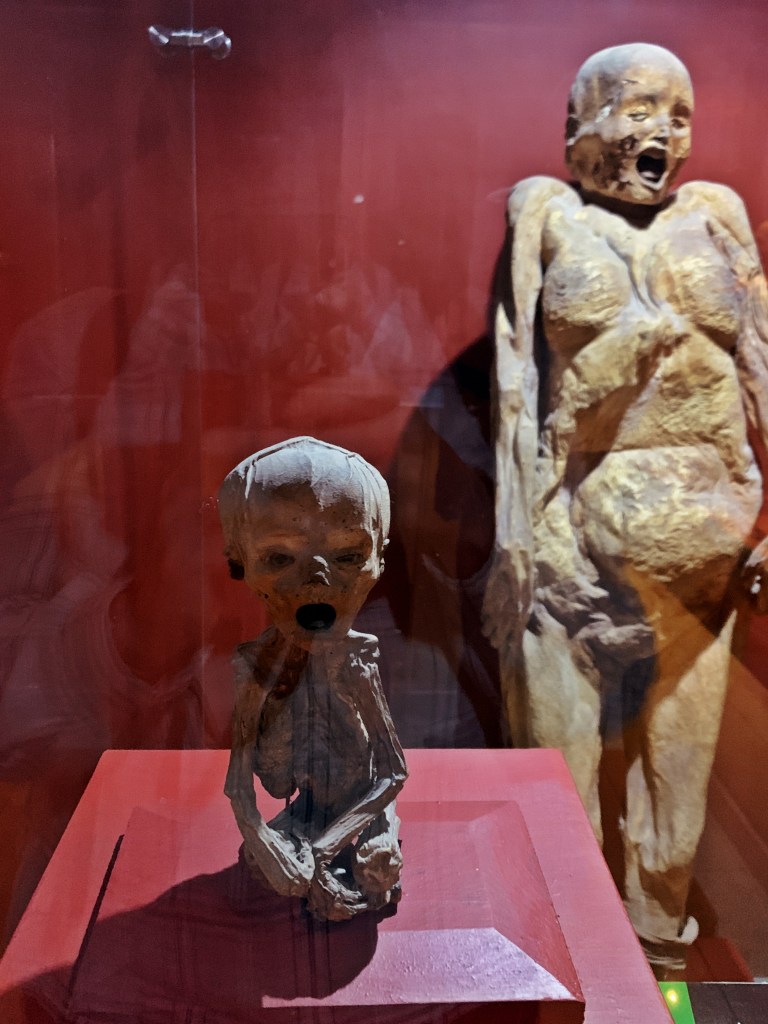
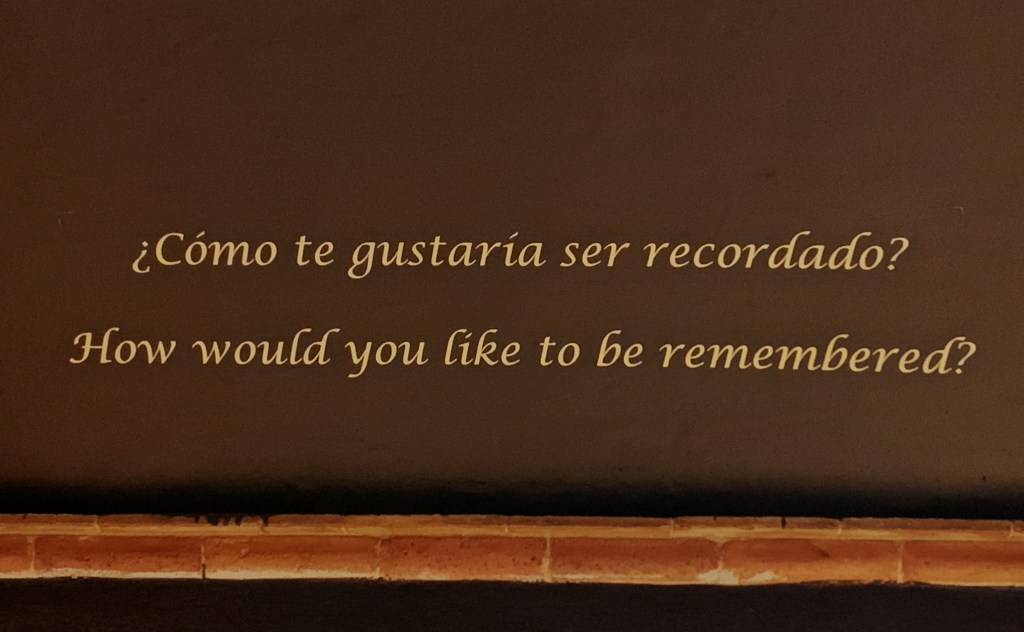
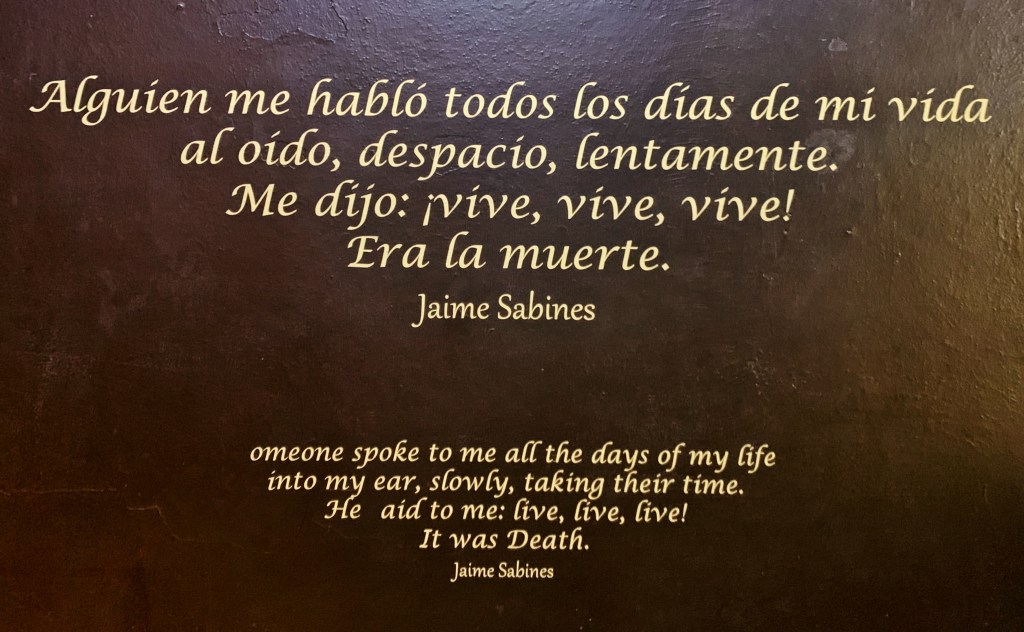
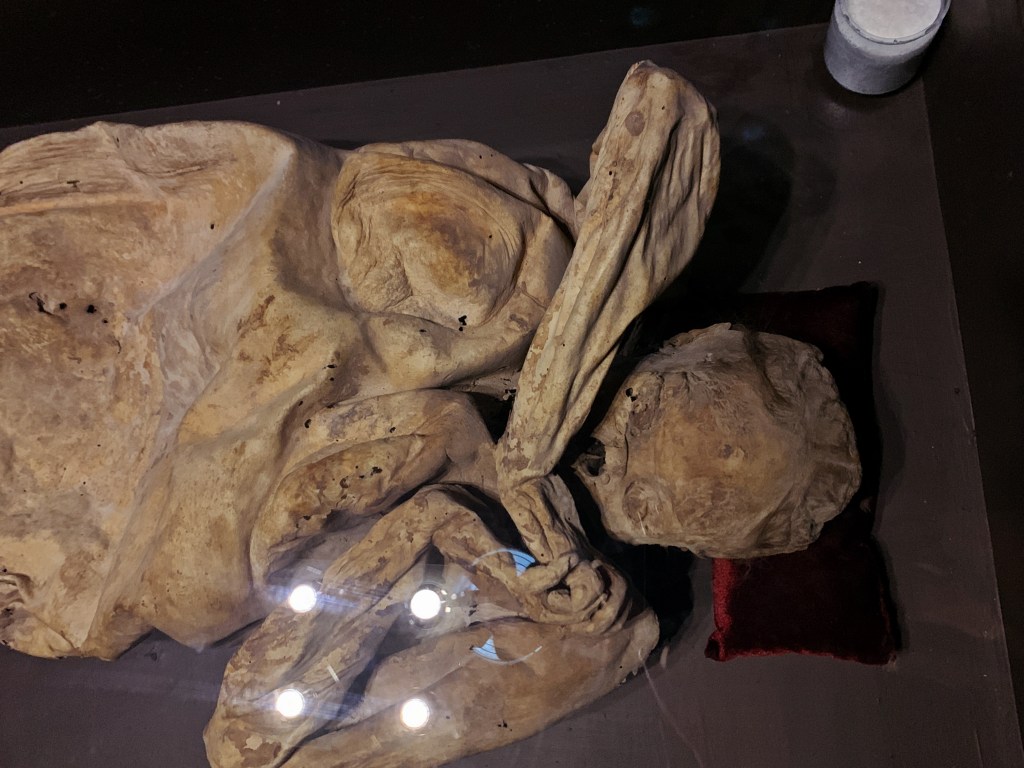
It took me a while to go to the Mummy Museum, as I had mixed emotions and wanted to be open and respectful. As I travel through Mexico i am consistently impressed with the many ways they treat death. I see it in their depictions of the Calavera Catrina, in their rituals surrounding Dia de los Muertos, and now a Mummy Museum. As I began my wander through the museum there was a family of 15 people in front of me – ages 2 to about 70. I love how the younger ones grabbed an elder’s hand and they would huddle together trading questions and and answers. This museum makes visible some concepts that could be frightening. I imagine talking about them with family helps normalize the reality of death.
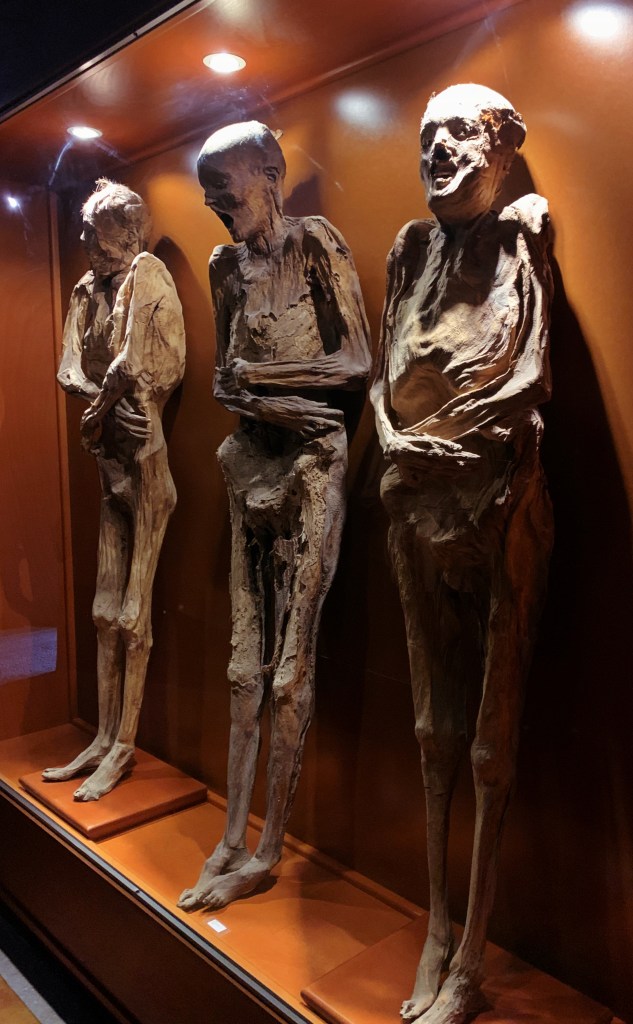
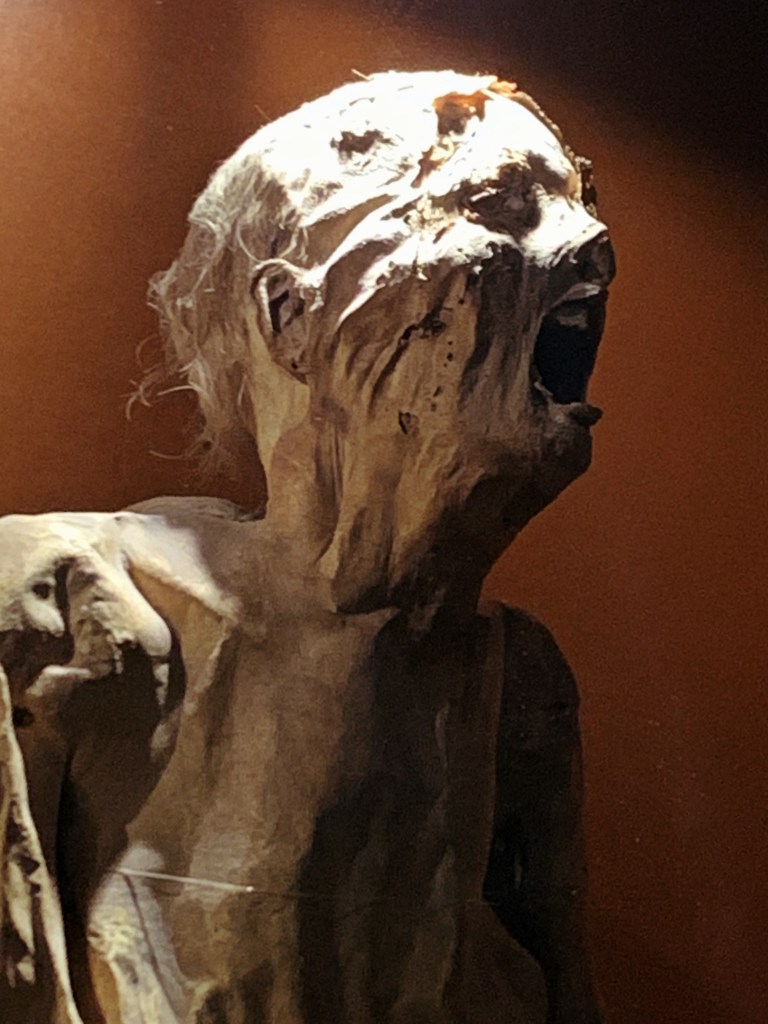
!Hola Guanajuato!

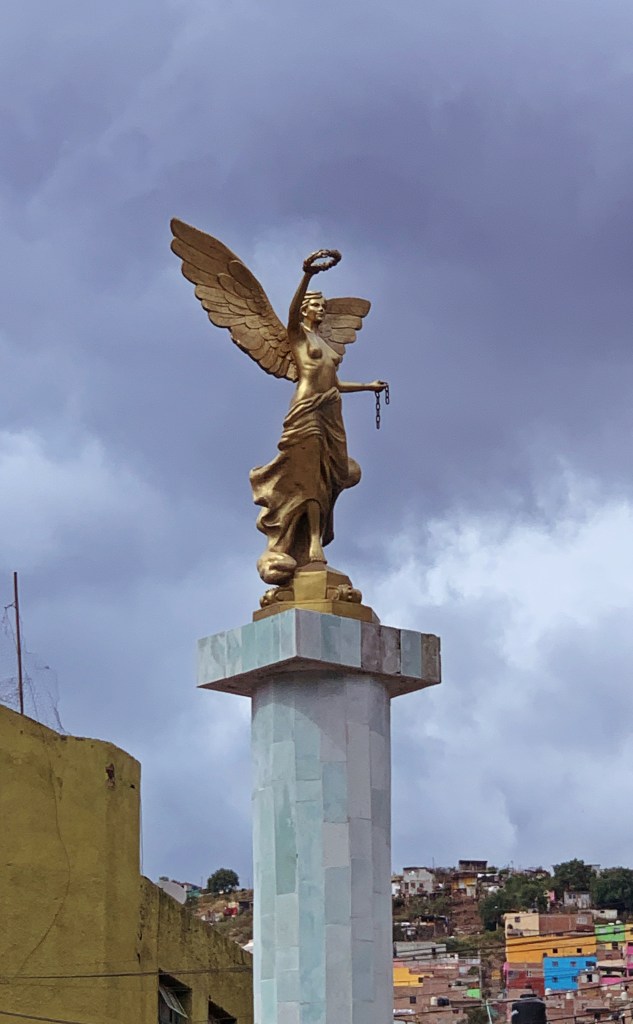
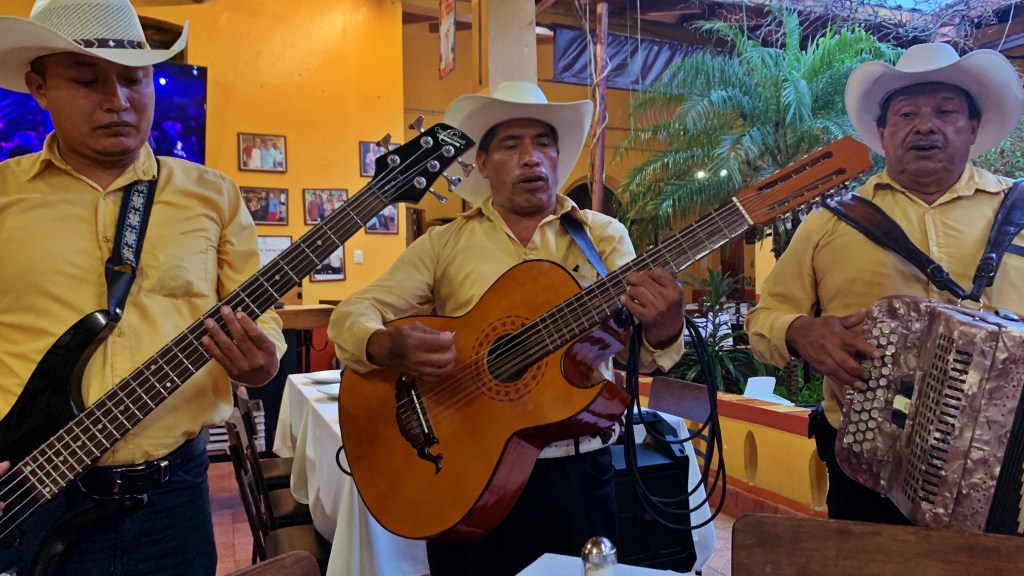
It seems I feel that each city I visit is the one I like best – but I think I mean it this time. Guanajuato is situated in a deep and narrow valley making for interesting driving routes, home construction, sound sharing, and views! It grew up around the rich silver mines and also boasts of being the site of the first battle of the war against Spain for independence. I love it because there is music all around, it is green, has a temperate climate, the colors and foods are rich, and the coffee, beer and wine taste great! Or am I just getting acclimated?

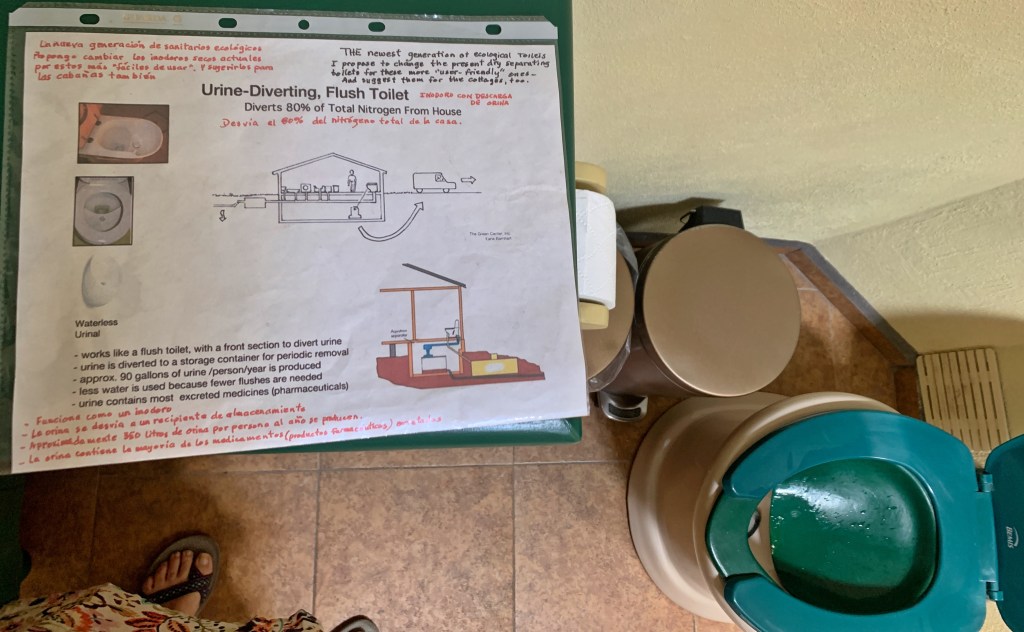
I am staying in an Air BnB home with many rooms, of which three are rented out through Air BnB. It is about four stories high and spreads into the nooks and crannies between the homes on either side. The home originally belonged to the grandparents of the three grand daughters who currently manage it. They have an interesting environmental motivation and are a delight to work with. The entryway is on the first floor; I live on the second floor; the kitchen, dining and living room are on the third floor; and two more rooms are on the fourth floor. Each floor has a balcony, mine is a private one. The views are great the higher up you go.
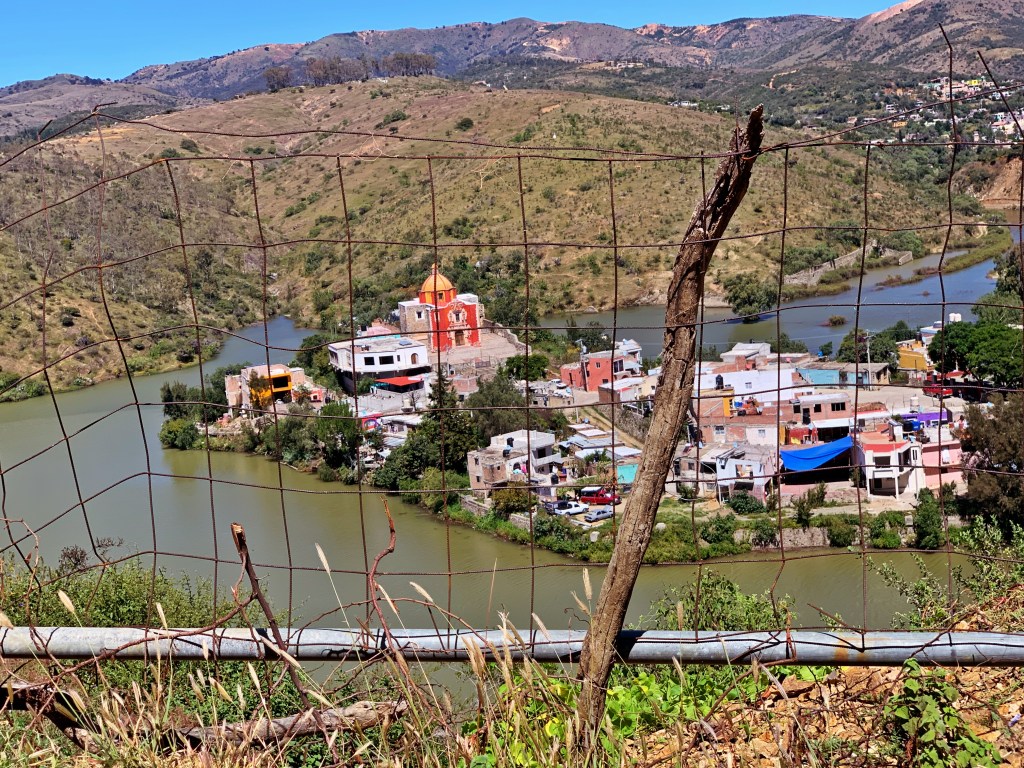
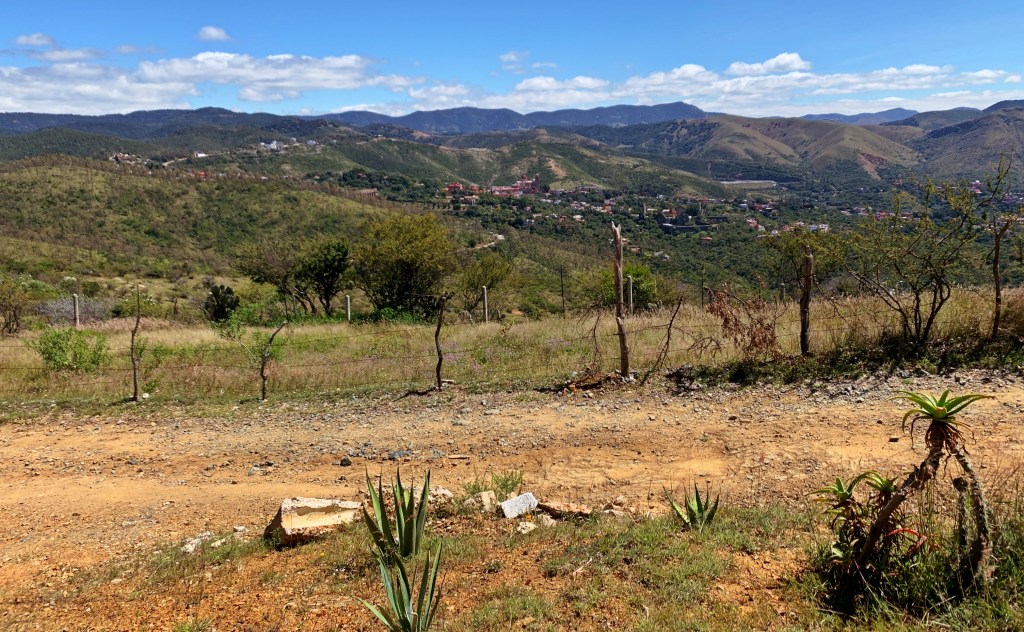
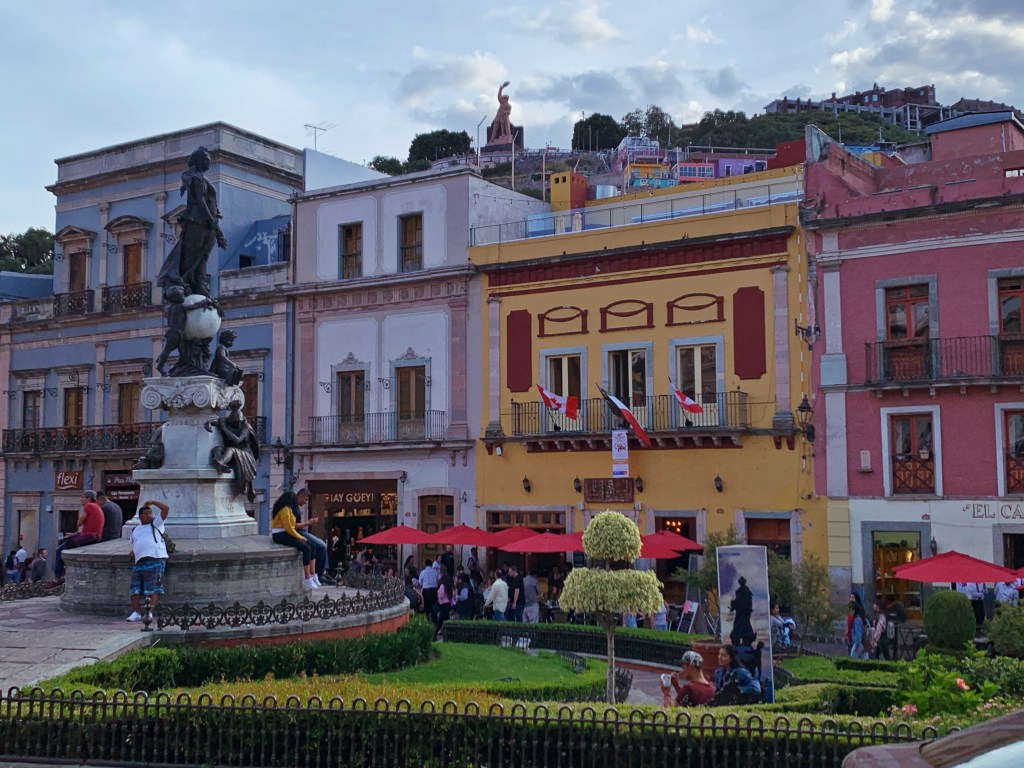
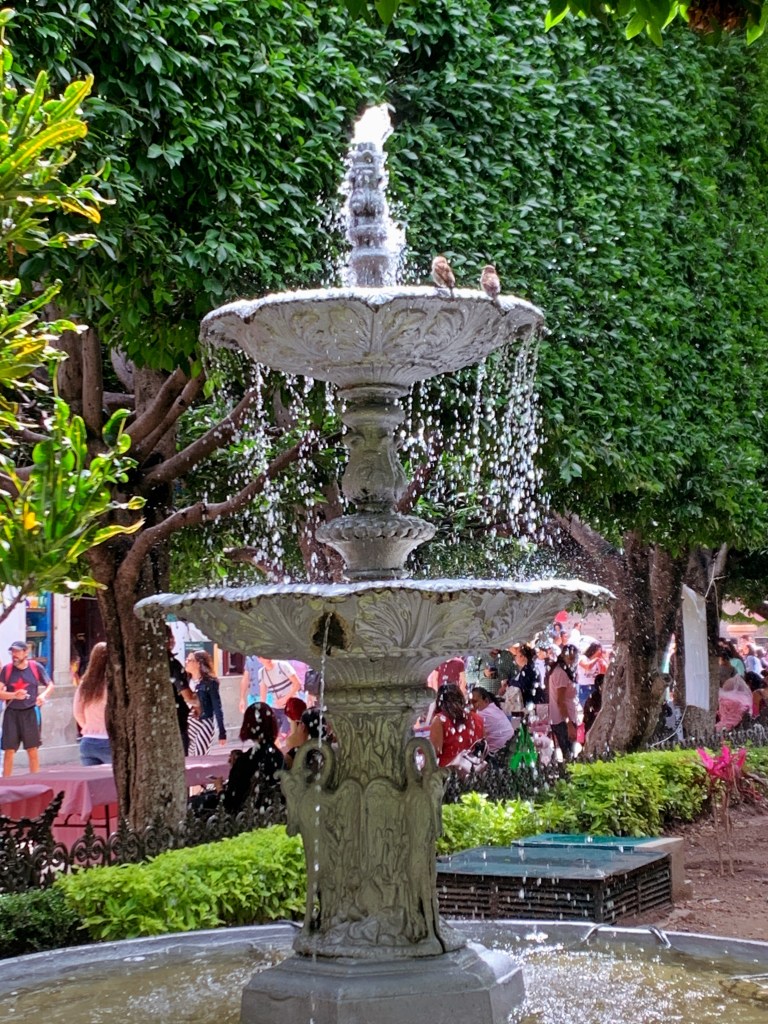
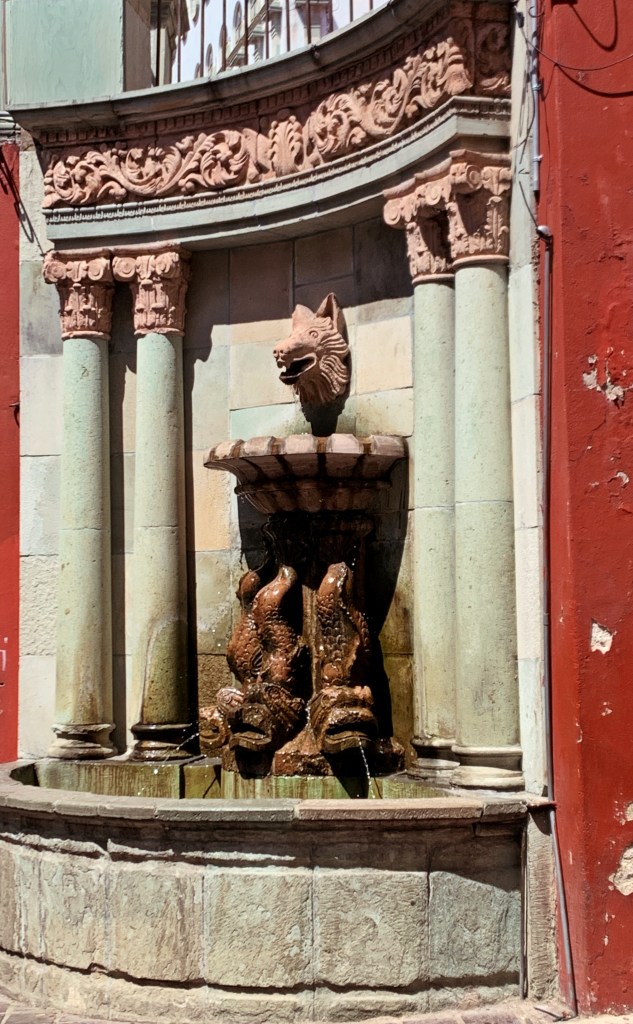
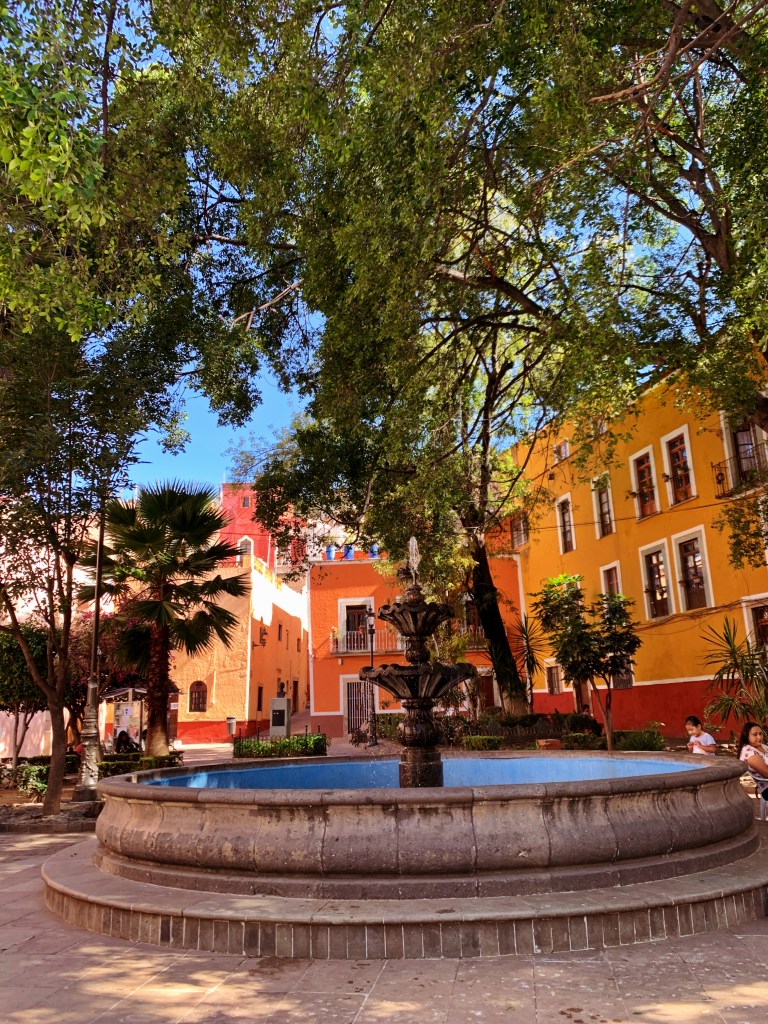
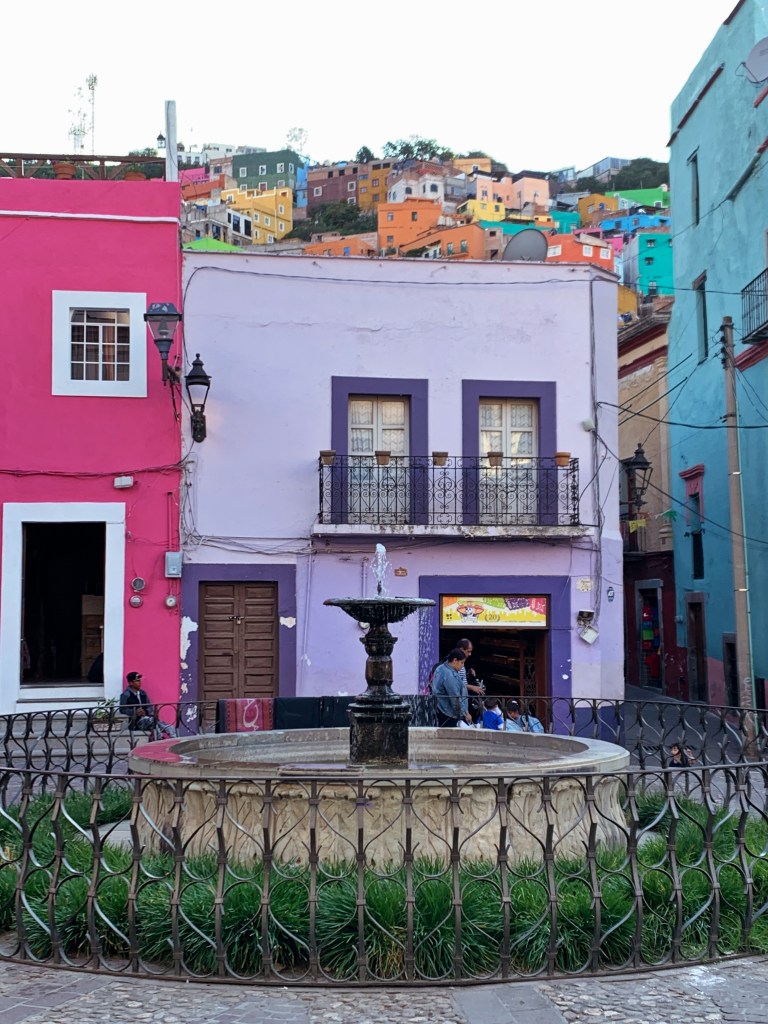
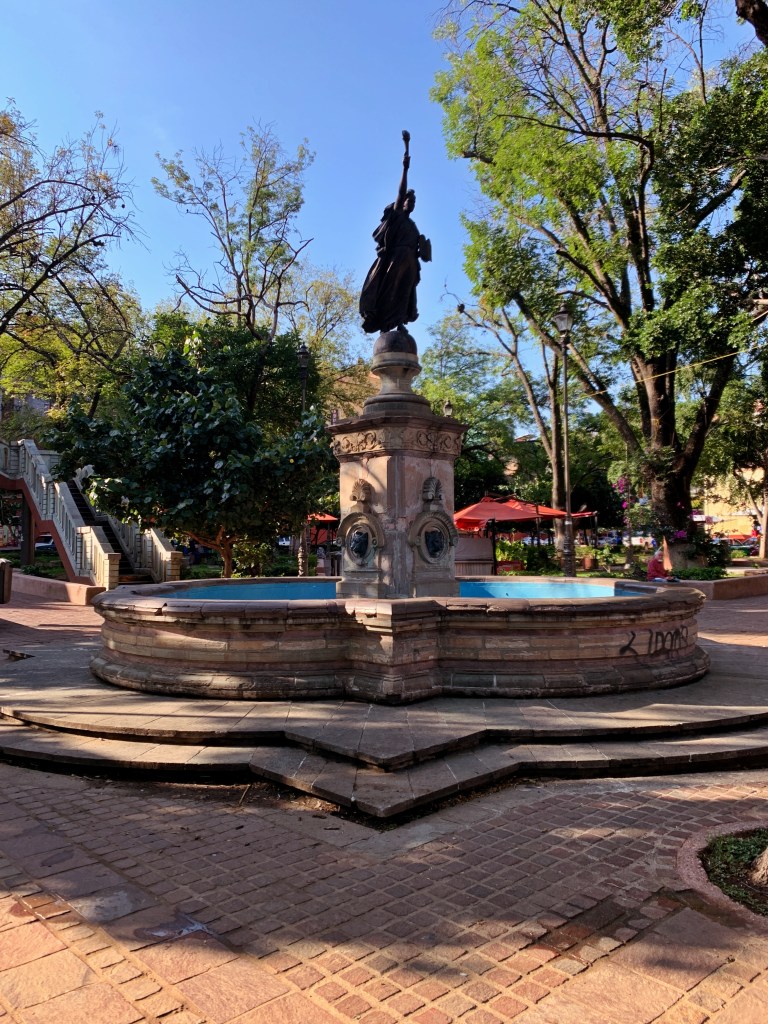
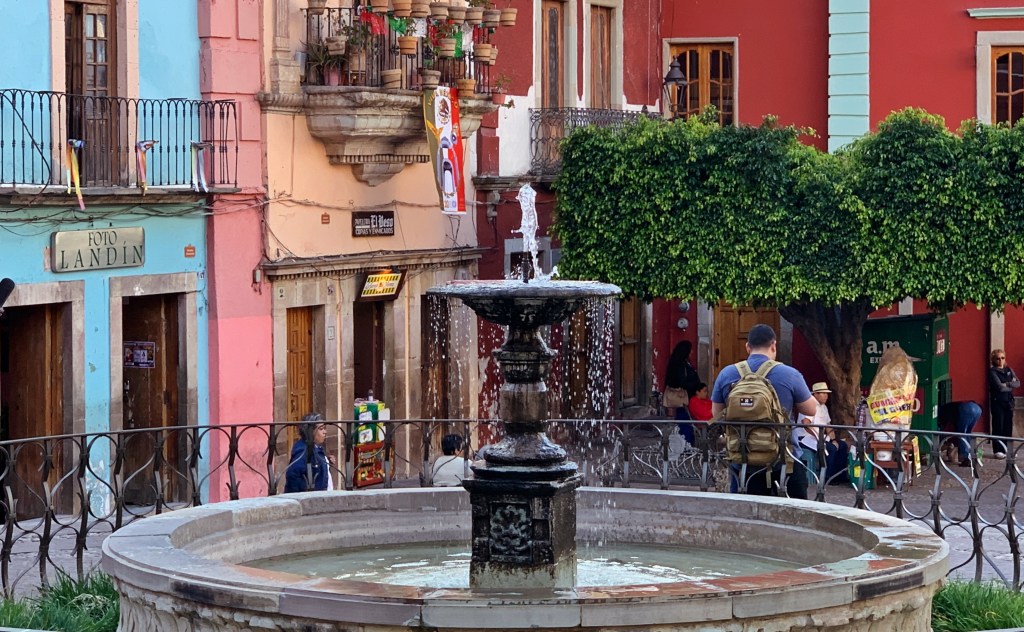
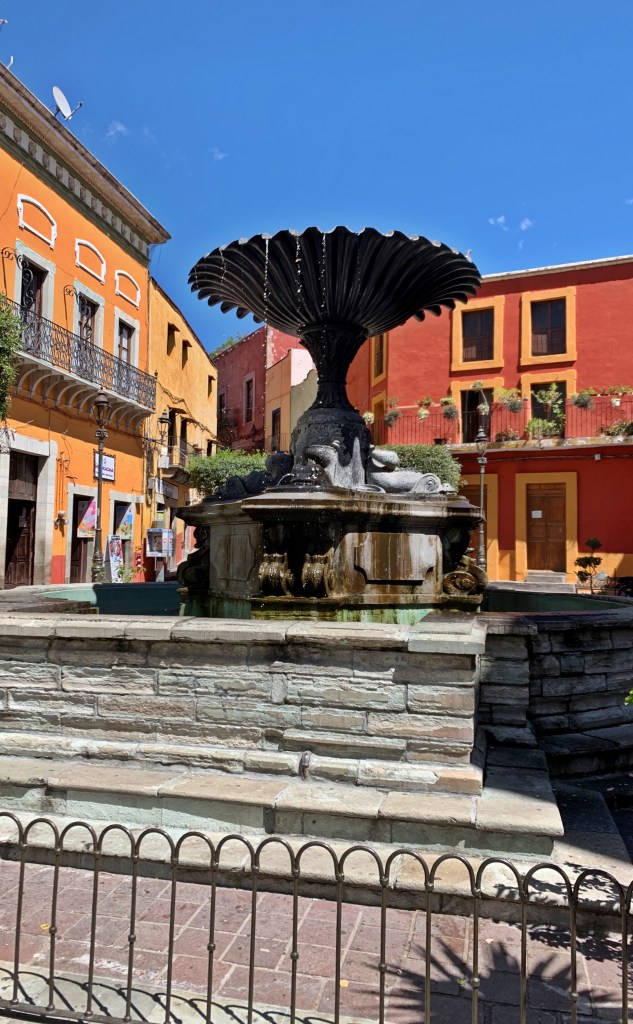
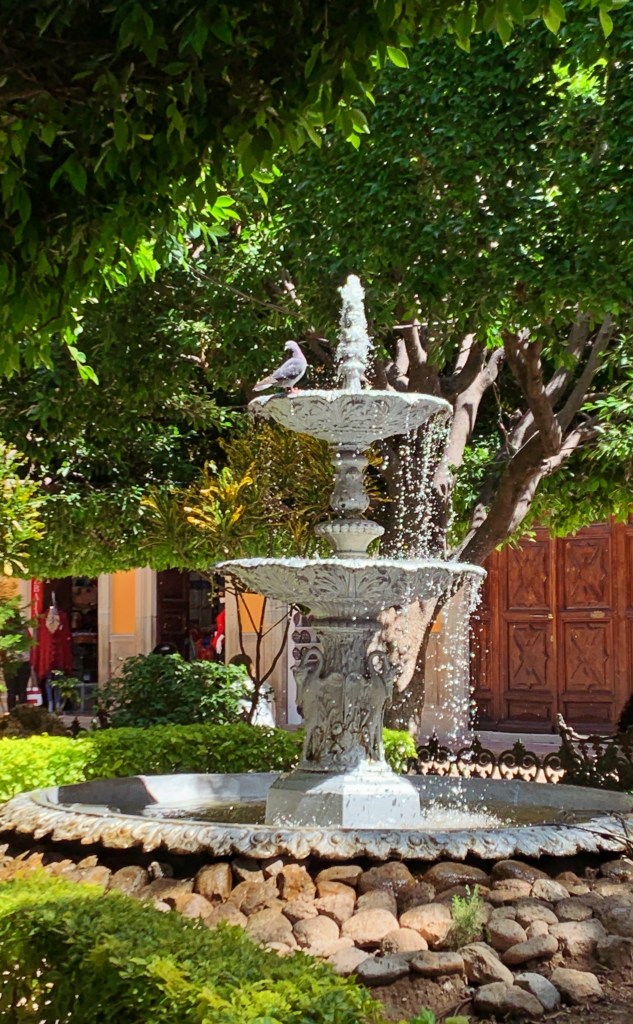
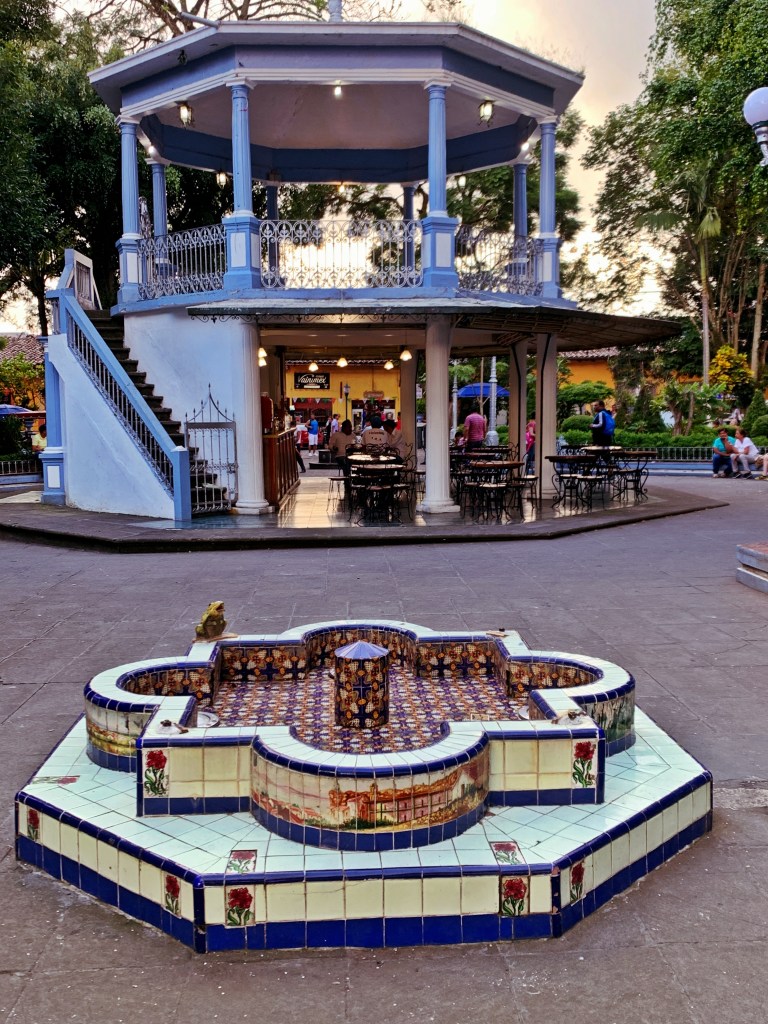
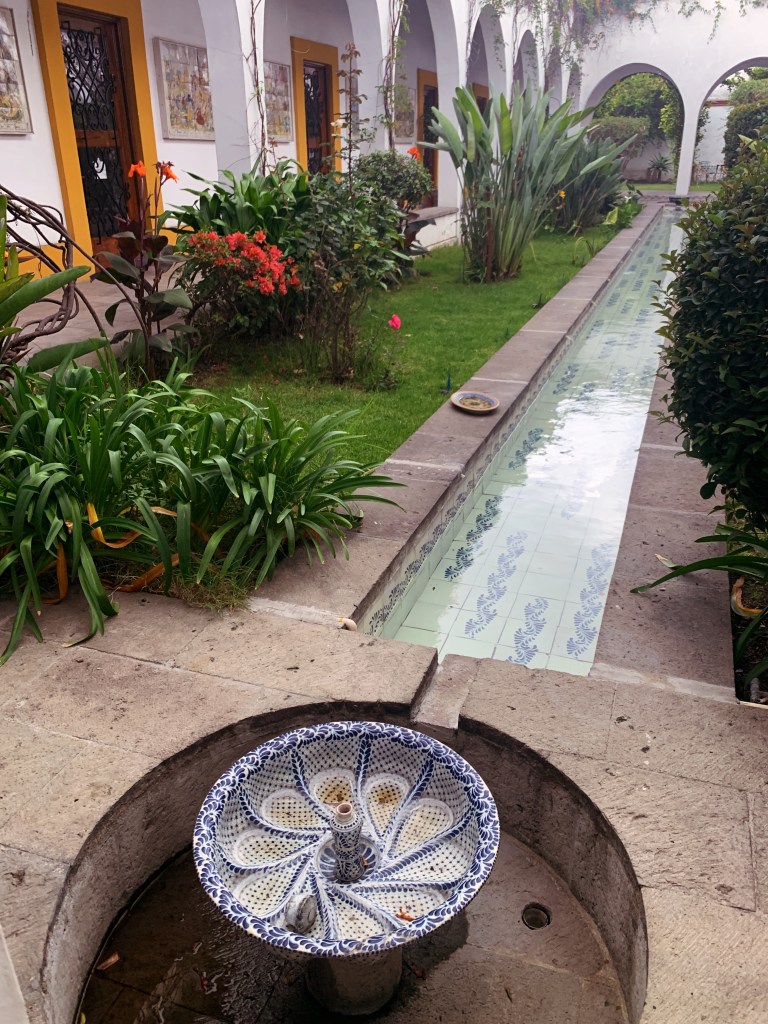
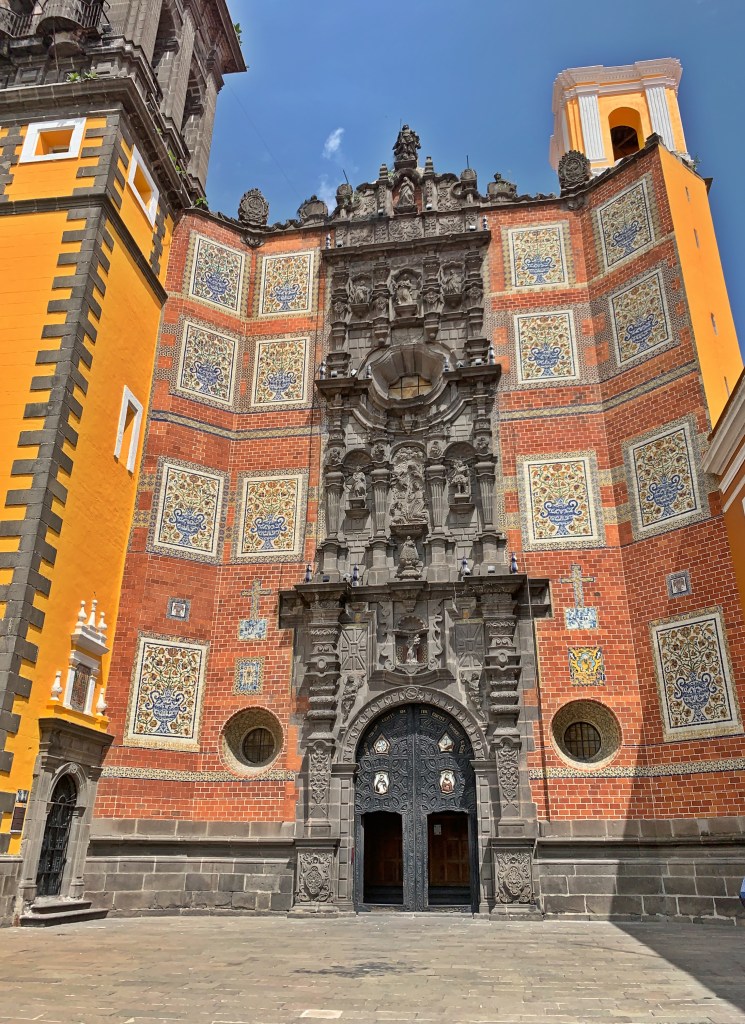
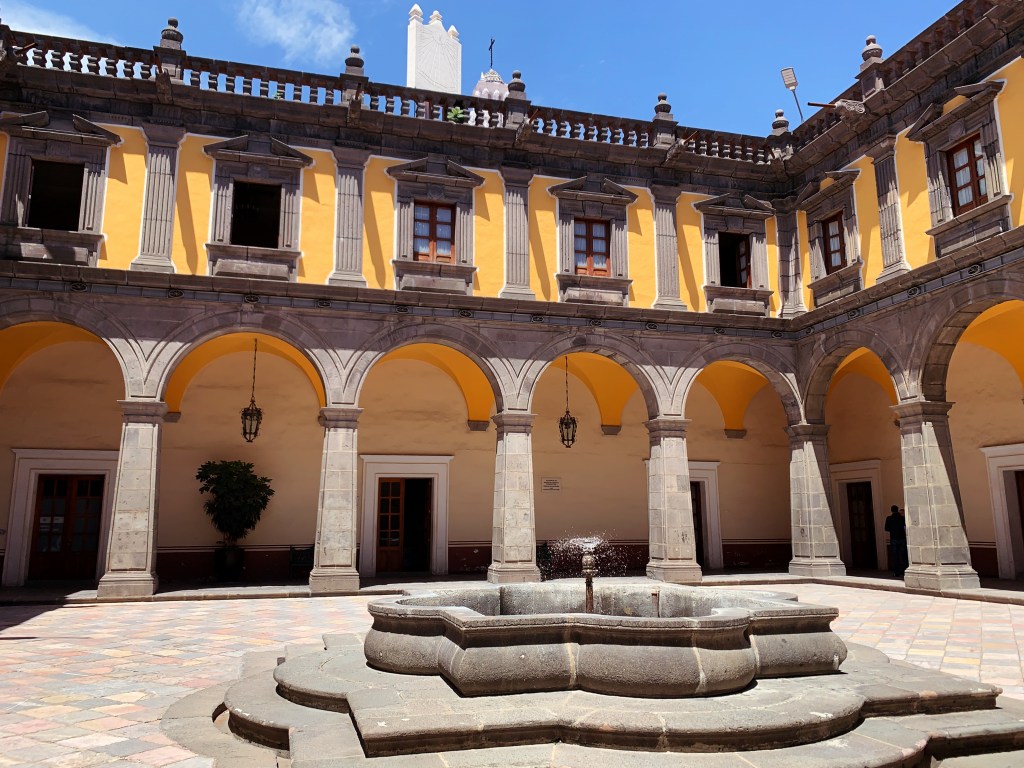
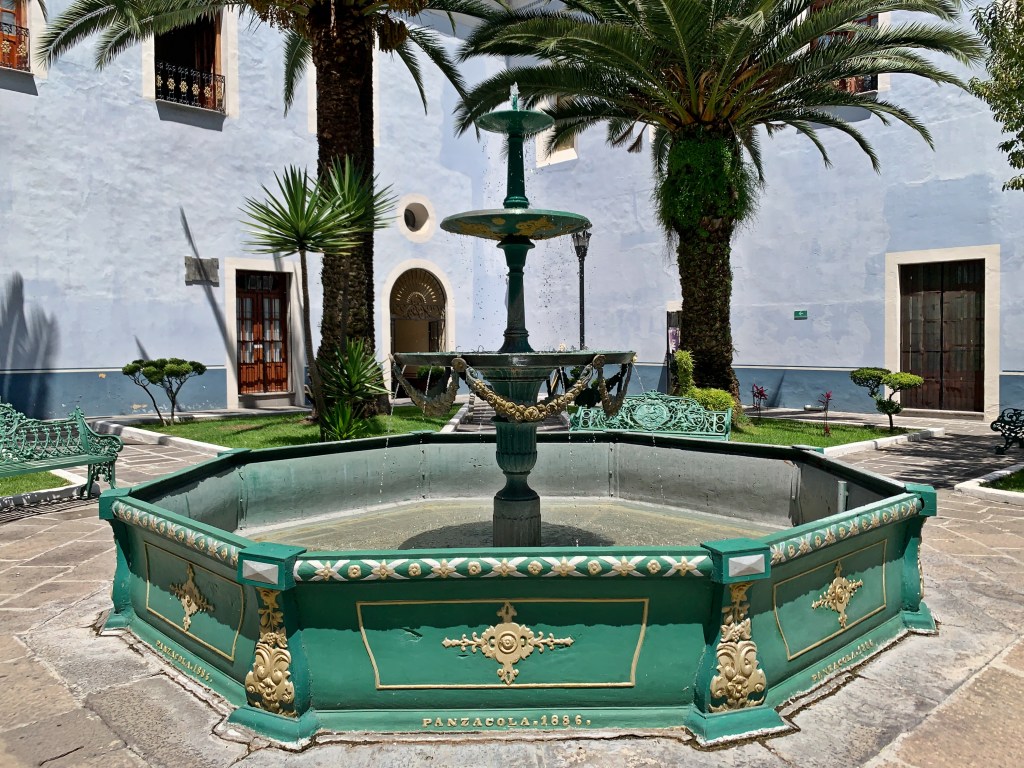
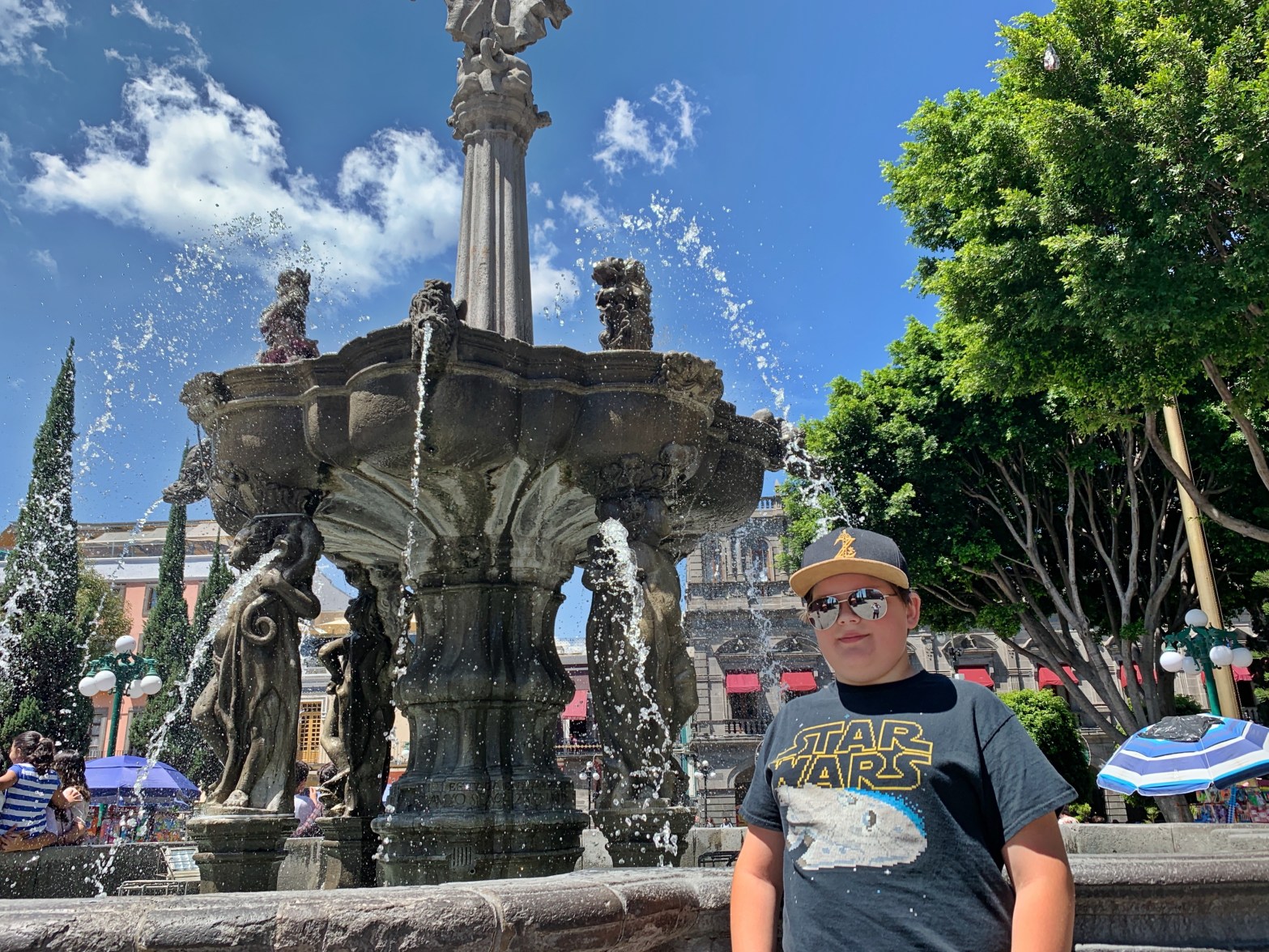
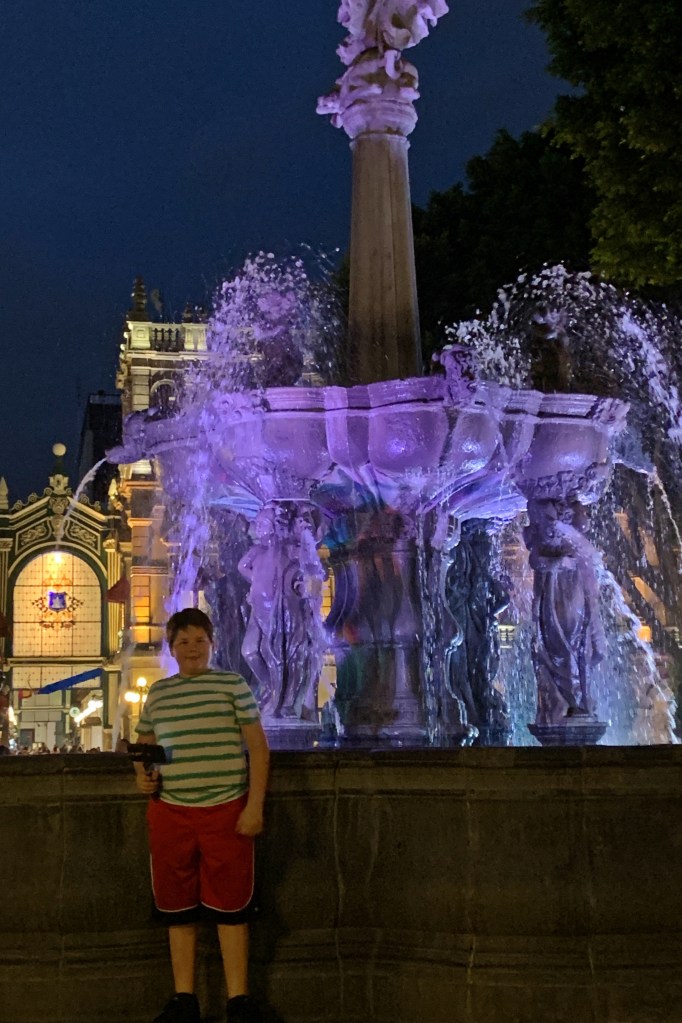
Fountains! I am enchanted with the fountains in Guanajuato, and sometimes can’t tell if I have seen one before.

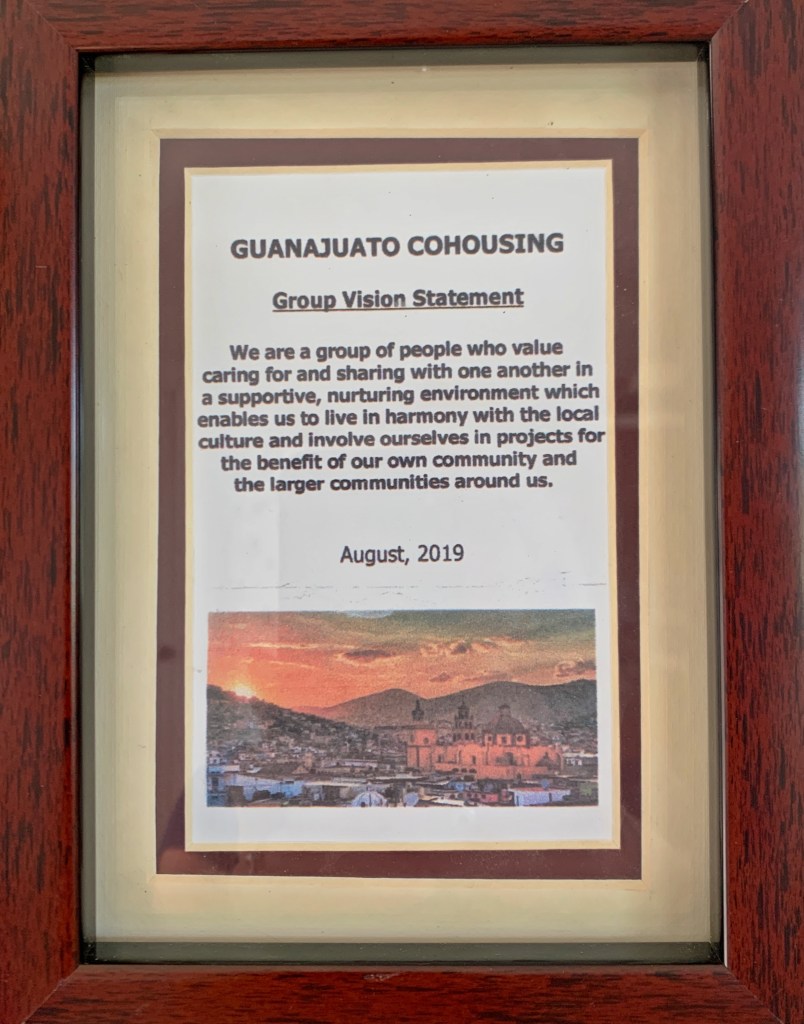
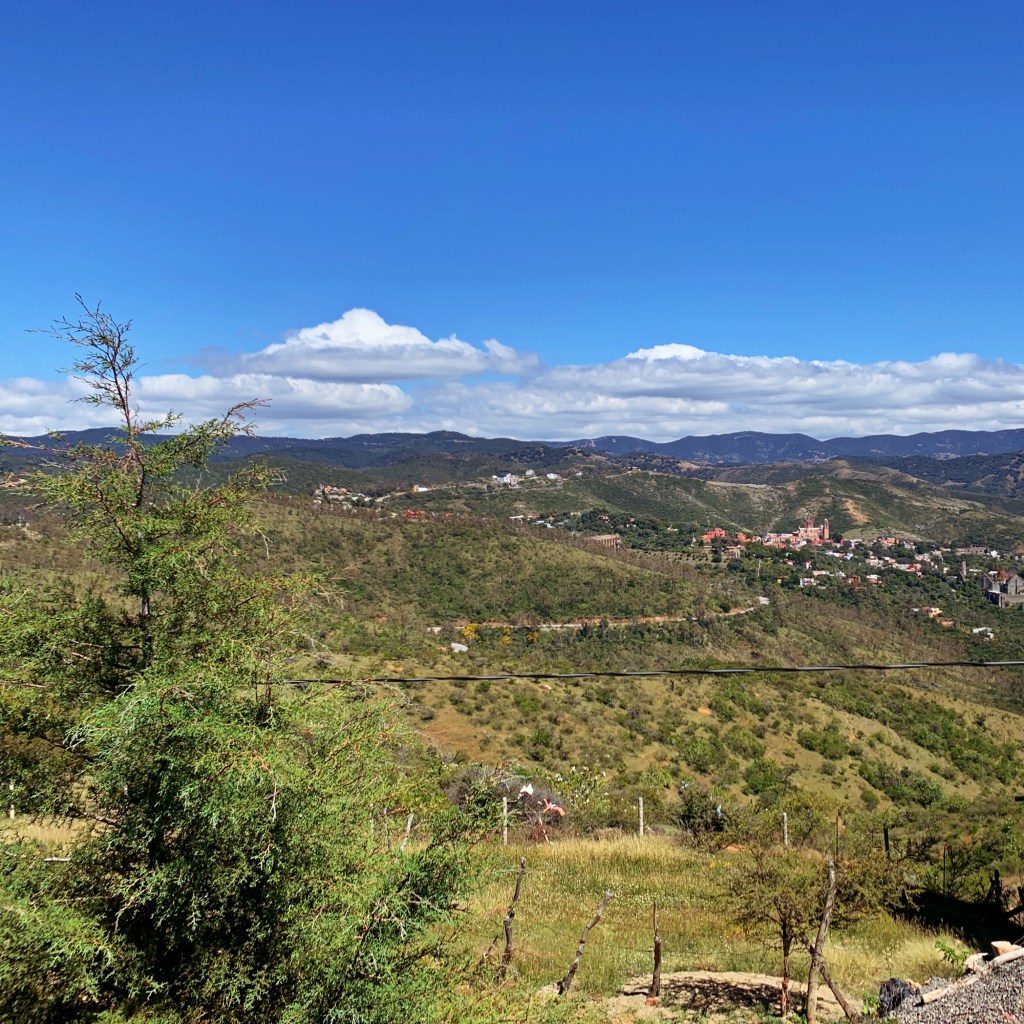
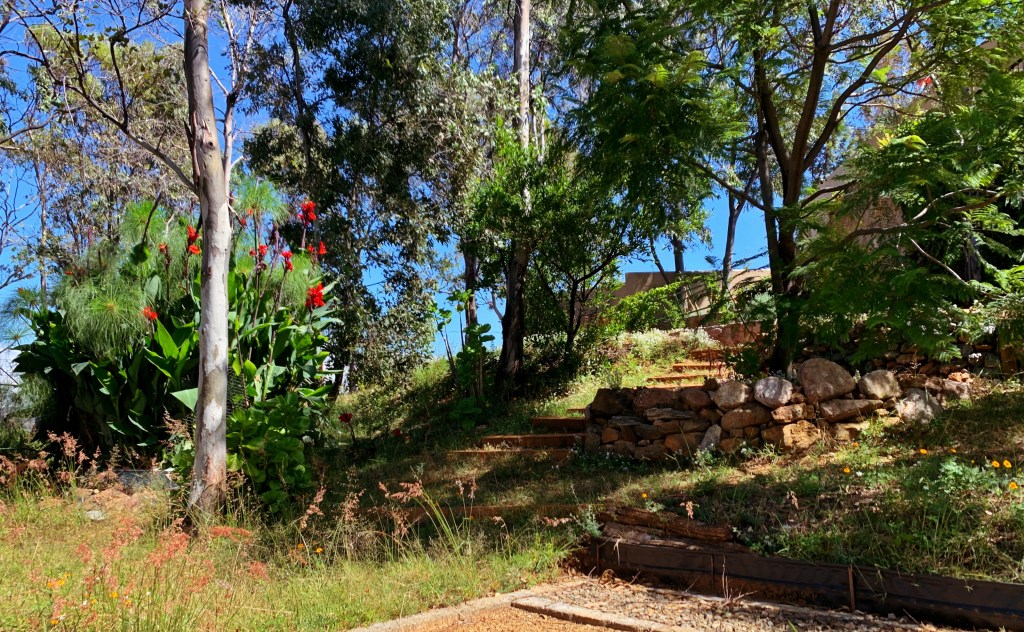
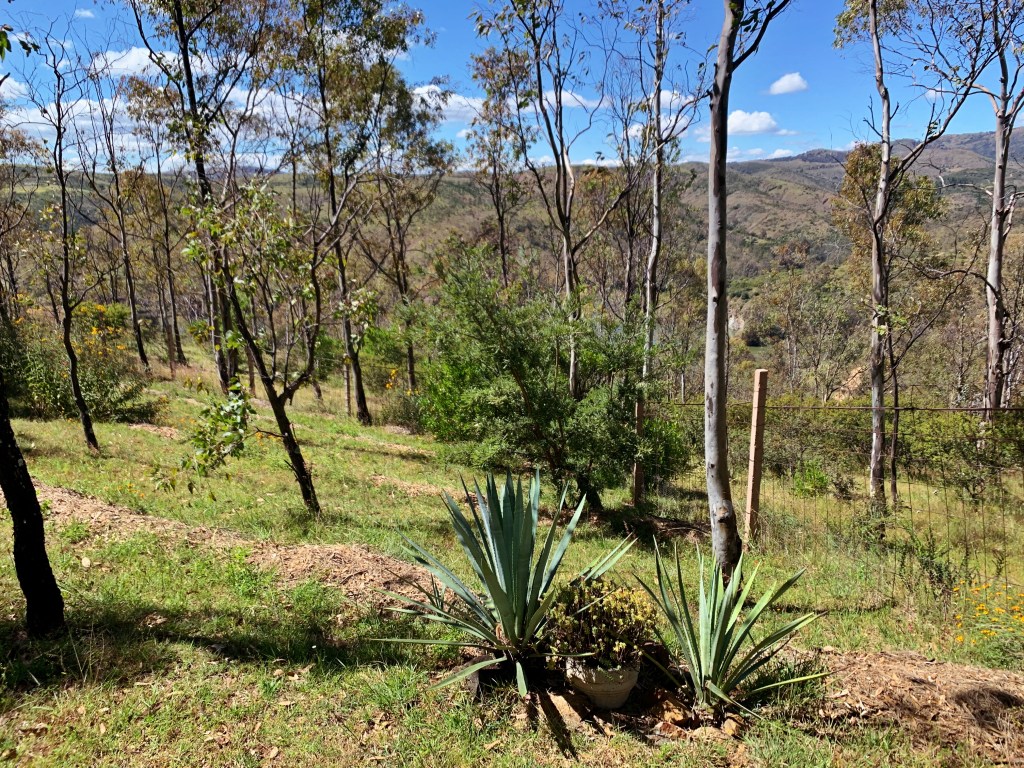
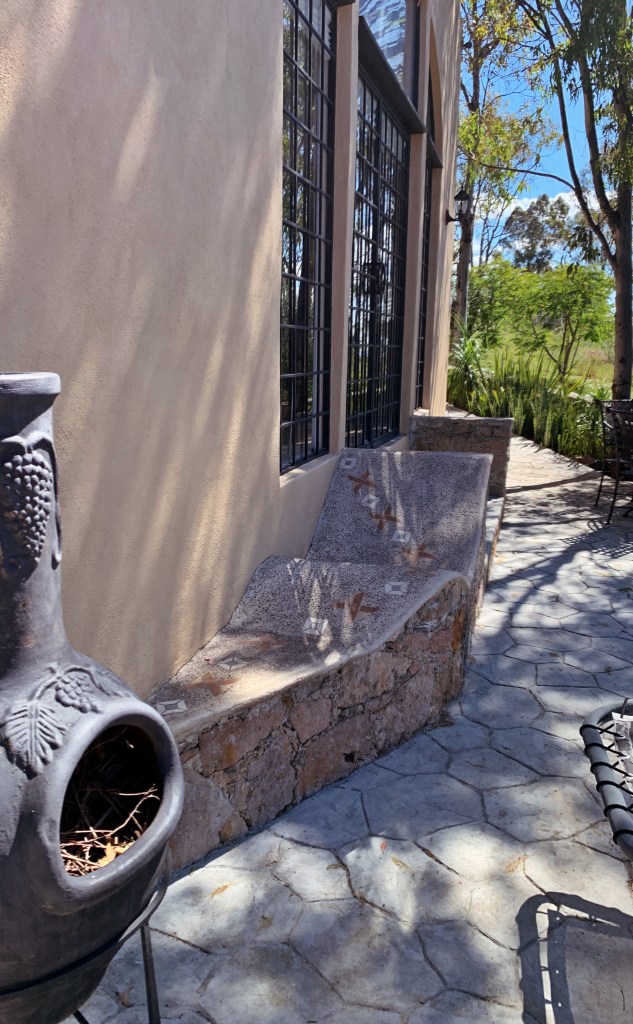
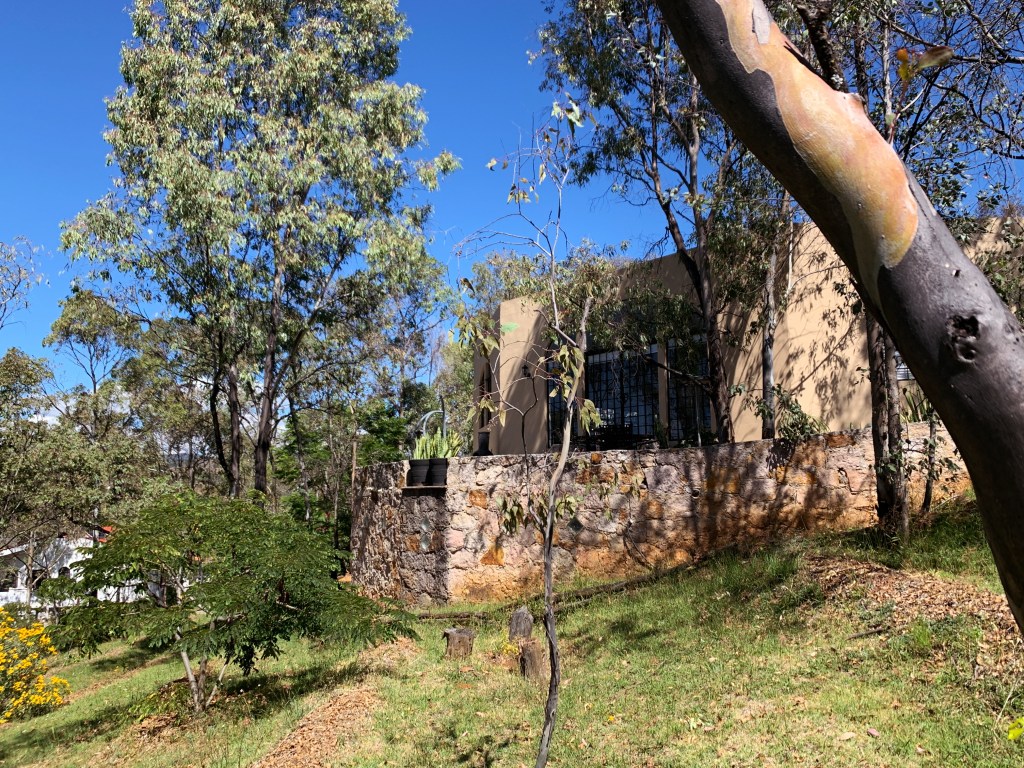
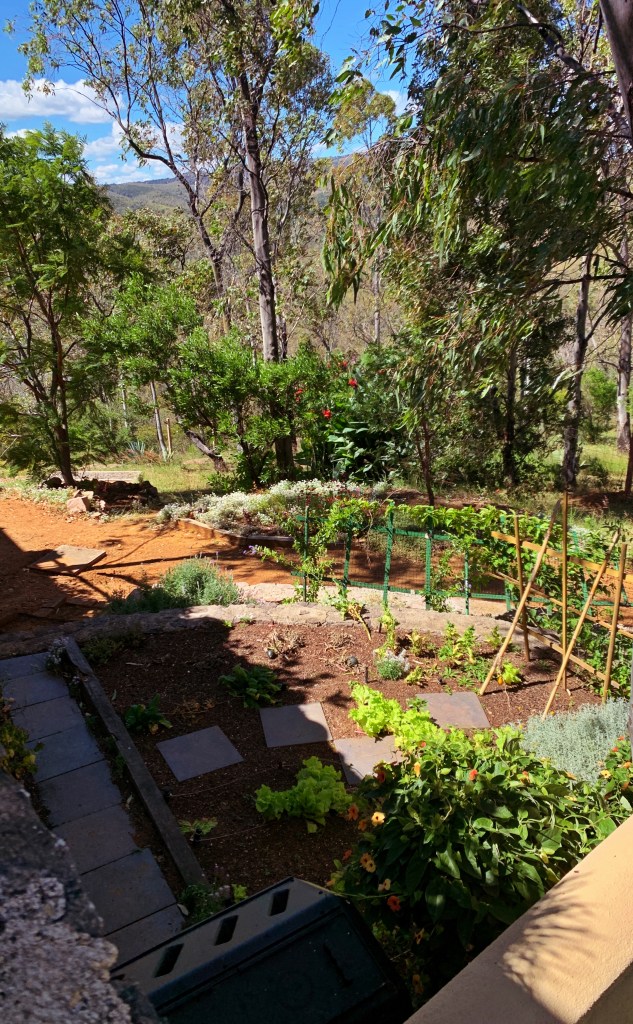
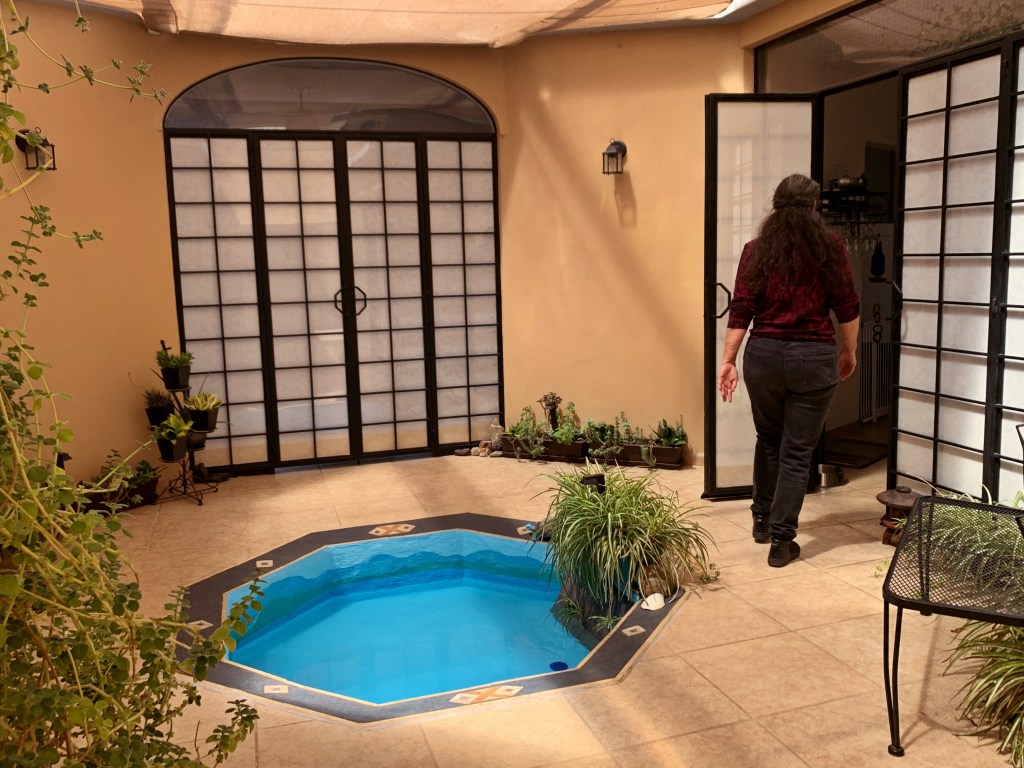
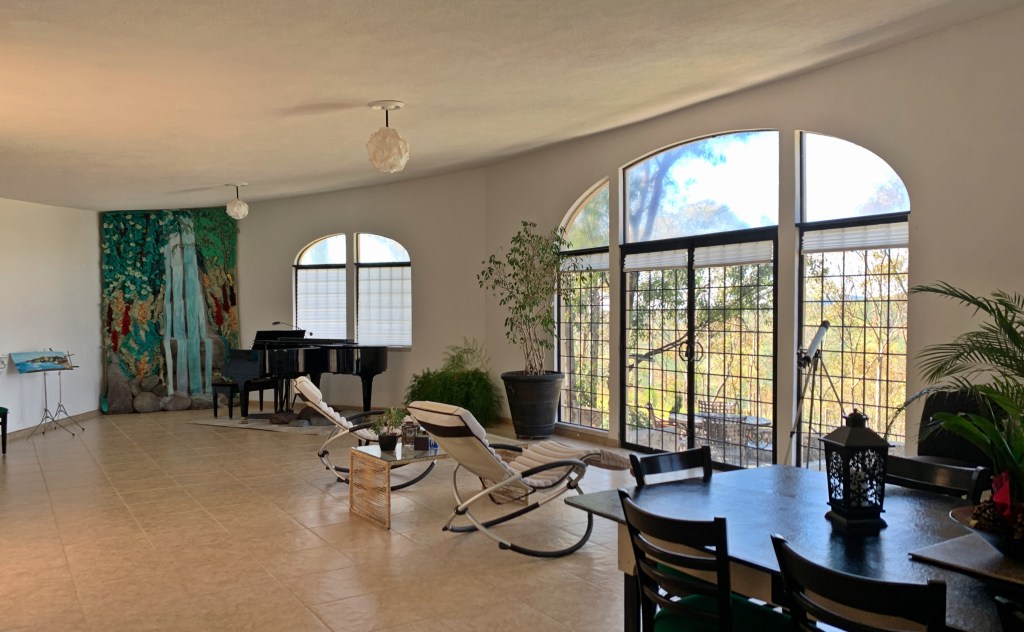
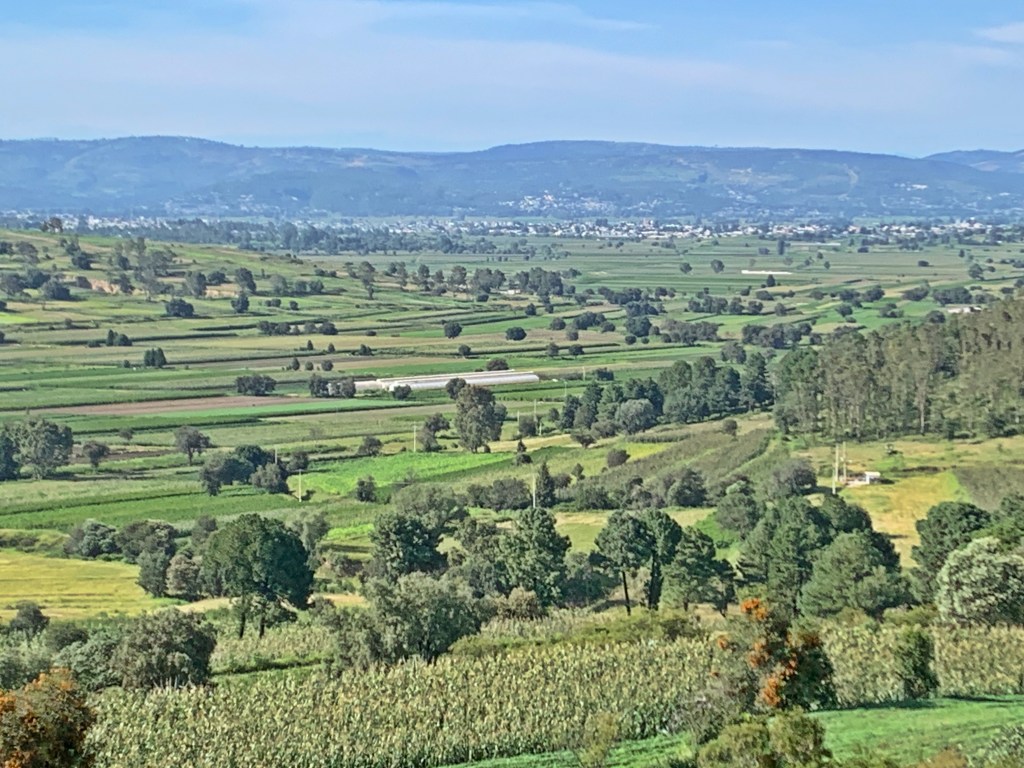
Guanajuato Cohousing – I was fortunate enough to meet members of the GTO Cohousing and was able to tour their site. You leave the chaos of the city and in 20 minutes you arrive in a quiet place on the ridge with great views. Jan, the owner, has built a lovely home which will become the Common House. She has incorporated rain water catchment, grey water processing system, solar hot water and more! The current plan is to add about six individual and three double casitas around the Common House. There are a lot of benefits for aging in place in Mexico and this group plans to take advantage of them. I look forward to getting to know these folks.

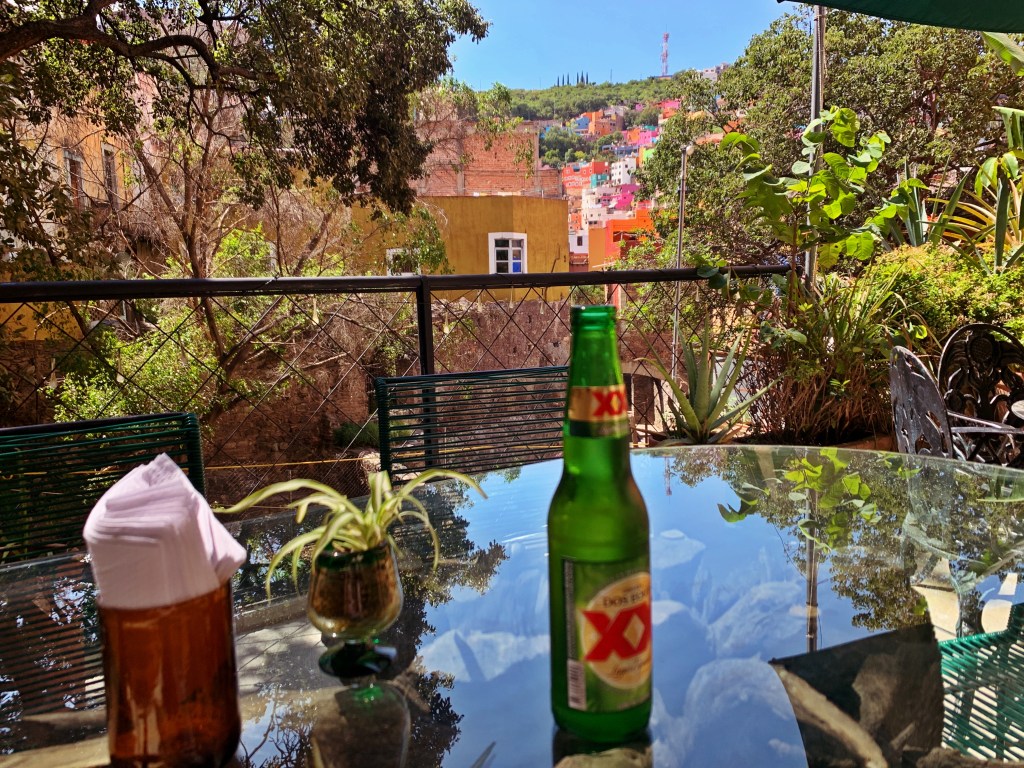
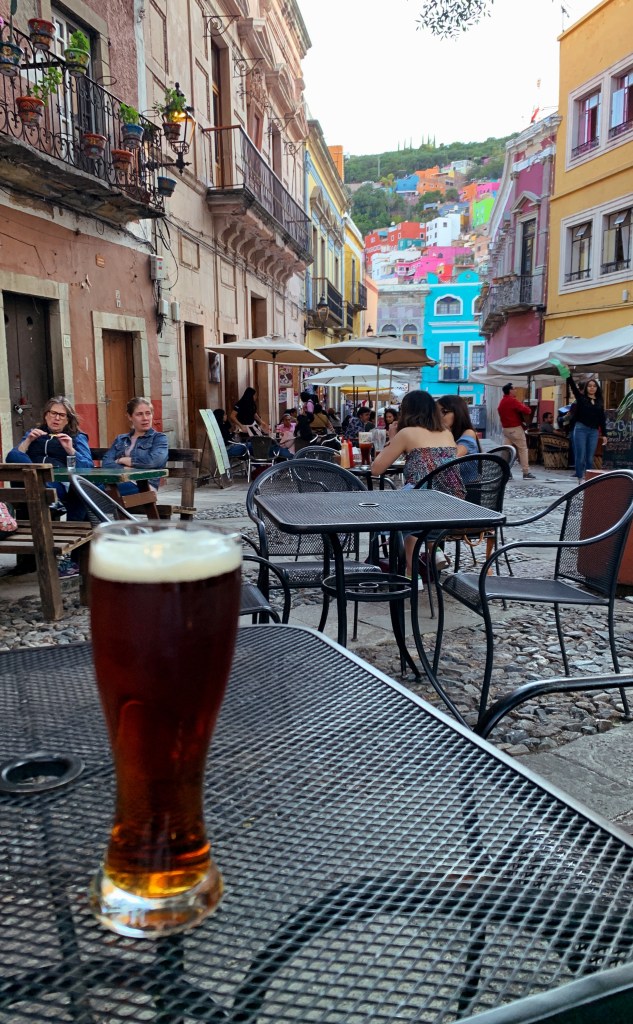
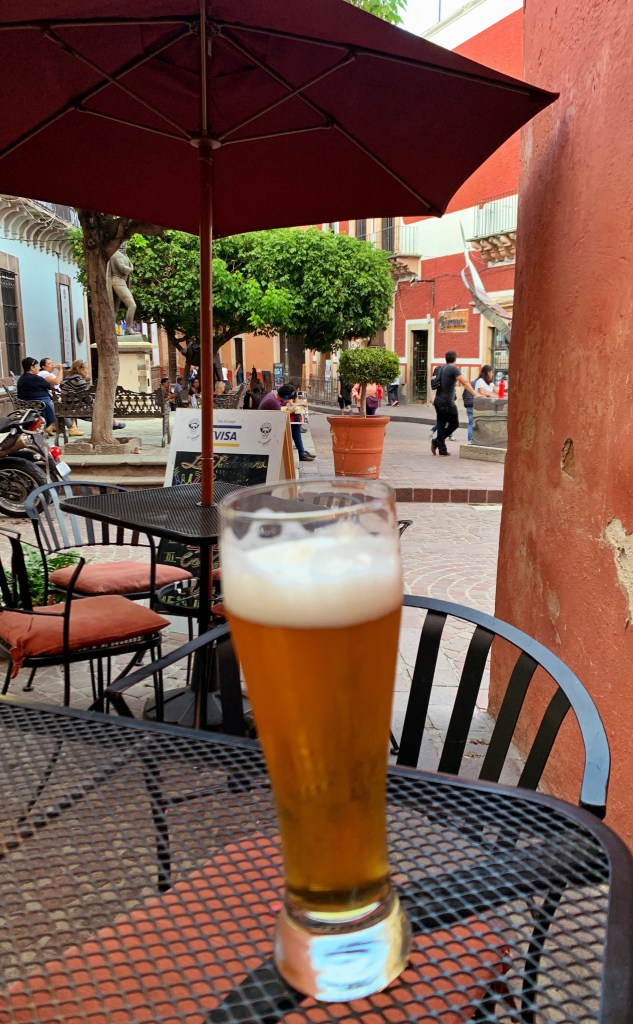
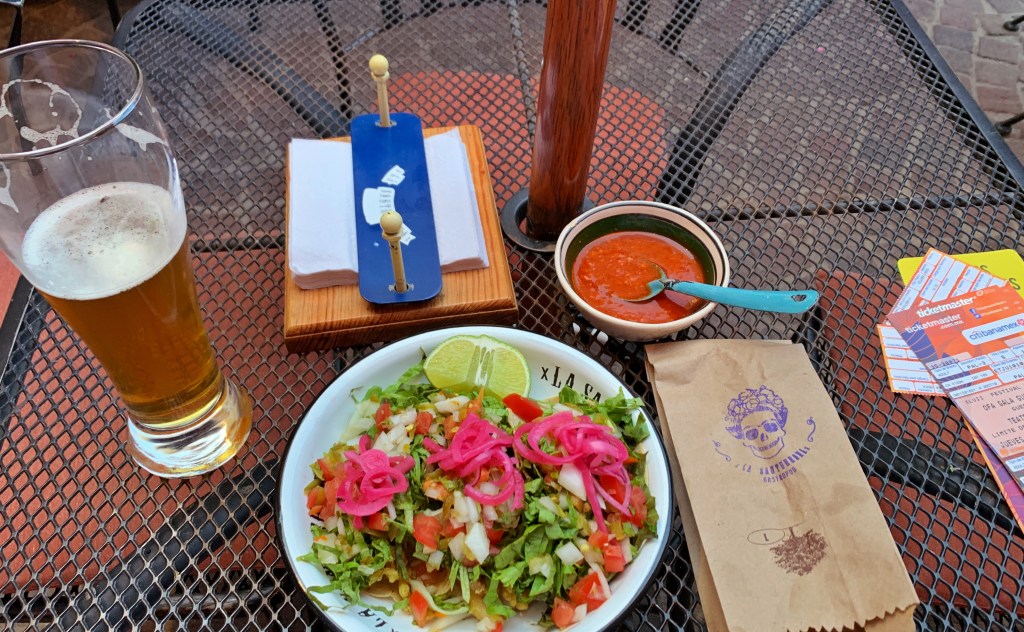
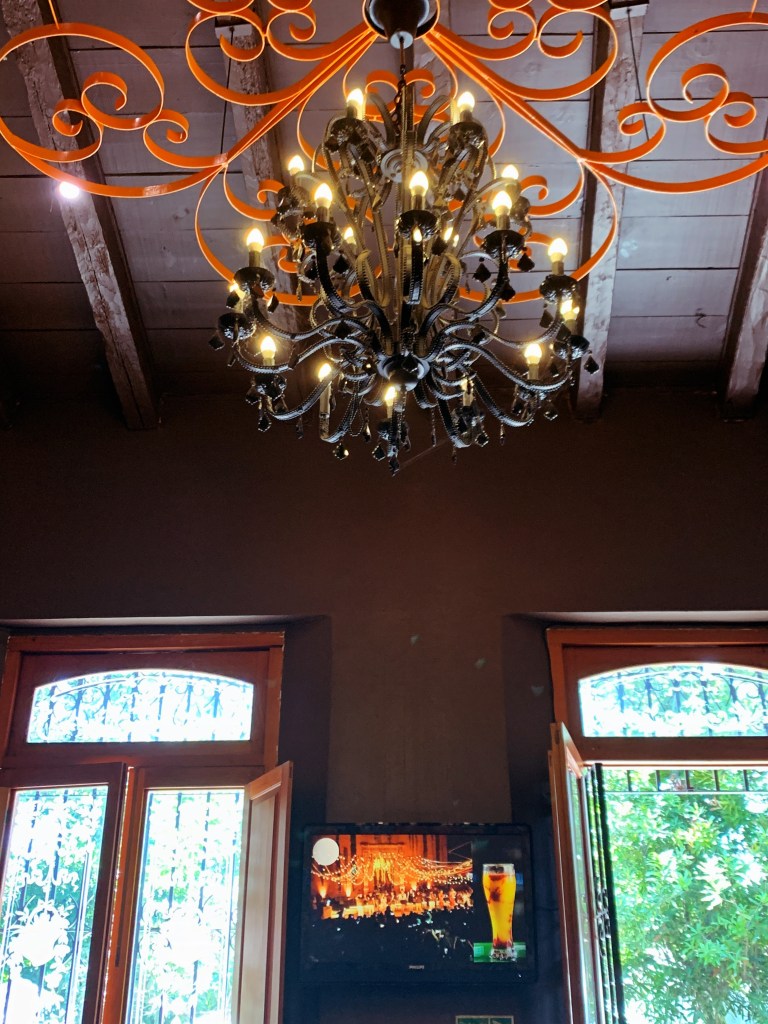
Follow the Beer – I’m not sure whether the beer is getting better or my taste is changing. I know that with the heat I am drinking lighter beers. In Guanajuato, my beer spots seem to also be beautiful spots!

!Adios, Coatepec!

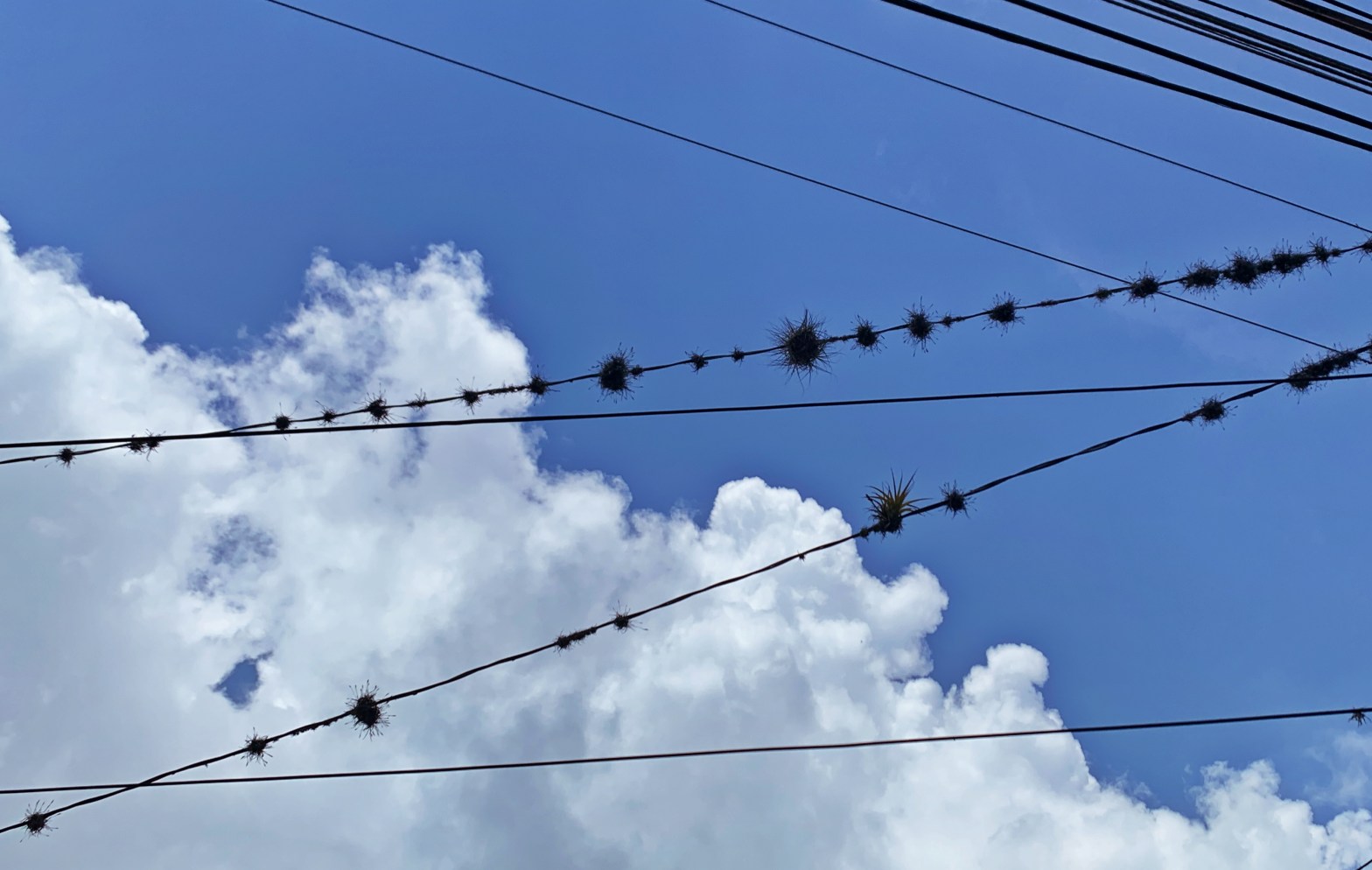
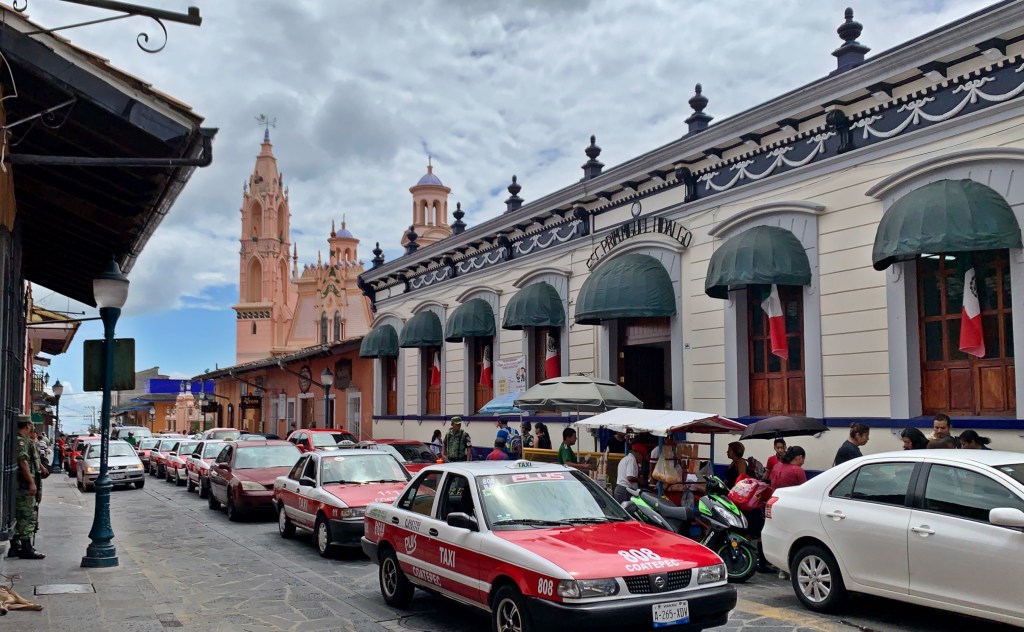
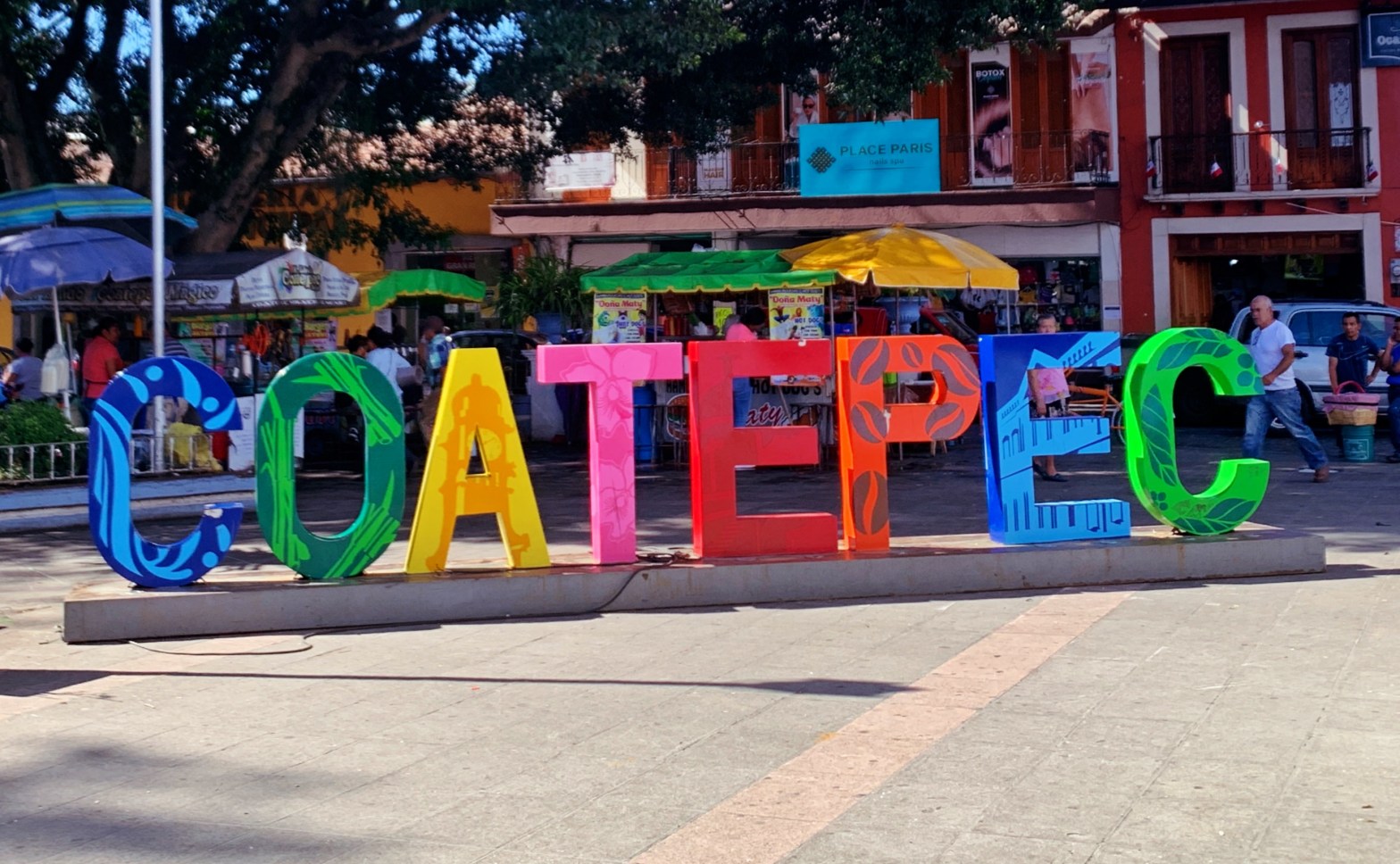
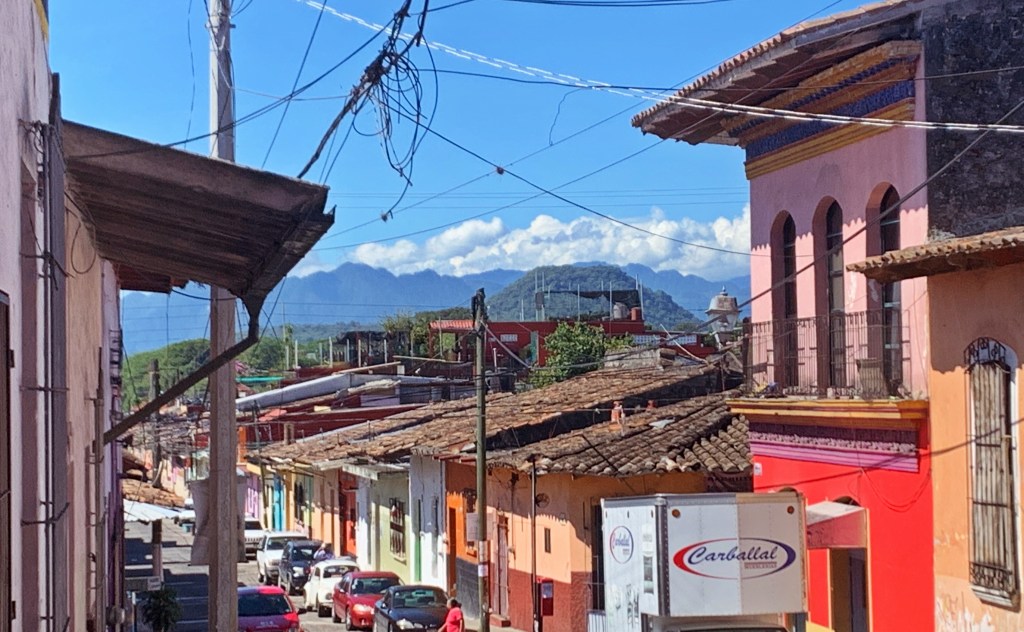
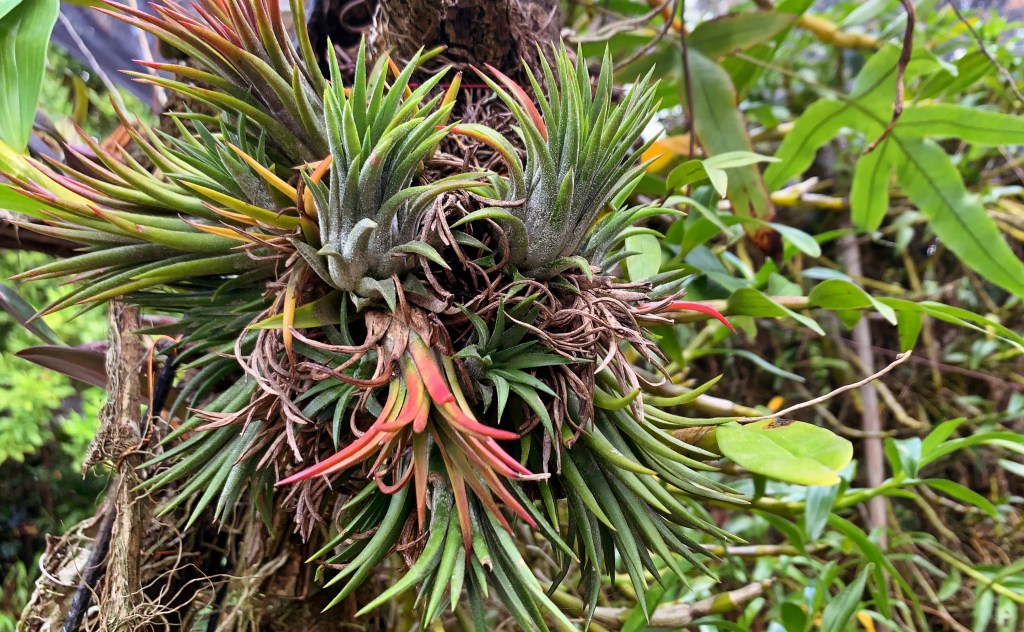
I’m sitting in a cafe enjoying my last full day in Coatepec. These past two weeks have been different than my time in other cities. I have just been enjoying daily life – no spectacular tours, no grand sights, just the ordinary beauty of a town half the size of Bellingham. All aspects of the coffee industry are big here – they have the right climate for it, too! Apparently coffee provides the residents with a fairly good standard of living. I have not seen as much begging on the streets. And they enjoy lots of coffee shops! Of course, there are the usual artisan shops and great food, too! I will miss this place. The banner photo is a sight that I have marveled at – I have never seen plants growing in the utility lines, aren’t they beautiful?

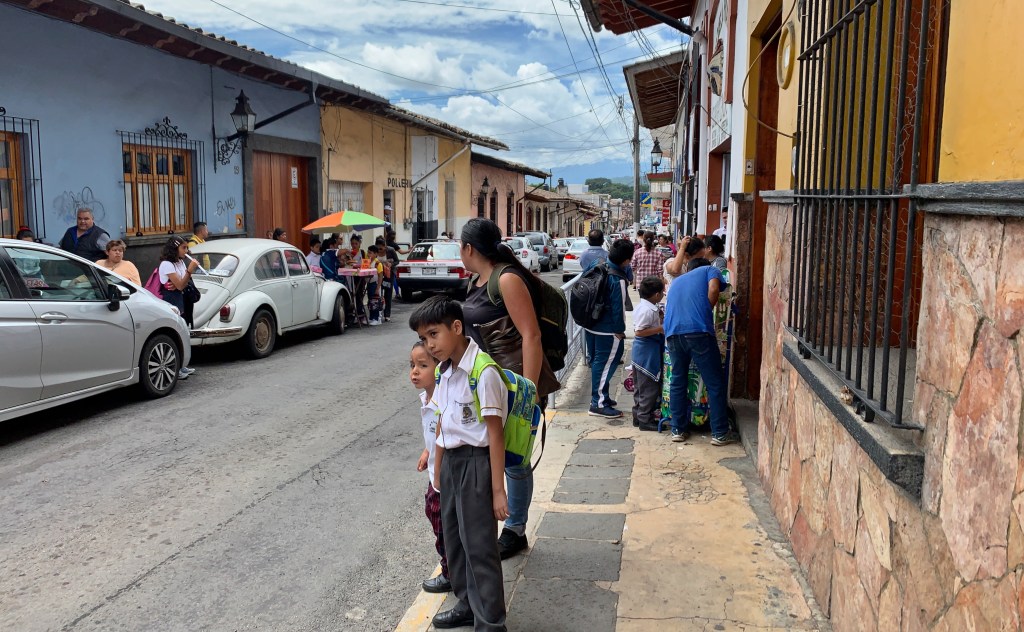
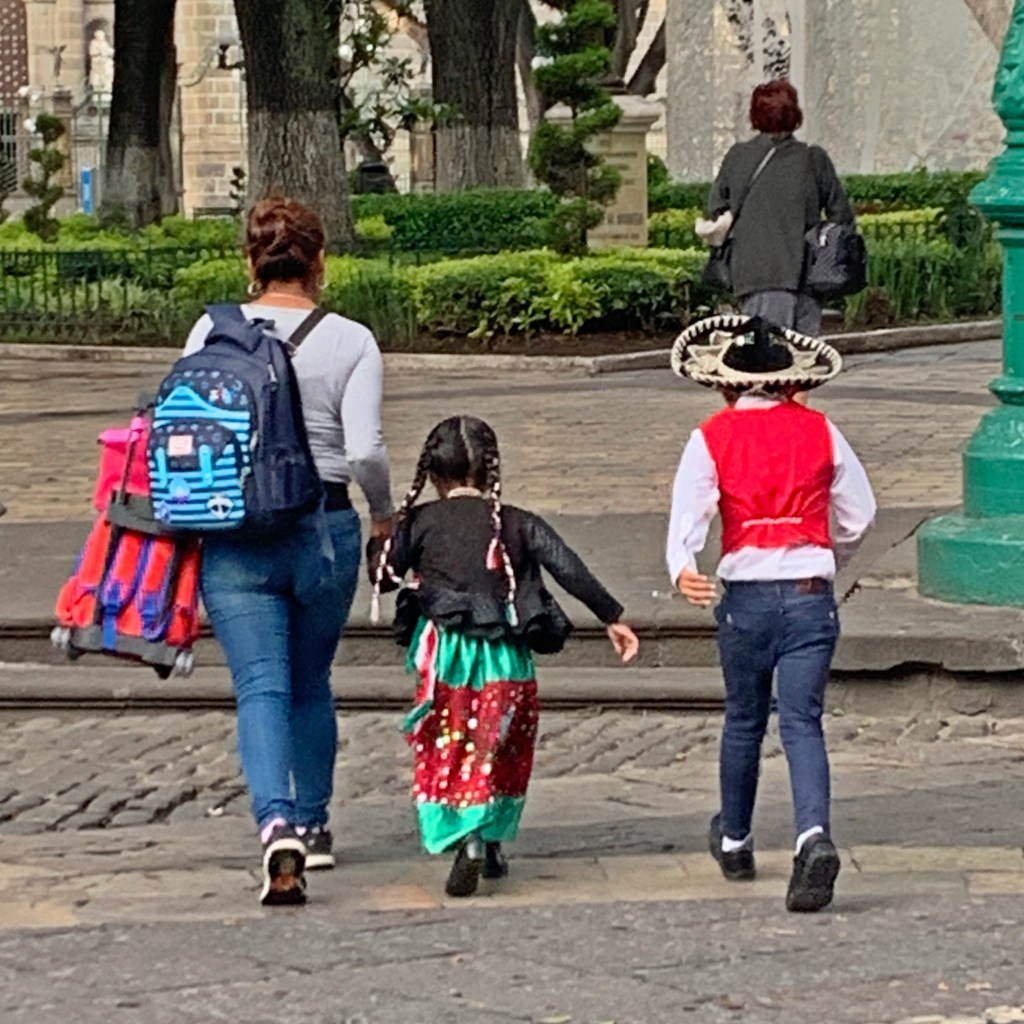
When I love walk around the city at about 12:30 pm (see above). Schools are getting out for the younger kids and all the adults are there to shepherd them home. The vendors are right by the door selling afternoon snacks. The student uniforms look so professional I wonder what they want to be when they grow up. This morning there was extra support in the form of uniformed police complete with guns and helmets. Hmmm, I wonder what’s up?

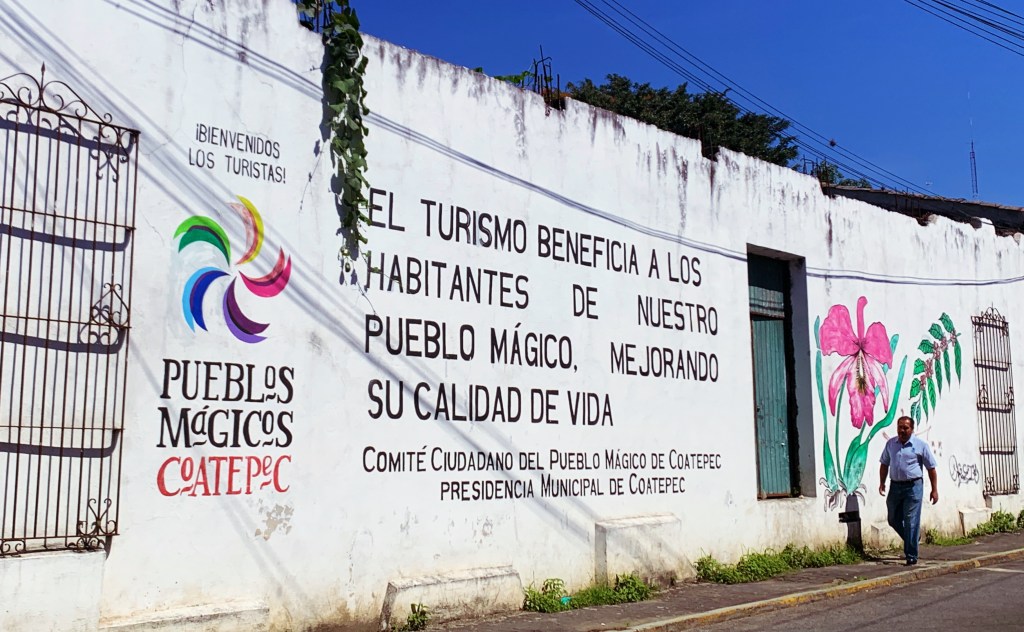
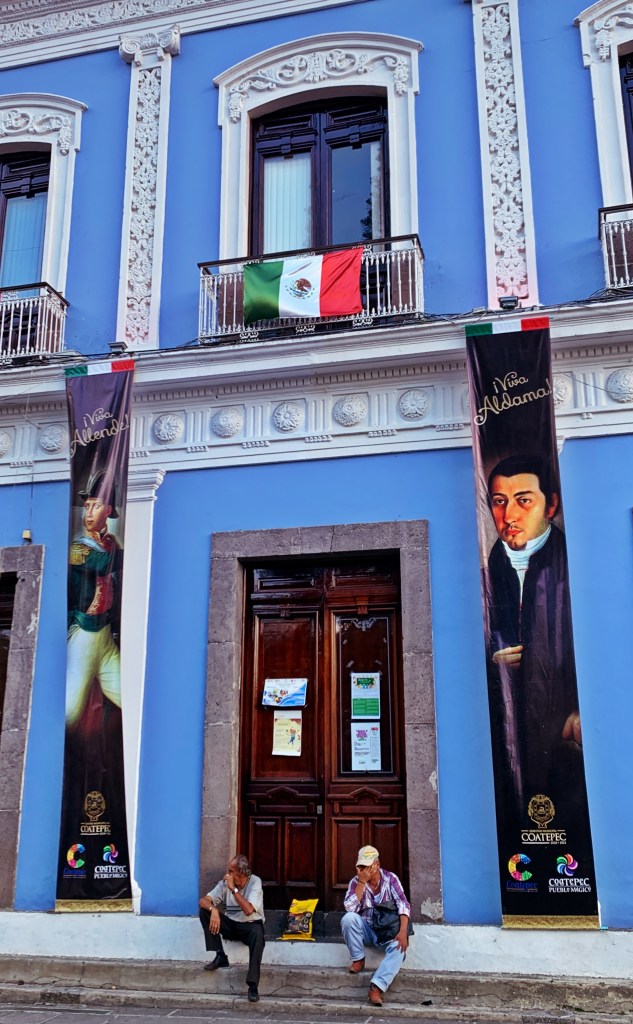
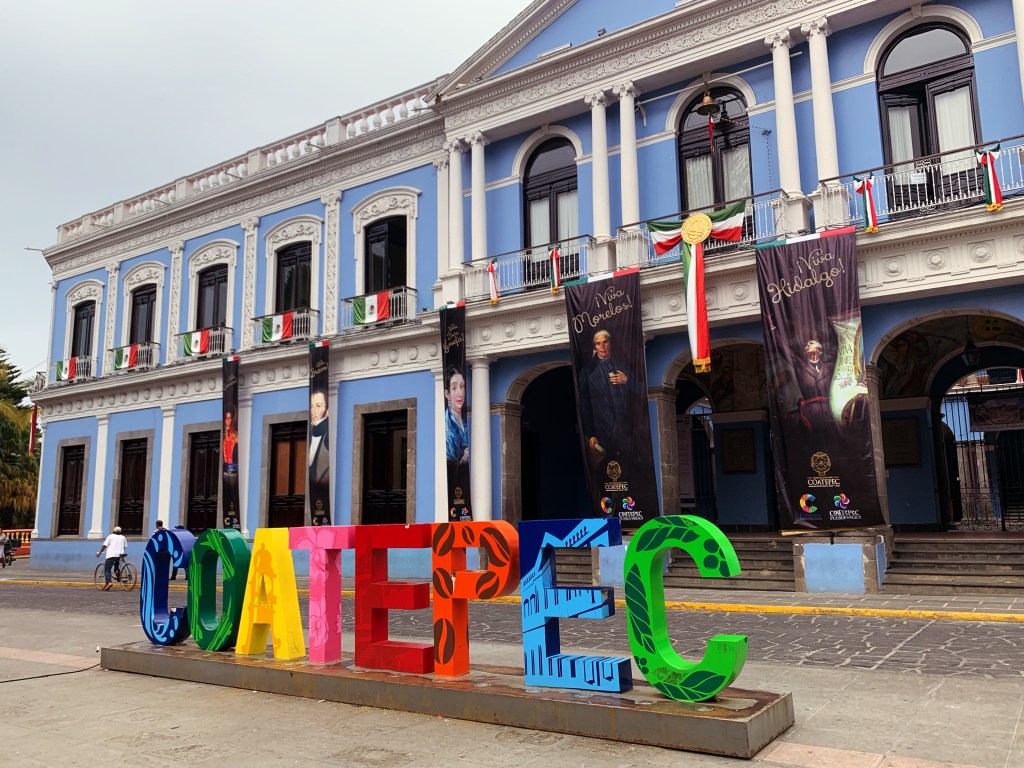
Pueblos Mágicos “Tourism benefits the residents of our Magic Town, improving their quality of life”. It sounds like propaganda to me. Coatepec is proud to be the first town in Veracruz to be designated a Pueblo Mágico. This federal program has been interesting to observe, as I have traveled to a few of them (there are 121 so far). As the ad says, the goal is to encourage tourism. Cities are selected who have a rich history and personify the unique spirit of Mexico. They get funding, as I see the logo everywhere. I believe they fund a tourist office that supports many of the celebrations that happen in the city. I wonder if the ad is hoping to convince residents of the value of the program?

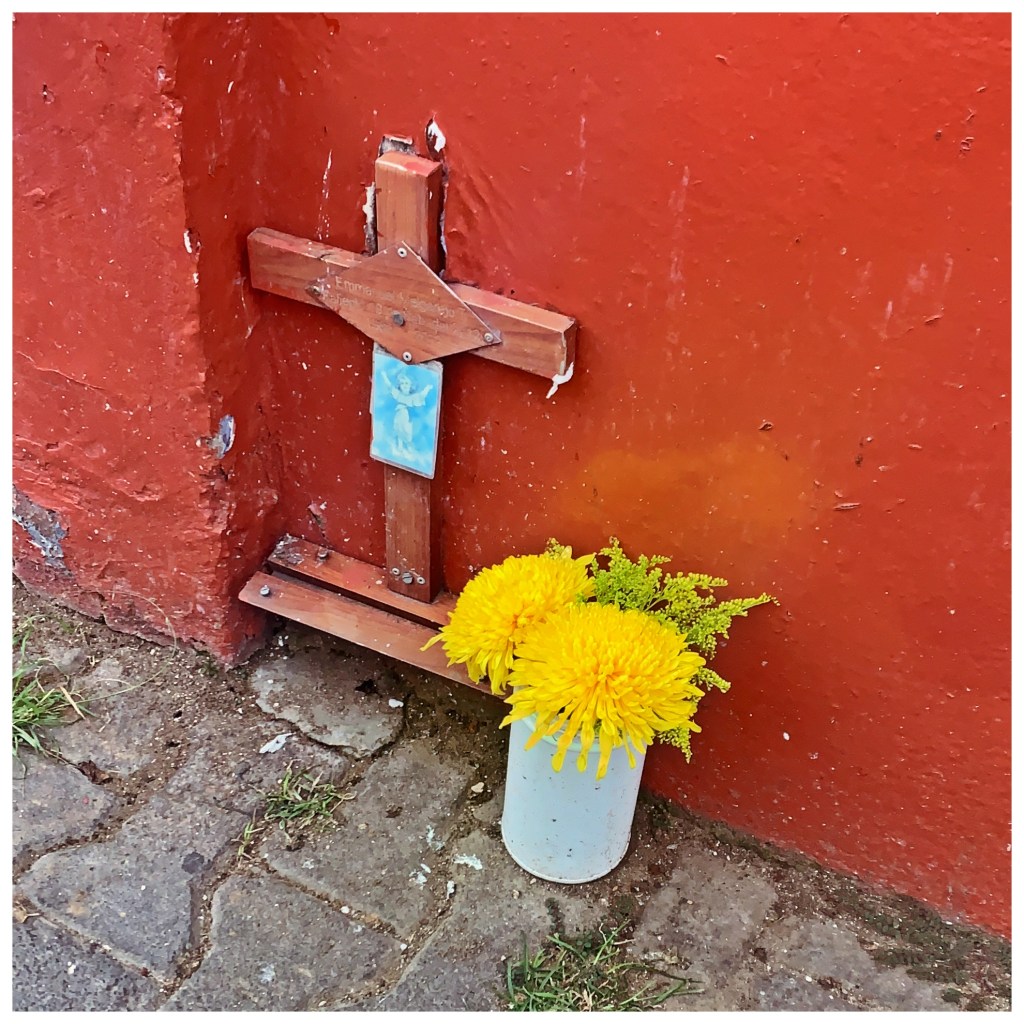
I recall seeing this type of memorial in Whatcom County and I see many in the smaller towns of Mexico. This one, with fresh flowers, is easy to miss as it is small and tucked in. The simple inscription states a name, the date of death, and the date of birth. I love the simplicity and wonder who tends it with fresh flowers.

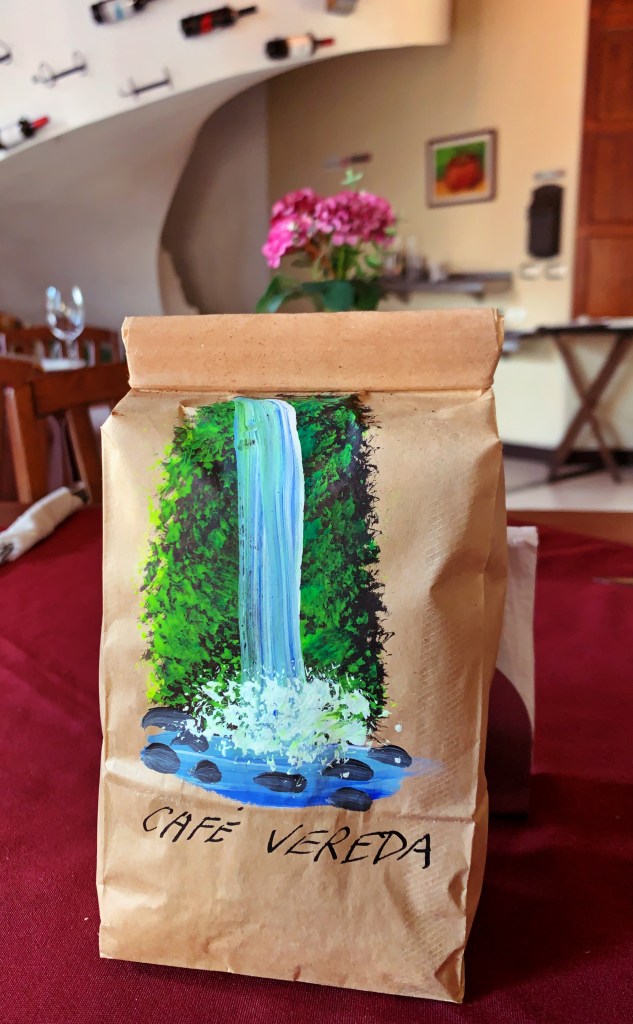
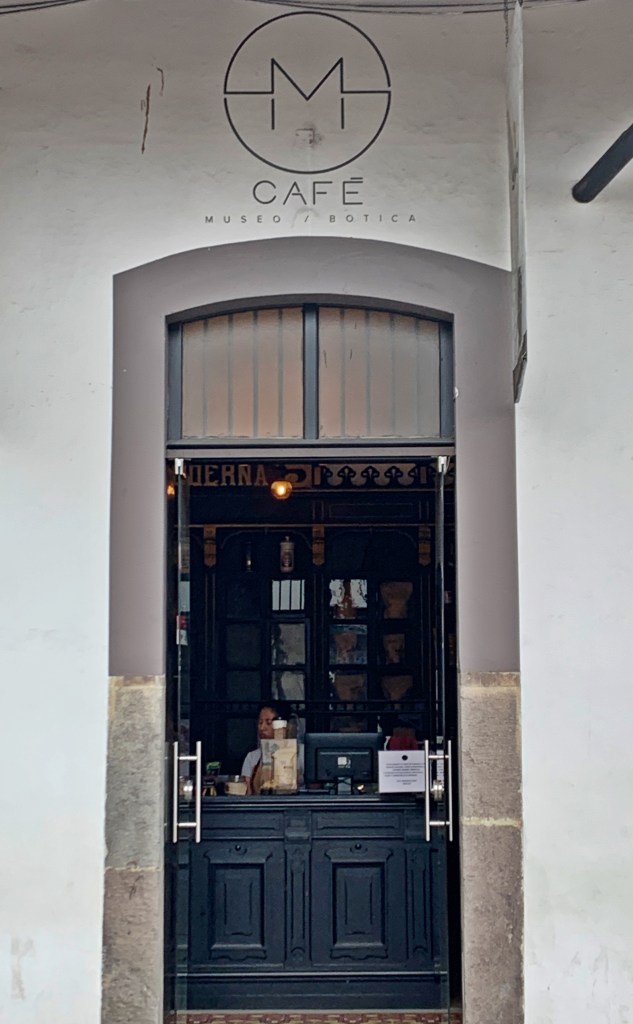
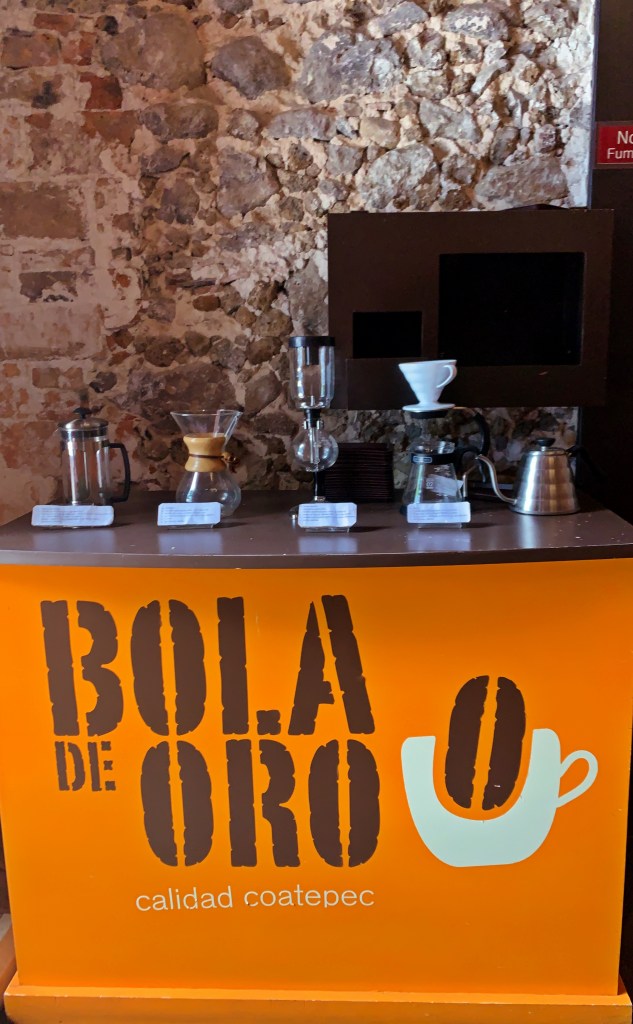
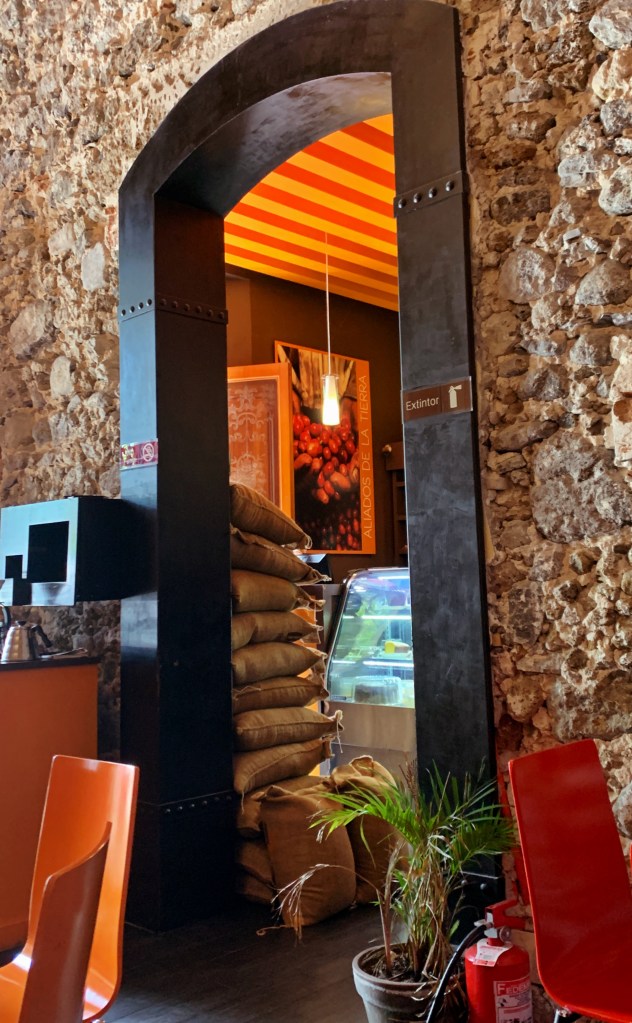
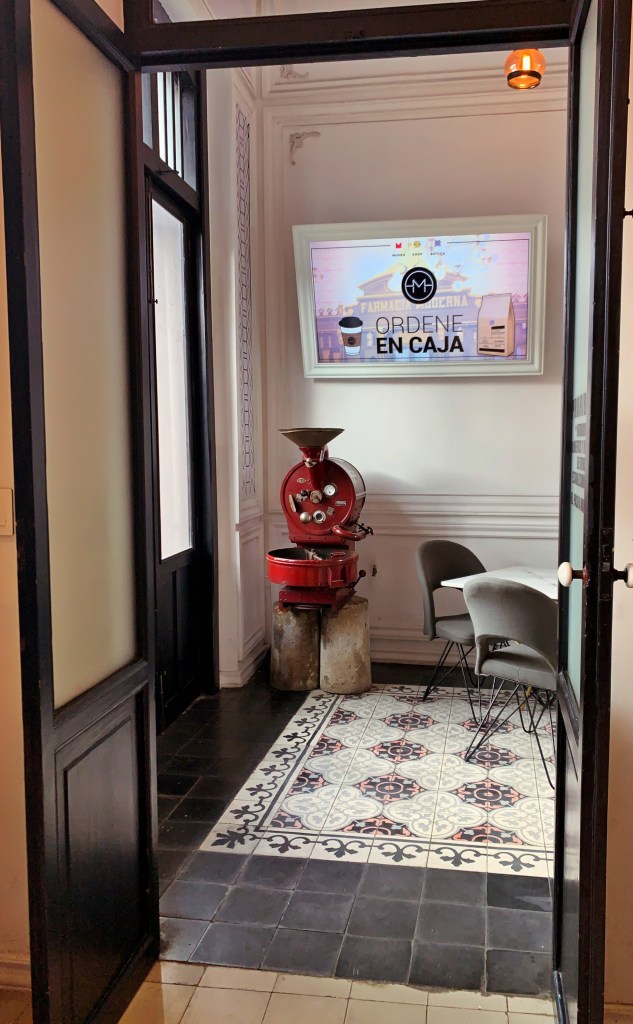
Ok, let’s get serious about coffee! The historical center of town is littered with coffee shops – not just for drinking, they roast and package, too. Walking down the street the coffee smells are intoxicating! This is the first city I have visited where I can consistently get a rich cup of coffee. I have become used to having my americano black because the cream here is powdered (I have tried several times to get real cream, to some strange results). I get some interesting looks when I order it without sugar, but I can relish the flavor that way.

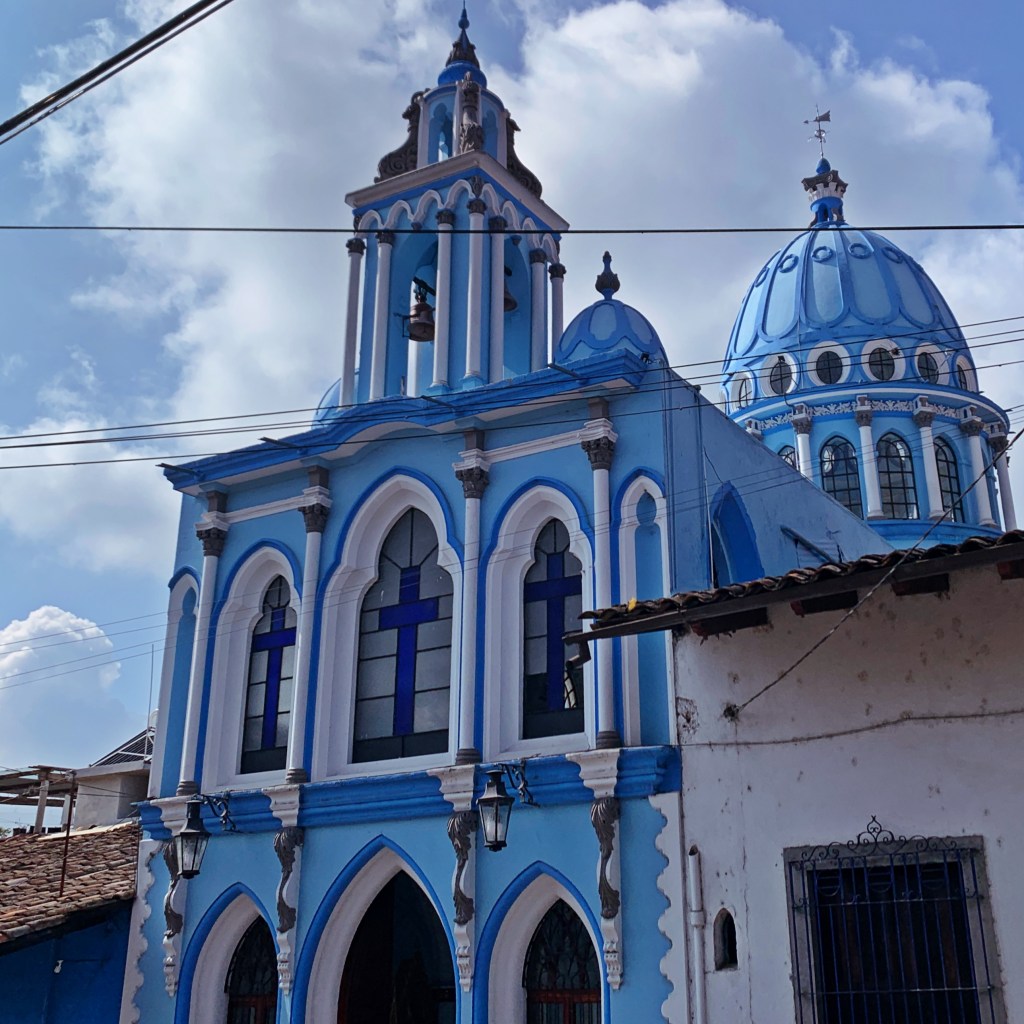
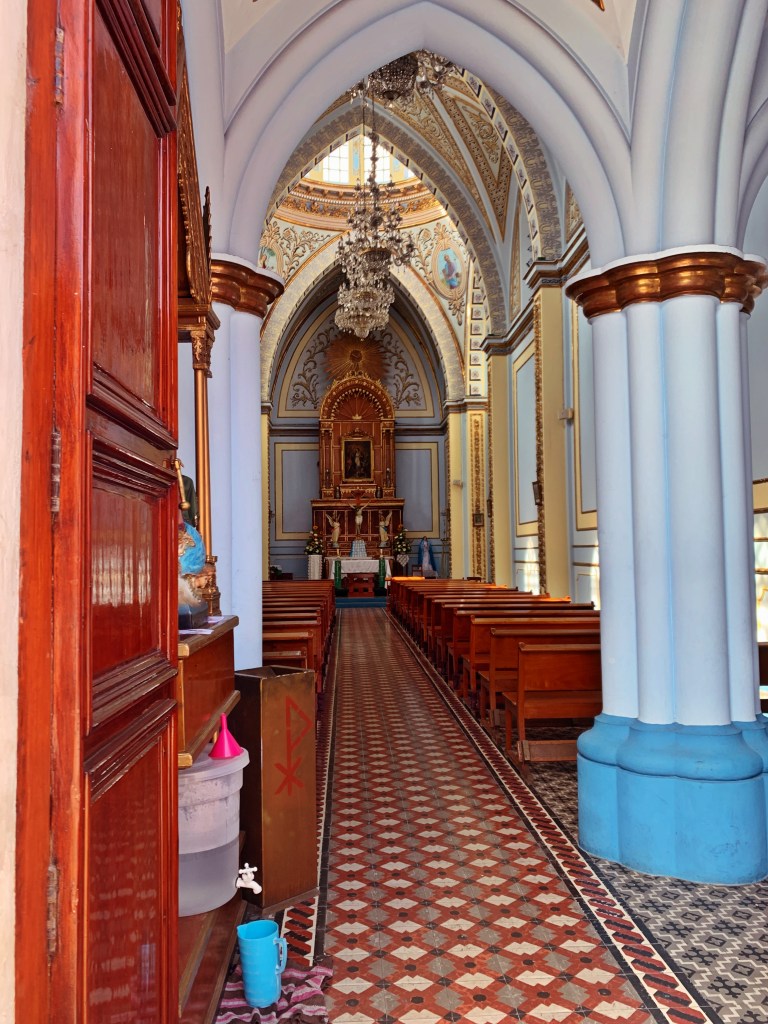
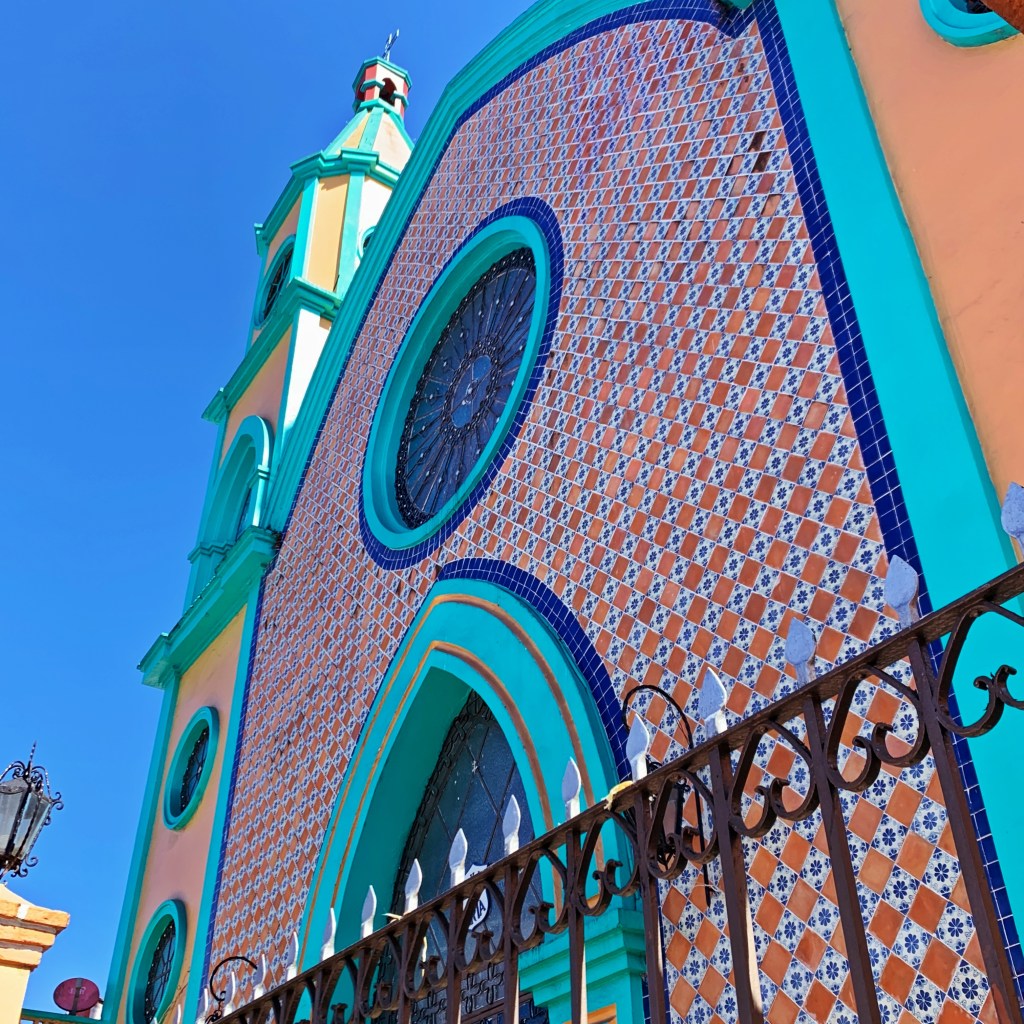
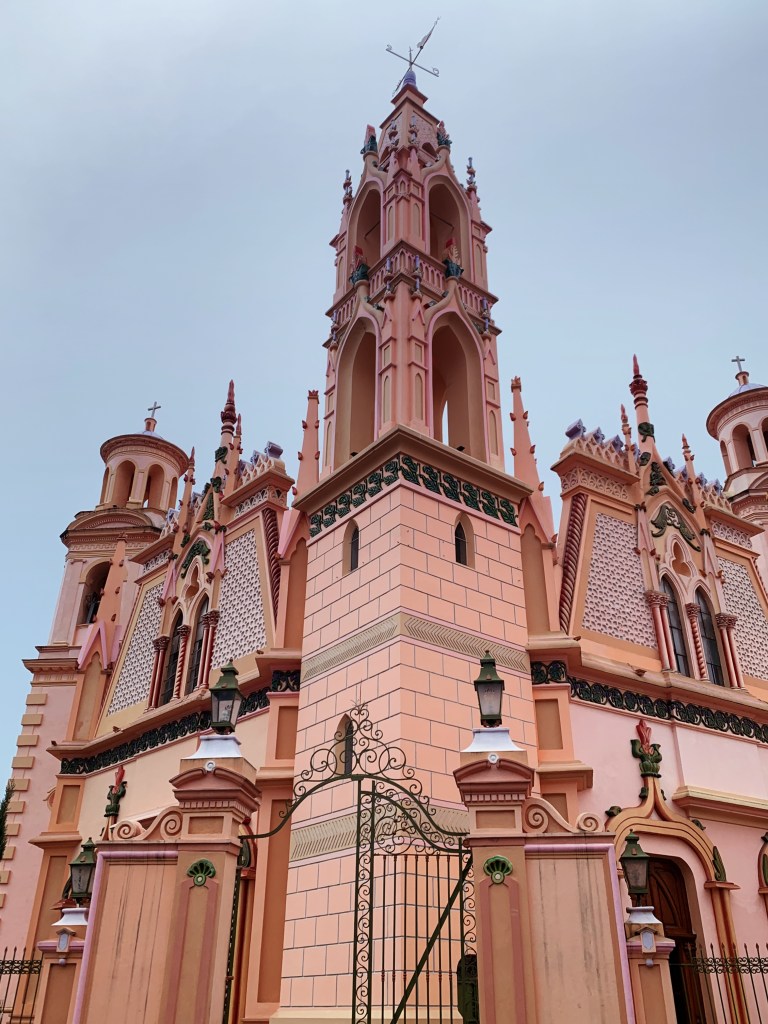
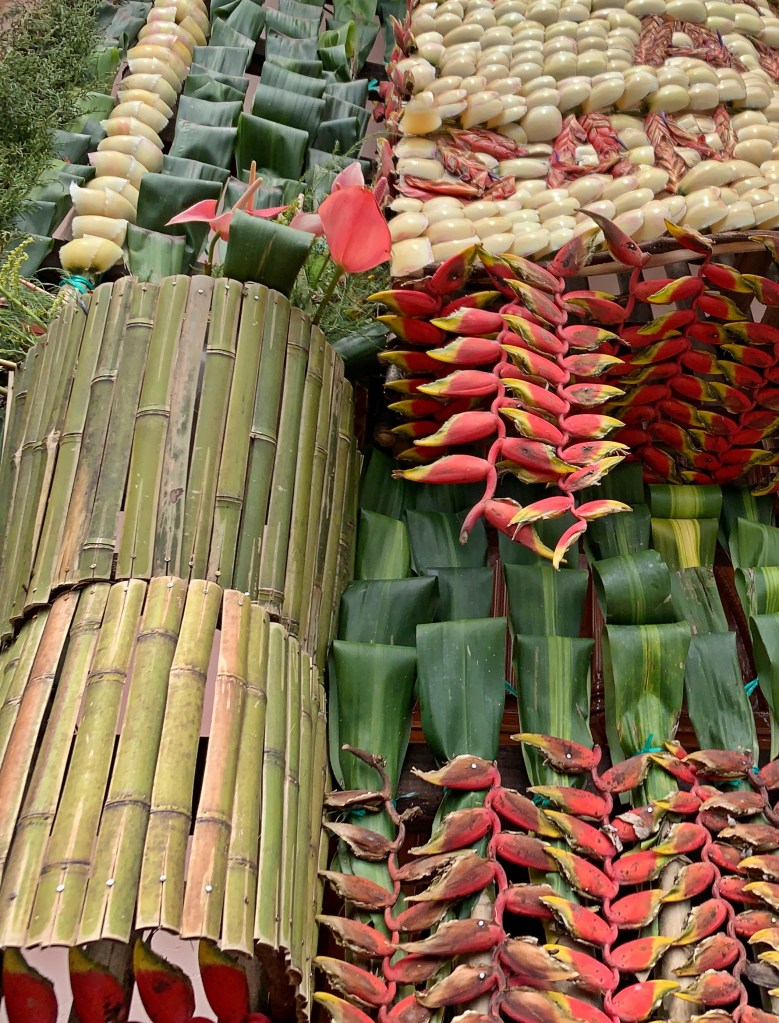
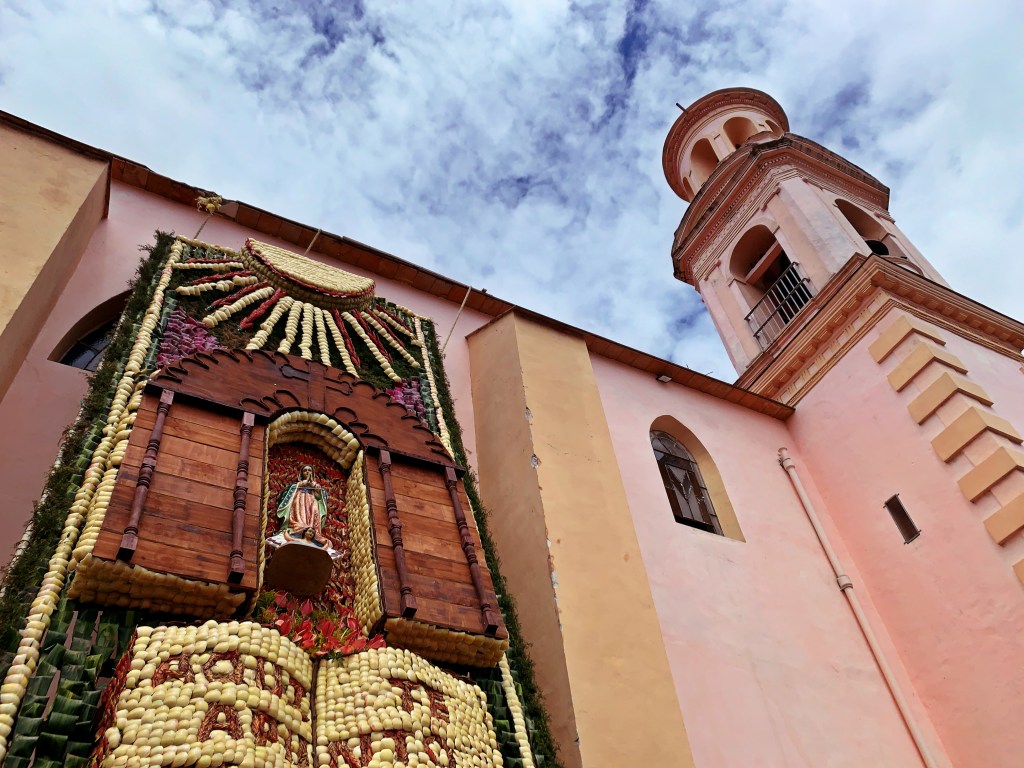
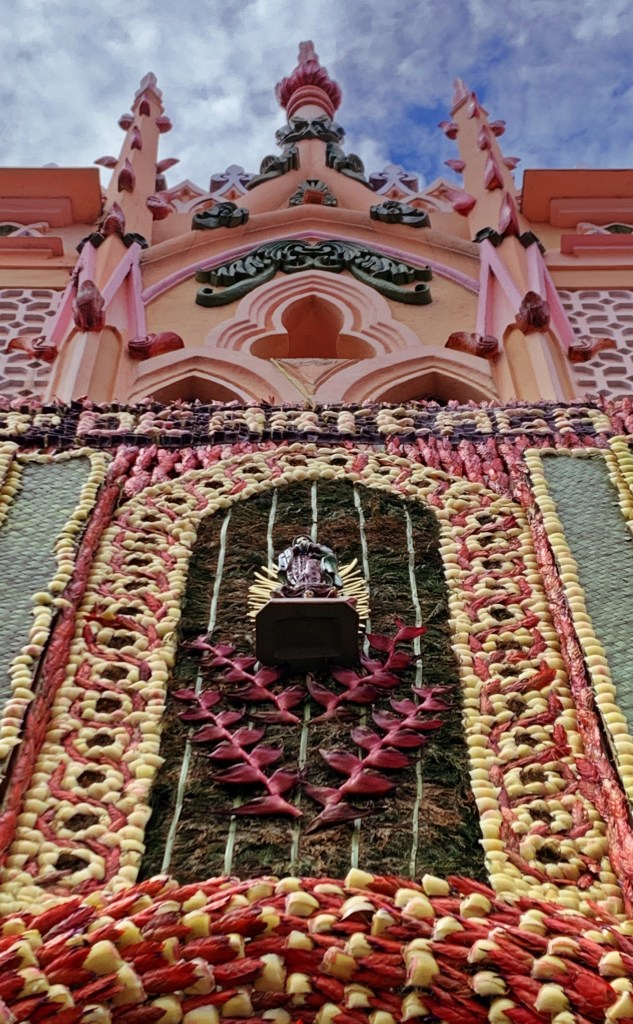
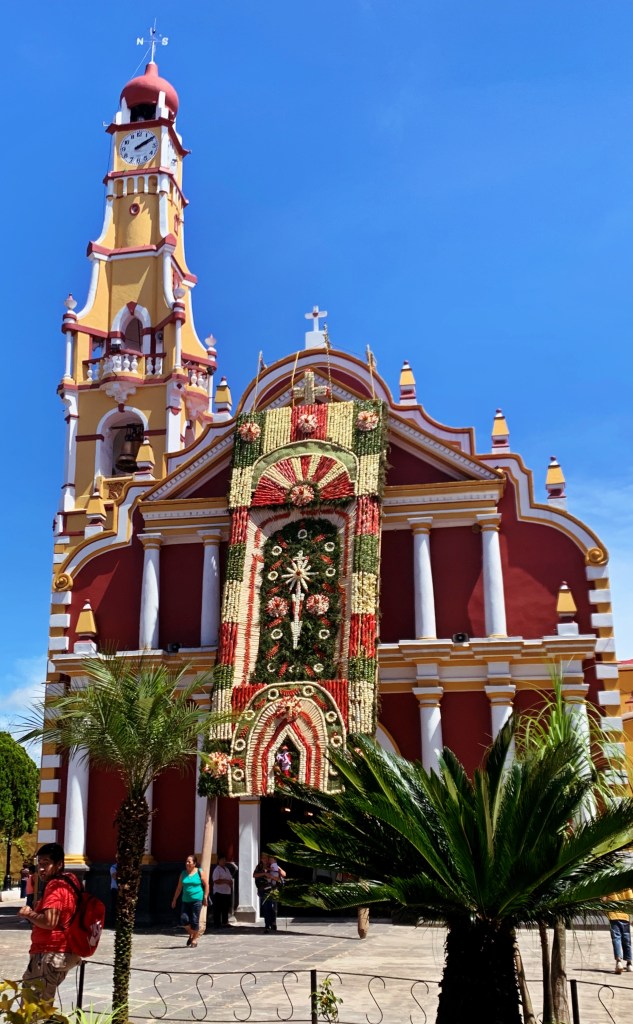
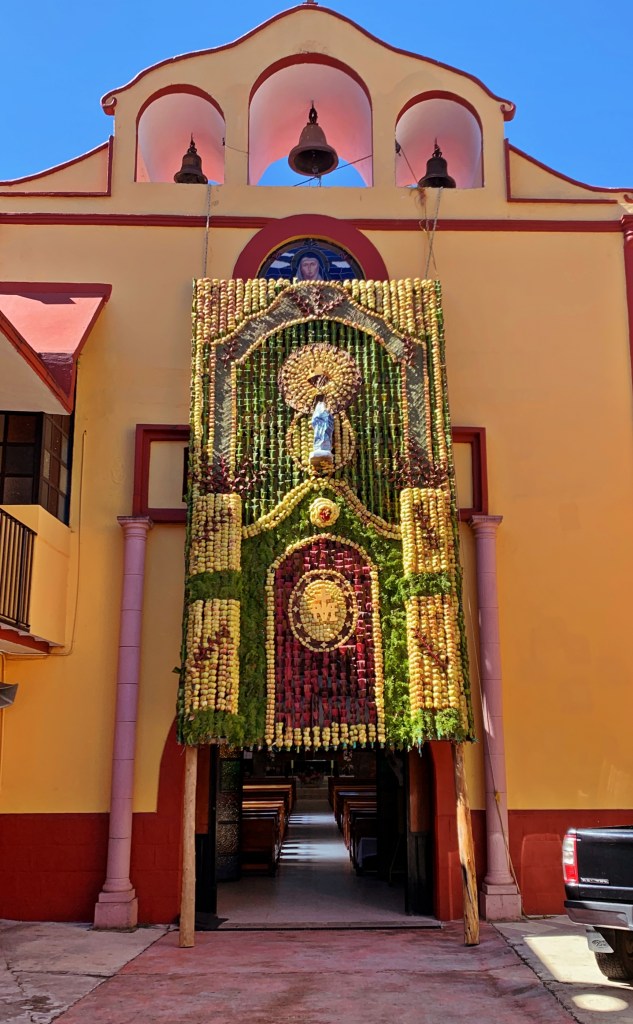
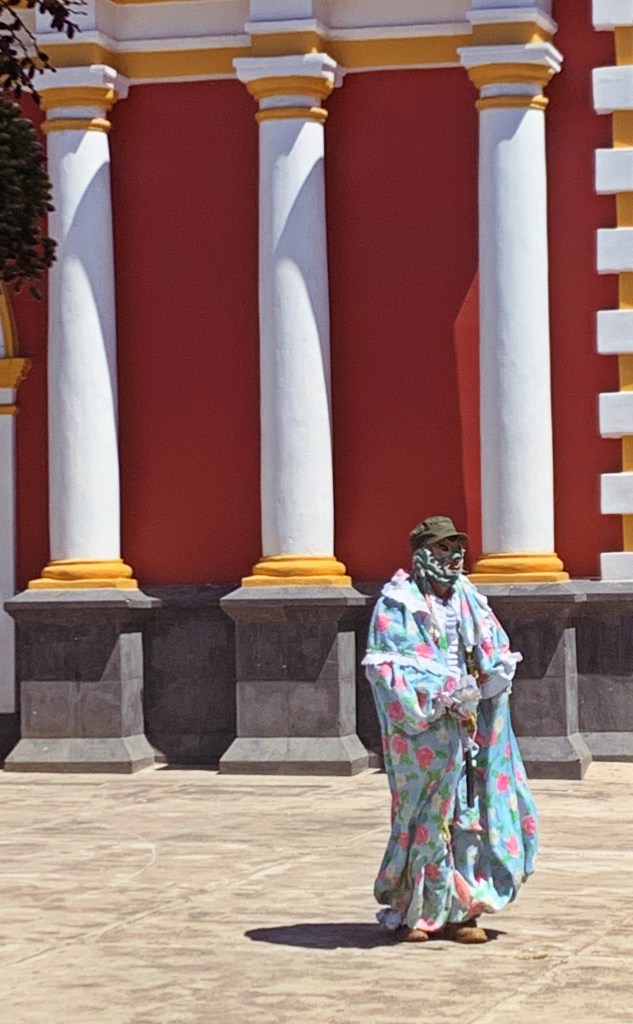
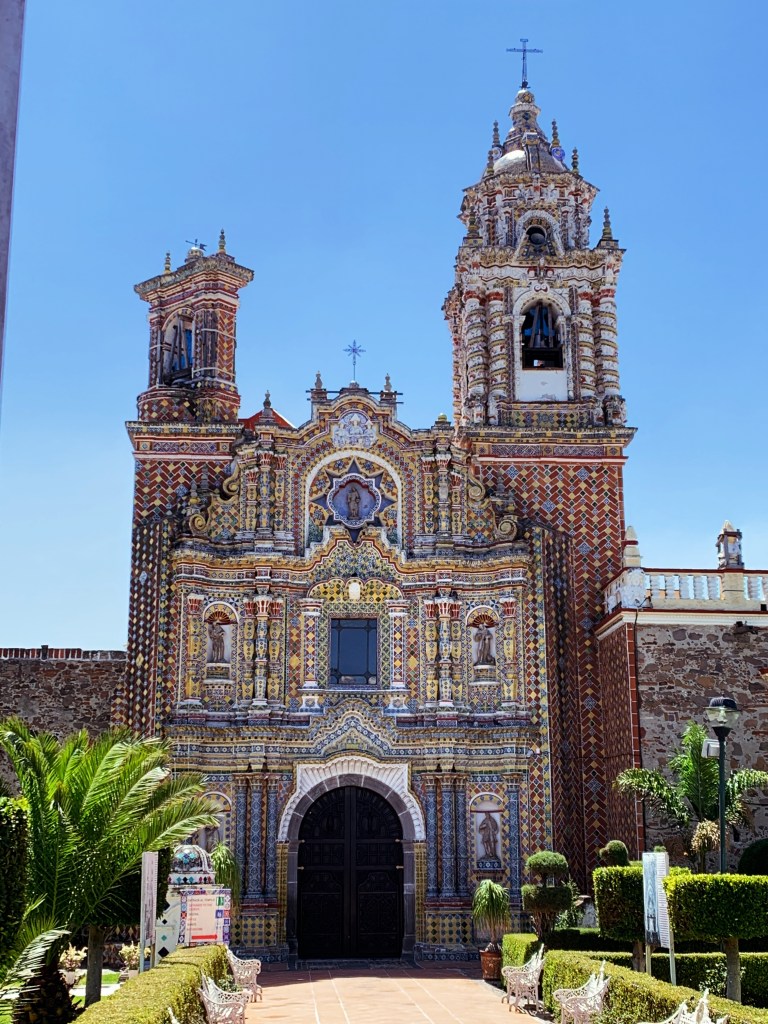
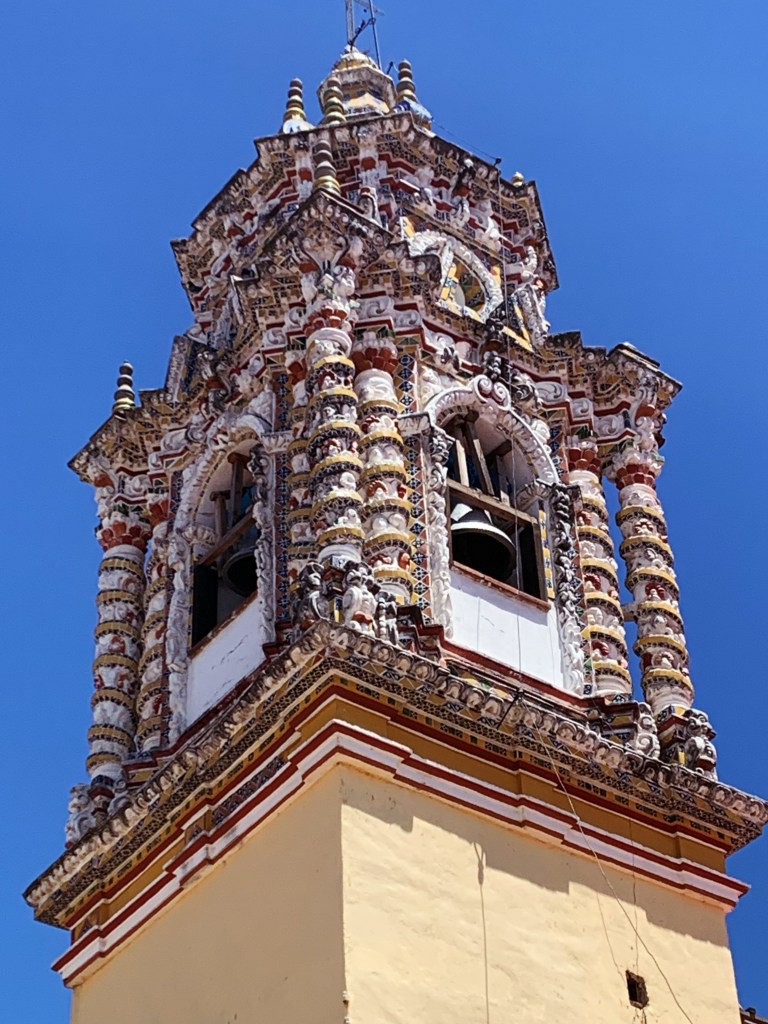
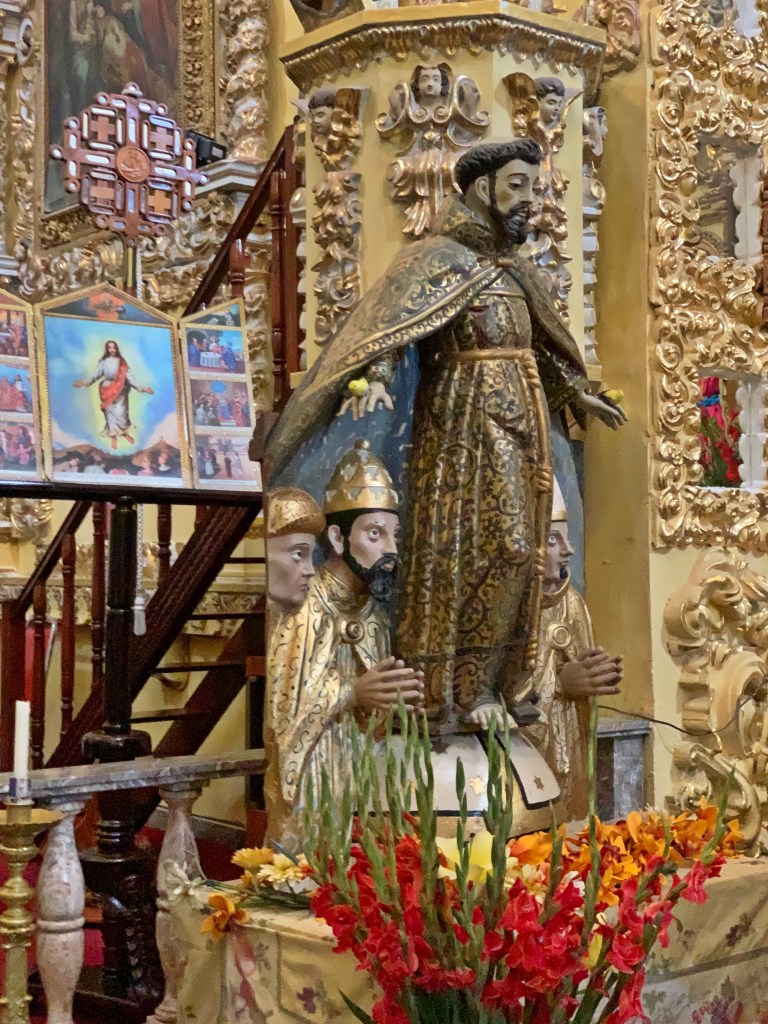
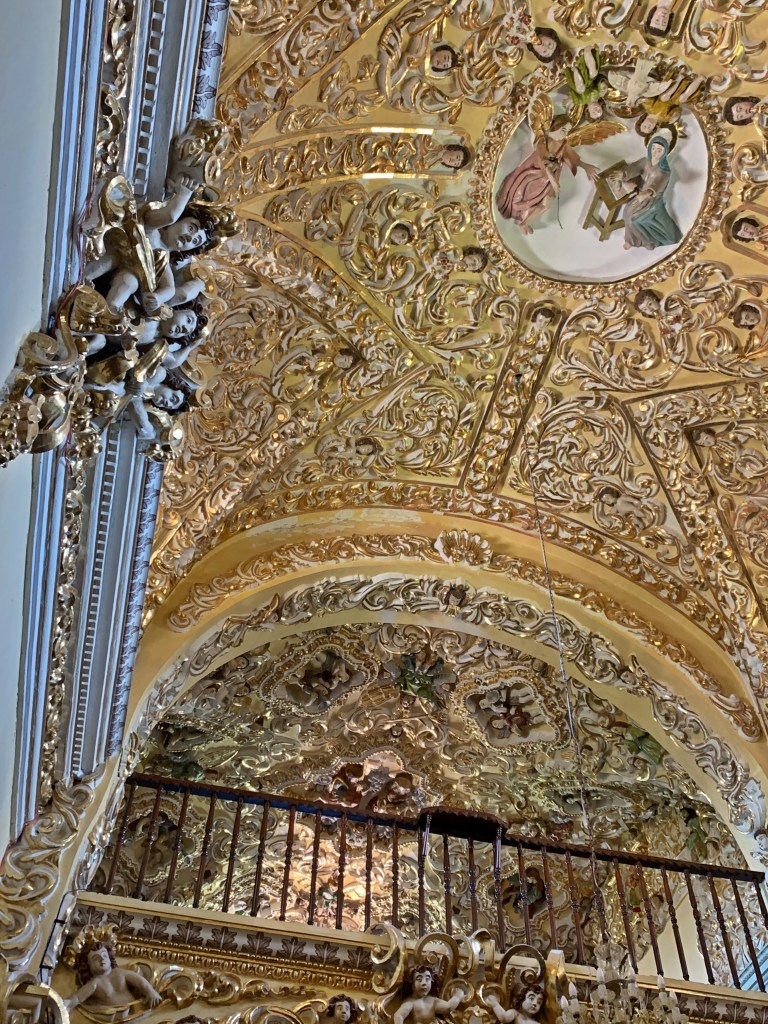
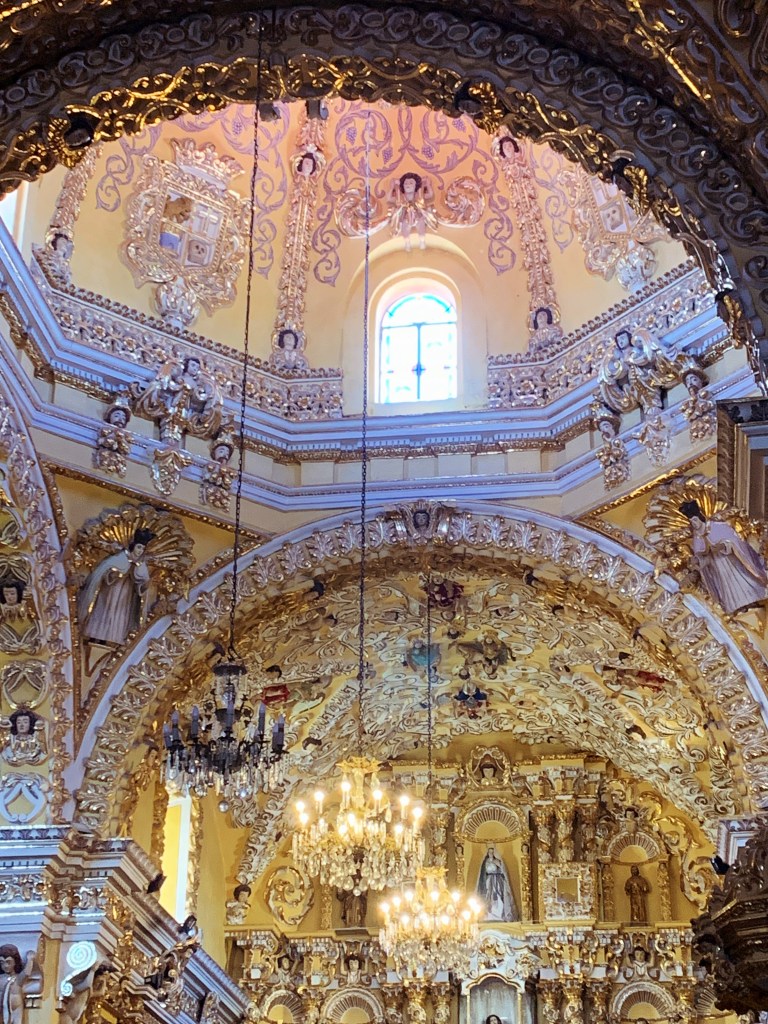
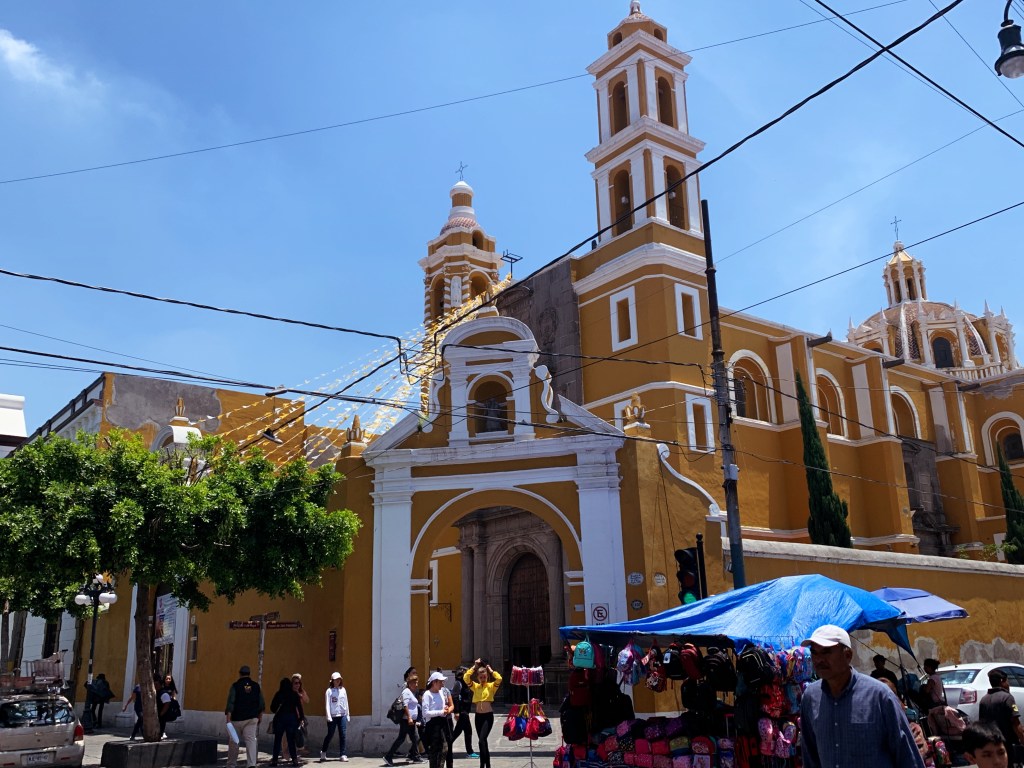
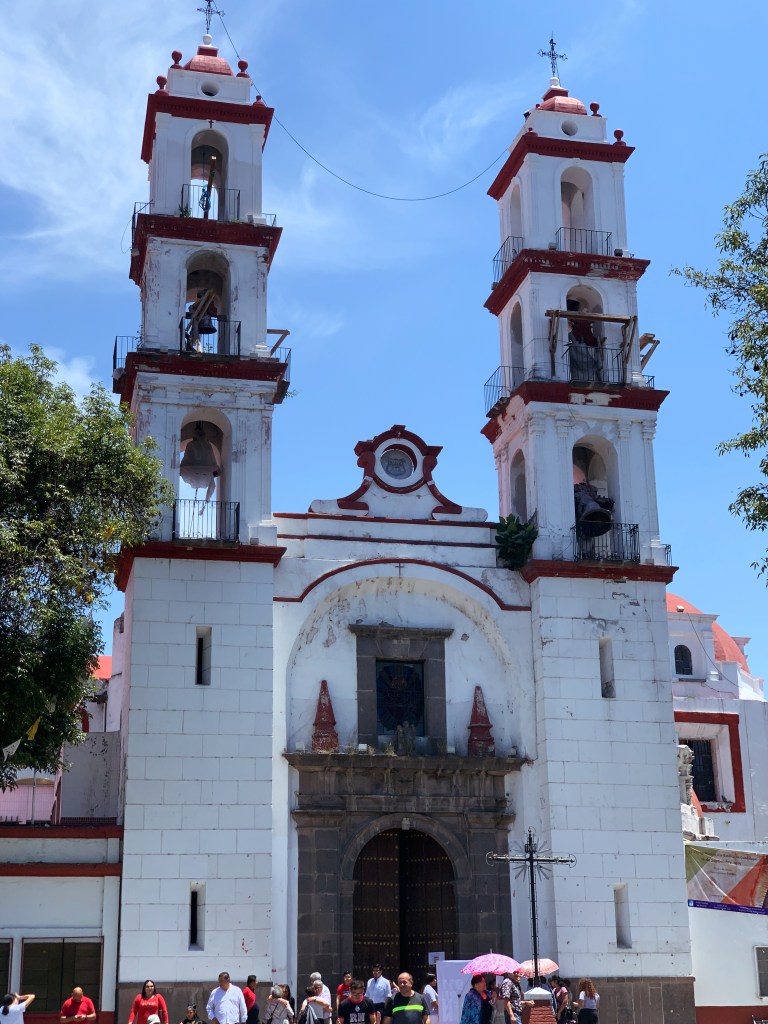
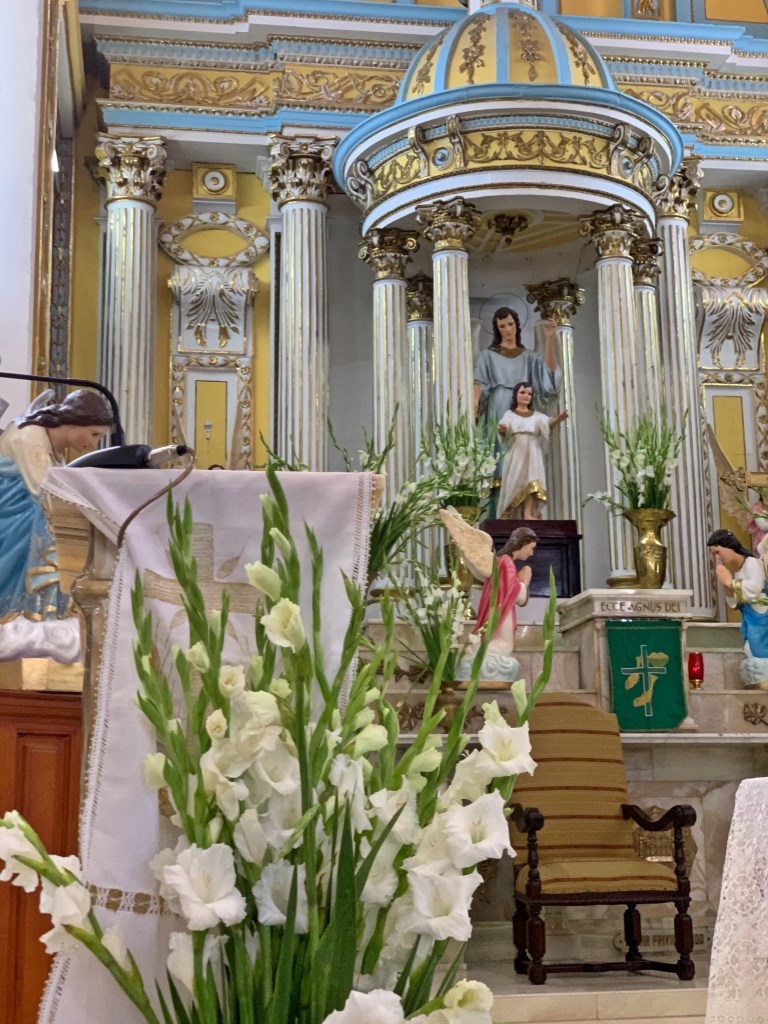
My last post had no churches. I saved them for today! This past week Coatepec vivaciously celebrated its patron saint, San Jerónimo. The churches were the center of the celebrations, so here is a glimpse of some of the festivities.

Beautiful Coatepec, Veracruz

About half the size of Bellingham, Coatapec is a breath of fresh air! With an elevation around 1,200 feet, the climate is quite tropical and cooler than Veracruz – yay! We are in the rainy season, but the rain has generally kept to late afternoon and evening. The morning temperatures are a humid 67 degrees, warming up to the high 70’s. Though quite tolerable, I tend to go out in the morning and return by 1 pm to spend the warmest part of the day indoors. Towards the evening, I go out again. Because I have rented a room without a kitchen, or even a fridge, these times coordinate with my meal times. The birds sing, the insects are active, stuff grows and life seems rich in Coatepec.

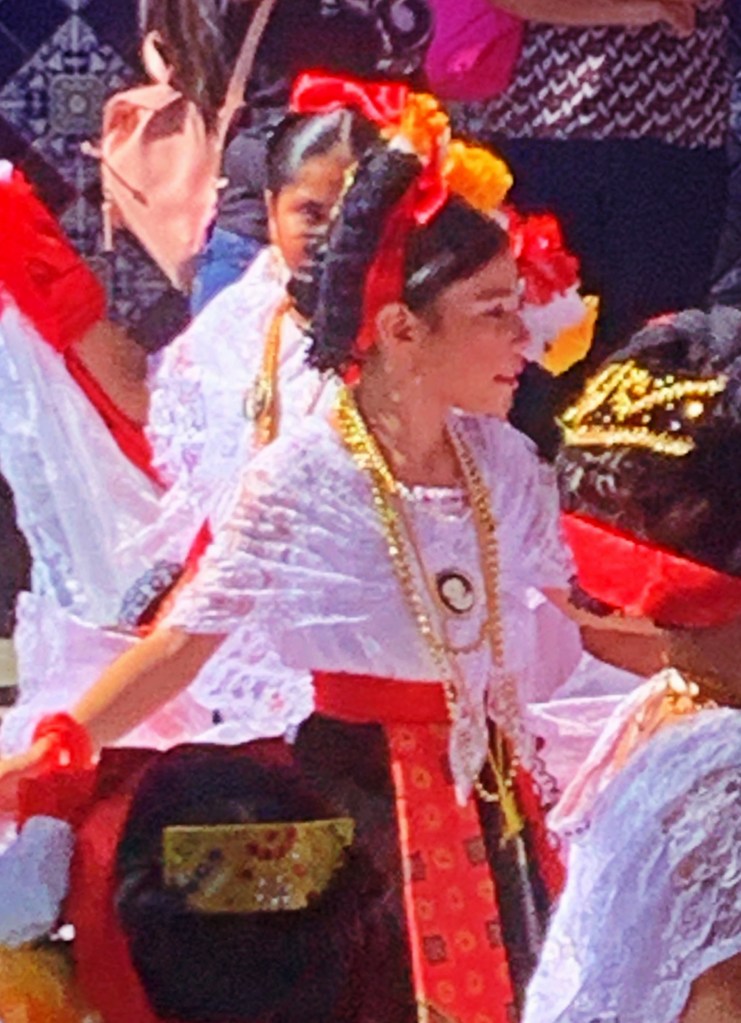
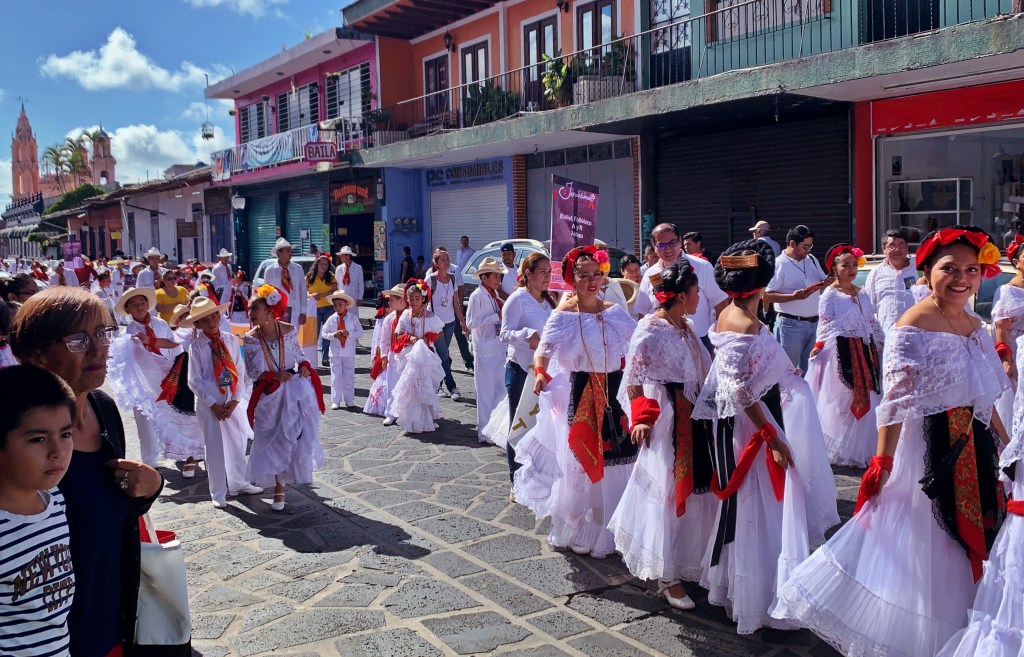
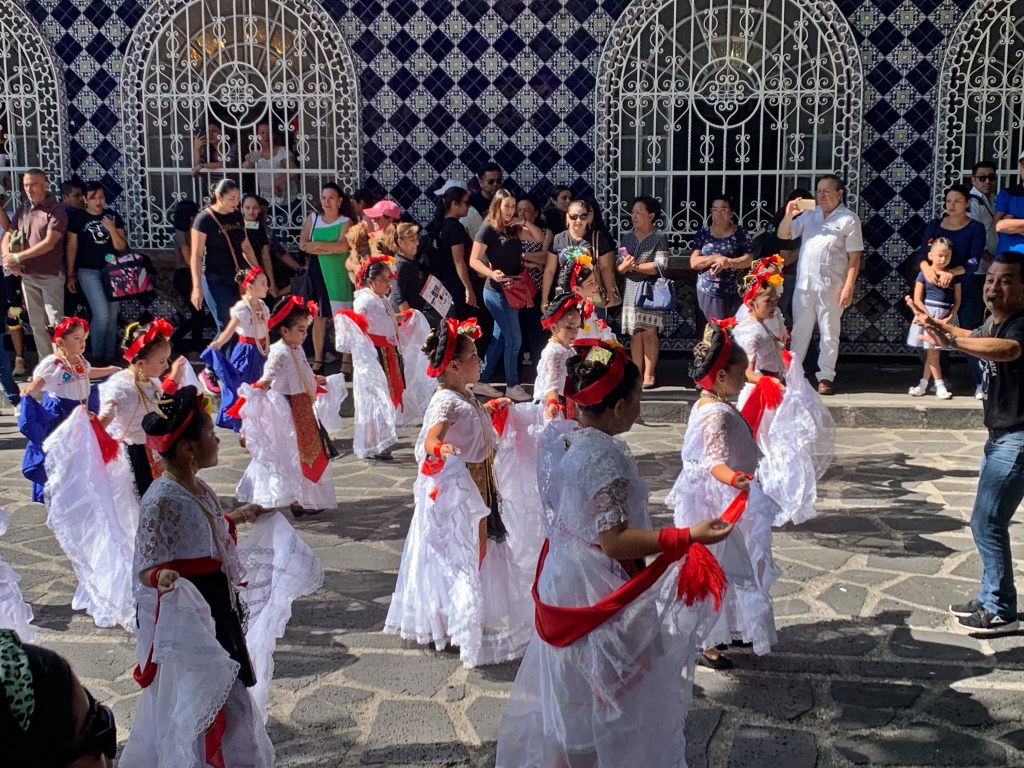
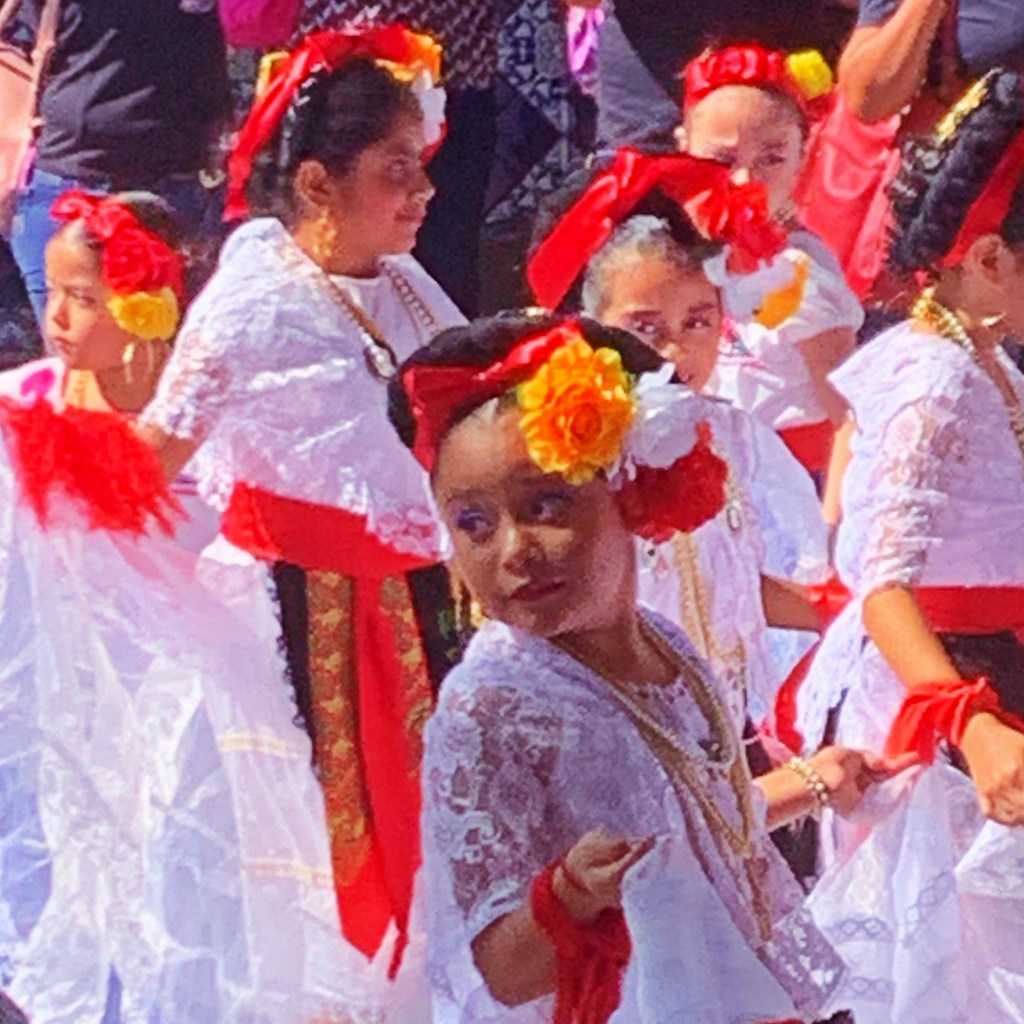
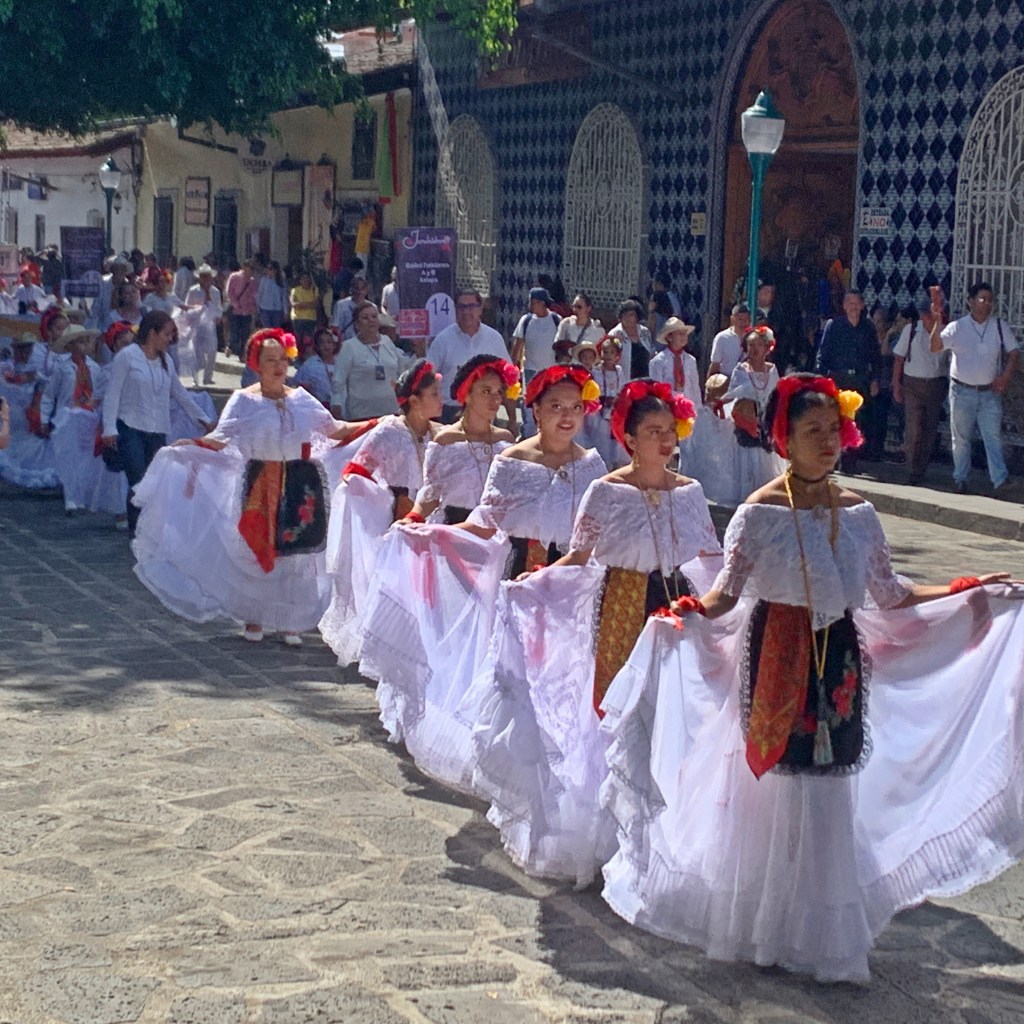
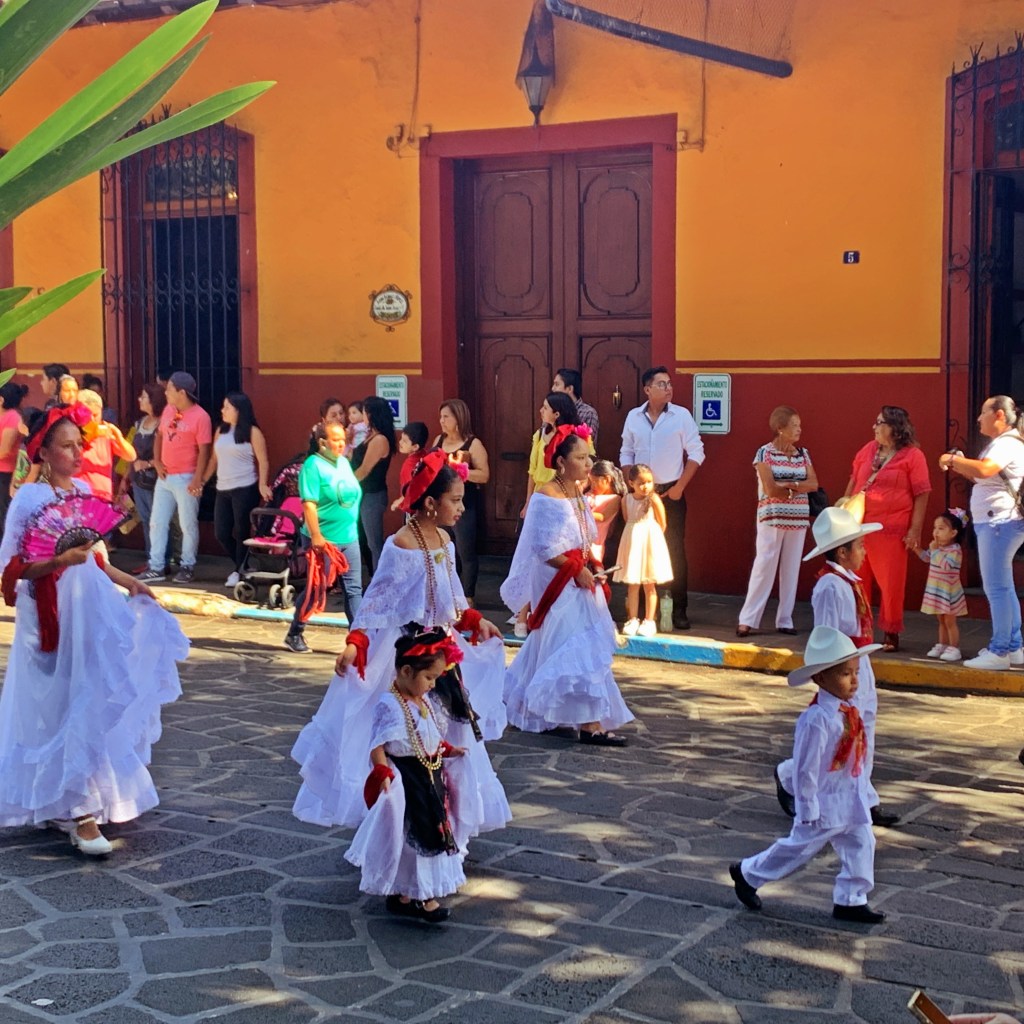
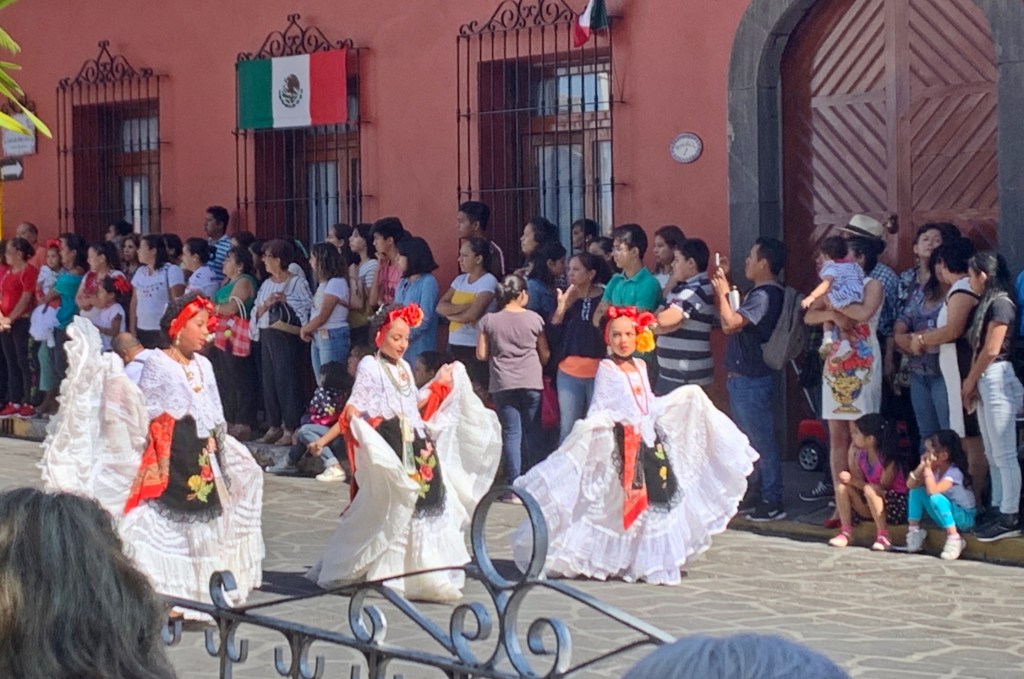
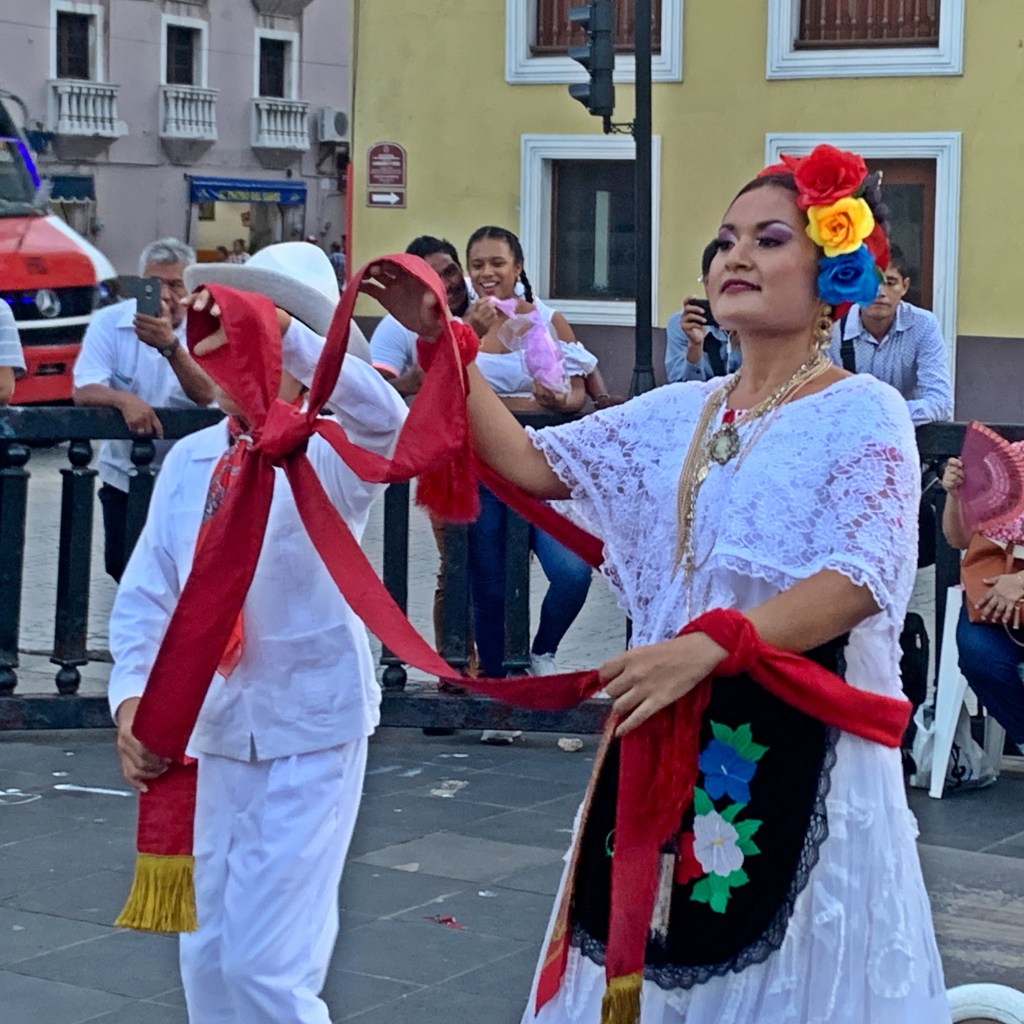
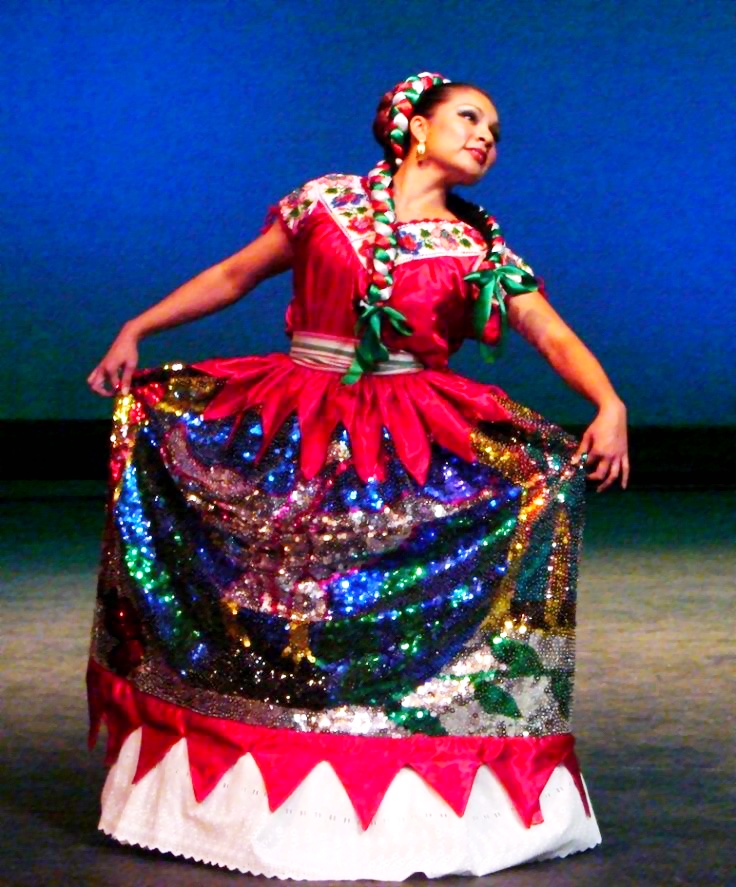
I was in Veracruz for Independence Day – I thought that was it. But it is more like a week long celebration. Traditional song and dance are ways to celebrate the week. So, in Coatepec, I ran into the sweetest parade of dancers from 3 to 73 yeas of age – mostly women, but a fair number of men! They were all dressed in the traditional Veracruz outfit. There were dancers as far as the eye could see – around the block and down the street. Of course family members were huddled around with cameras and water supporting their dancer. As traditional Mexican dancing was one of the activities I enjoyed when I was young, this was a delight for me!
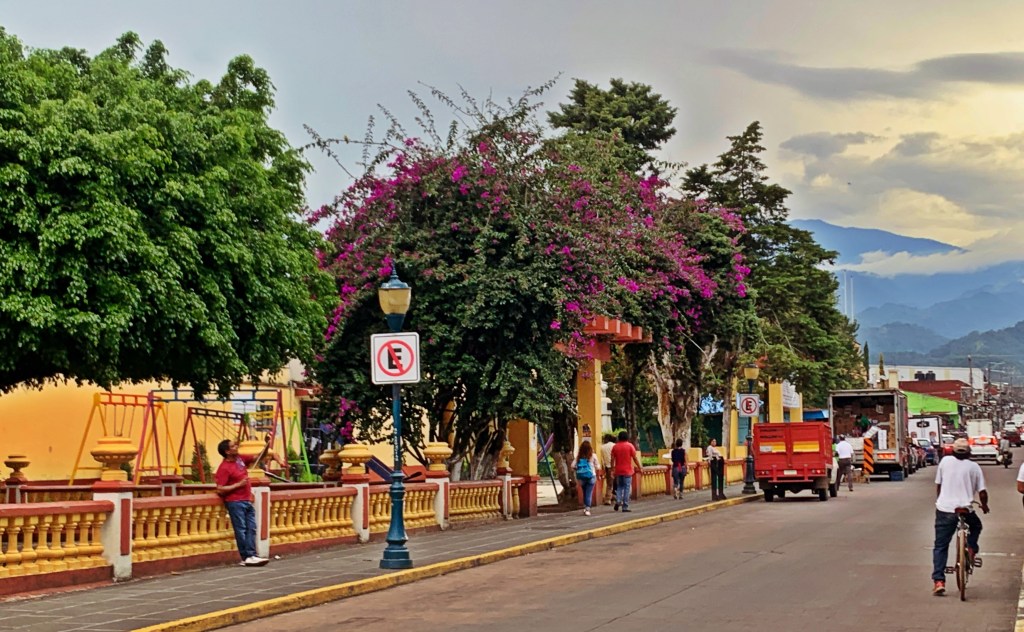
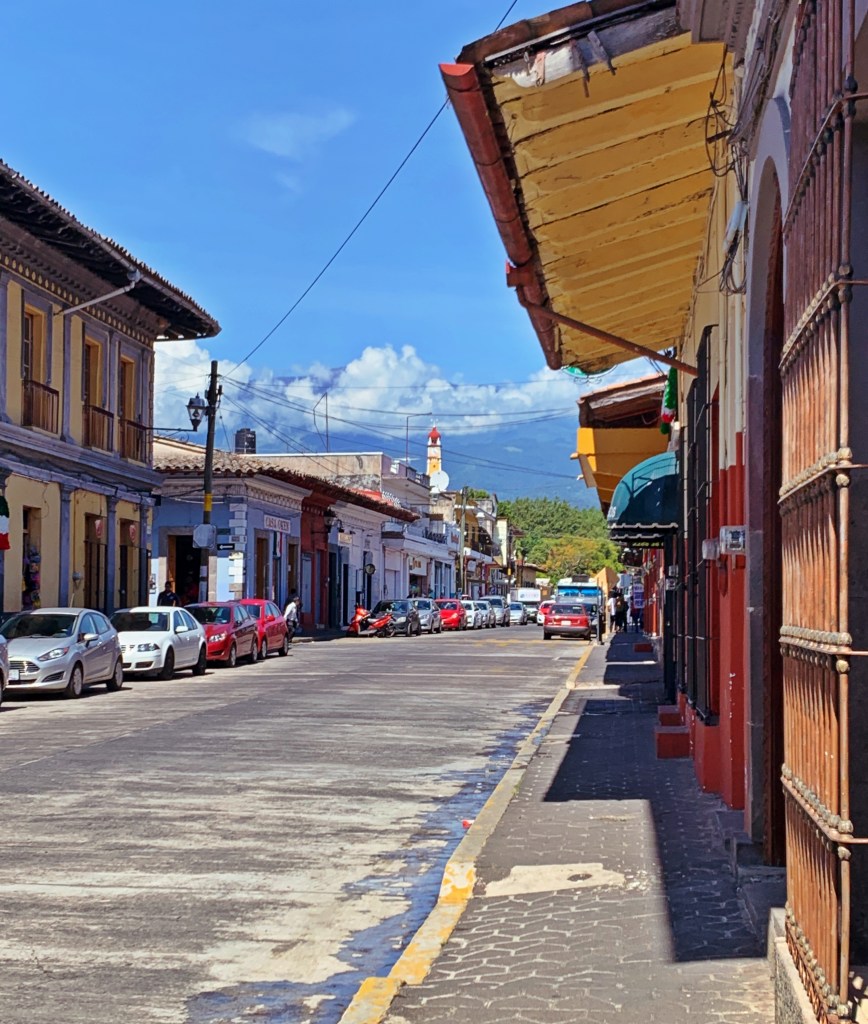
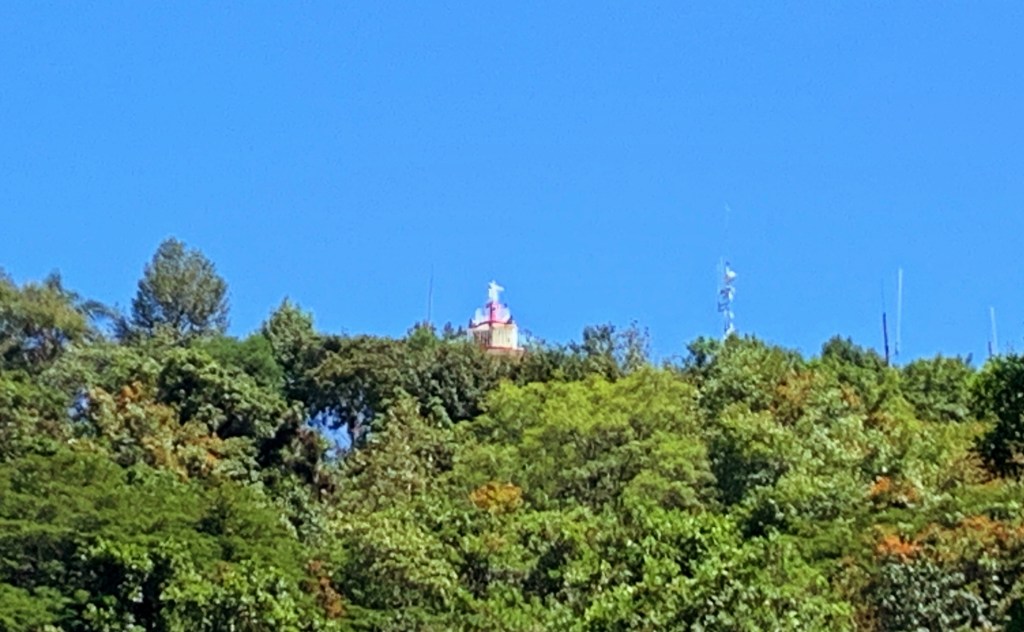
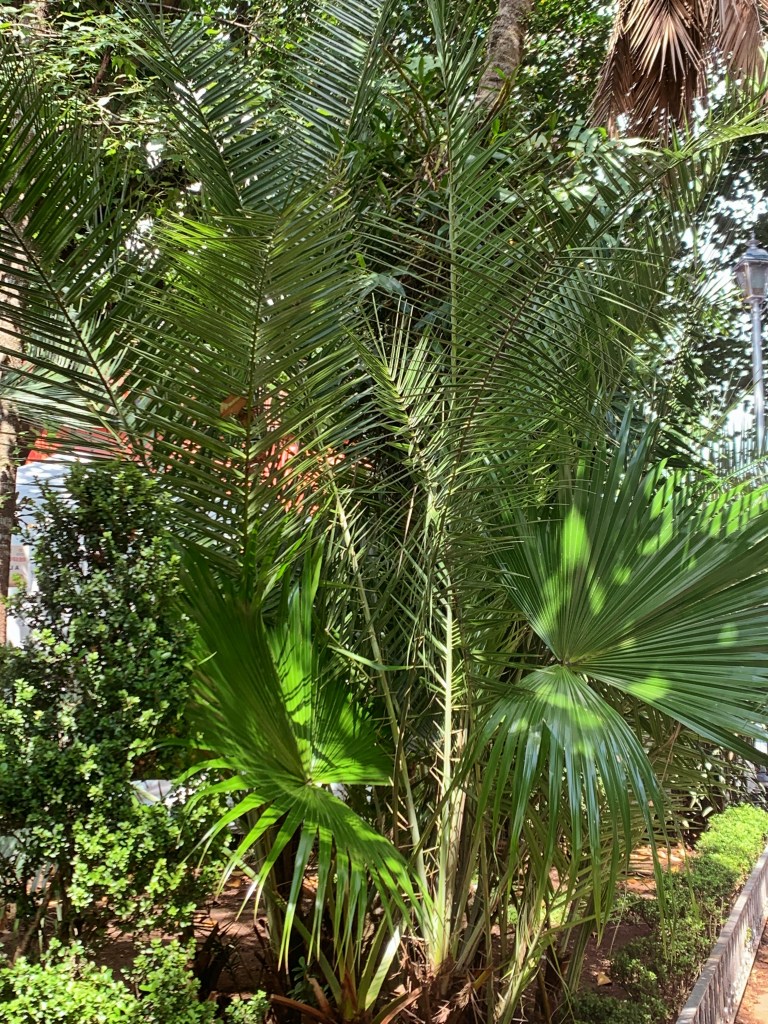
Green things grow well here – a bit like home, but warmer! I tried to walk to the Mirador on top of Cerro de las Culebras (Hill of the Snakes). The first four photos document that journey – close, but not to the top.

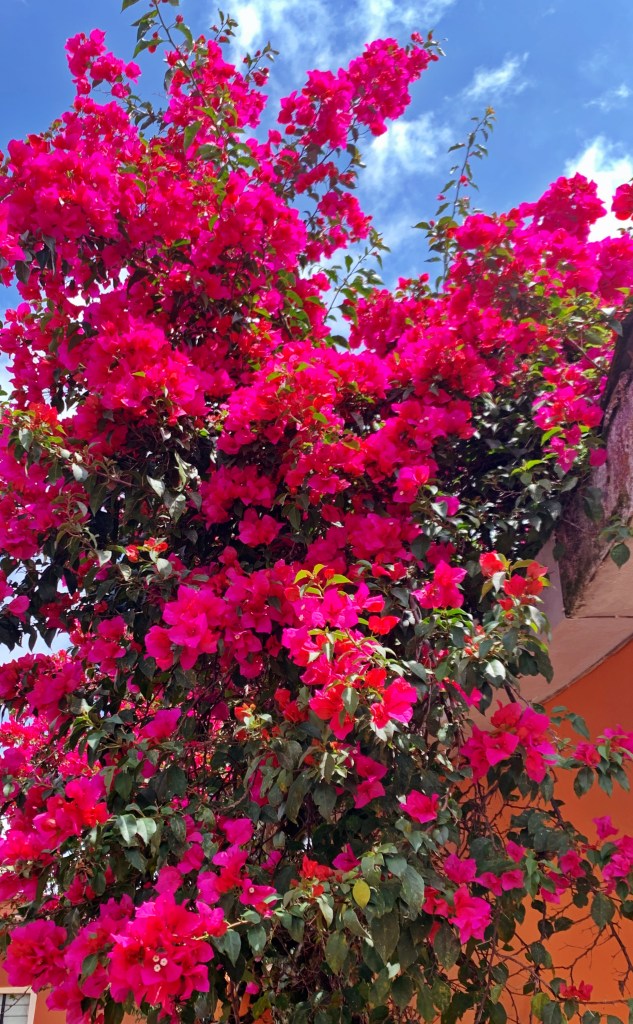
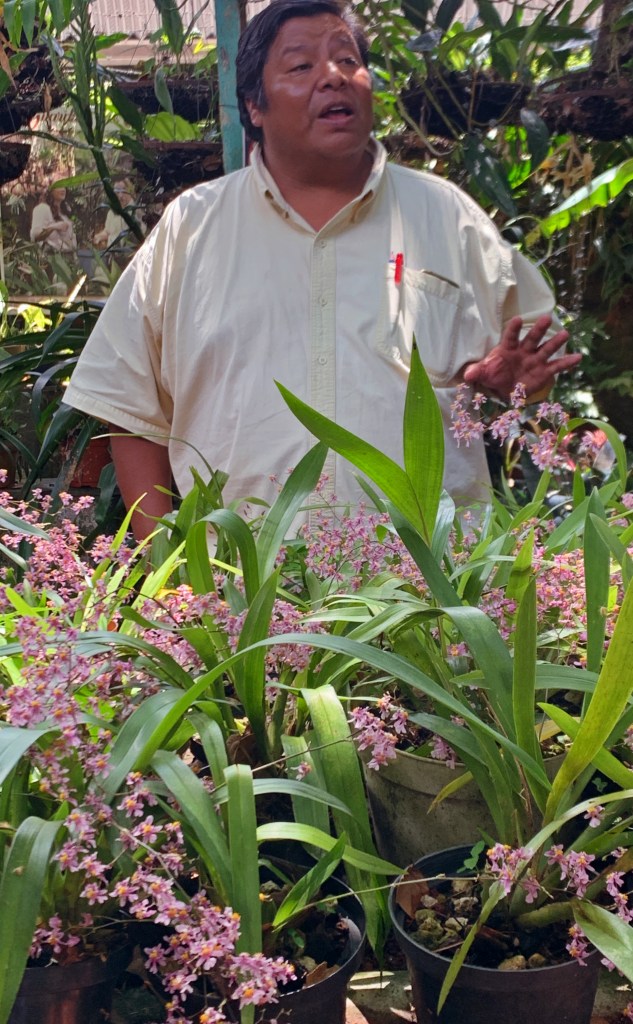
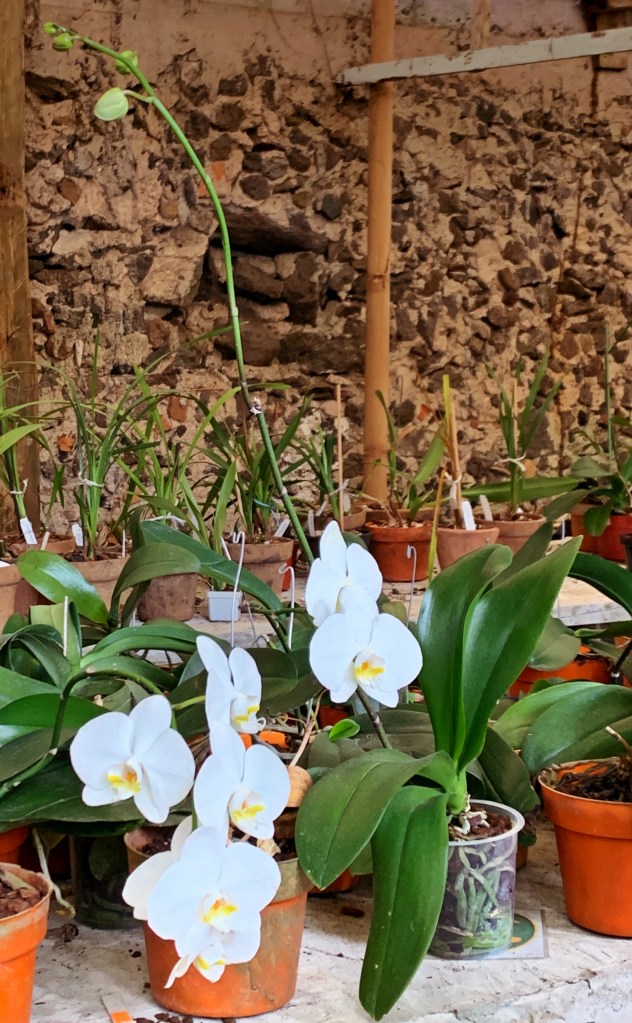
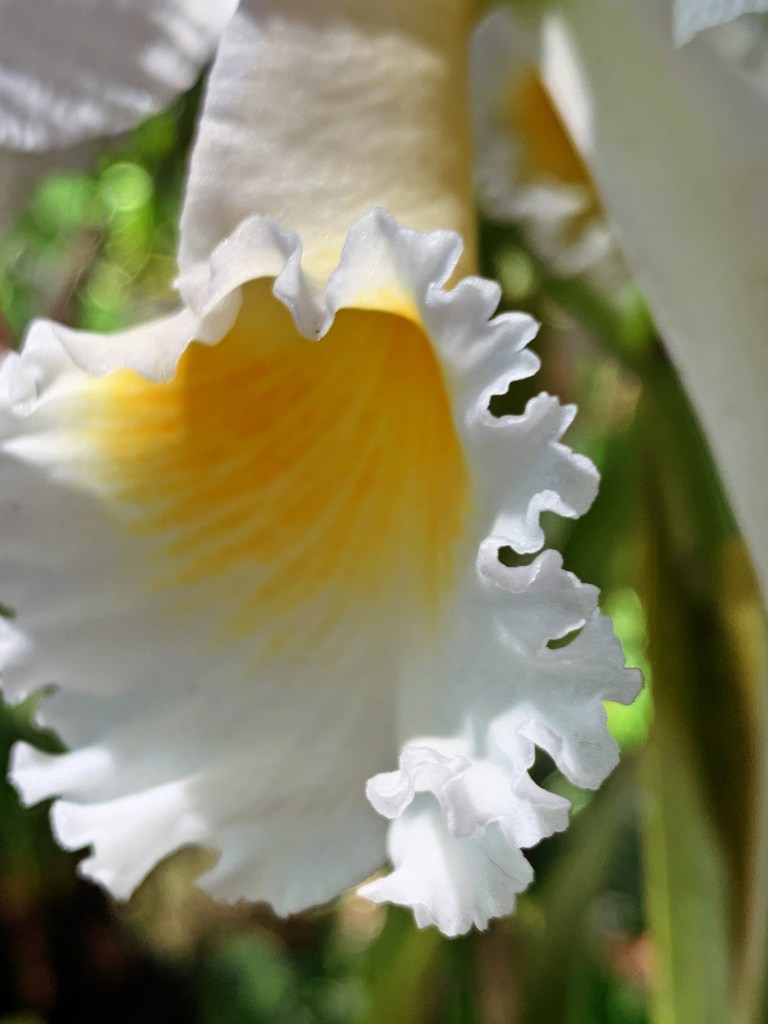
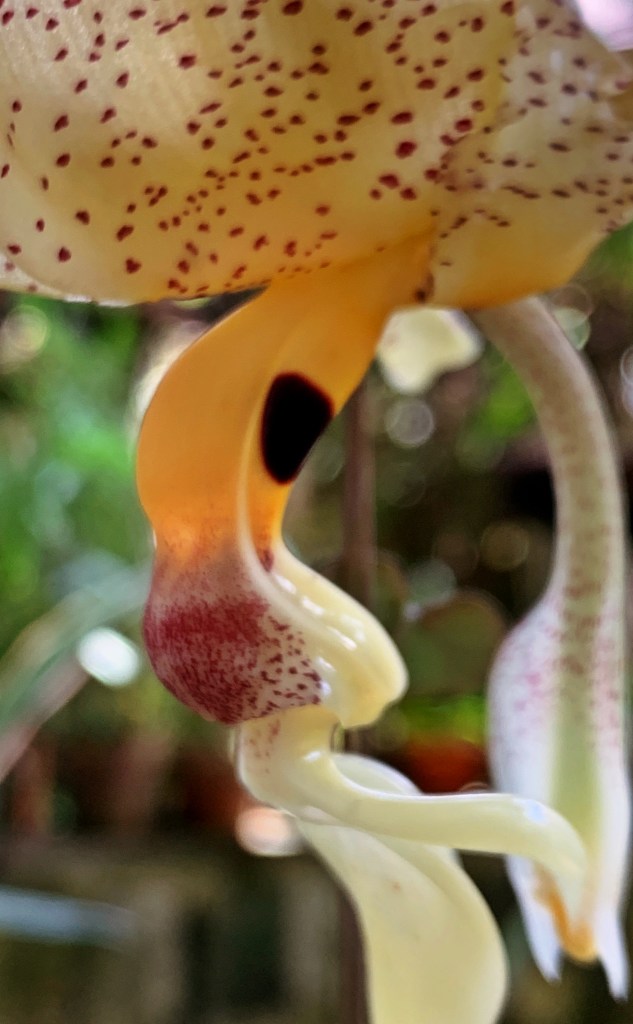
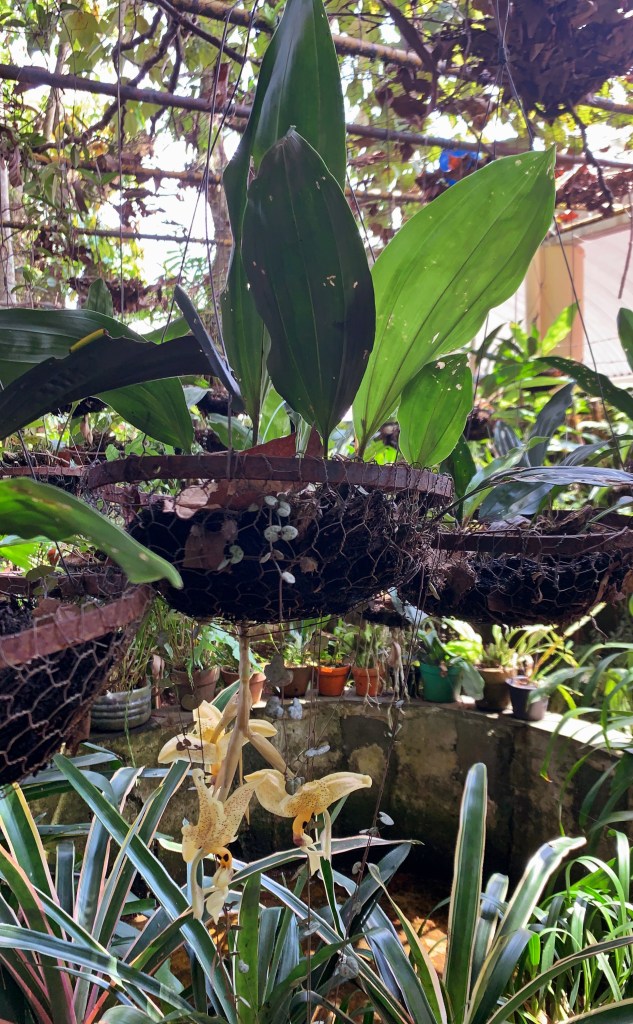
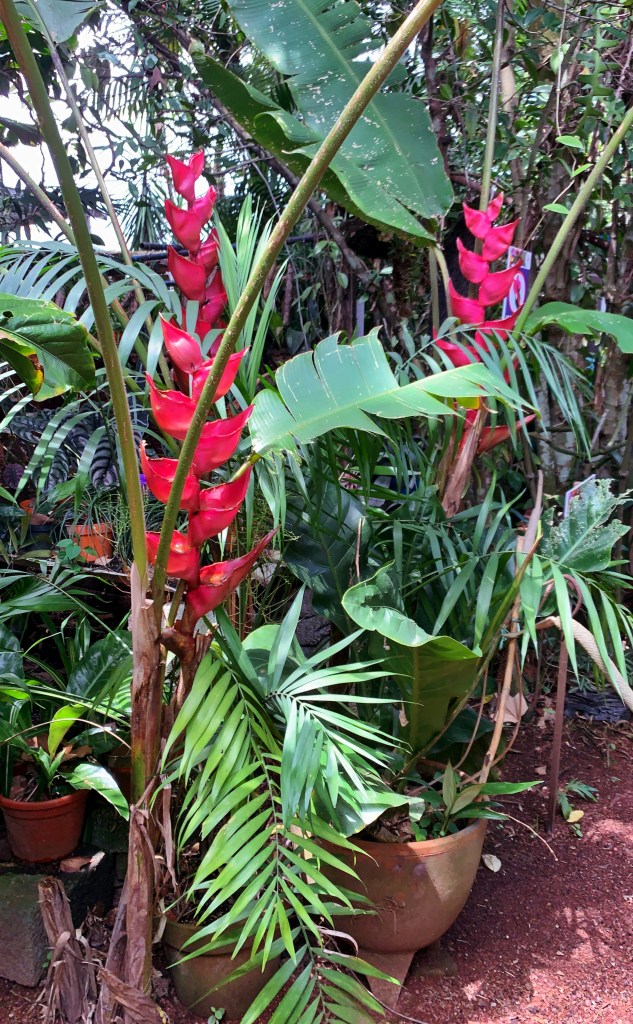
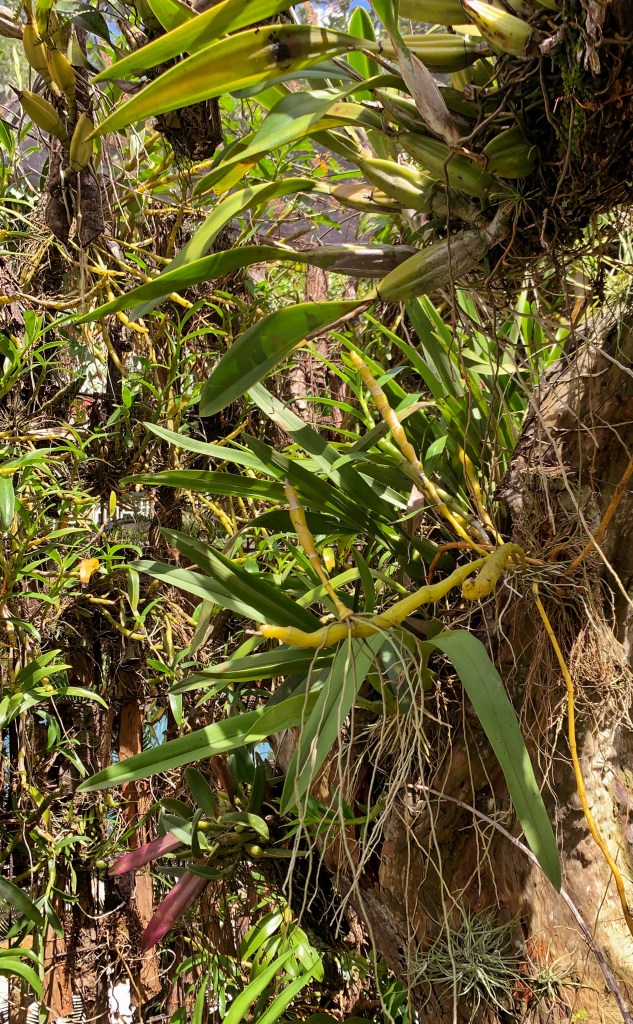
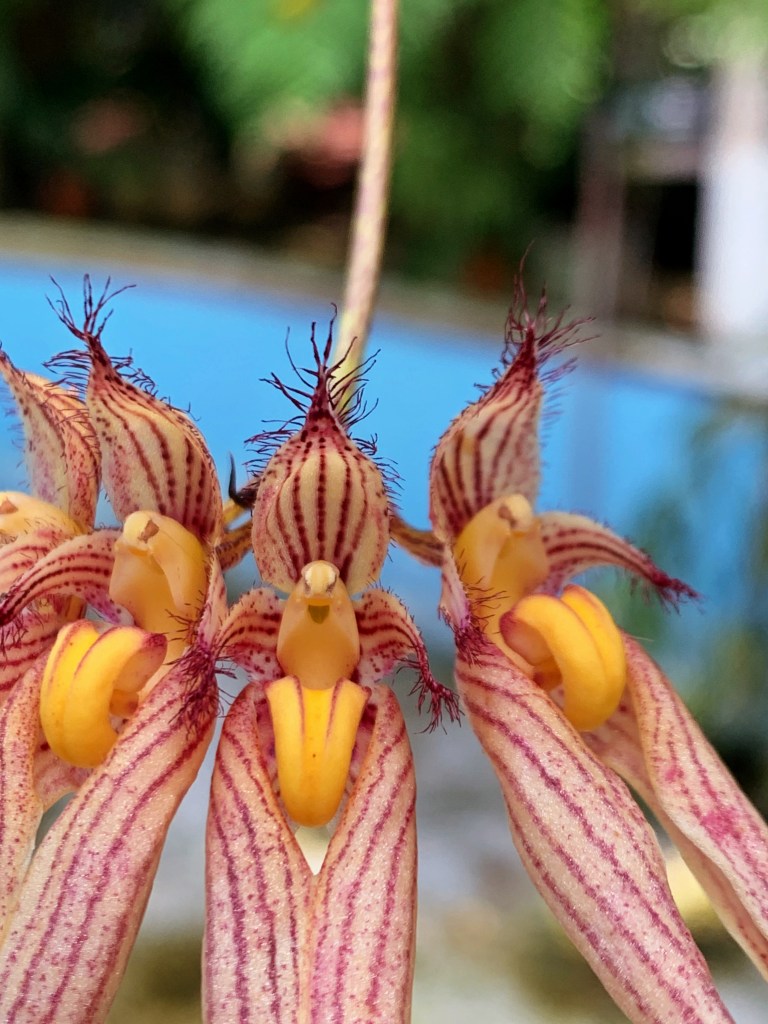
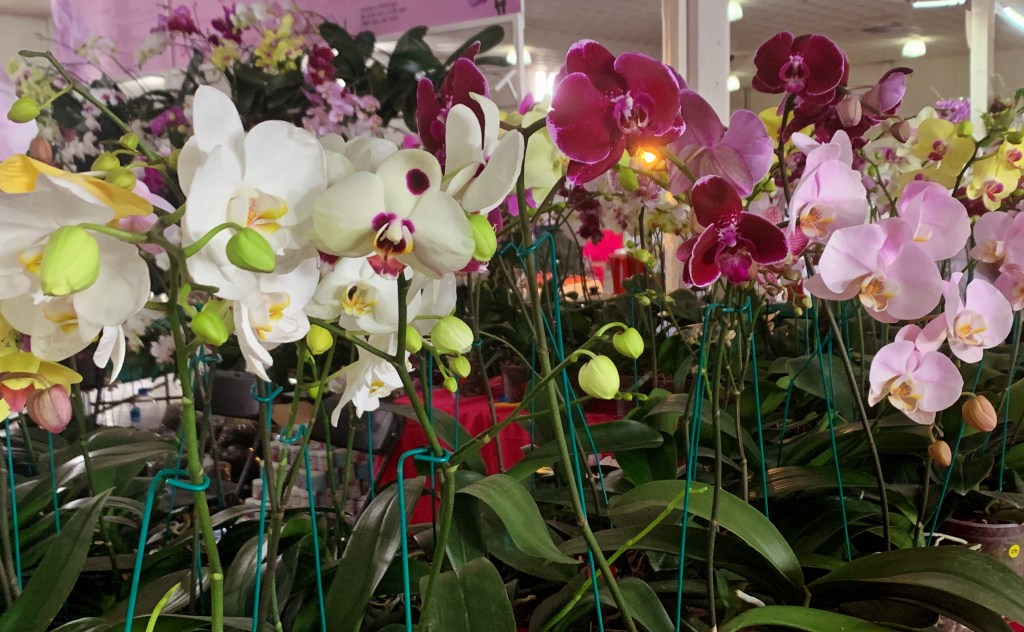
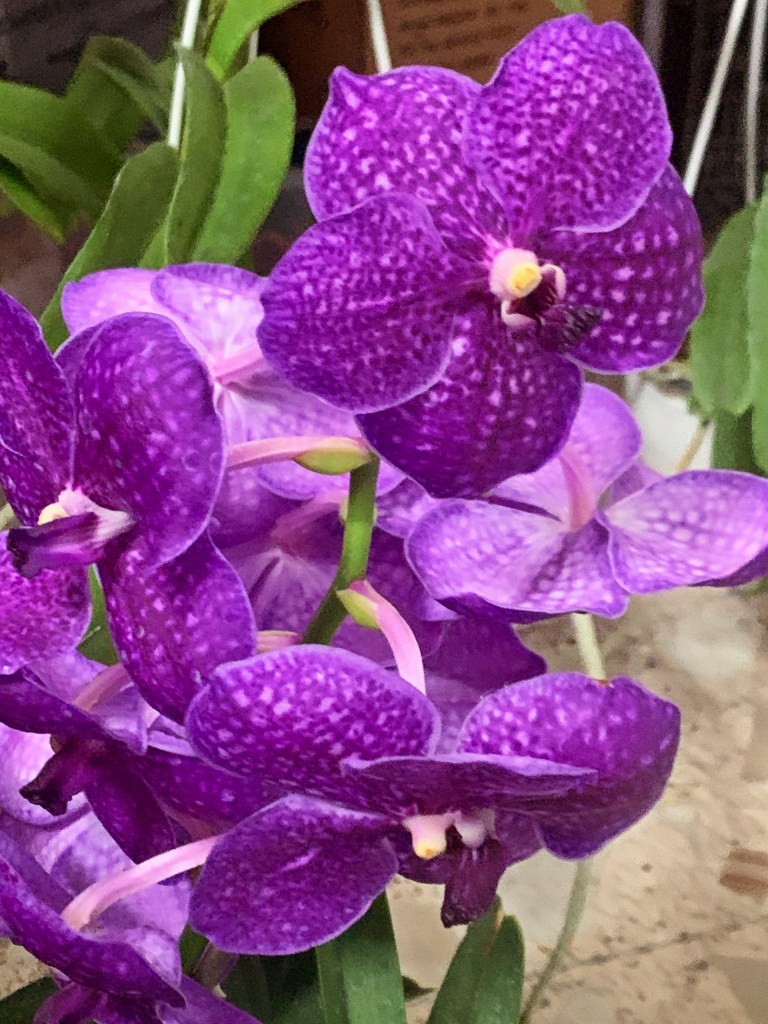
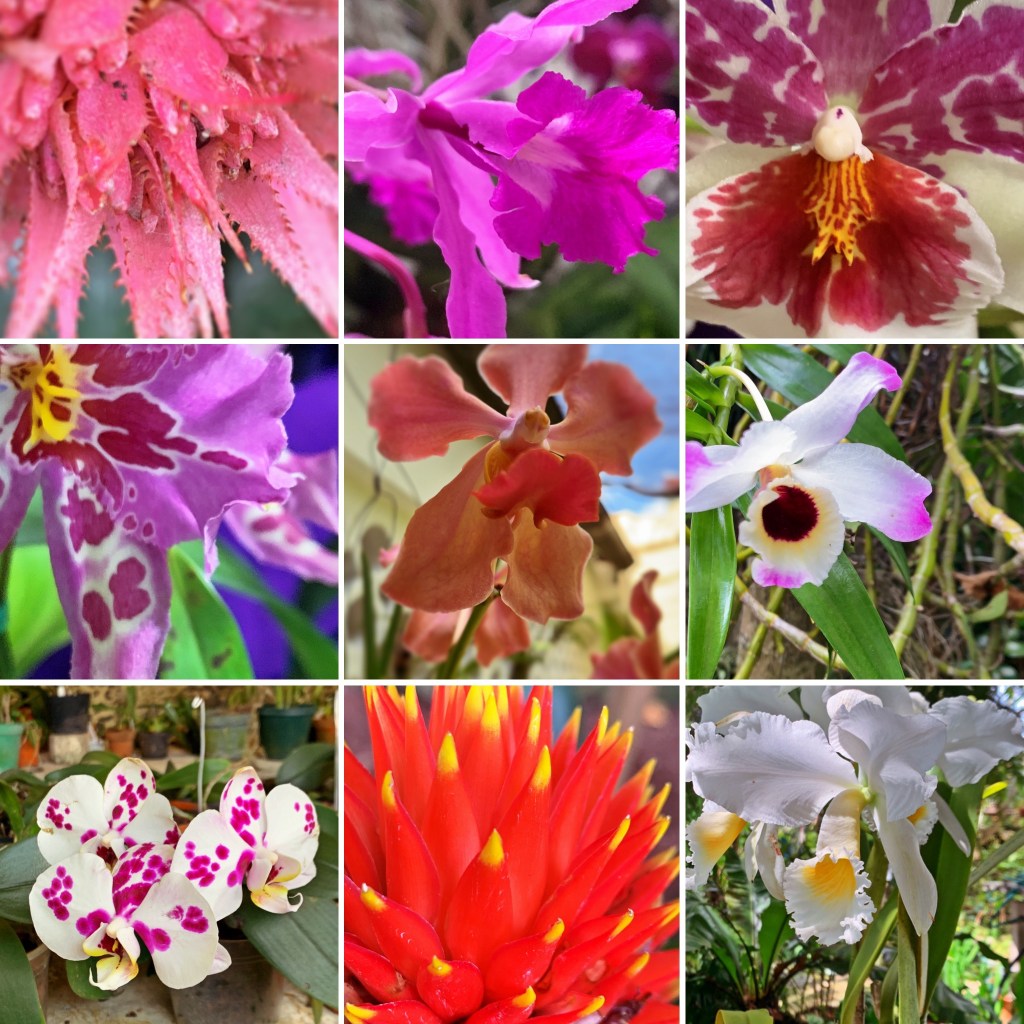
Then we move to examples of the lush flowering plants around Coatepec. I visited the Orchid Museum and learned more about the Orchid and it’s relevance in Mexican history and culture than I knew existed! After the museum I looked again at all the orchids nurtured in the central square. I also visited the Orchid festival and found beautiful examples of orchids in all varieties of colors. I’m infatuated with orchids now!

Here’s the mirador I was aiming for.

Veracruz and Boca del Rio

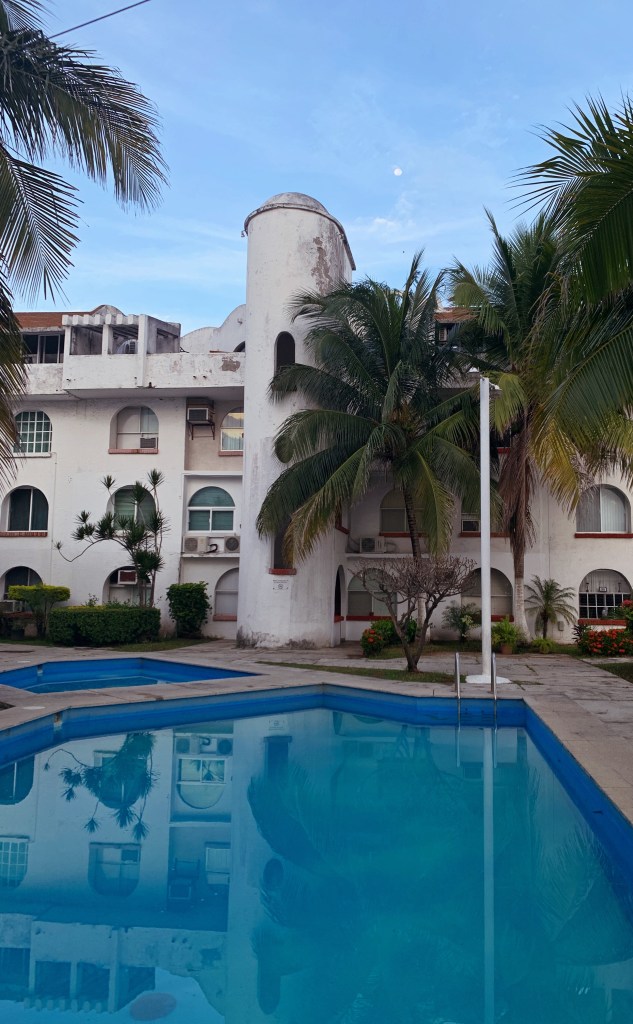
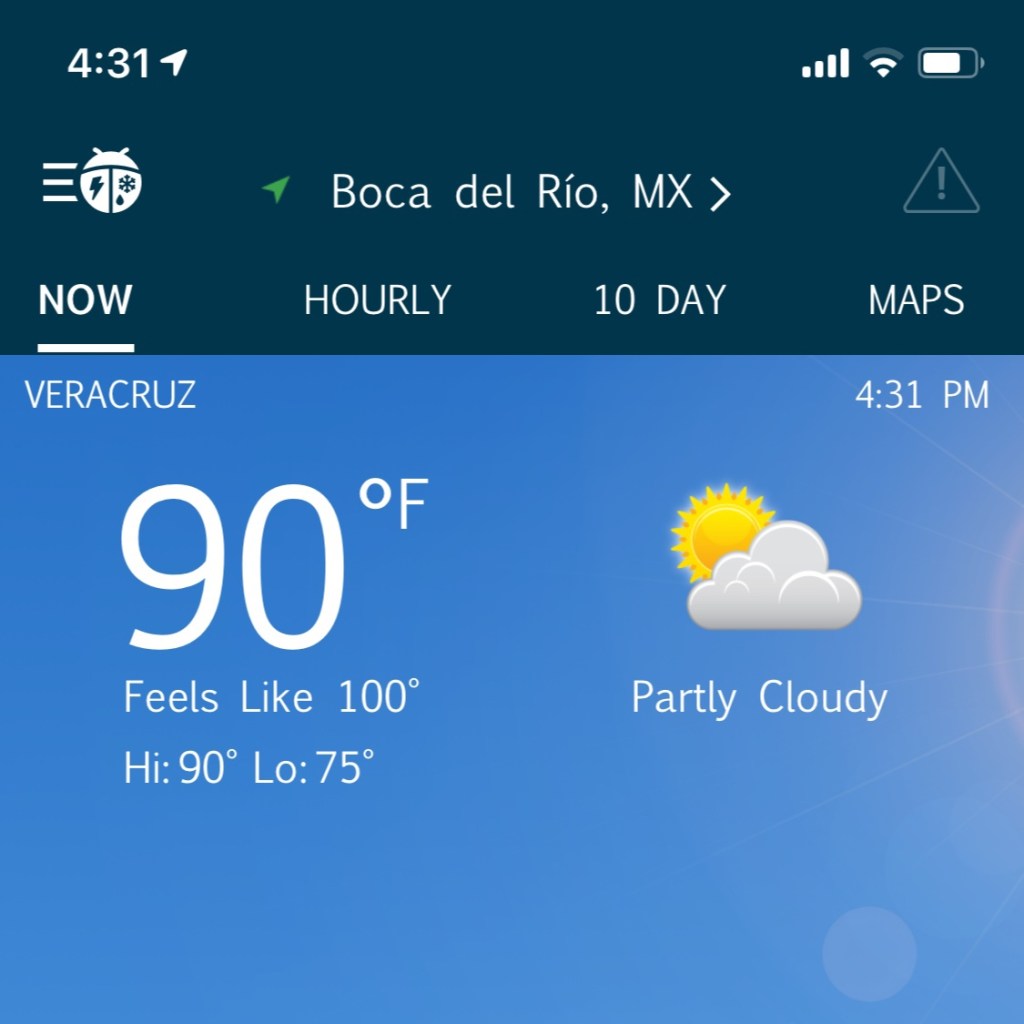
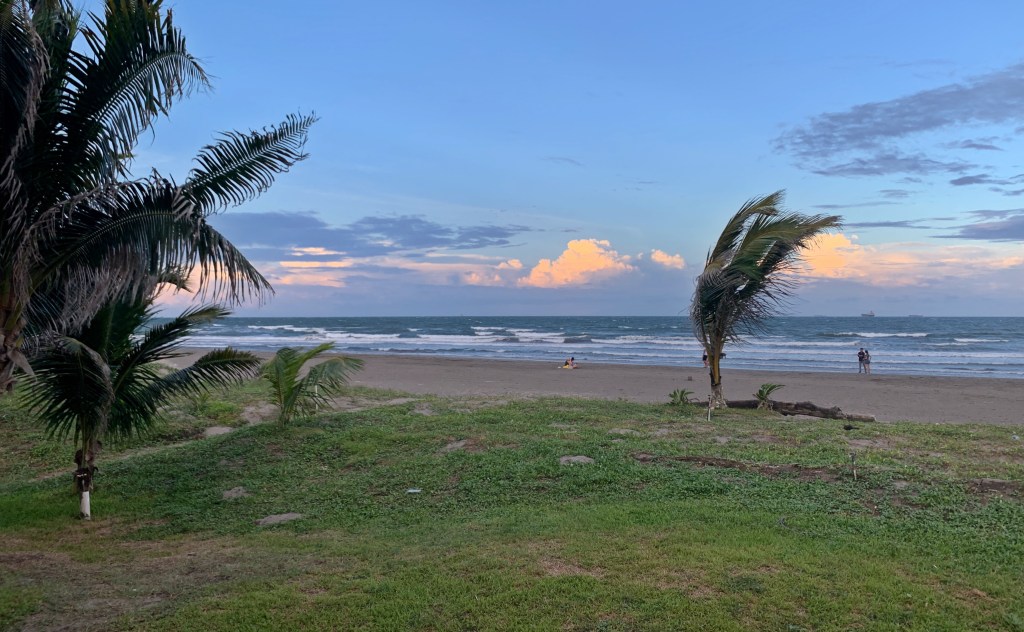
My Air BnB in Boca del Rio – I never actually swam because it was too %$^#&* hot!

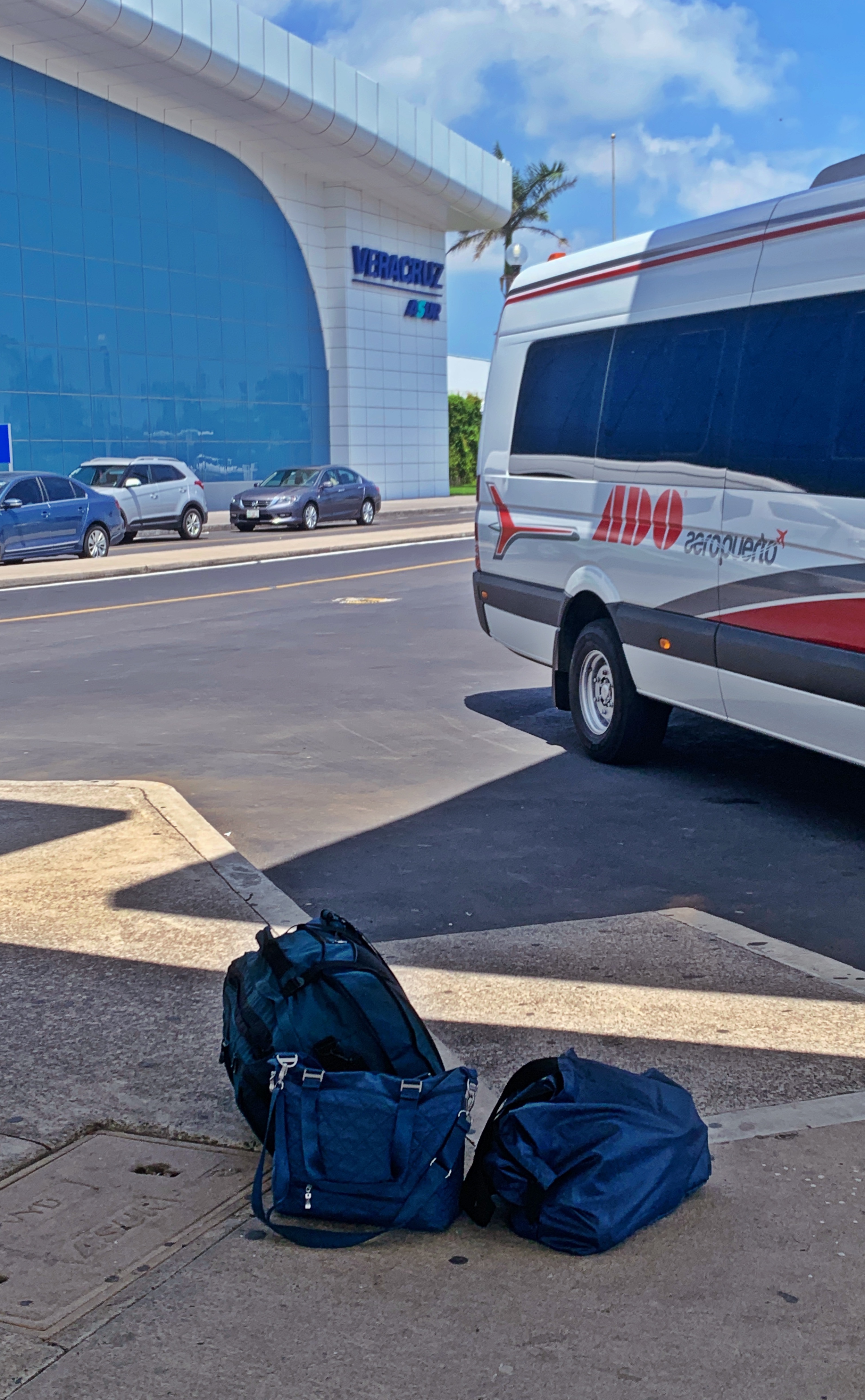
I am not fond of travel days. I find transit centers to be hot, loud, crowded, and my knowledge of the way things work remains low. My stress levels go up and my Spanish skills go down. I spend a lot of time breathing, grounding and trusting that people will help get me where I need to be. And I have not been disappointed. * Arriving in Veracruz I was the last to get off the bus and all the baggage handlers had left. I drug my luggage to the women’s bathroom. The kind woman in front of me motioned for me to leave my bags and use the next stall. When I came out all was good. I felt grateful. * I continued to drag my luggage, was able to find the taxi kiosk, and purchased my ticket to my Air BnB in Boca del Rio. I couldn’t even see who gave me a ticket, let alone hear them. So, now I was stuck – what next? Where do I go to find the taxi? In Spanish, I attempted to ask a young man in line where I go to find my taxi, showing him my ticket. He quickly got out of line, picked up my bag and lead me to the taxi, explaining to the driver that I did not speak Spanish. I was greeted kindly. I felt grateful. * Leaving Veracruz I had selected, and paid for, a seat on a “bus” from the Veracruz airport to Xalapa. I had arrived in downtown Veracruz and I thought I would try a new way. My ticket was expensive so I thought I must be getting the first class bus. My taxi driver began our trip to the Veracruz airport by heading to the center of town, because that made more sense to him. When I corrected him, he stopped the car and called a bunch of people asking for their help in getting me to see the error of my ways. Once I had convinced him that I chose the Airport, he sped up to get there on time, he confirmed which was my bus and made sure my bags were ready to go. I felt grateful. * Arriving in Xalapa I needed to get a taxi for the 27 mile trip to Coatepec. I learned from the last time to snag a manned luggage cart. He was able to direct me to the taxi kiosk – the one with no line and half the cost – then directed me to the taxi line – the one with no line. I felt grateful and enjoyed the beautiful and rainy trip while having a pleasant conversation with the taxi driver.

Luggage and me ready to board the bus to Xalapa!

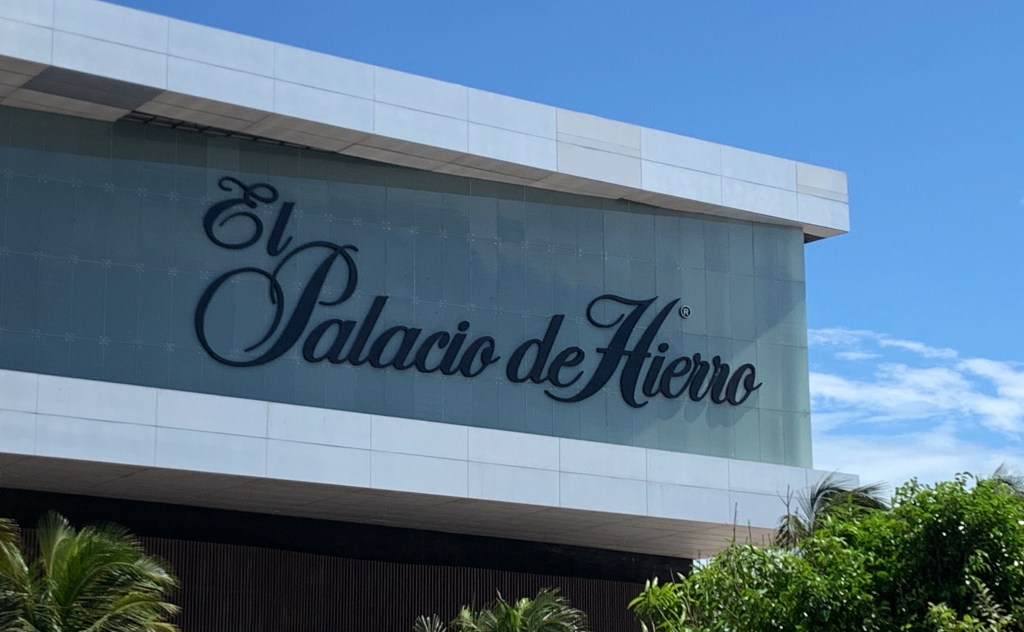
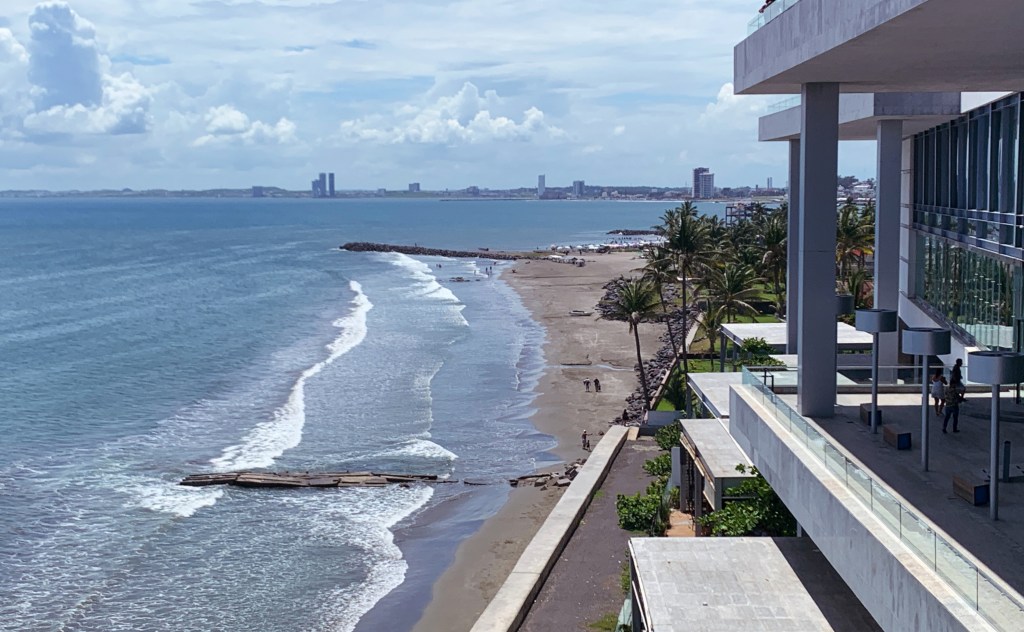
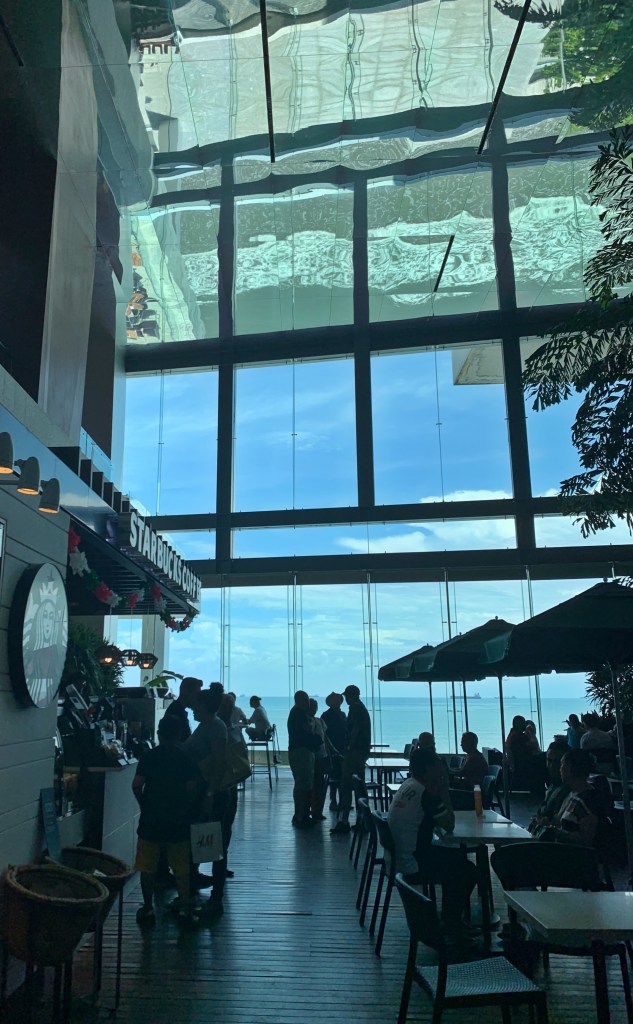
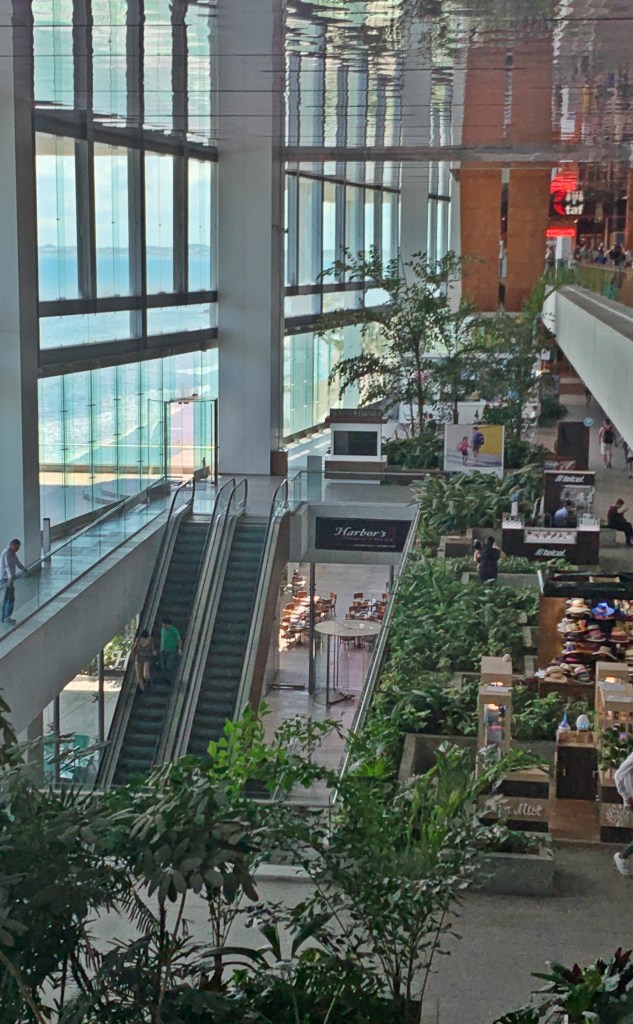
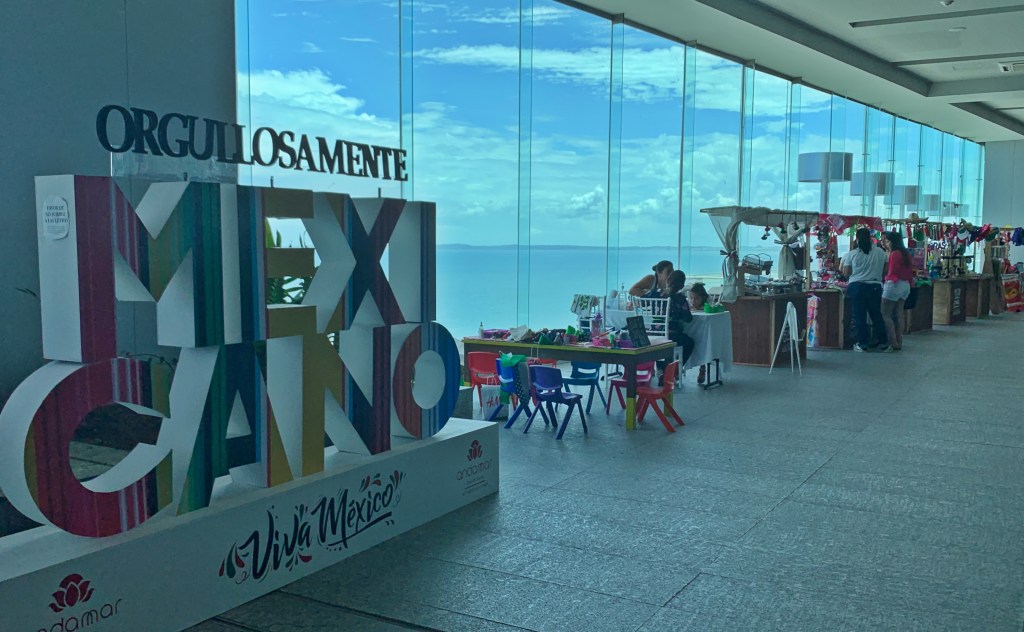
My first day in Boca del Rio I headed to the beach and walked up to the mall, knowing I would be sure to find air conditioning! I paused three times during the two mile trip – once for about an hour while I watched the Seahawks game in a hotel bar (also air conditioned). This mall is quite new and was impressive in a few ways: most of the stores in it had names I recognized from Bellevue Square; artisan market stalls were lining the hallways; and, it was smack dab on the beach!

The Iron Palace – what a name for a fancy mall!

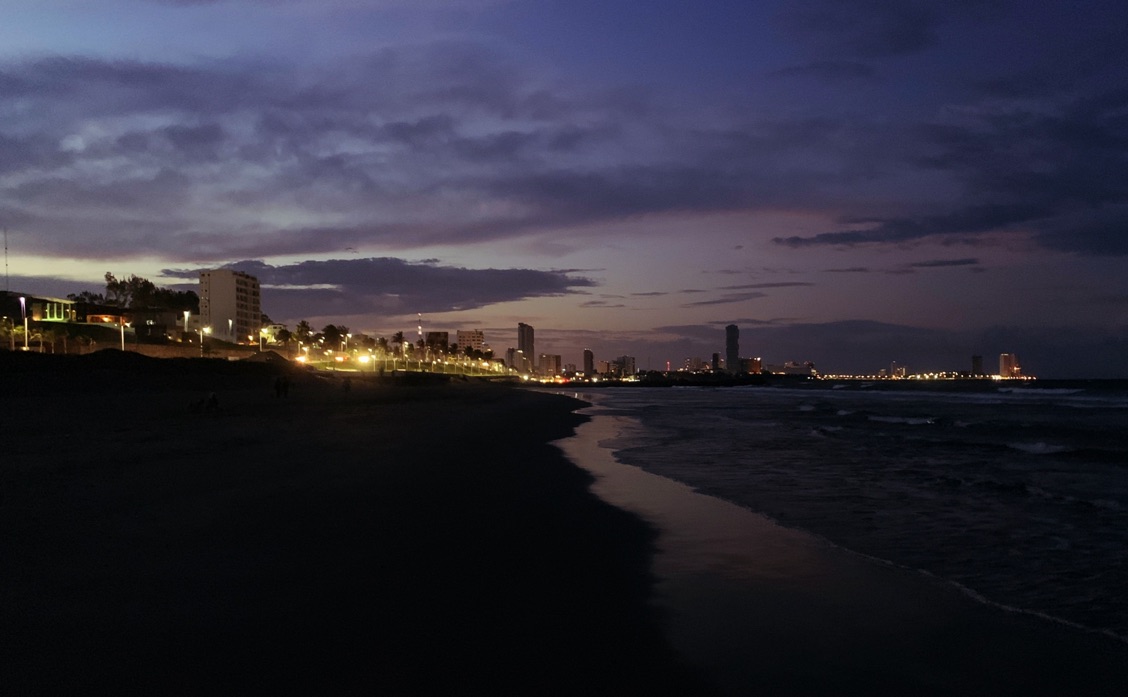
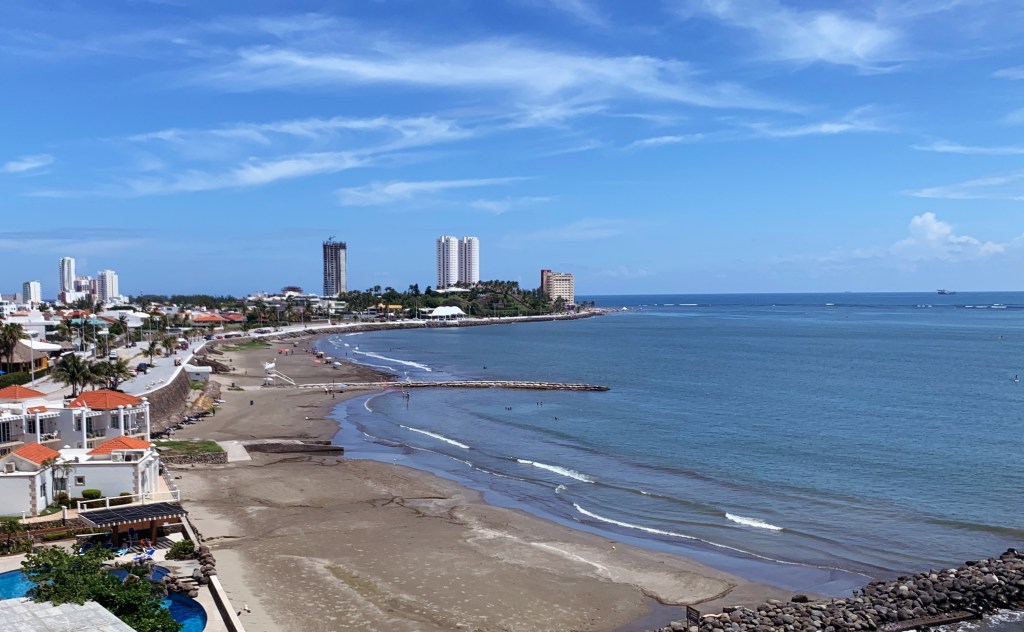
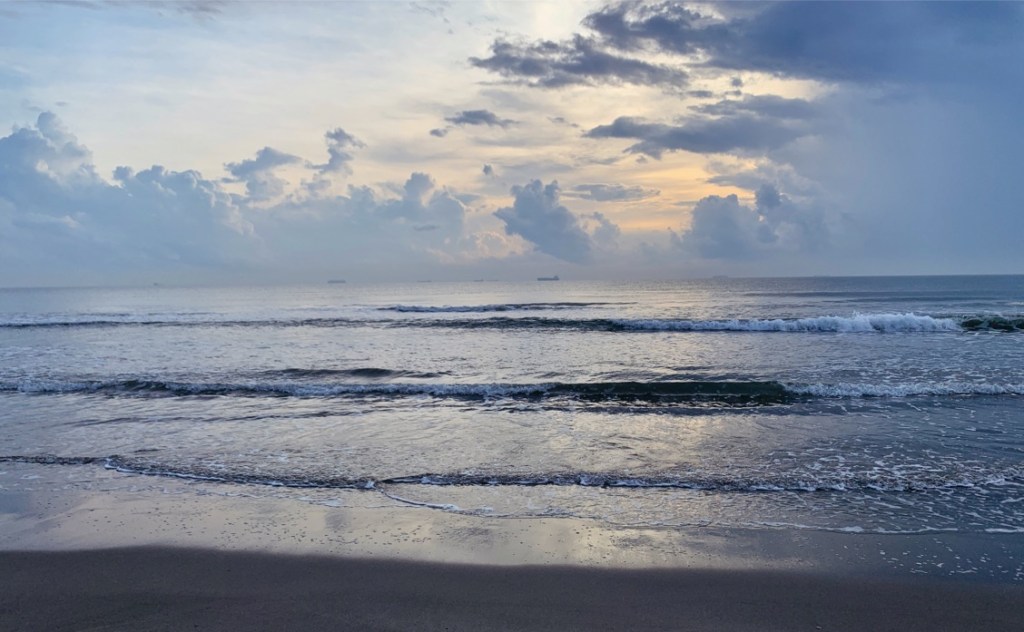
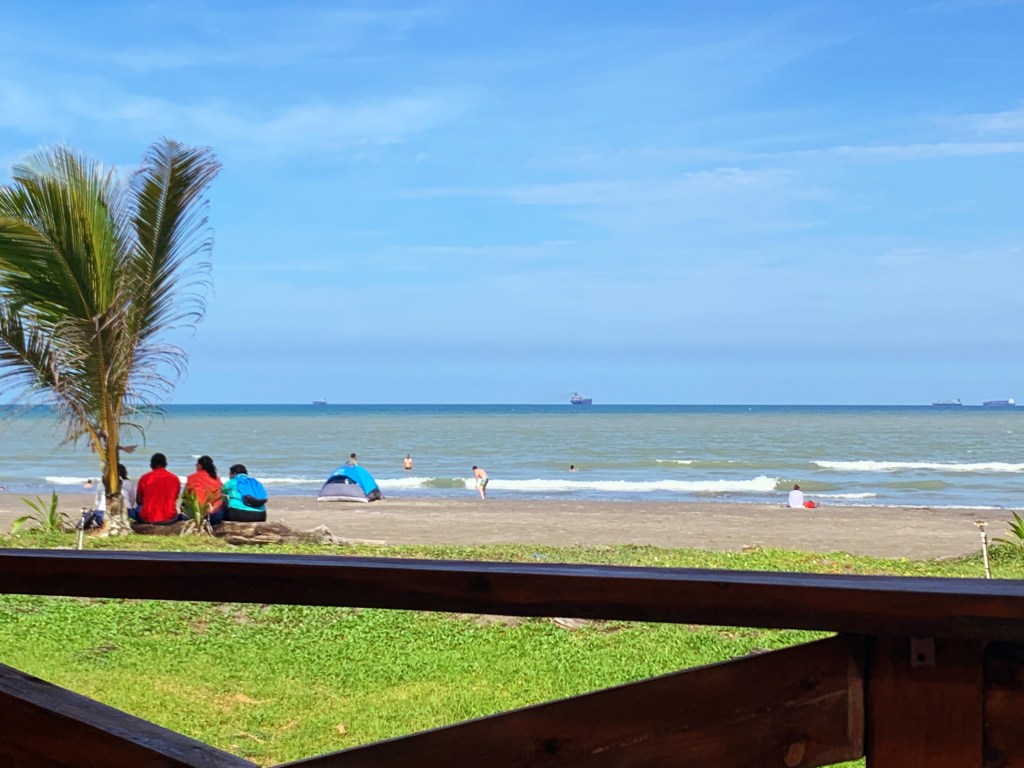
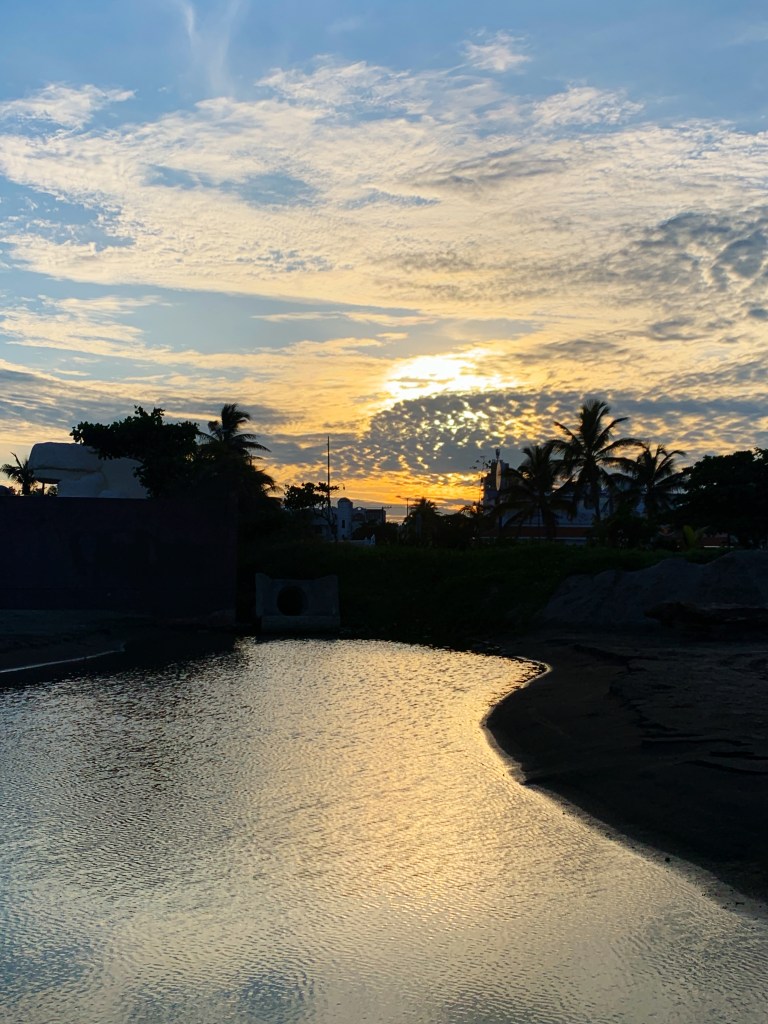
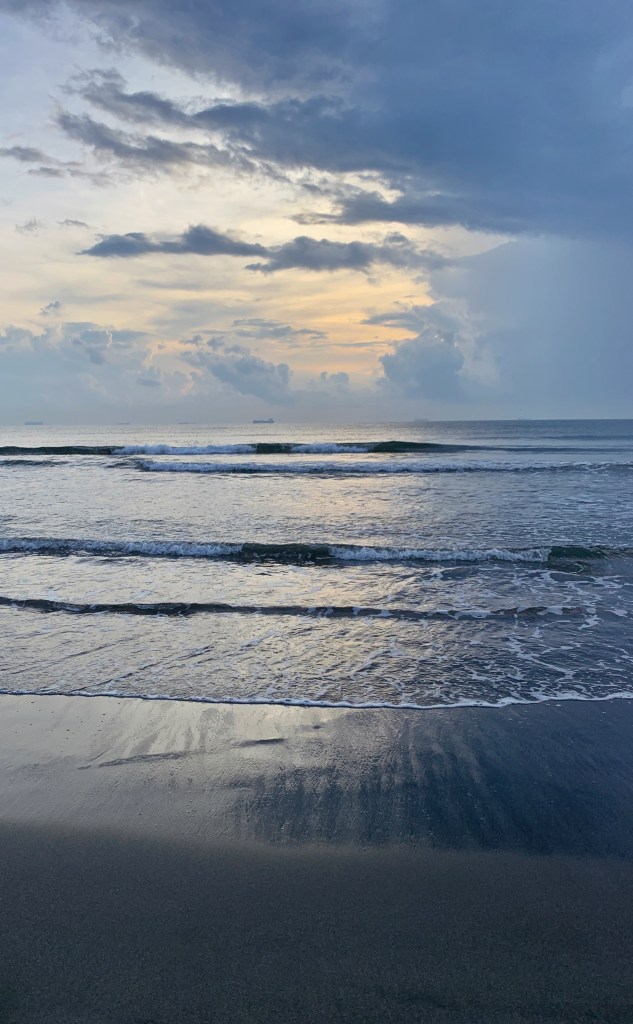
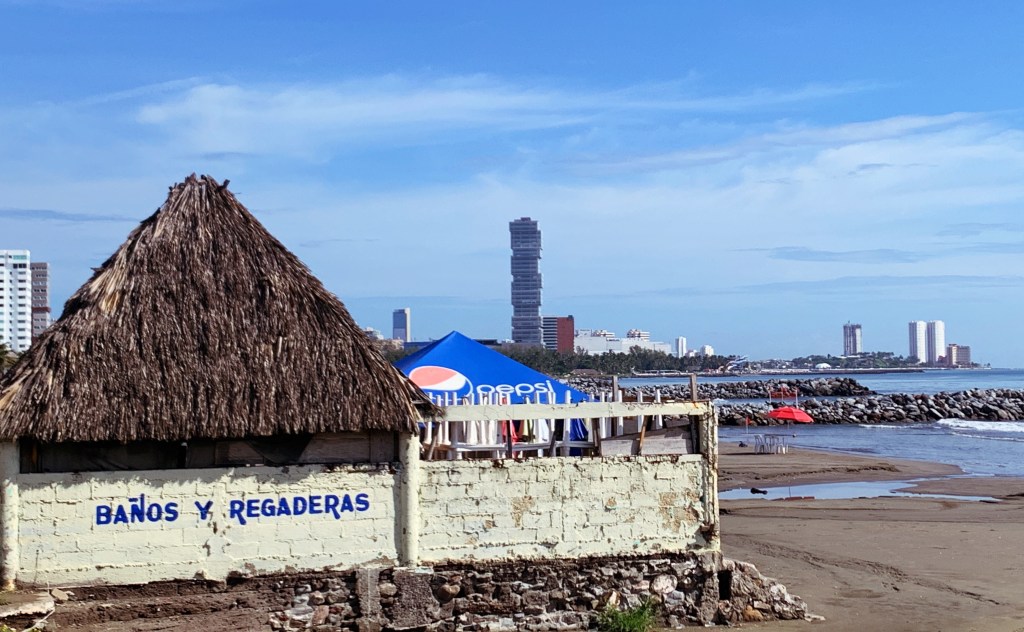
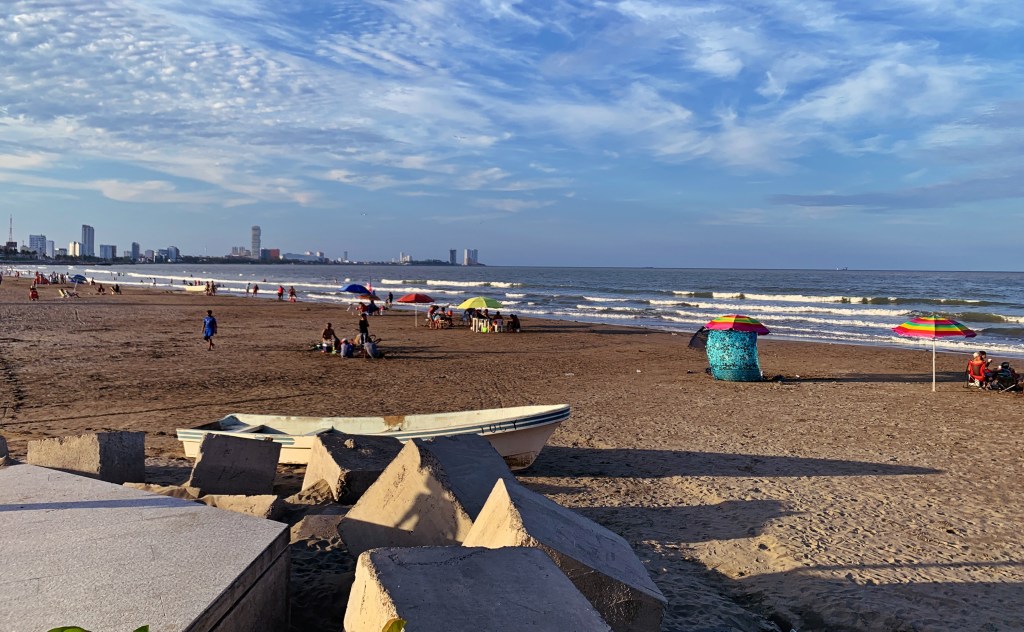
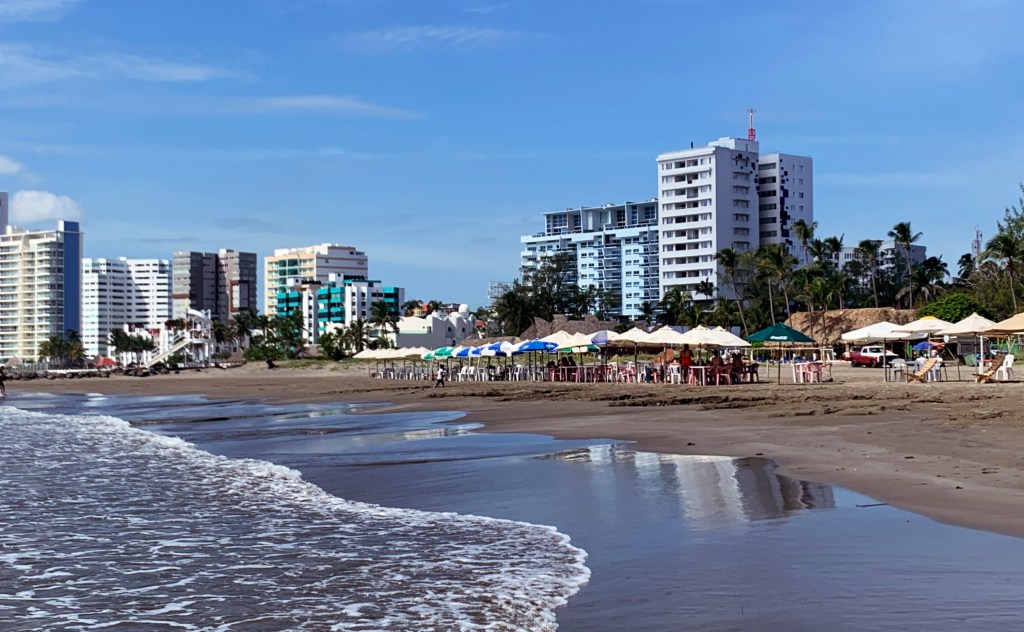
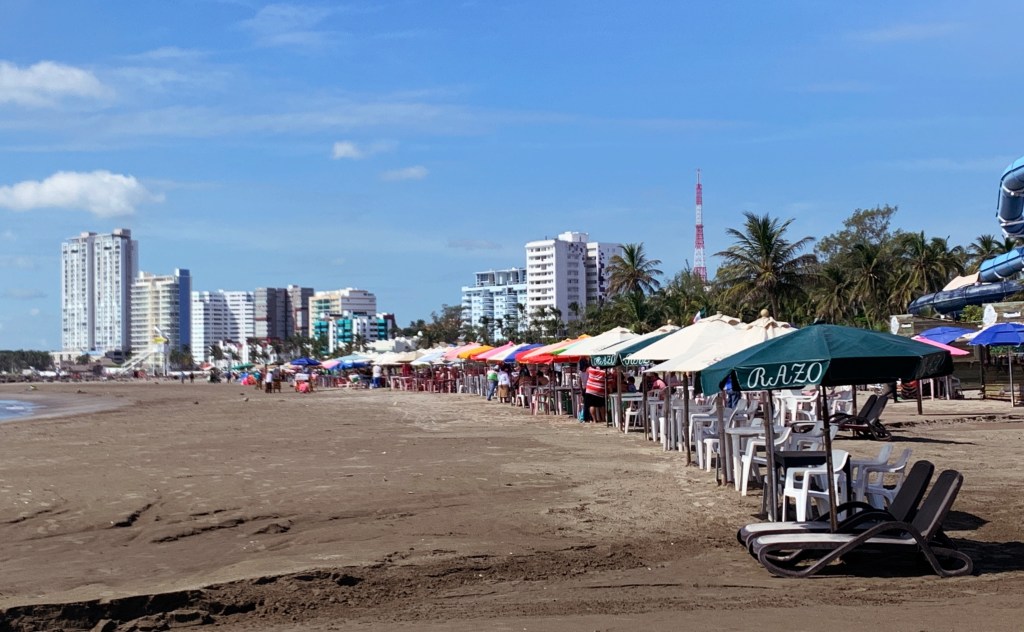
I loved my daily strolls on the beach and felt grateful that it was so close! I continue to struggle with the heat, but the breeze and shade opportunities at this beach feel so wonderful! It was interesting to feel the difference between the Monday holiday when families were all over the beach and Tuesday when it was almost deserted.

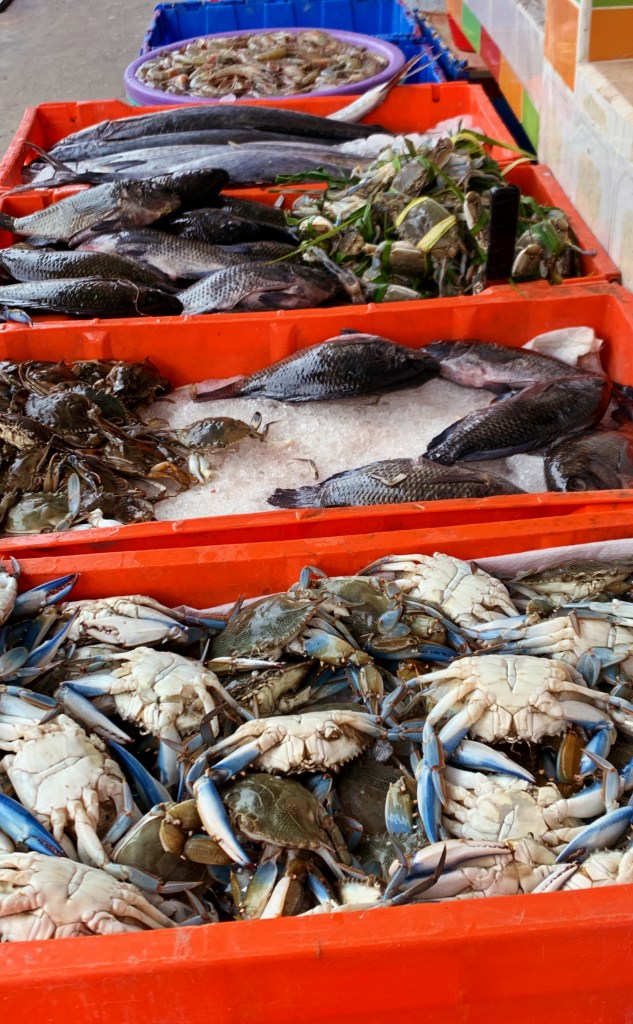
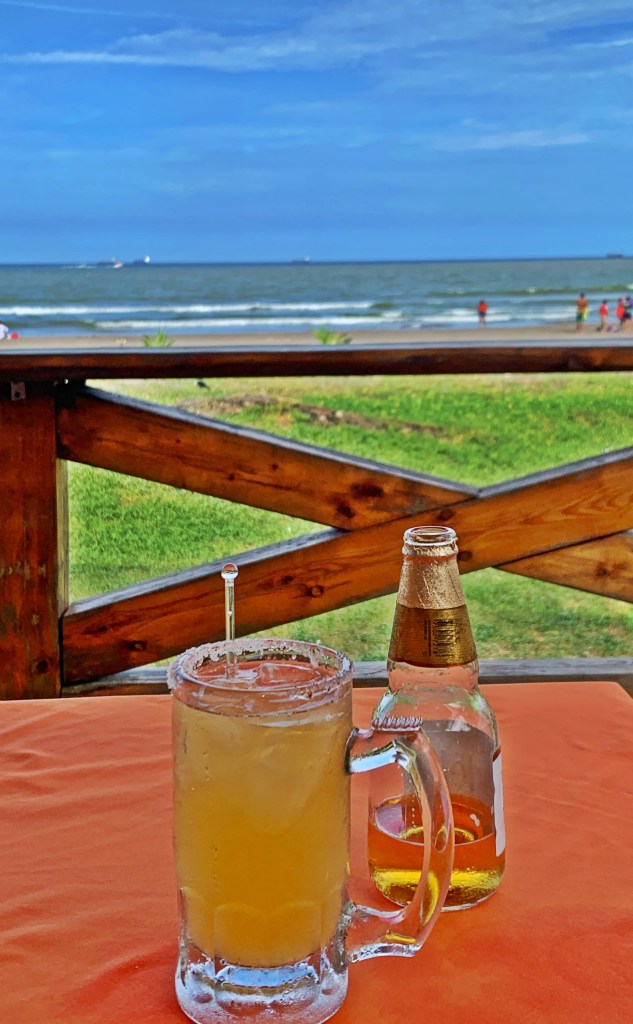
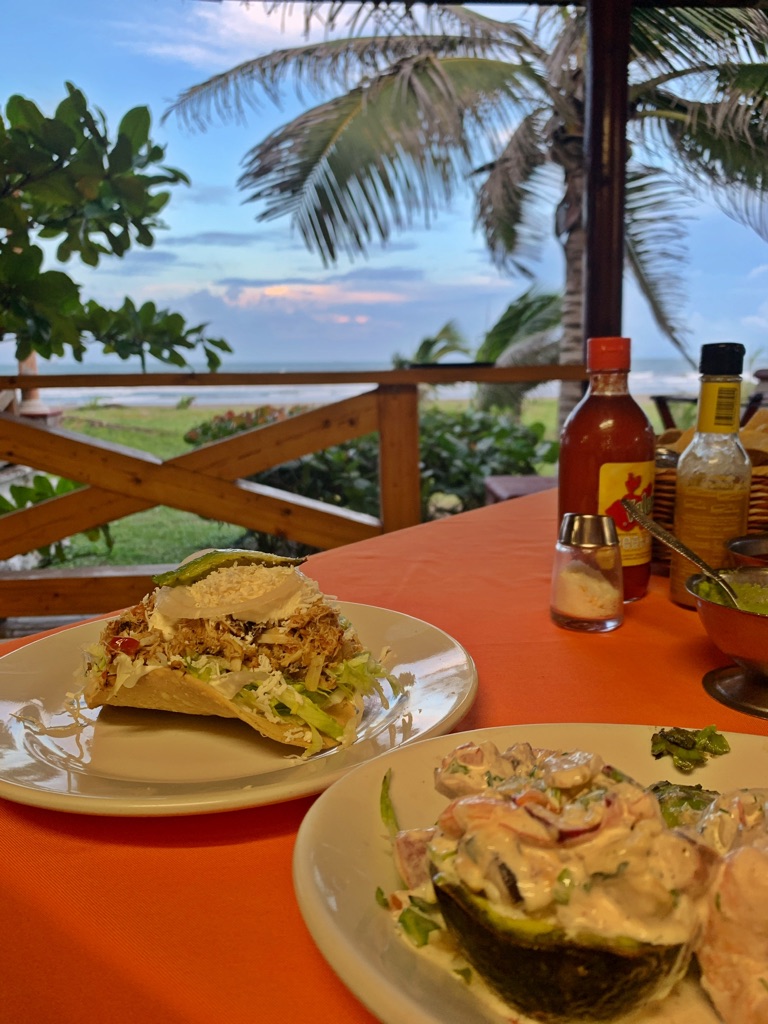
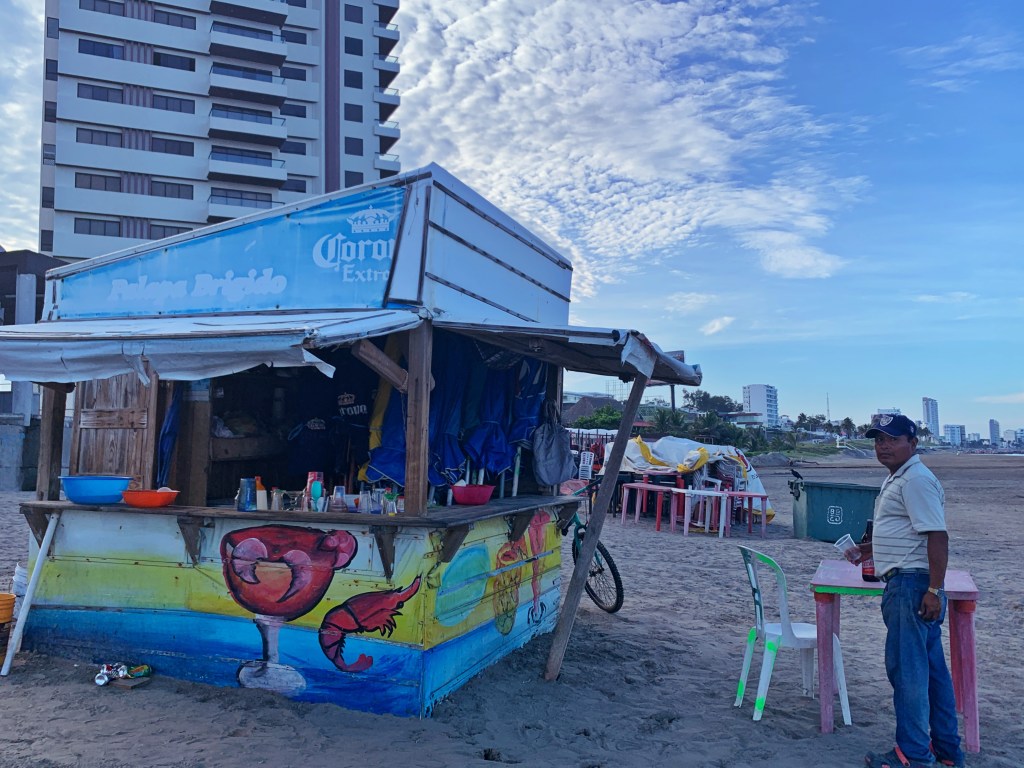
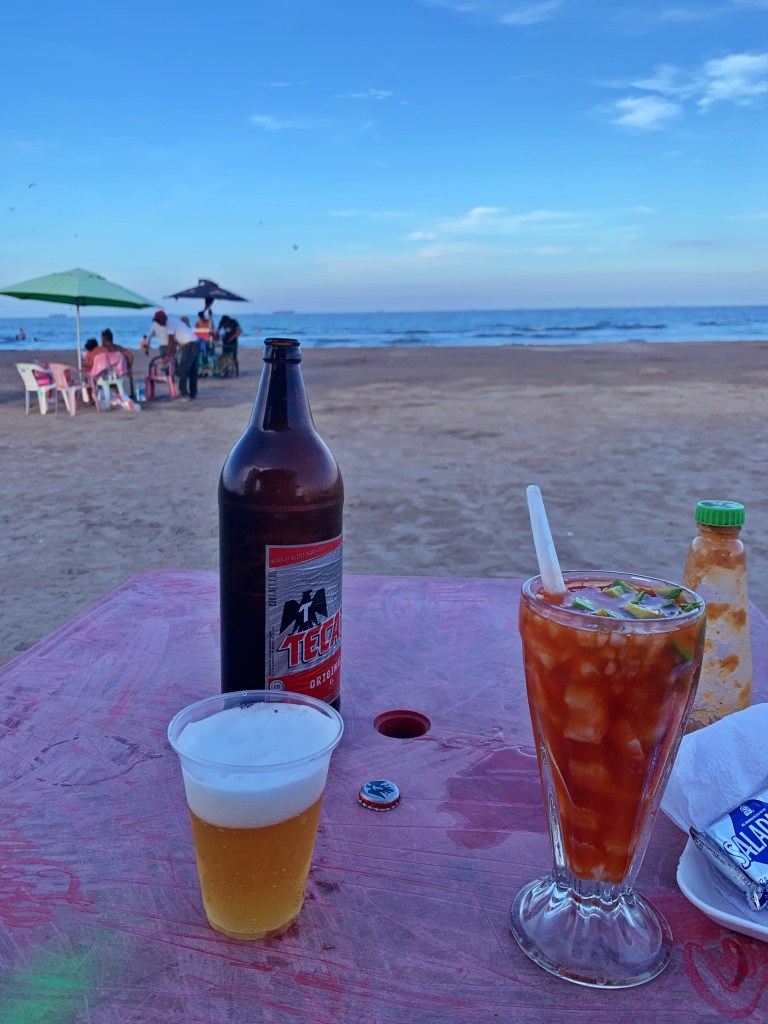
Veracruz and Boca del Rio are known for their seafood which is caught daily. So, I tried to eat seafood for every meal! I focused on crab and shrimp, and left the snails and octopus for others. I discovered an interesting specialty beer drink that is quite popular in Mexico, called Micheladas. It starts with a cold beer mug with fresh lime juice 1/4 filled and rimmed with chili-salt. Then the cold beer is poured in. Yum it sure quenched my thirst.

Independence Day – ready for the evening crowd

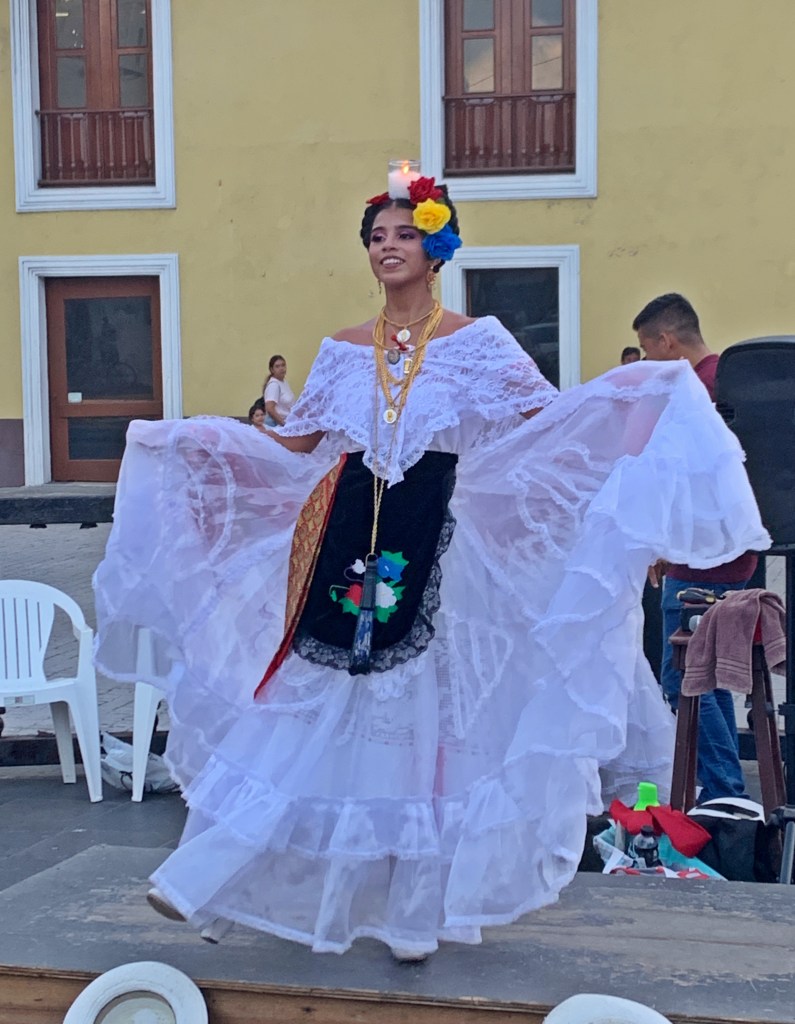
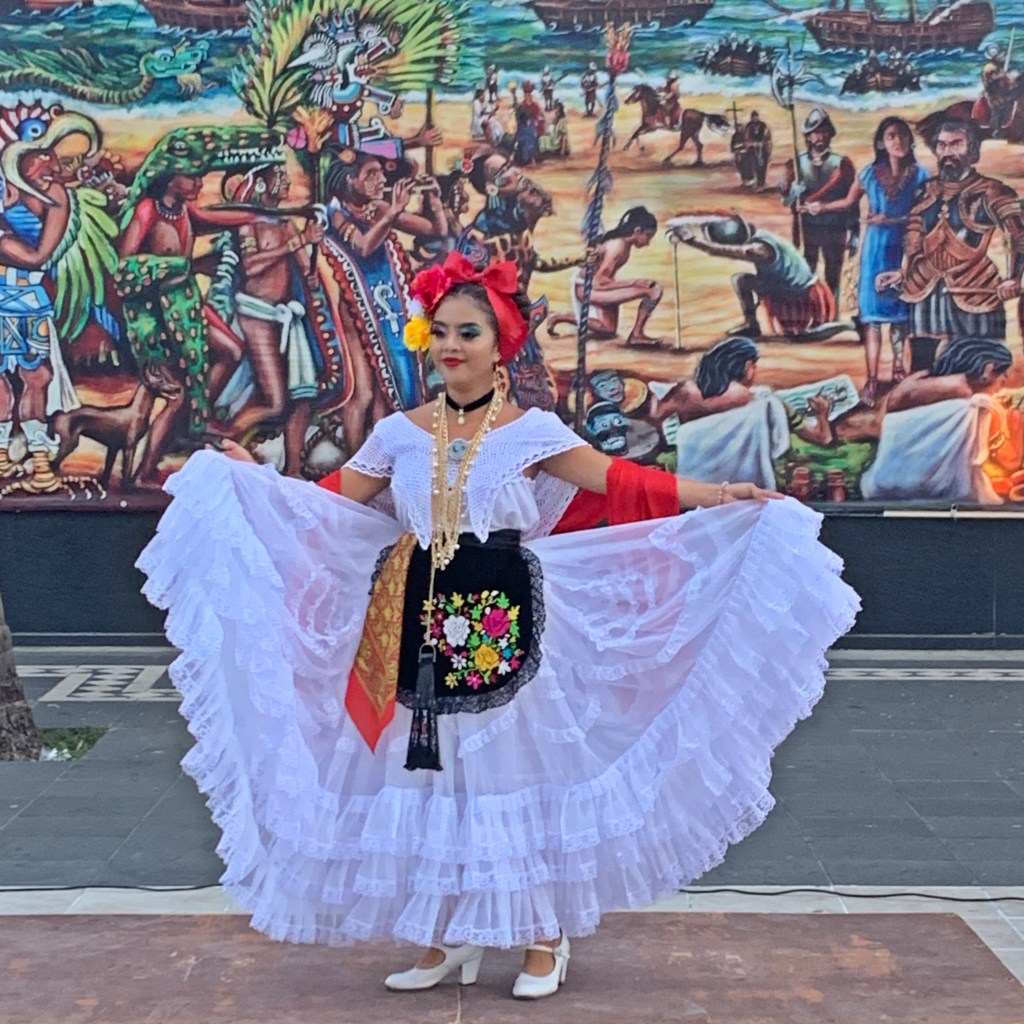
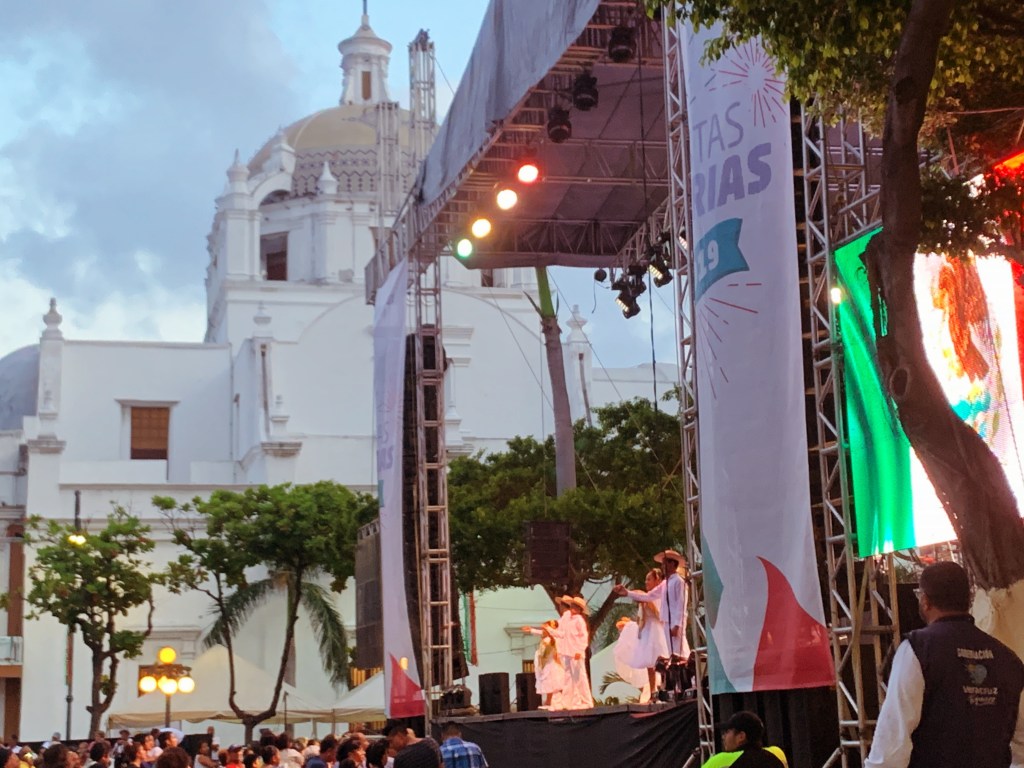
The night of September 15th begins the Independence Day celebration when traditional foods, music, dance takes place. At 11 pm the “Grito de Independencia” is reenacted in many state capitals, with the most spectacular one in the Zocalo of Mexico City. I, of course, was asleep in my bed when all that occurred. However, before that I was in Veracruz and very excited to see the Mexican dancing in the traditional outfits from Veracruz.

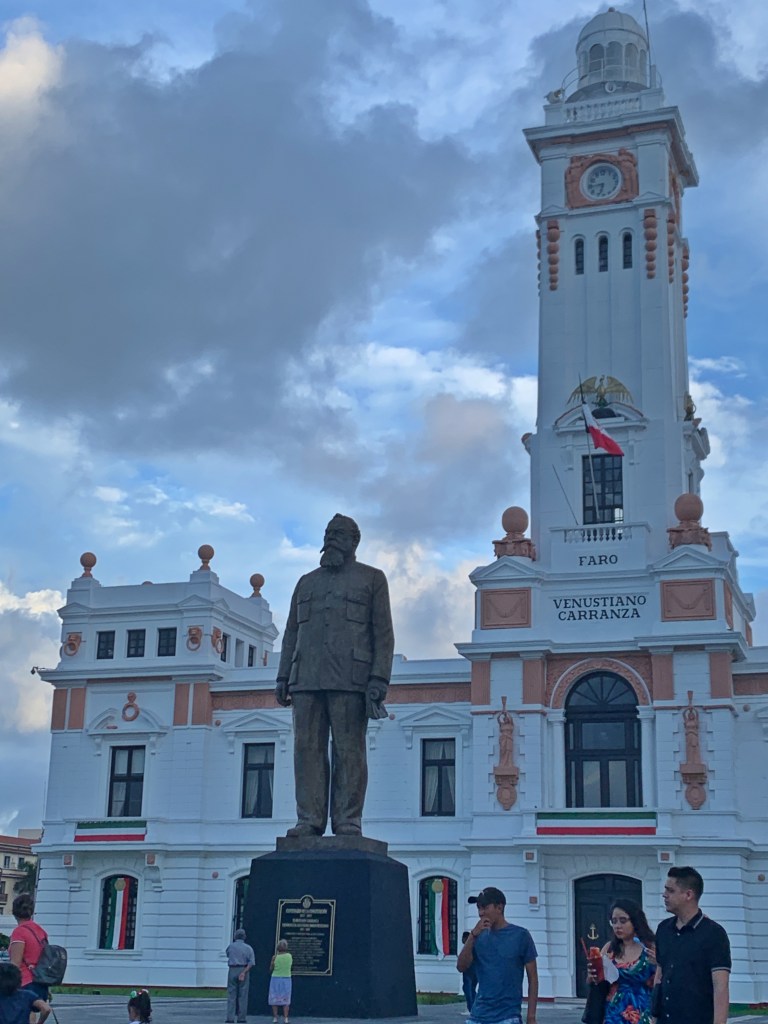
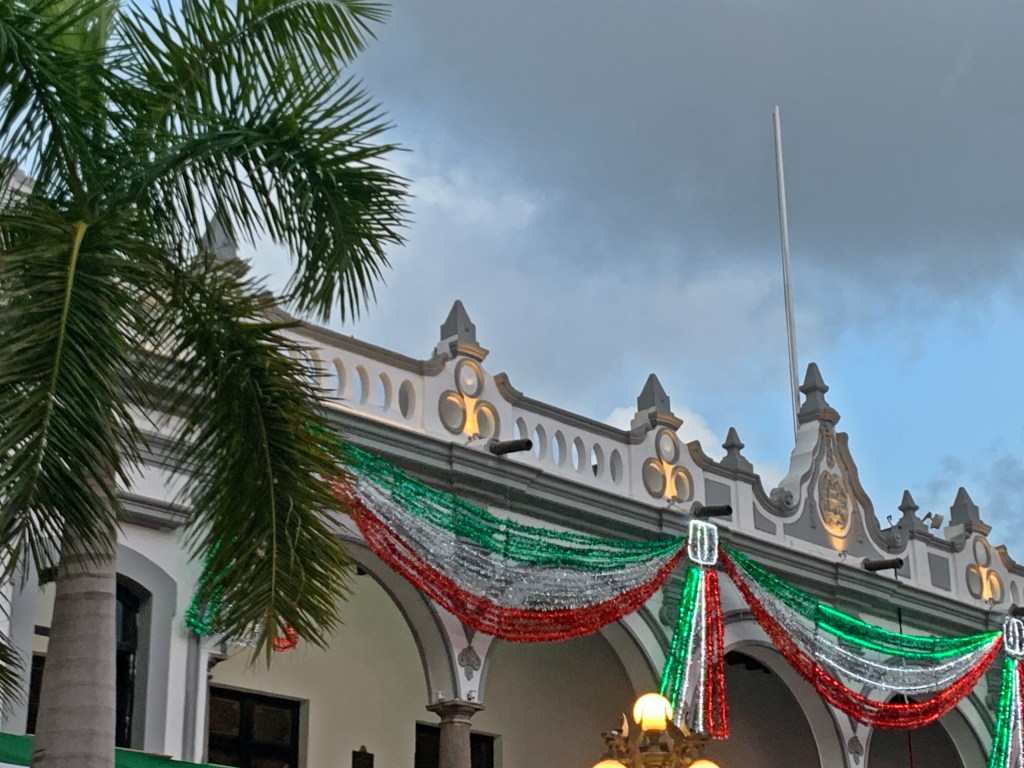
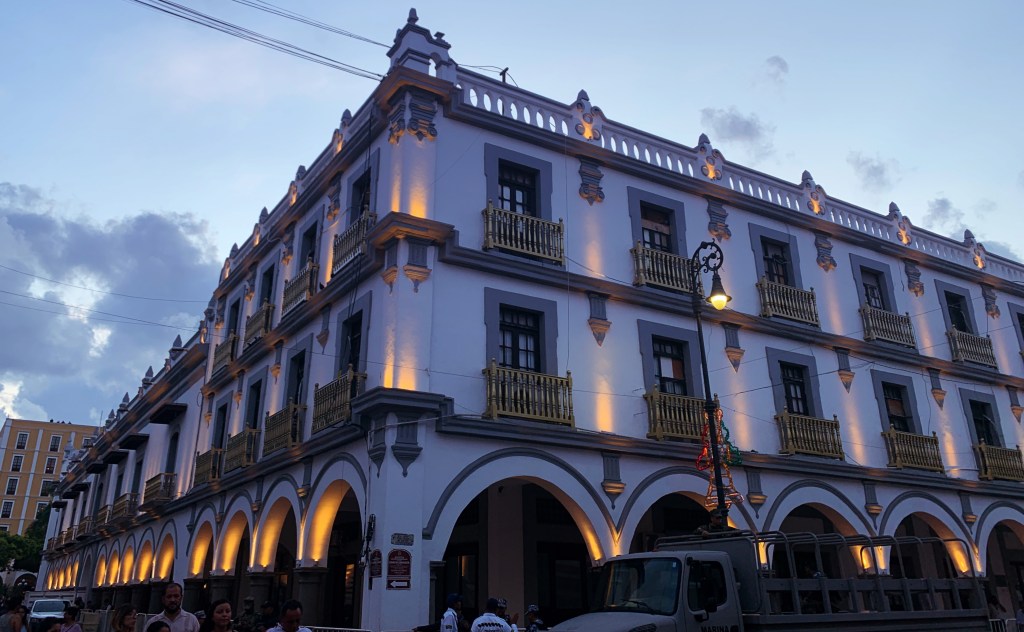
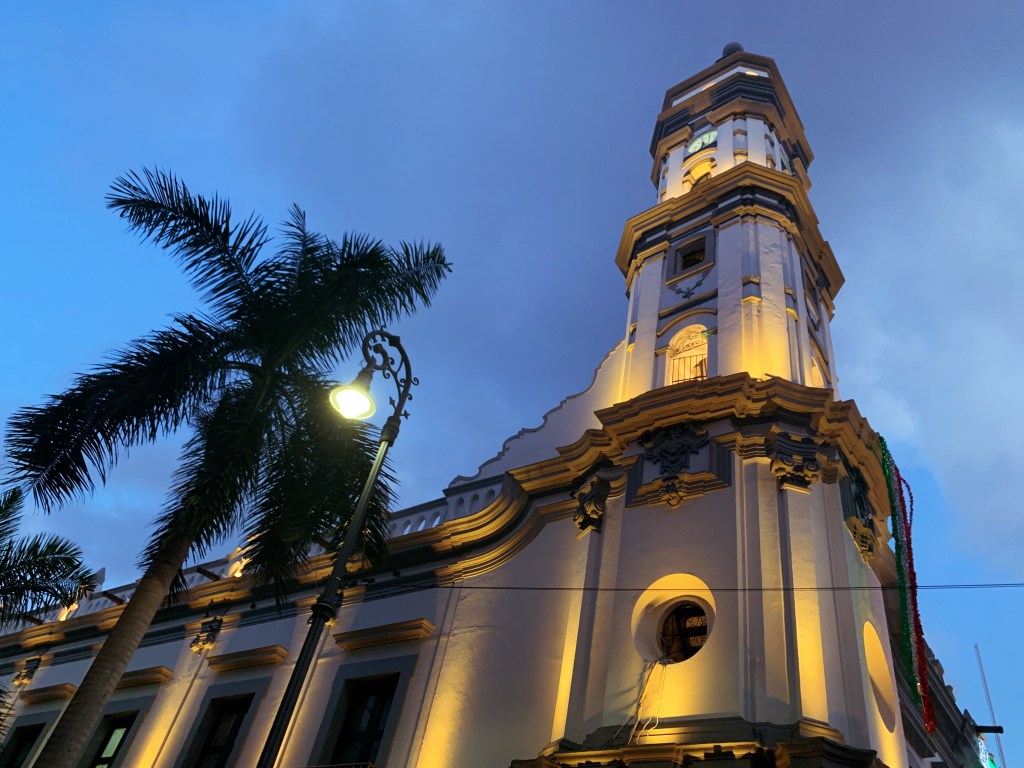
I was lucky enough to meet a man from Queretaro, similar to my age (probably younger), at the Air BnB whee we were both staying. He invited me to go downtown to see the sights on eve of Independence Day. I don’t think he was flirting with me (not sure what that looks like, in Mexico, at my age), but he was very polite and great company. We took the bus, he paid (because he had asked me, he said). He always walked on the outside of the sidewalk and ensured that I was the first one through a door or opening. We began at the port and I could finally see how large and active it was. Then we headed to the historical district. Families decked in patriotic outfits filled the streets and businesses. As darkness fell the lighted buildings took on a new glow.

!Adiós, Puebla – numero dos!

(I now have reliable and fast internet . . .)

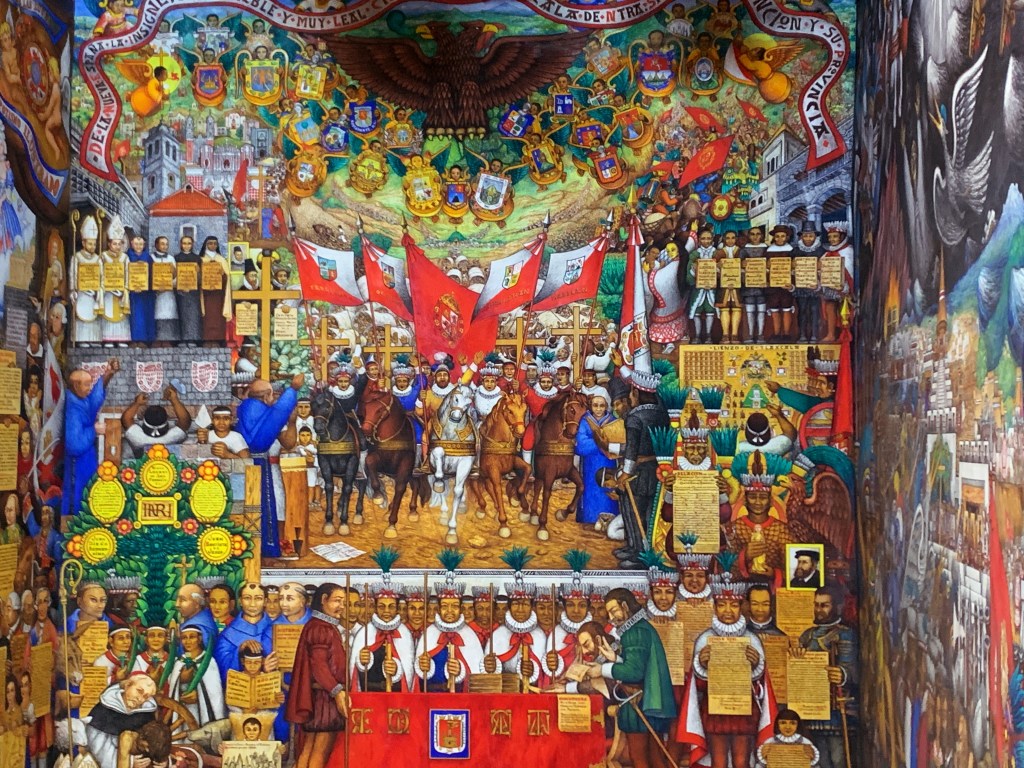
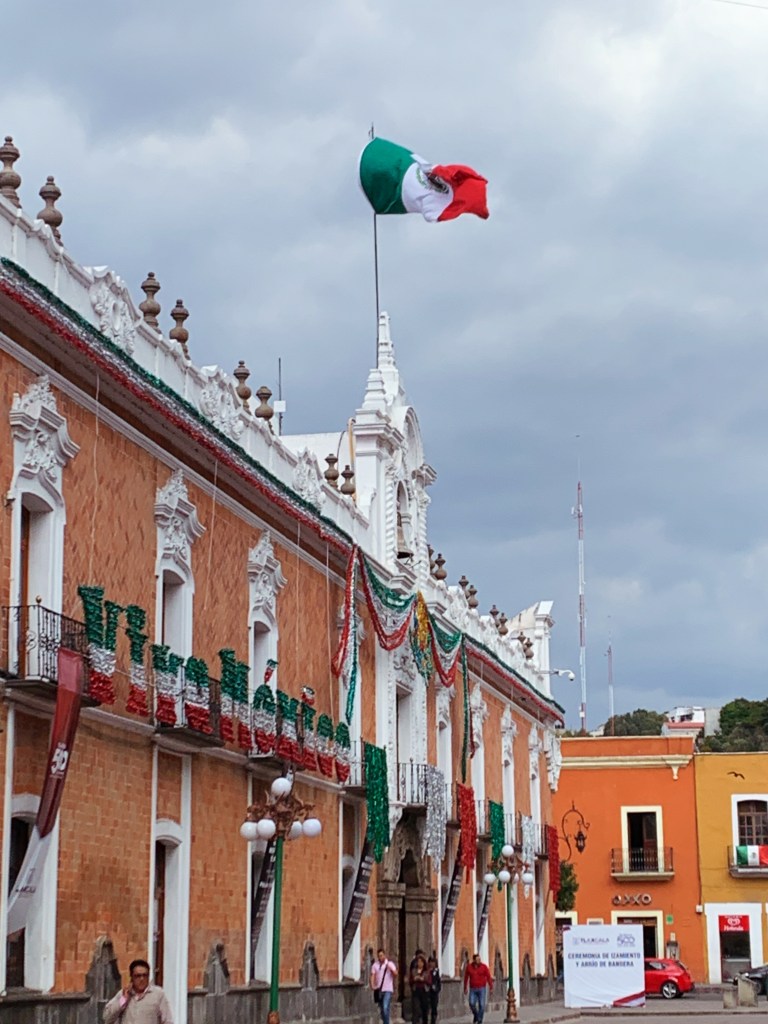
Our final Wednesday excursion was to the state, and town, of Tlaxcala. It is a small state with a rich history – starting with Tlaxcala being the first state who formed an alliance with Hernan Cortez! This was my favorite tour – this place is colorful, easy going, not very touristy, and charming!

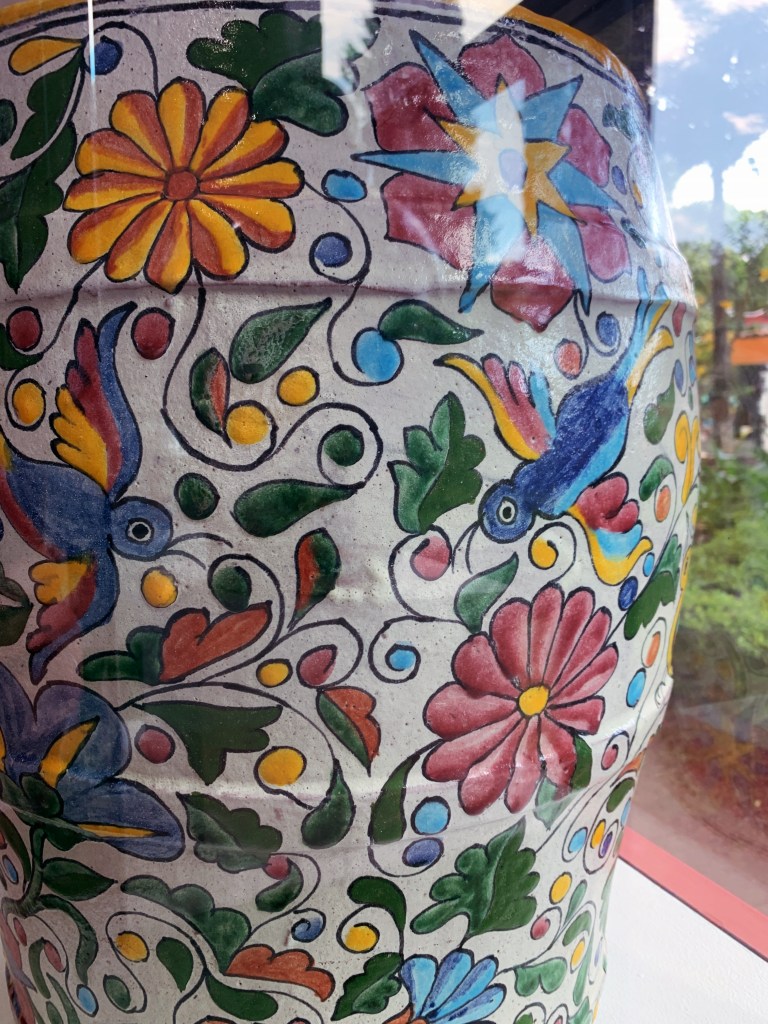
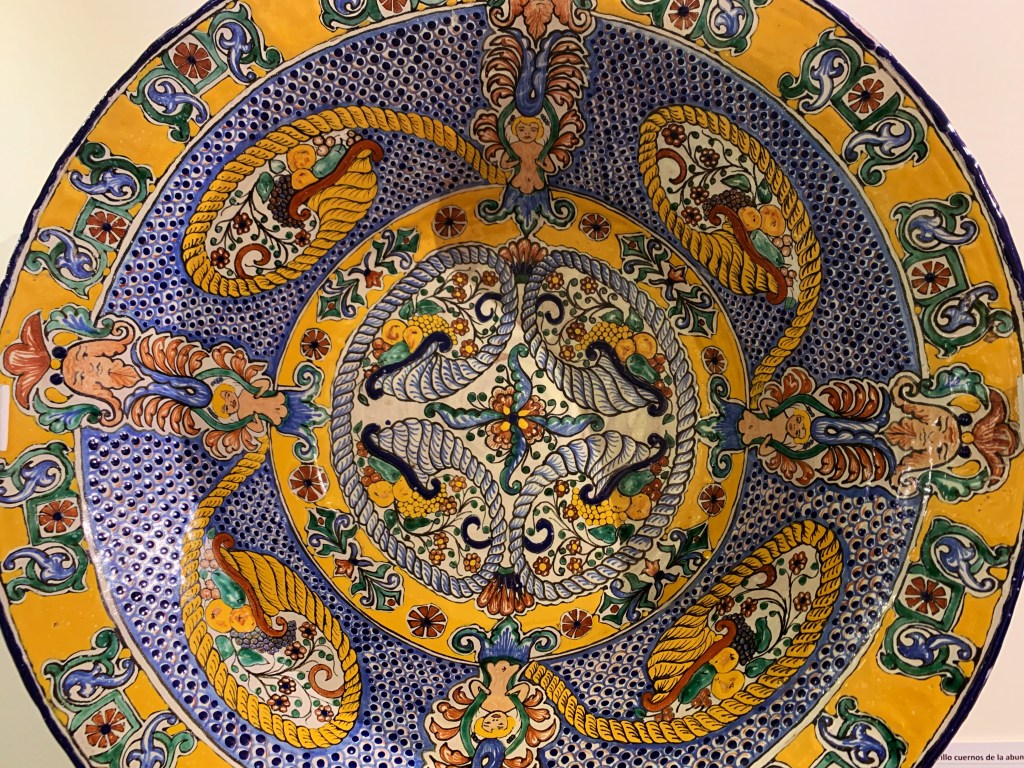
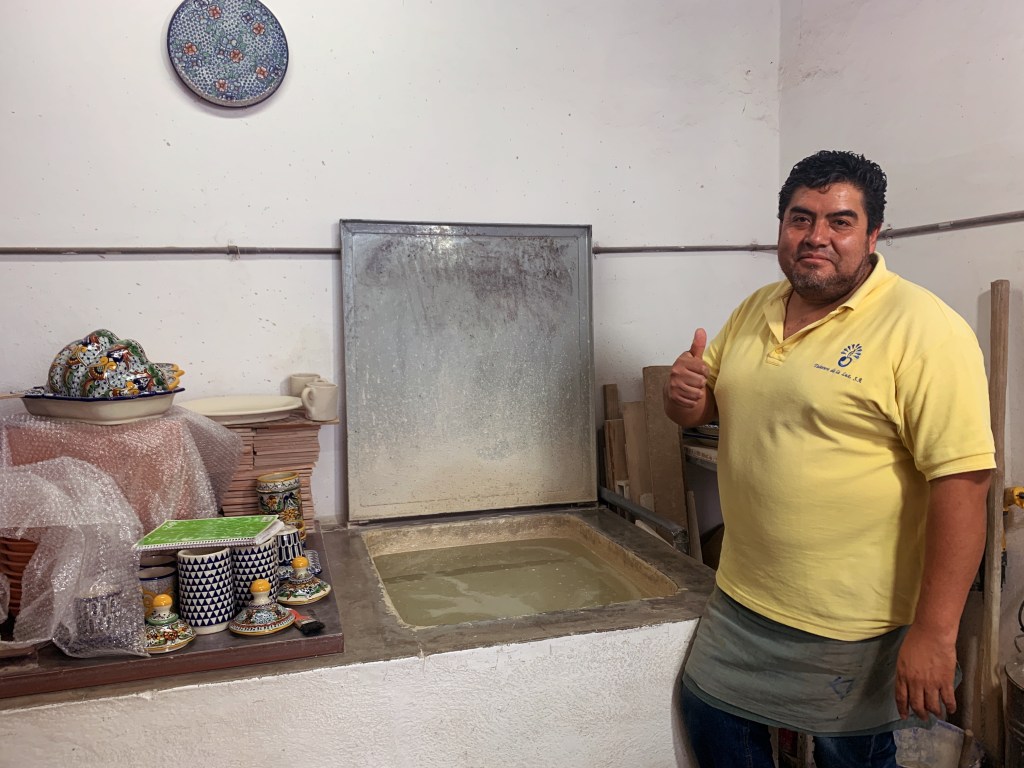
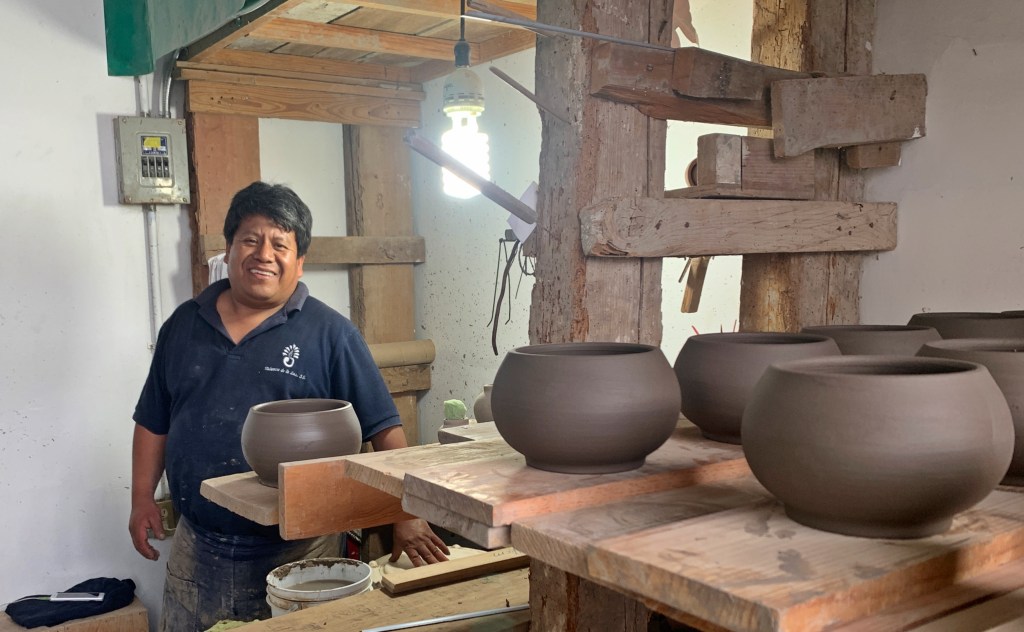
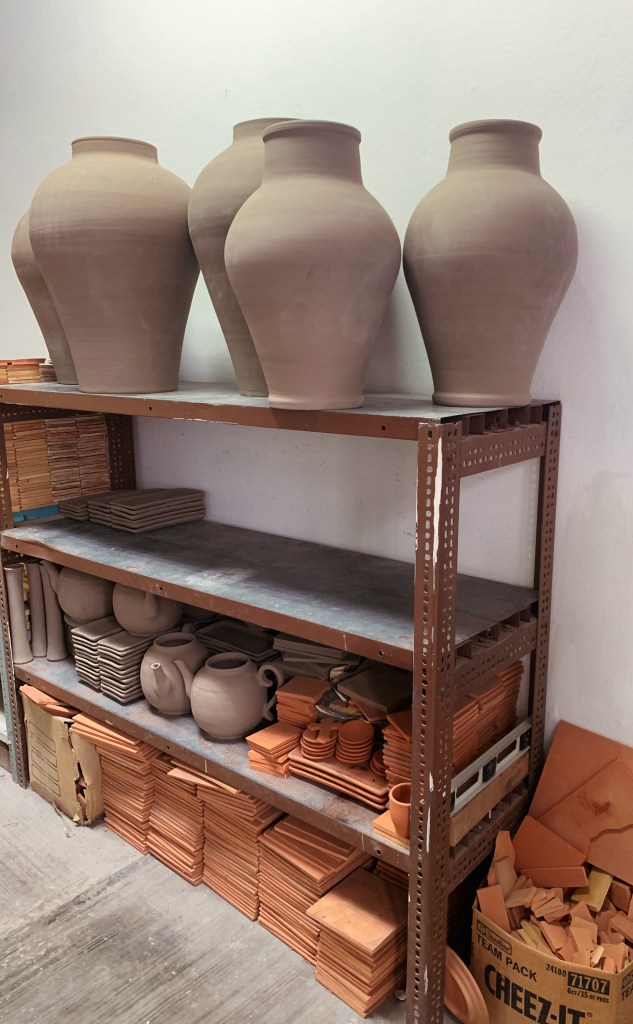
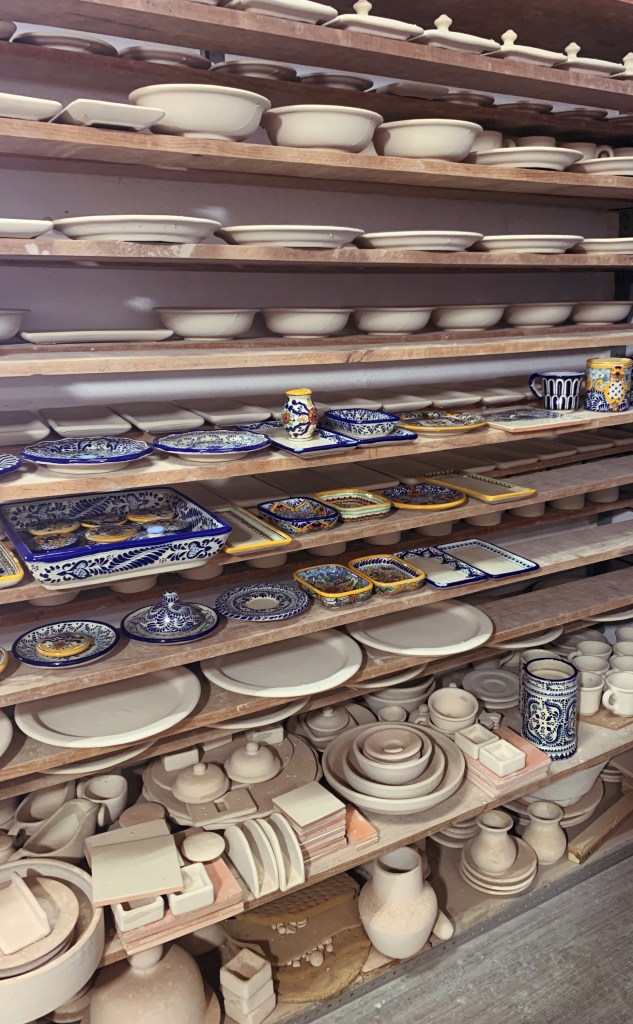
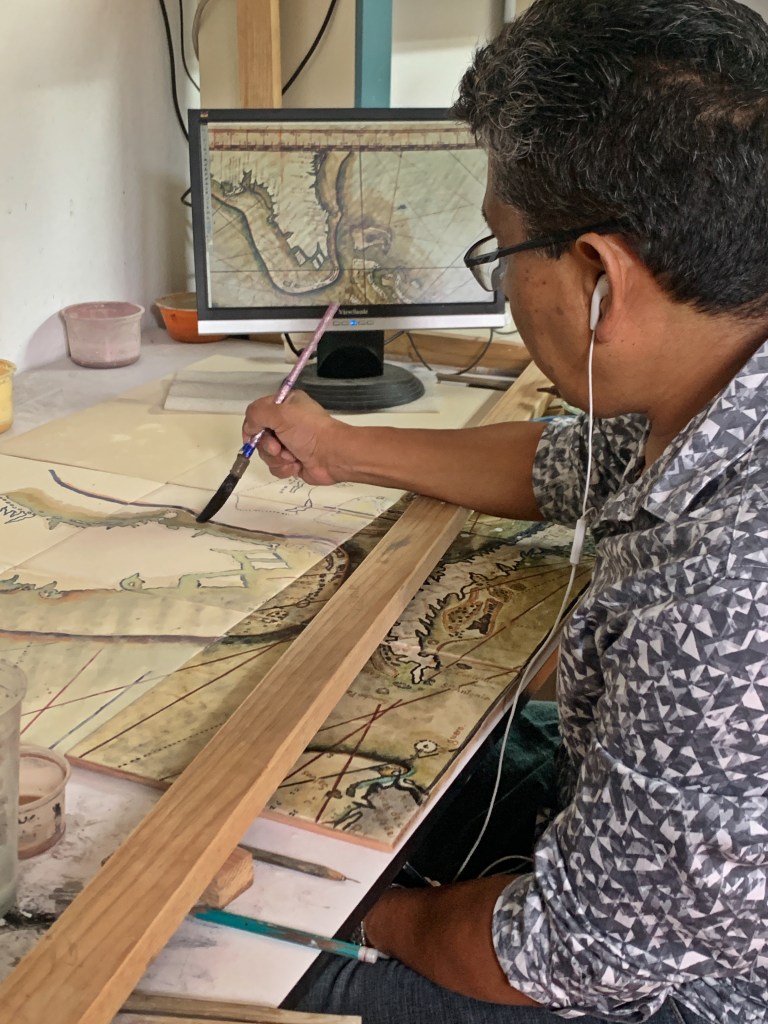
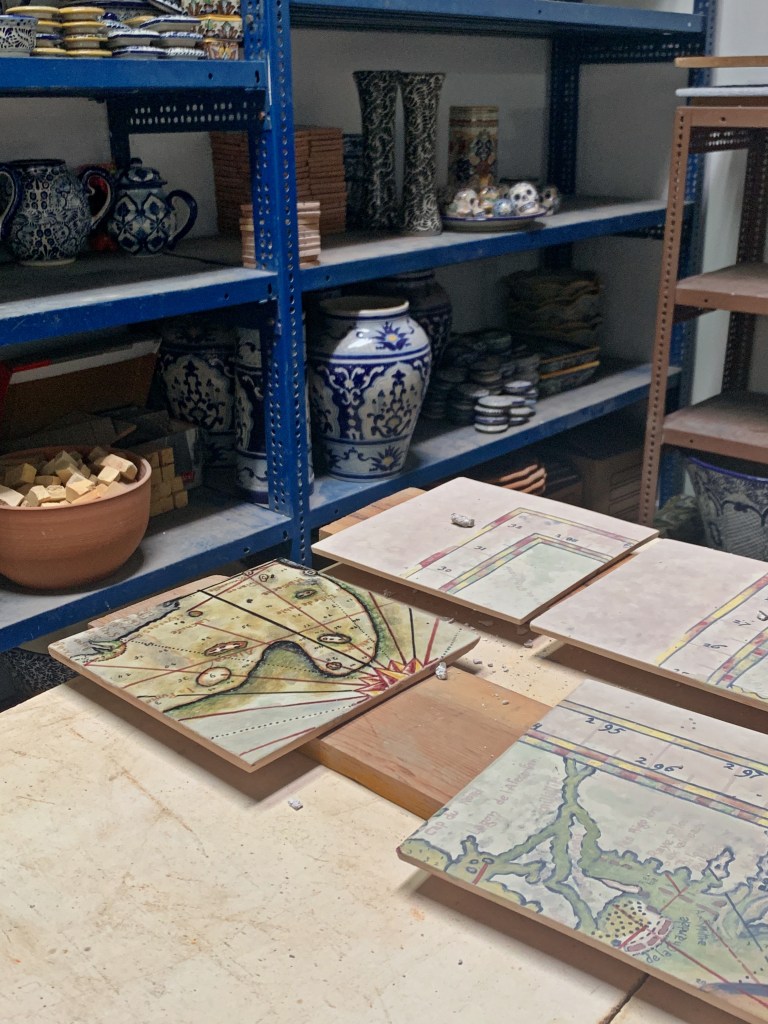
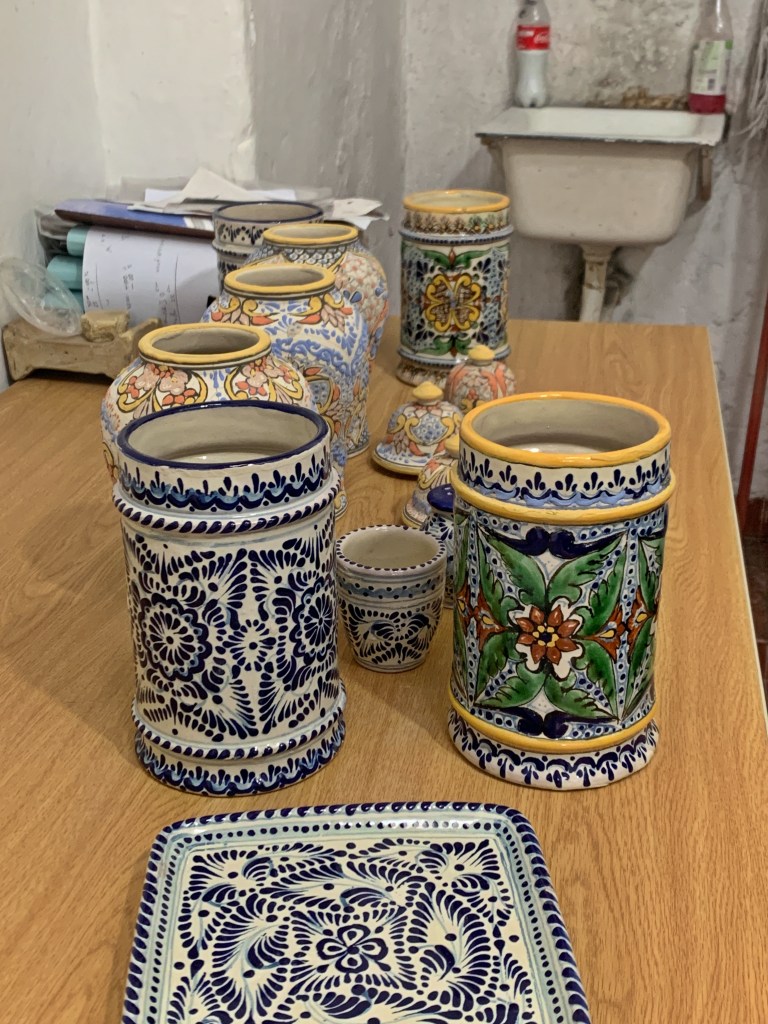
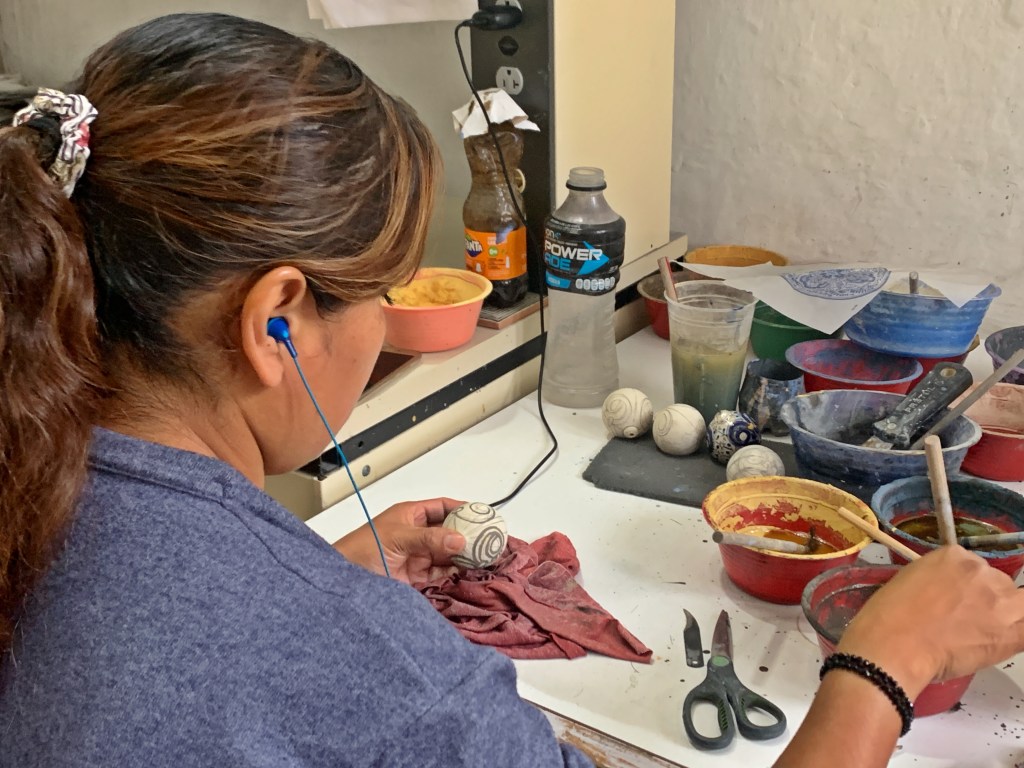
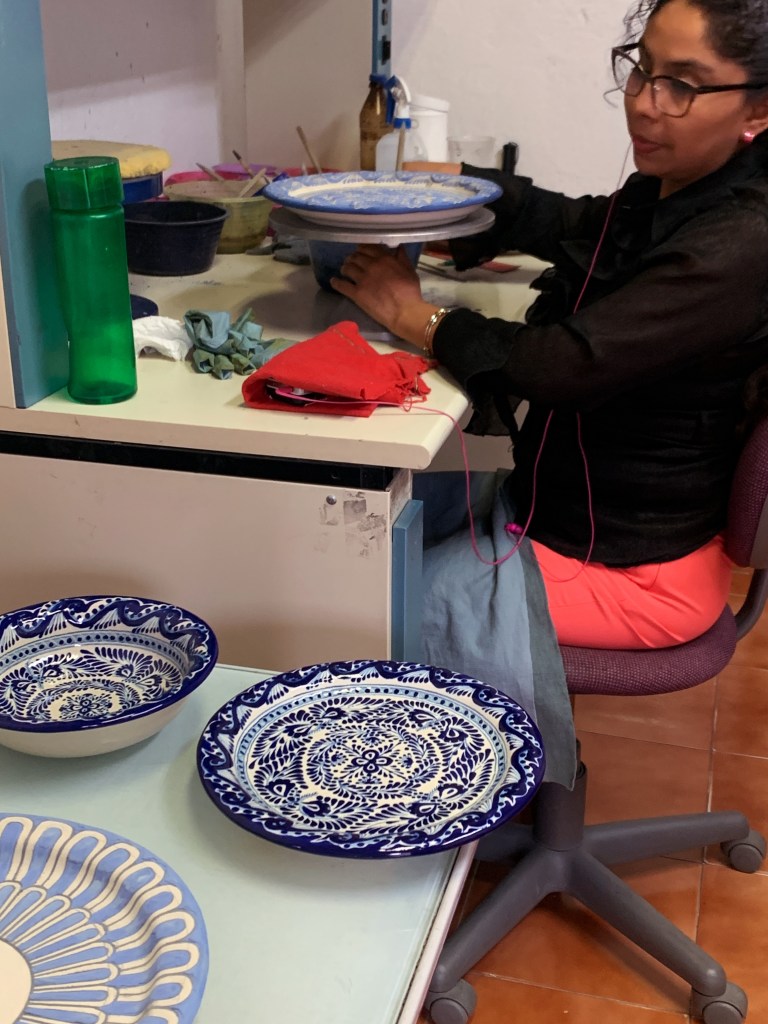
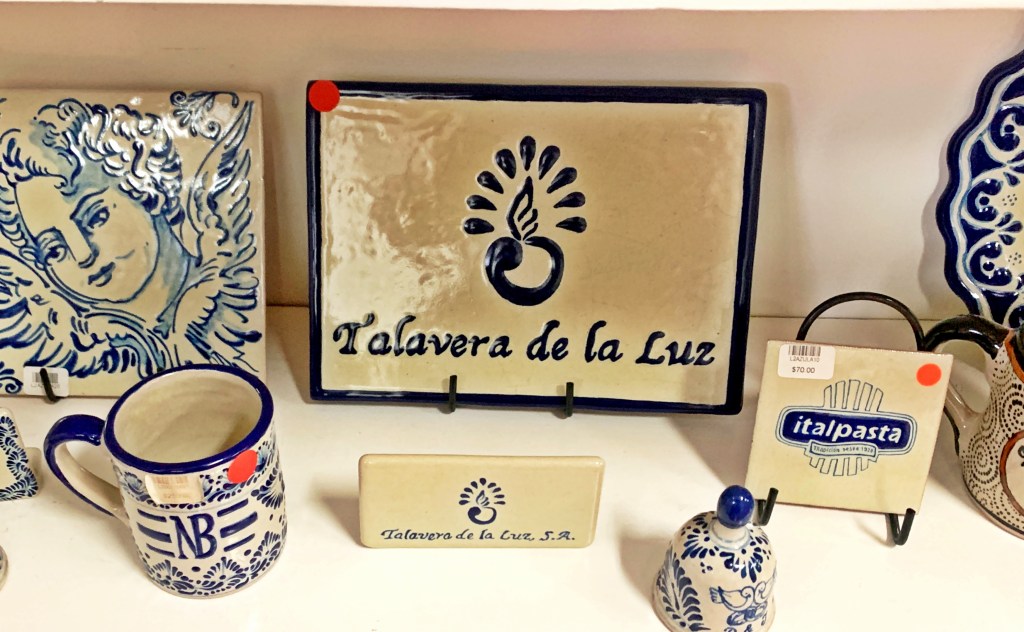
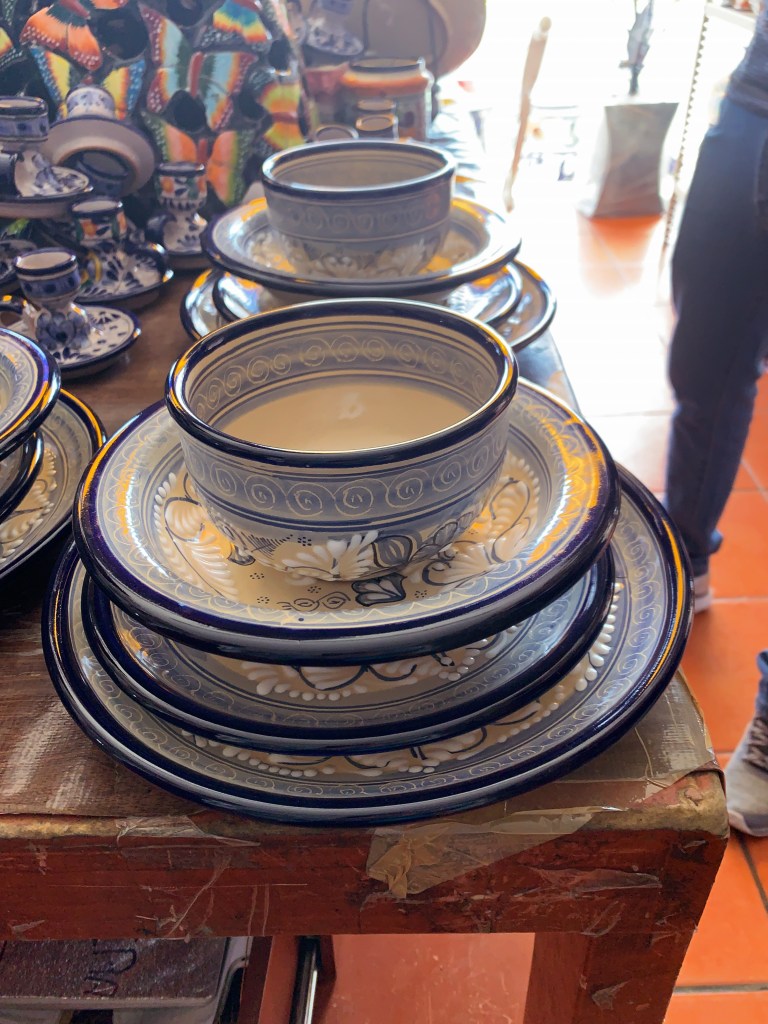
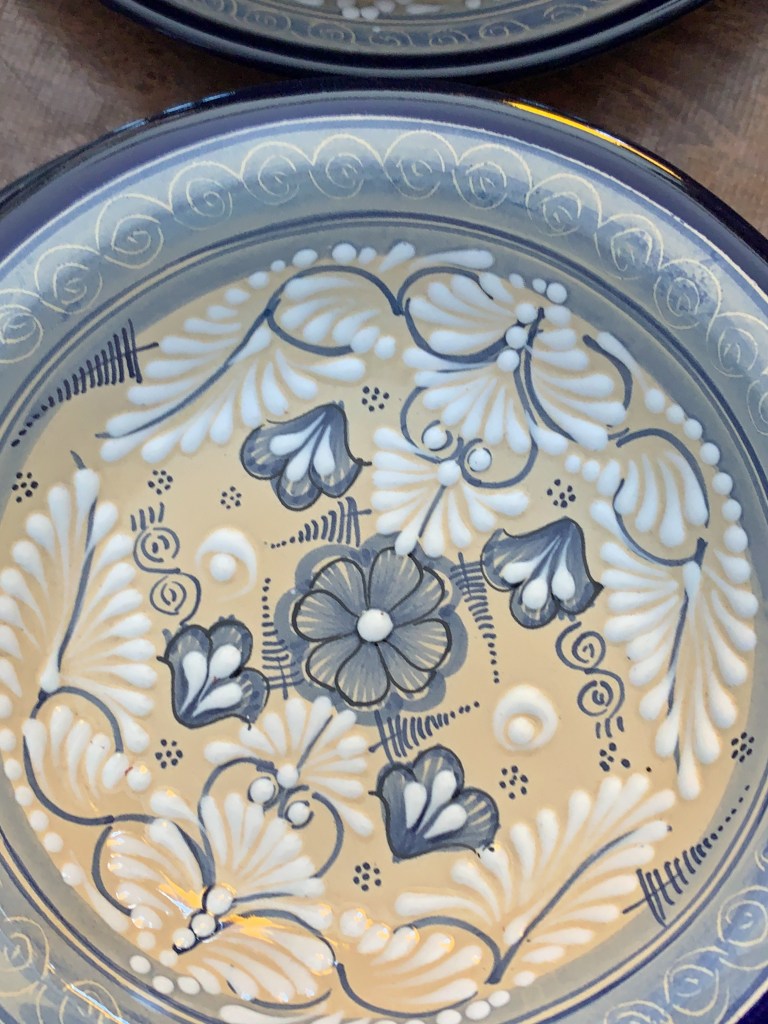
My guide from the Institute, Adriana, also took me to the Talavera de la Luz where they make the treasured Talavera pottery of Puebla. We showed up at 3 pm and the young man in the yellow shirt gave the two of us a complete tour. He showed us the white and black clay that is mixed with water to form the gray clay. The clay is stomped by feet, like grapes for wine, and kneaded by hand, like dough, until it is ready to be molded into plates, pots, and more.

!Adiós, Puebla – numero uno!

(I currently have intermittent and slow WiFi, so I will post in two sections.)

After a whirlwind three weeks with the Spanish Institute of Puebla, studying Spanish, visiting sites, and getting to know my host family, I feel at home in Puebla and have found a second family. Sofía, my anfitriona (I always struggle with that word – host), has fed me, laughed with me, taken me places, cleaned up after me, advised me, told me stories, and fiercely supported me when I needed it. Based on my experience, I am going to return here in April for another round!

Map of Puebla showing (top to bottom) the Zócalo, the Spanish Institute of Puebla, and my home with Sofía.

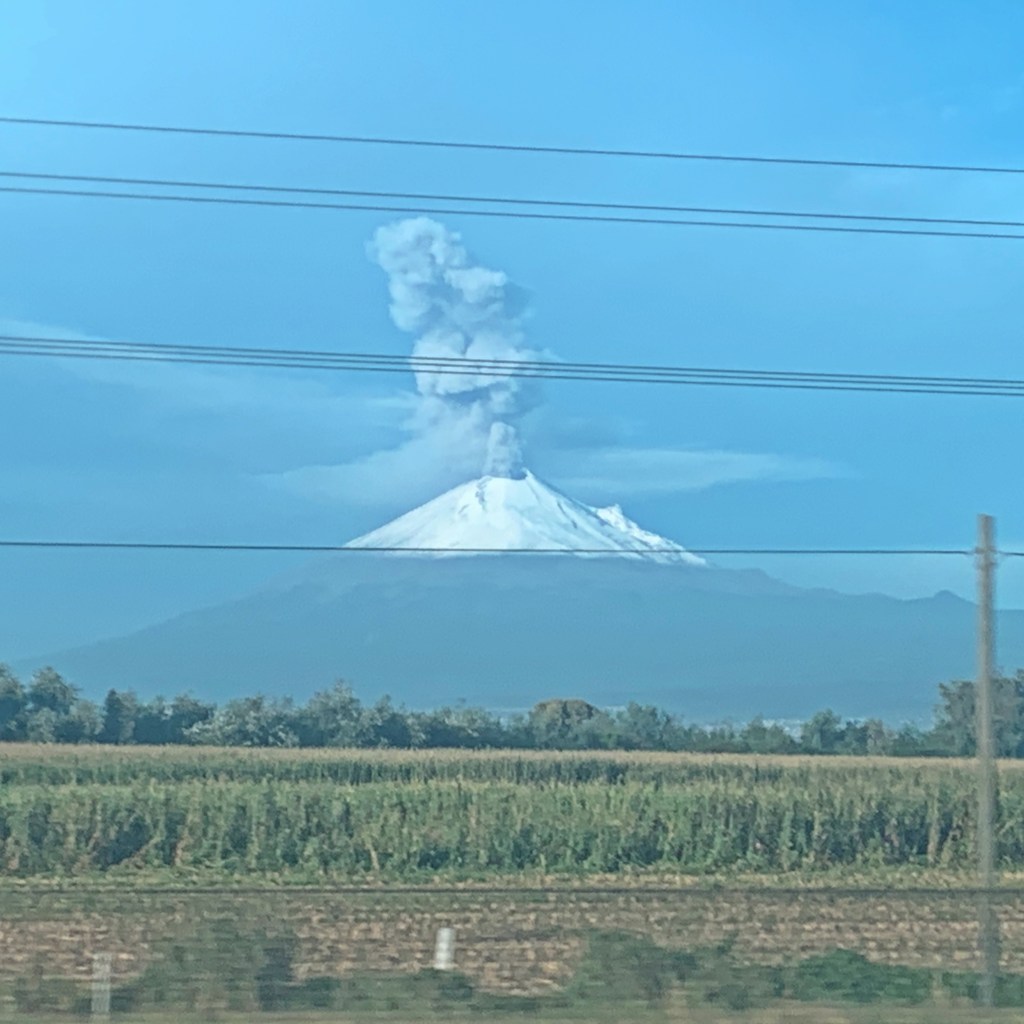
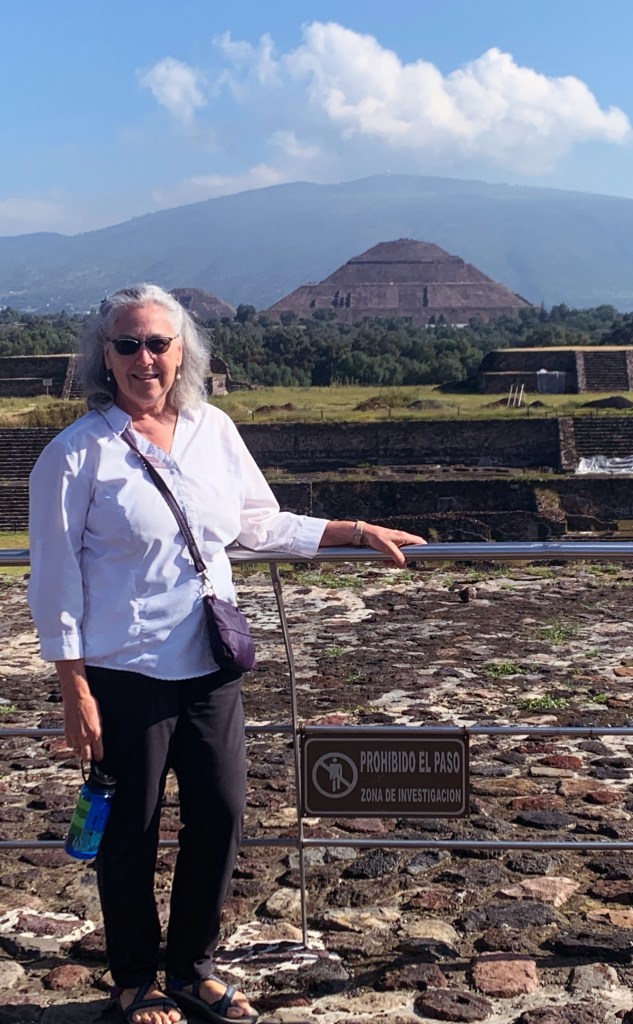
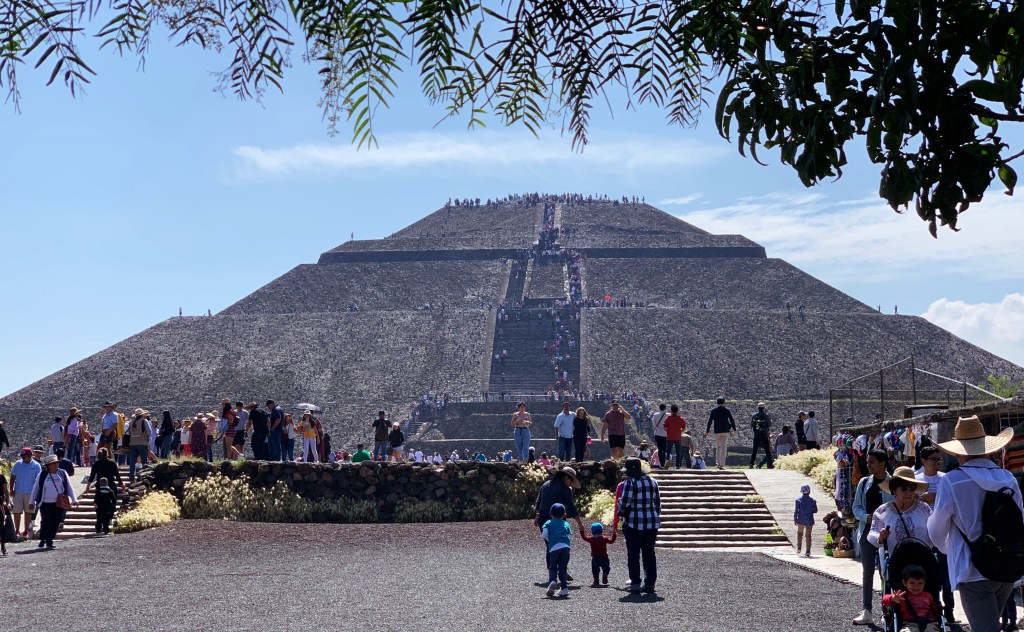
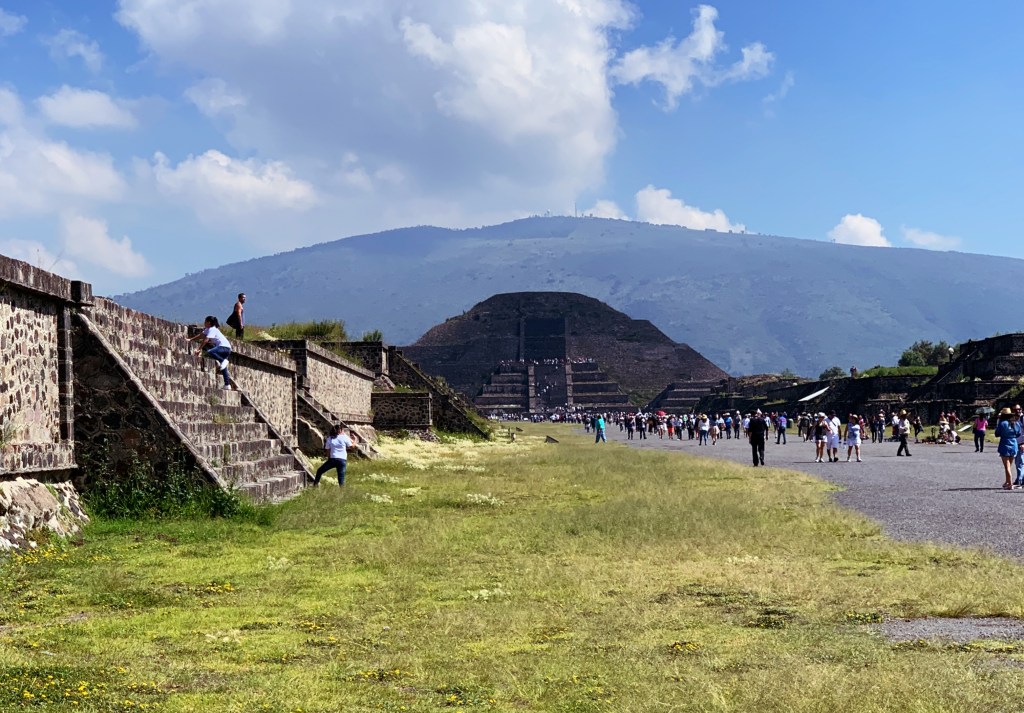
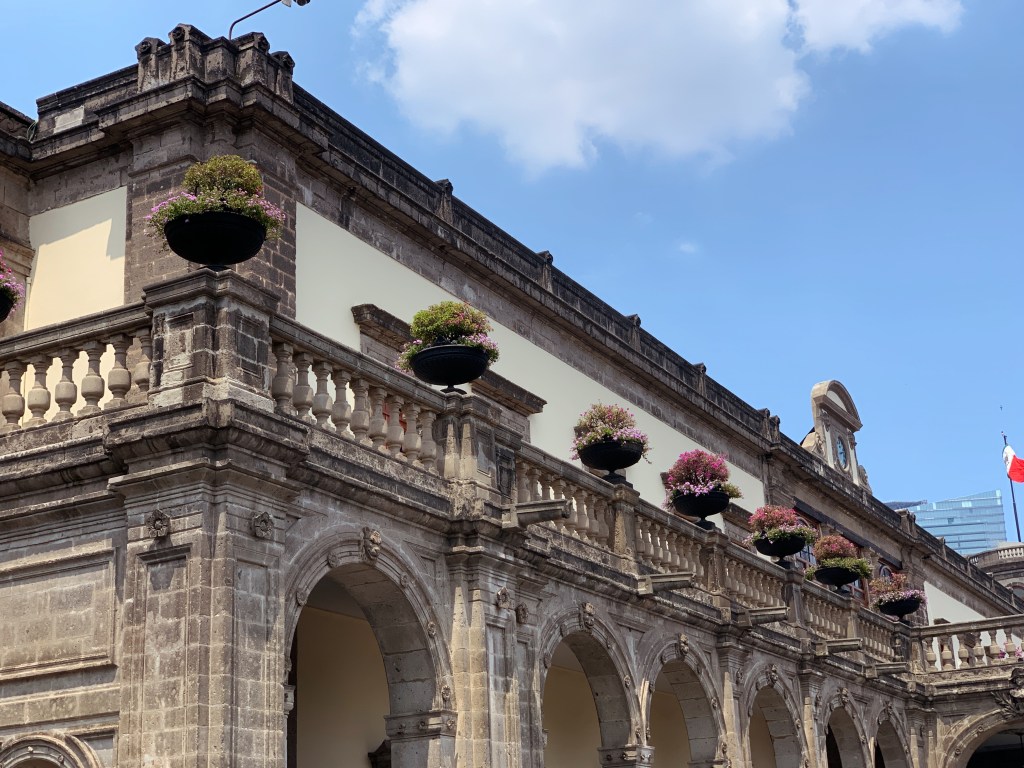
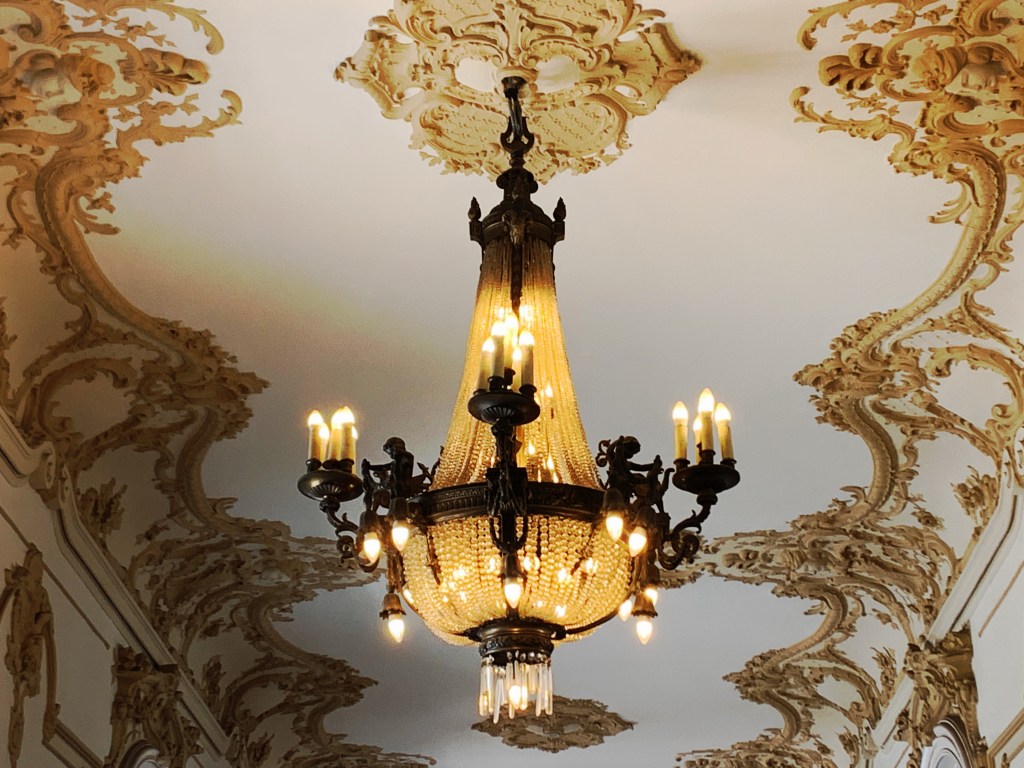
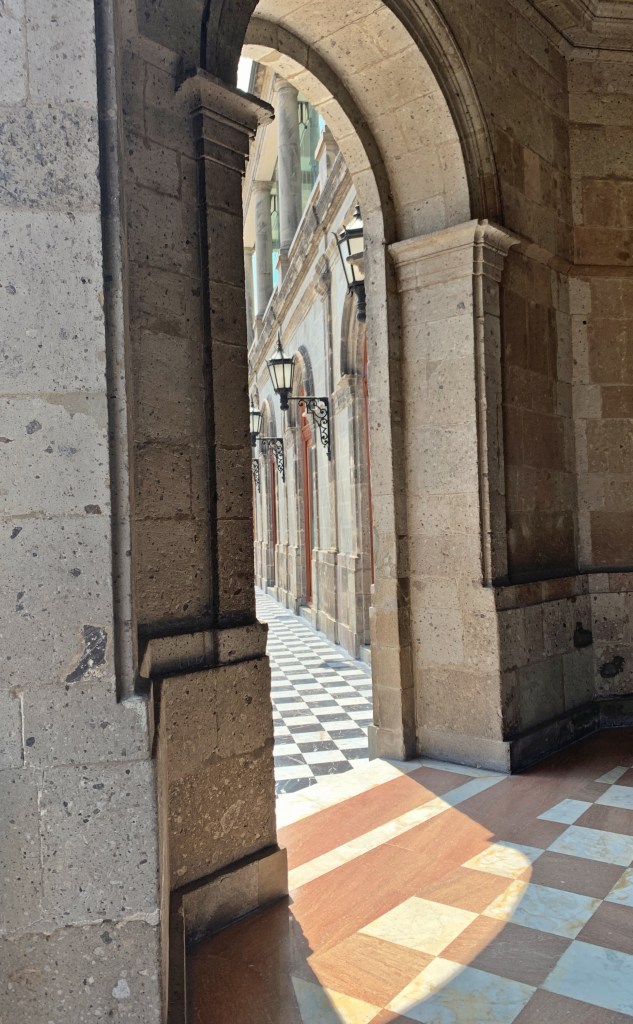
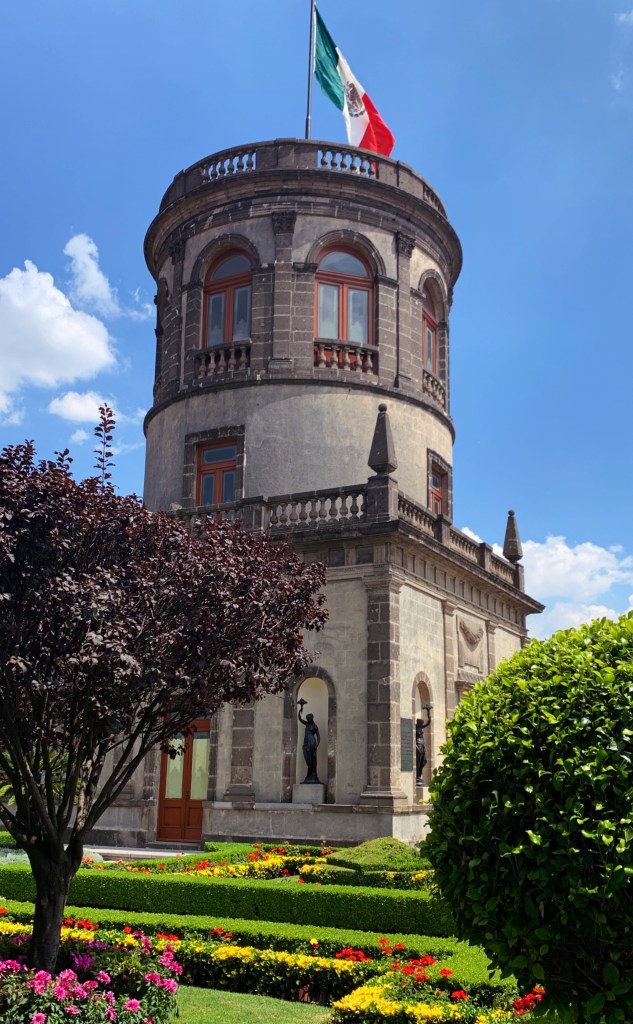
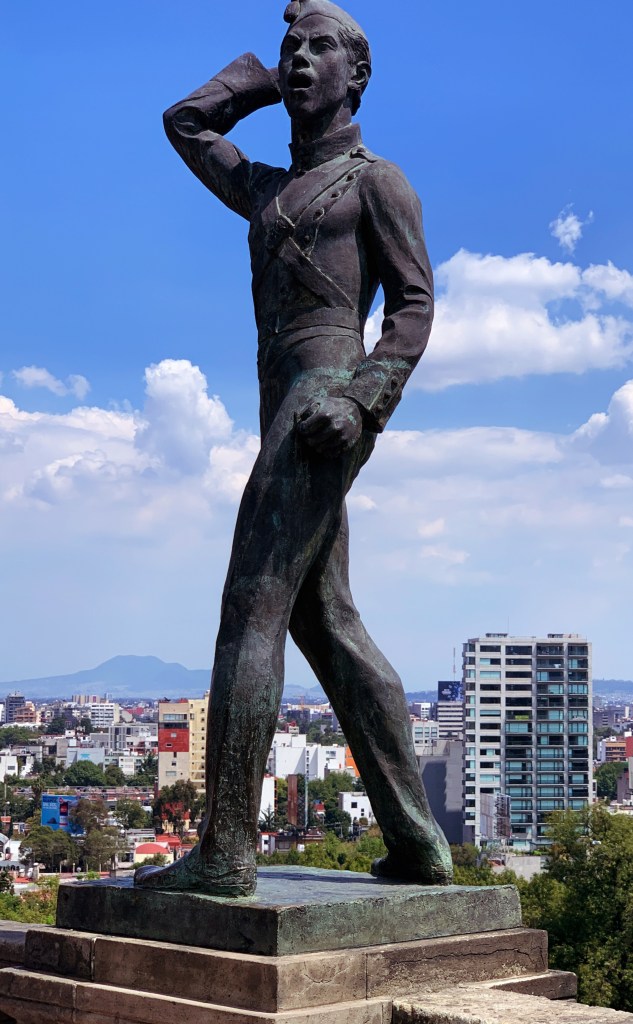
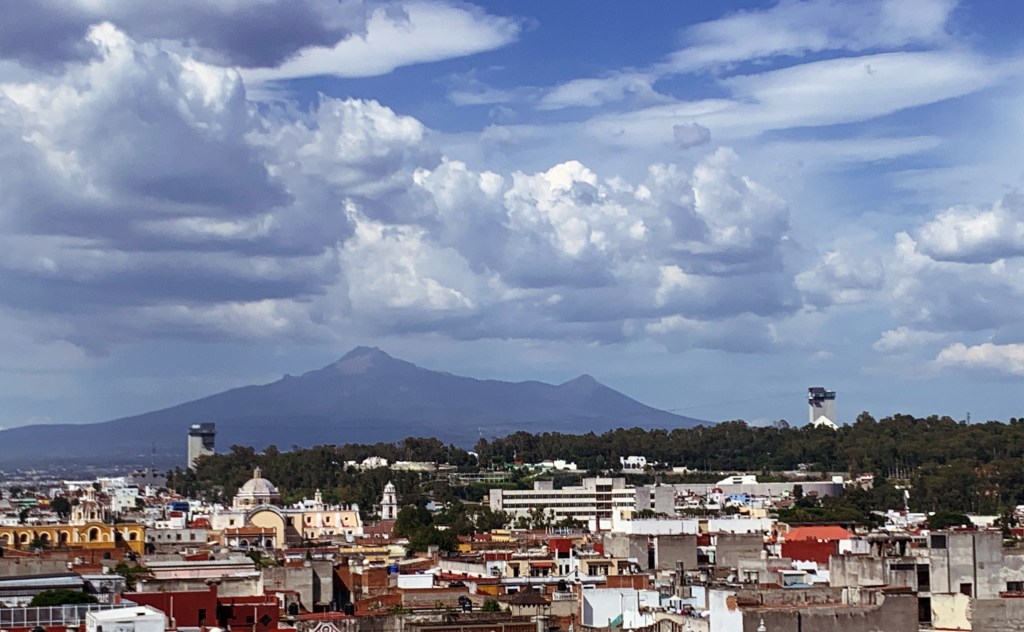
Last Saturday, as part of the program, we went to Ciudad de Mexico and visited Teotihuacan and Bosque (Forrest) and the Castillo (Castle) de Chapultepec. On our way the active volcano, Popocatépetl (Popo, for short) was showing more clearly than I had ever seen it – and with a fresh coat of snow!

Here Comes Independence Day!

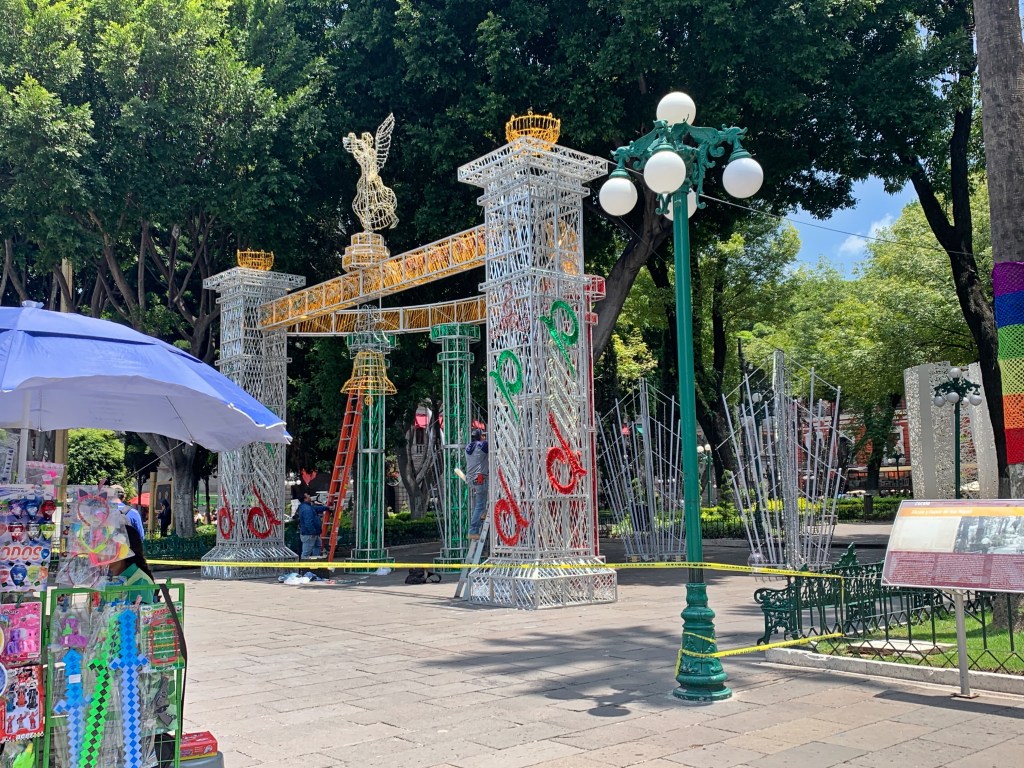
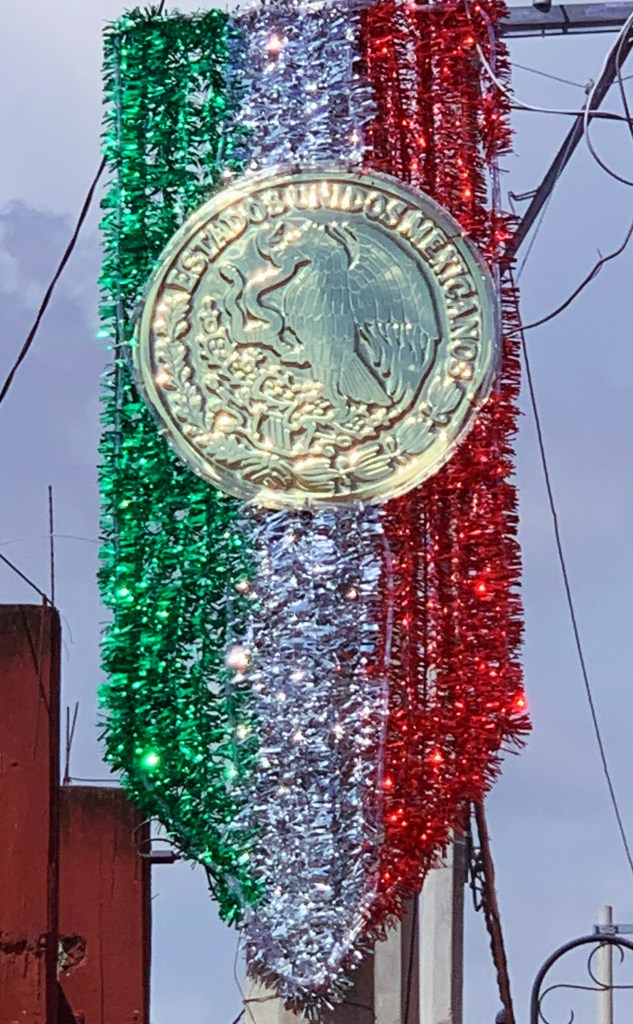
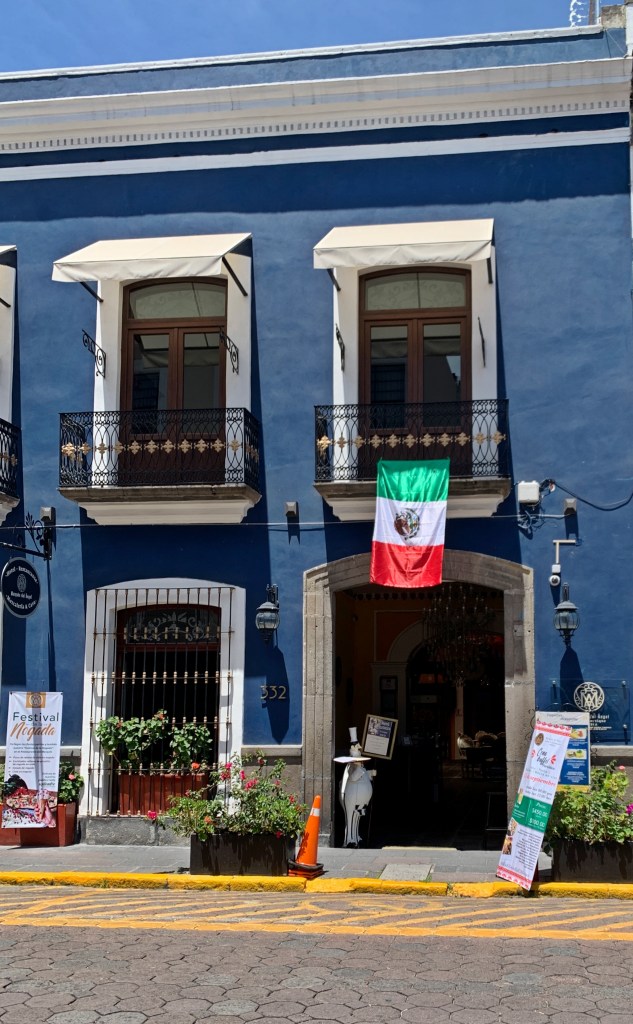
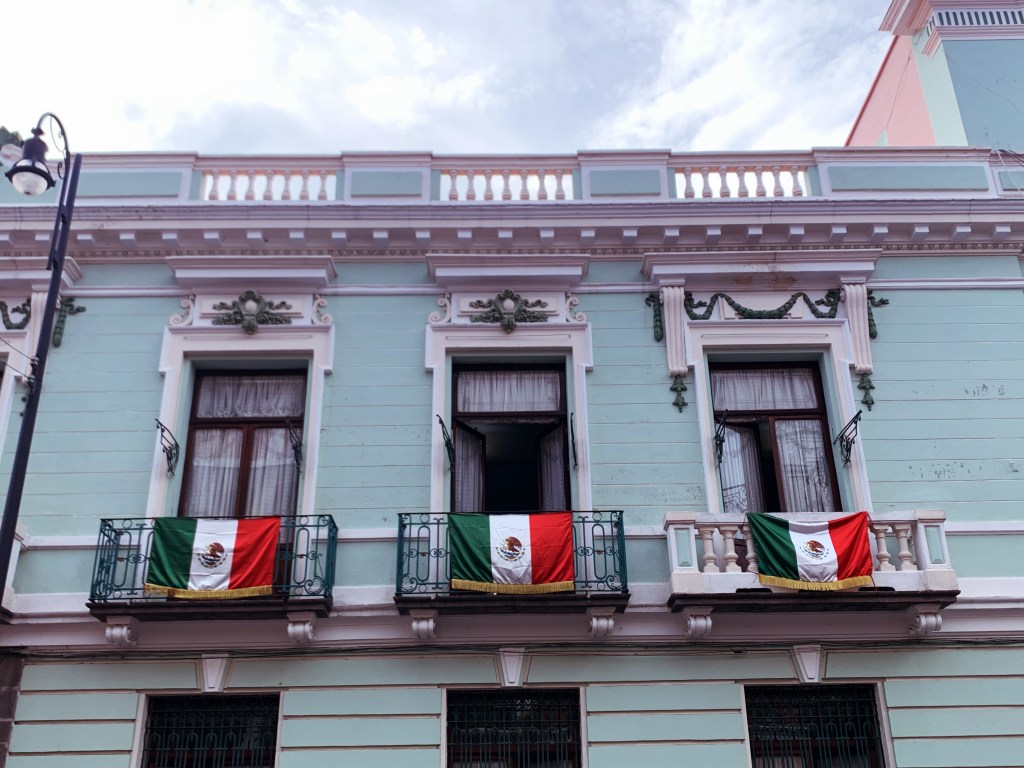
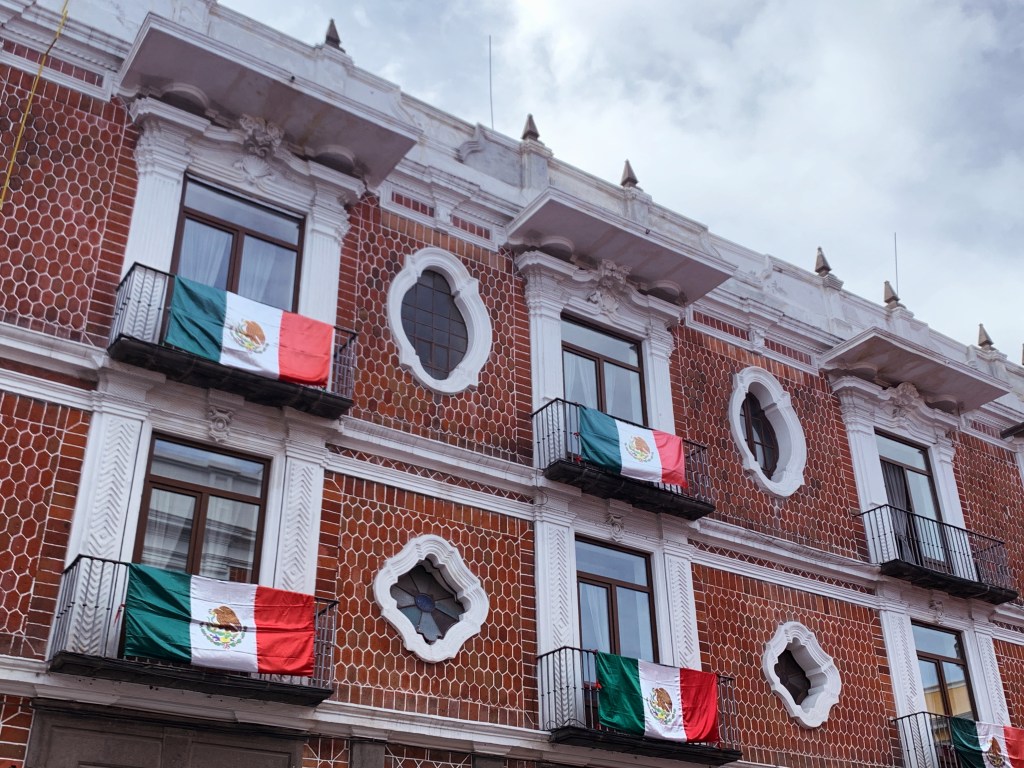
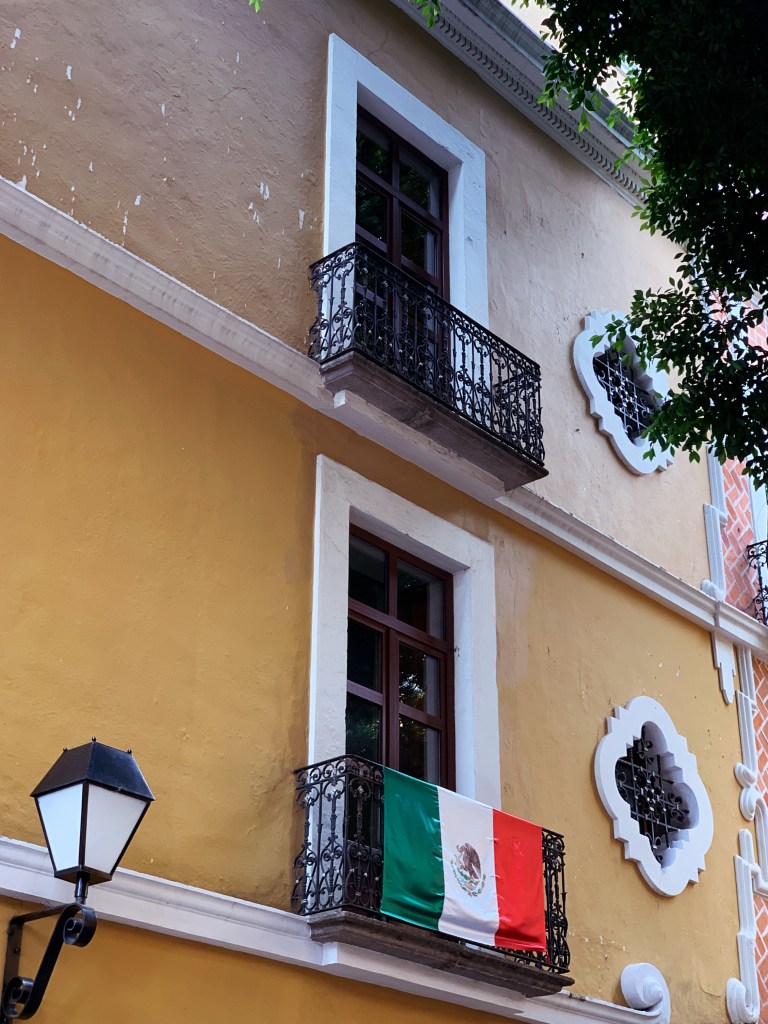
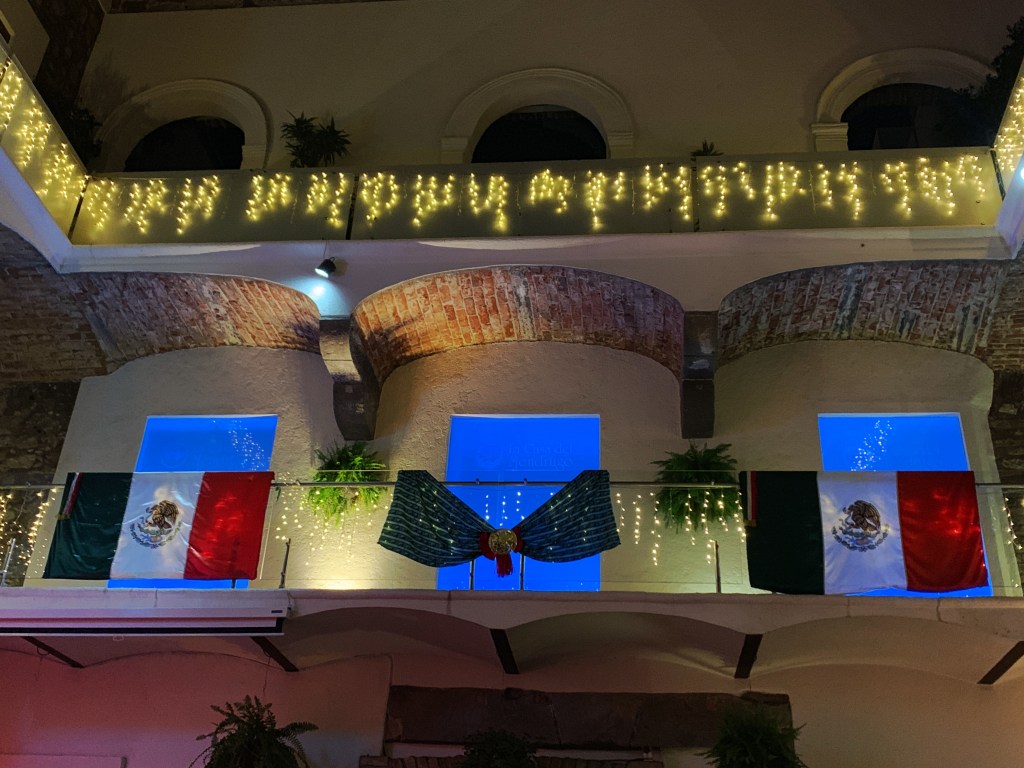
Independence Day, celebrated on the night of the 15th of September, is a family holiday for most of the people I talked to. They gather, make and eat traditional dishes, dress in traditional attire, place traditional music and have fun. Meanwhile the streets and parks are crowded with other partying people doing much of the same thing. This holiday commemorates the start of the war with Spain. In many places, a political figure recreates the moment of the “Cry of Independence”. In Mexico City the Mexican president rings a bell at the National Palace at 11pm and then shouts the cry of patriotism, based on the original cry. The following day, Independence Day, is a public holiday in Mexico. Decorations have been going up since Sebastian was here.

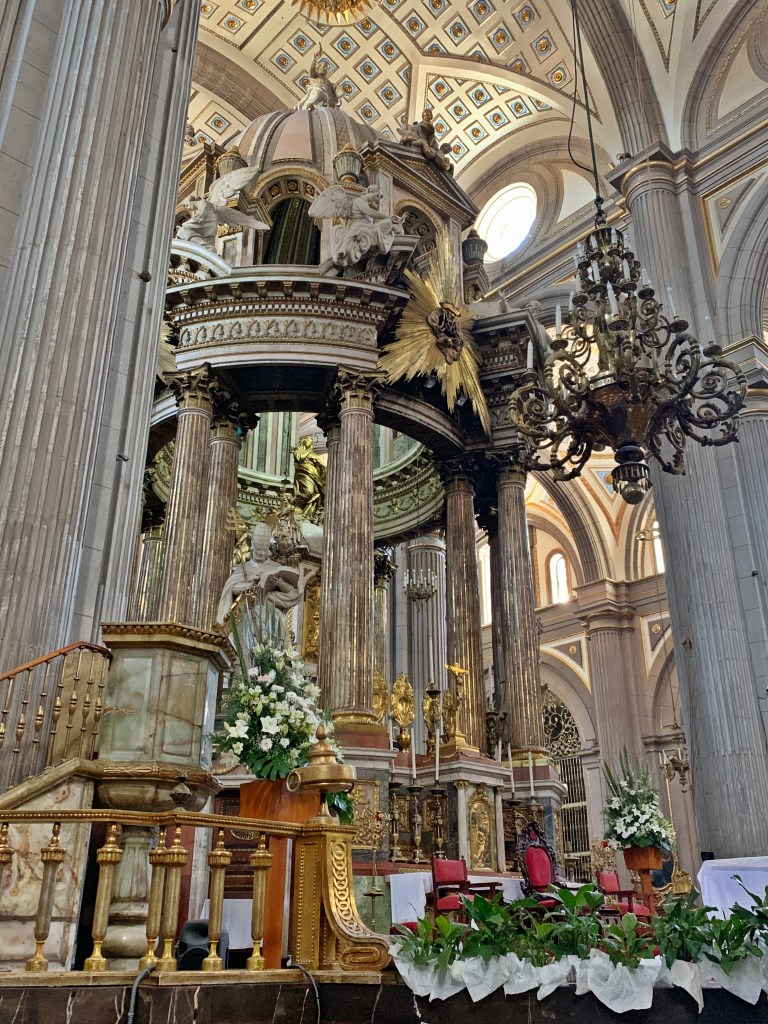
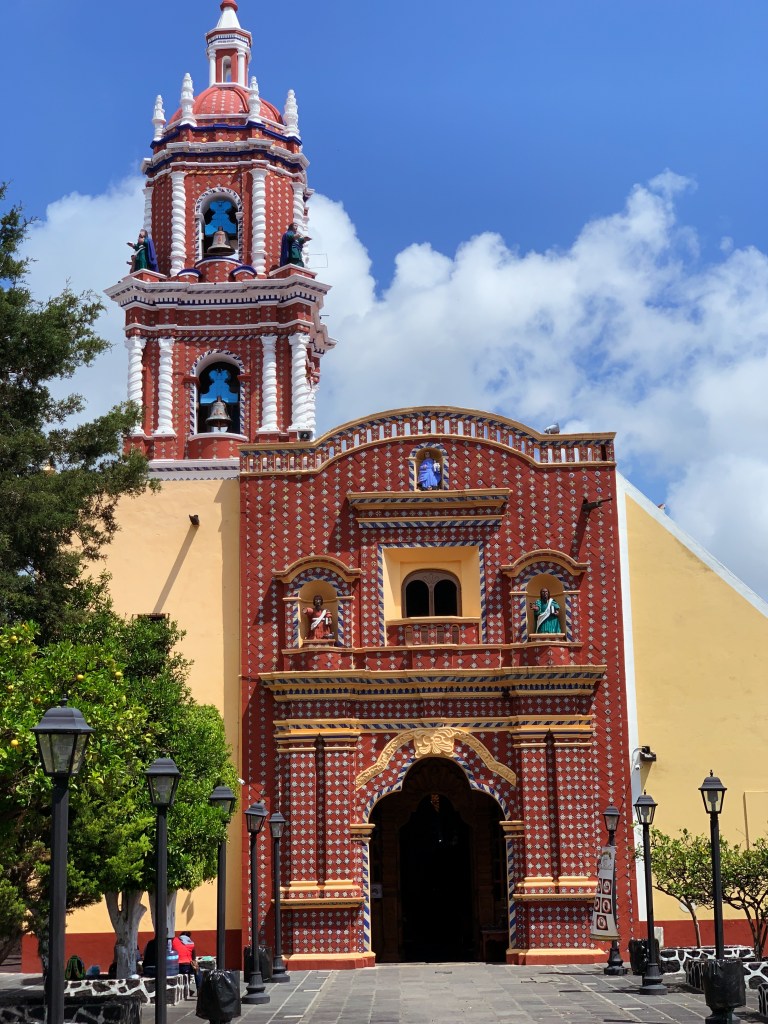
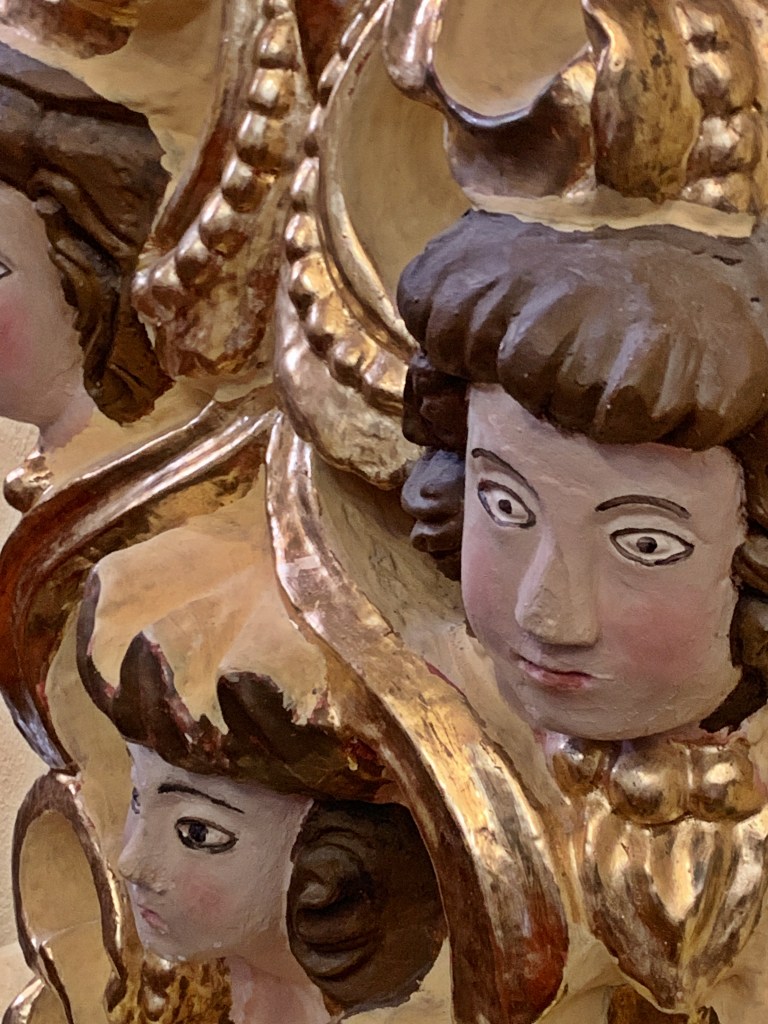
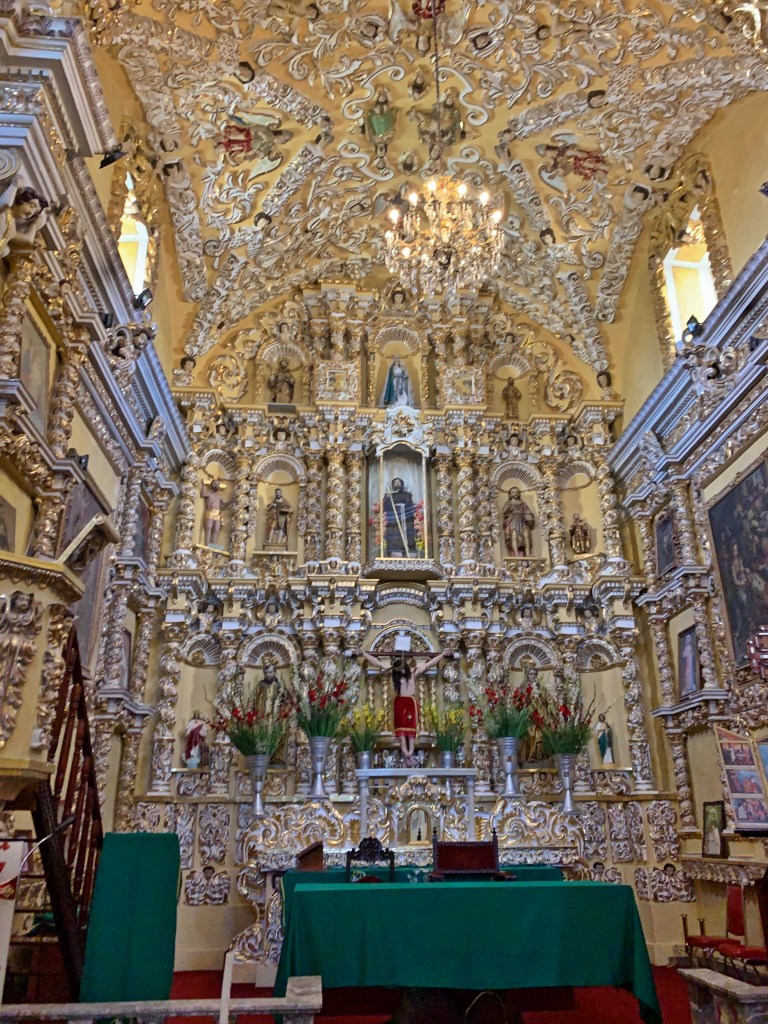
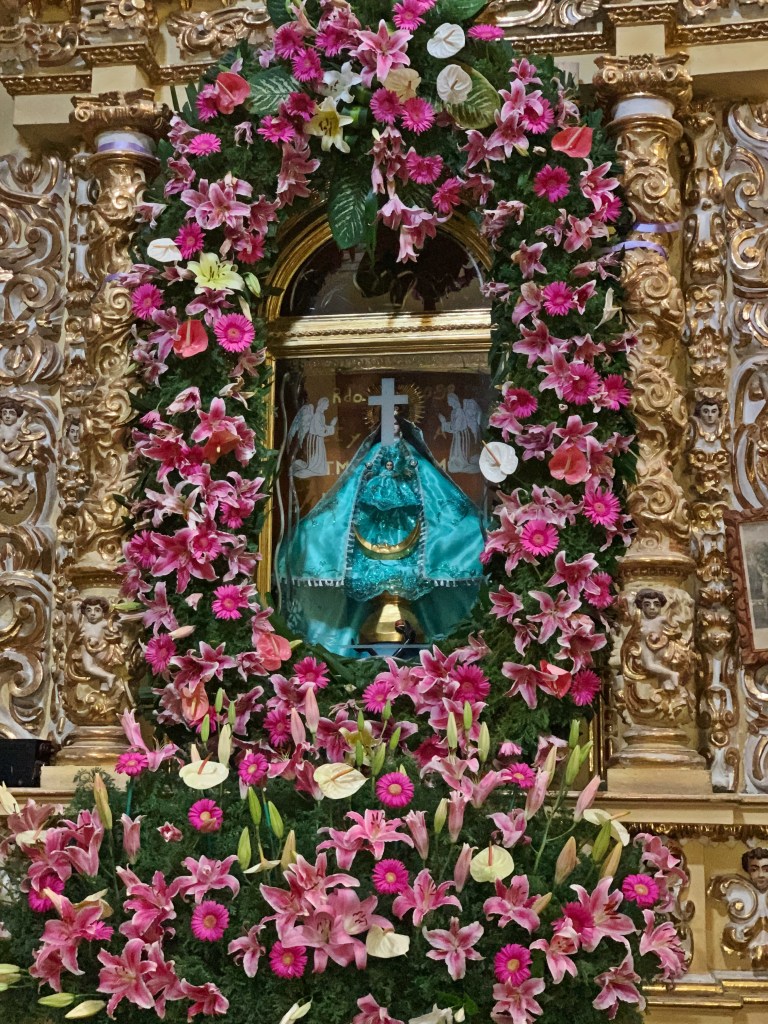
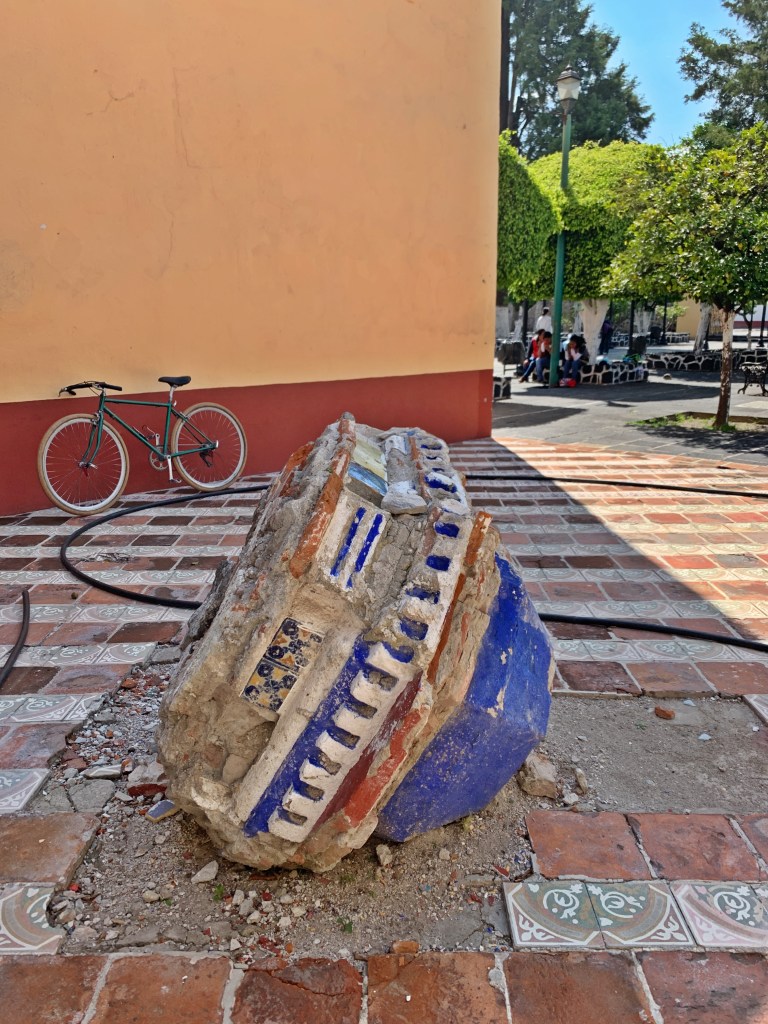
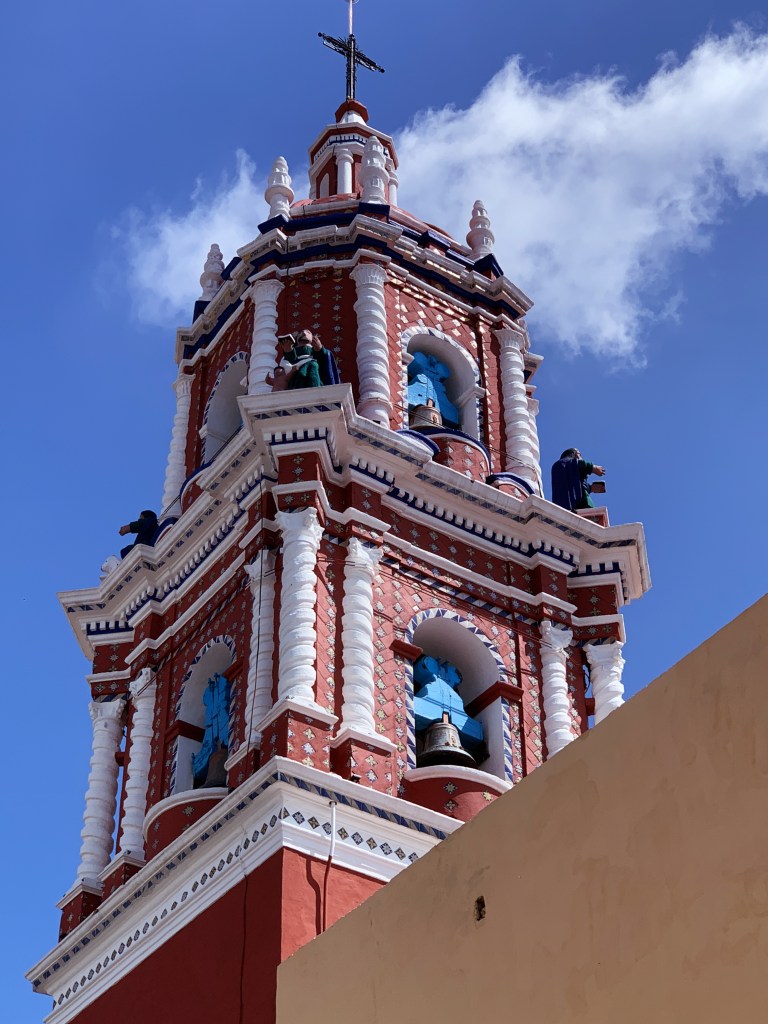
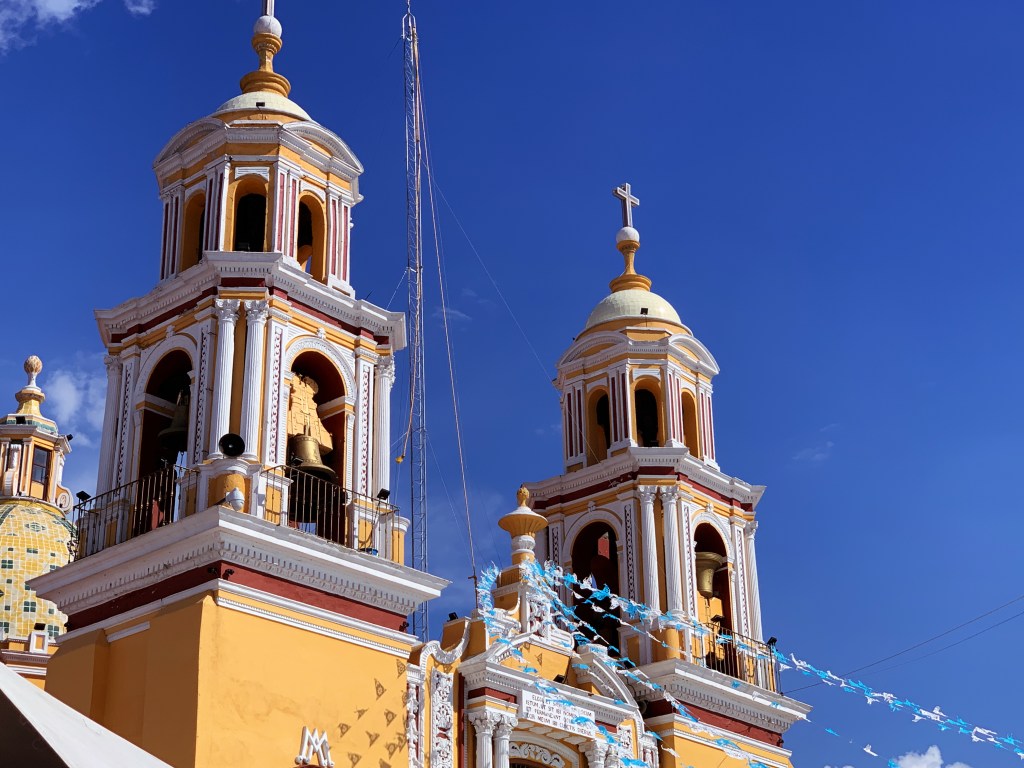
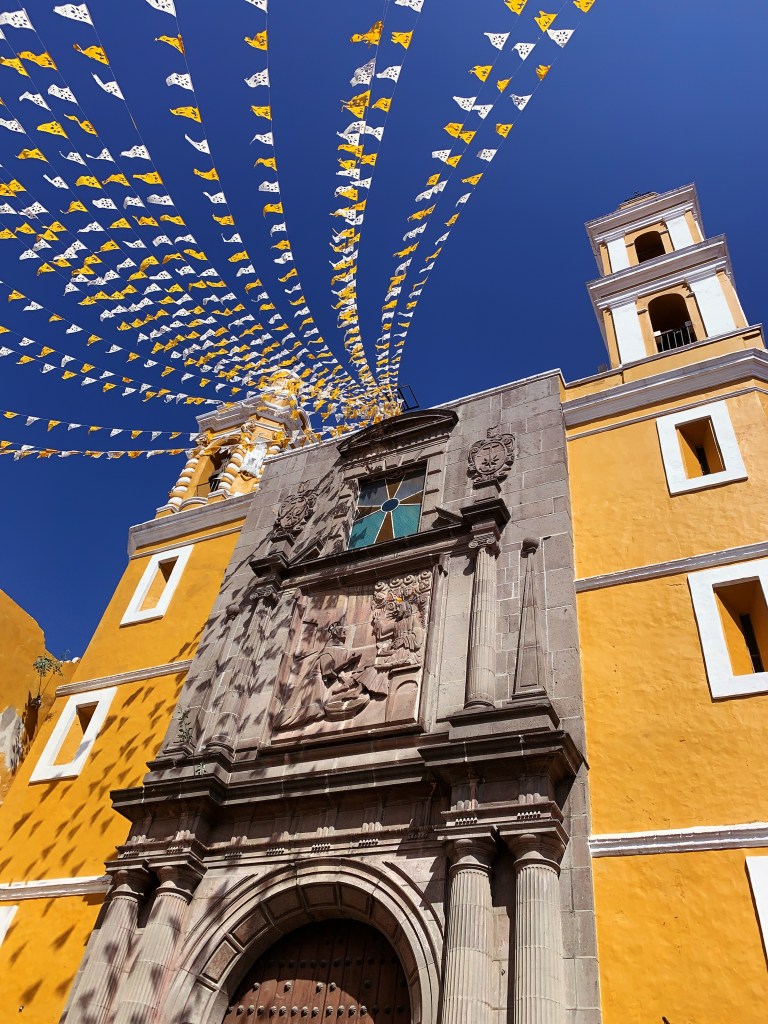
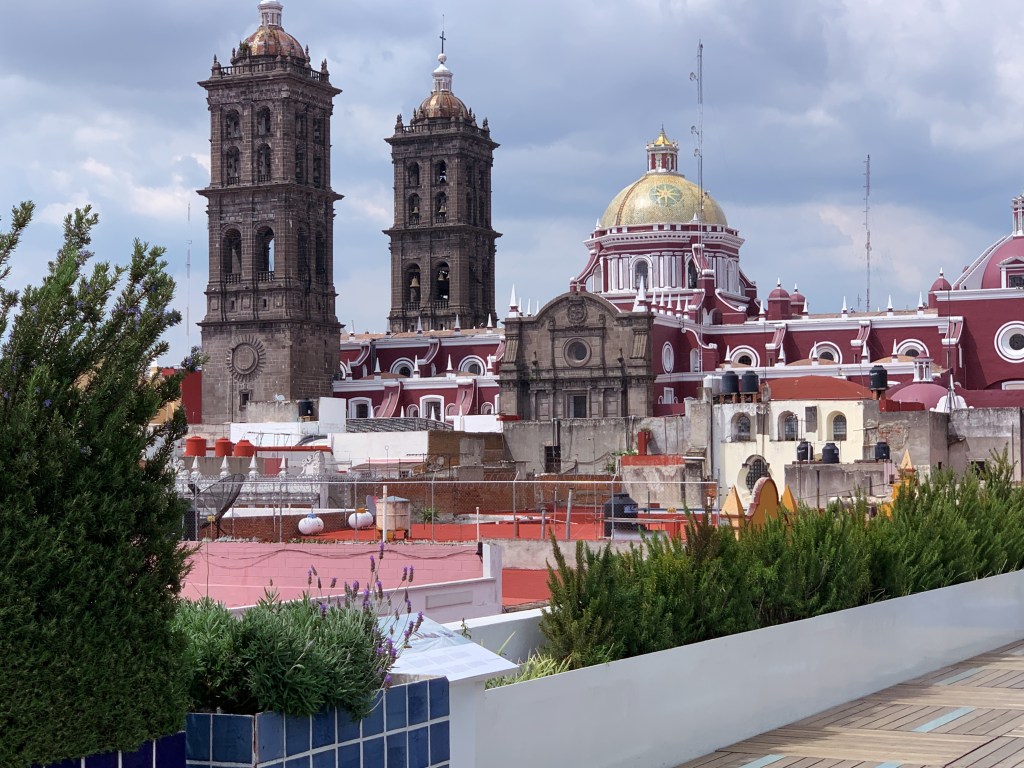
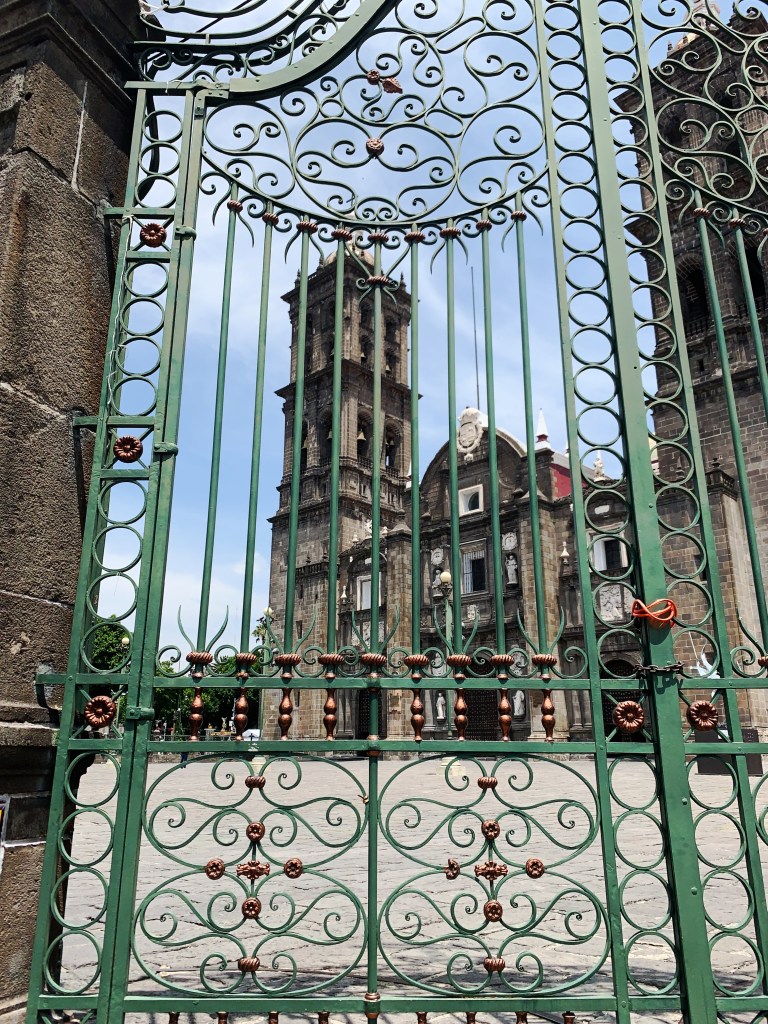
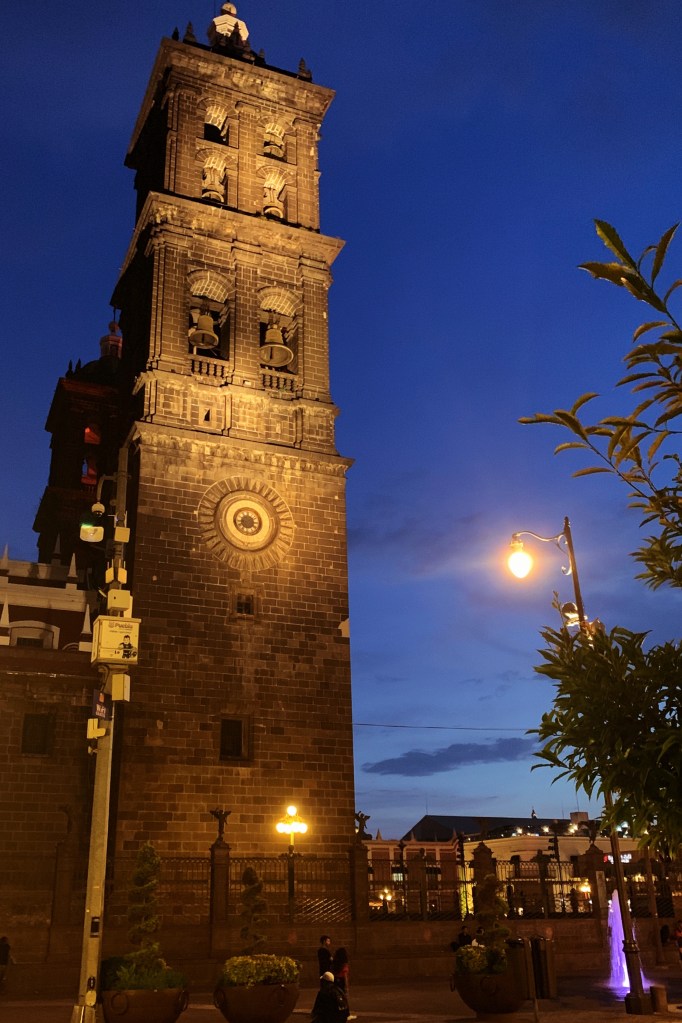
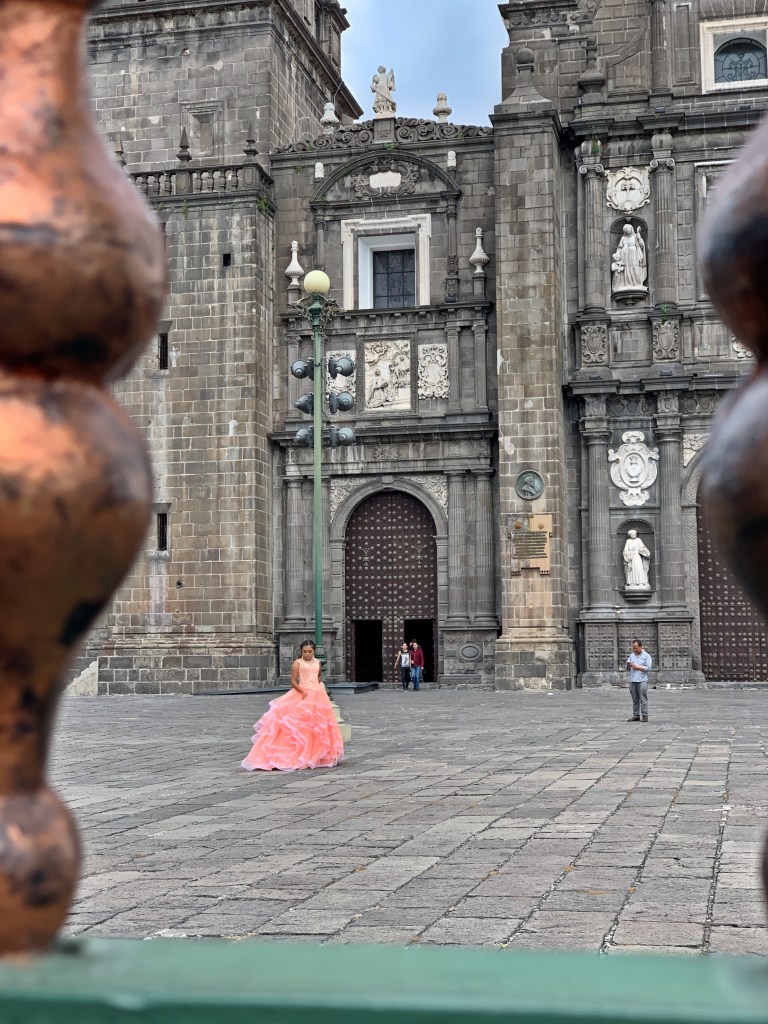
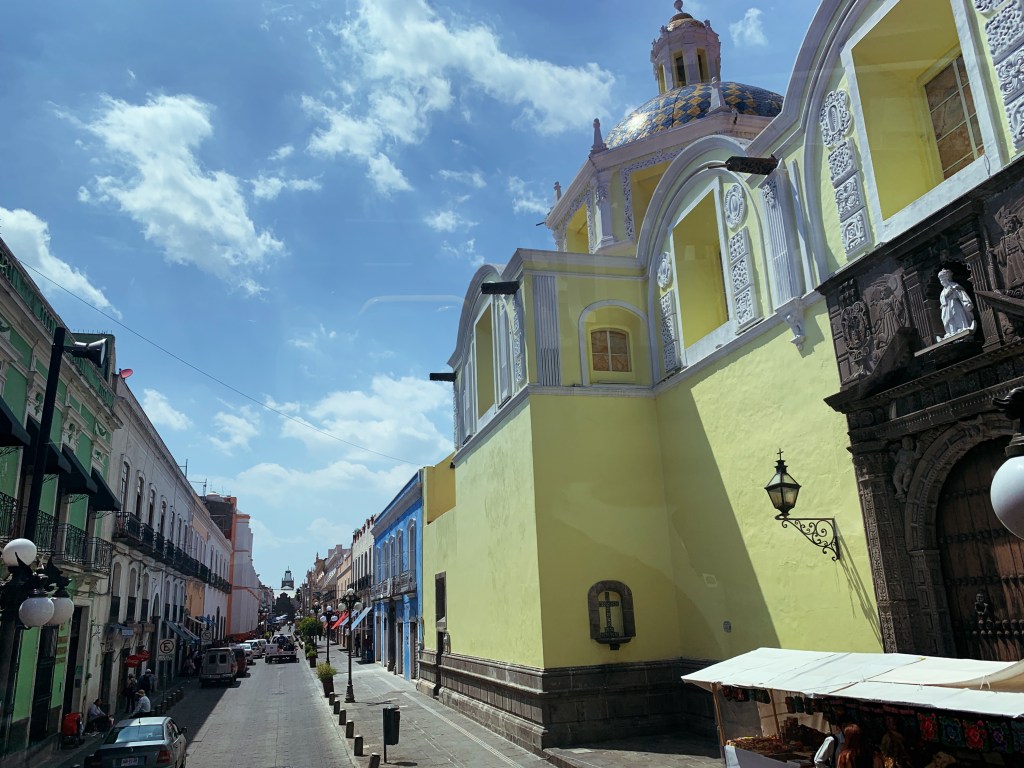
Ok, I gave you a break from churches last week. Puebla City, with over 3,000,000 is the third or fourth largest city in Puebla – depending on who you talk to. It appears to me that they have a church on every block (similar to Starbucks in Washington state). In part because churches in the US are so different, and in part because they are so old and beautiful, I just love to look at them and go inside. In this region they suffered quite a bit of damage in the 2017 earthquake and are still restoring sections.

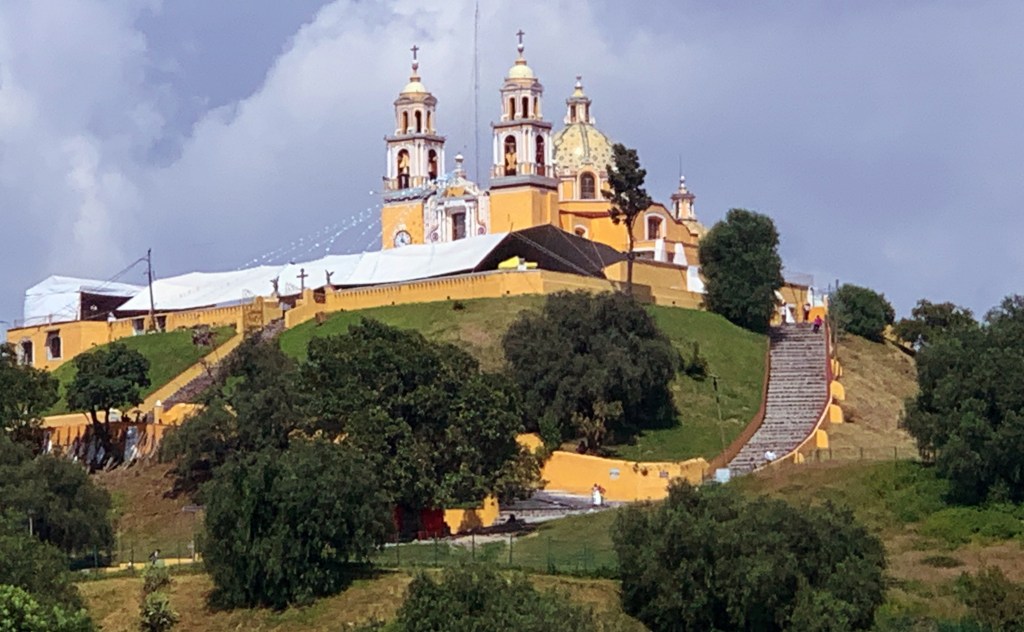
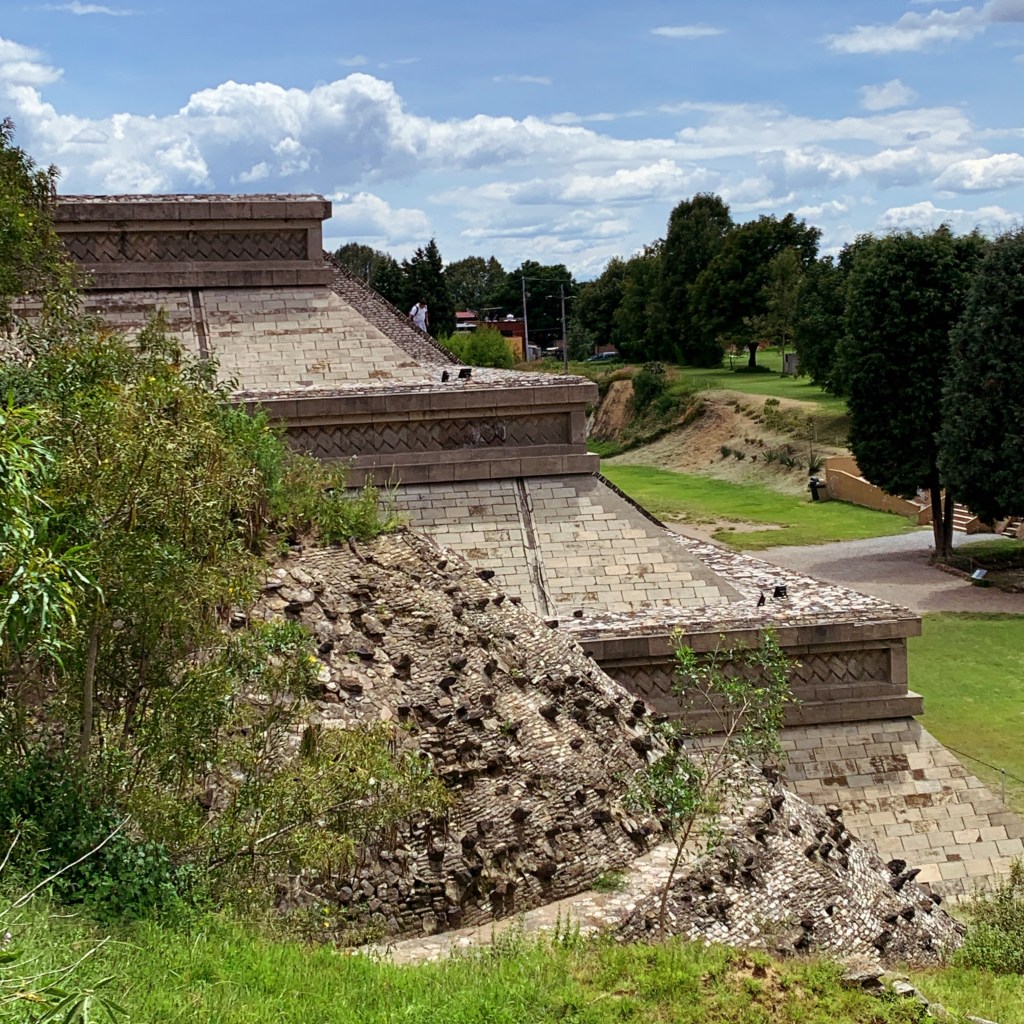
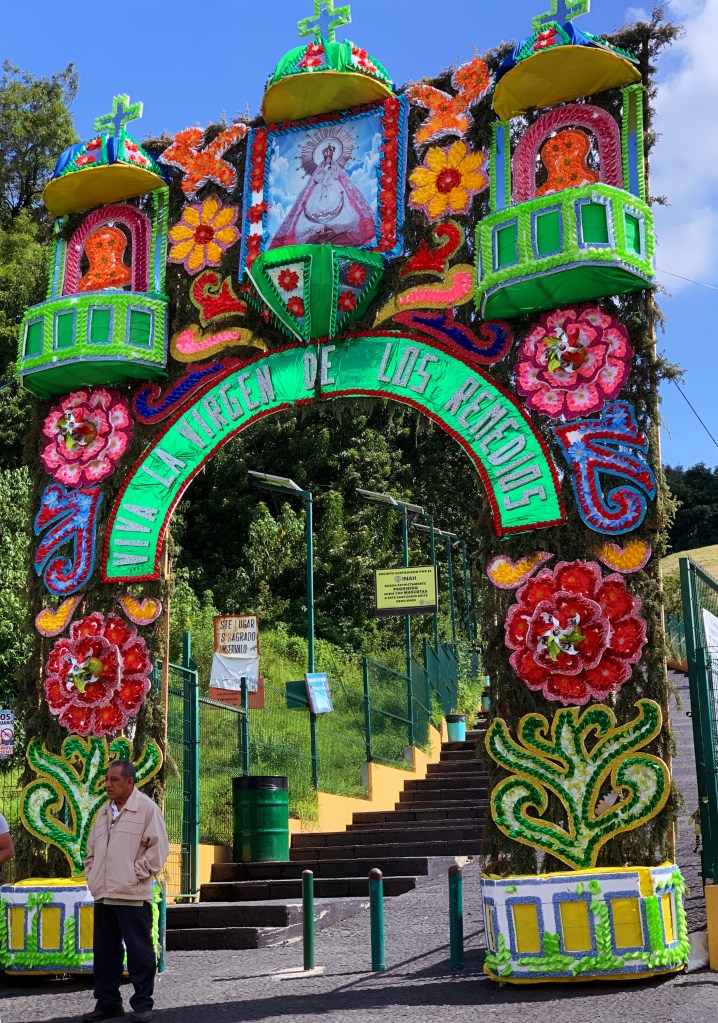
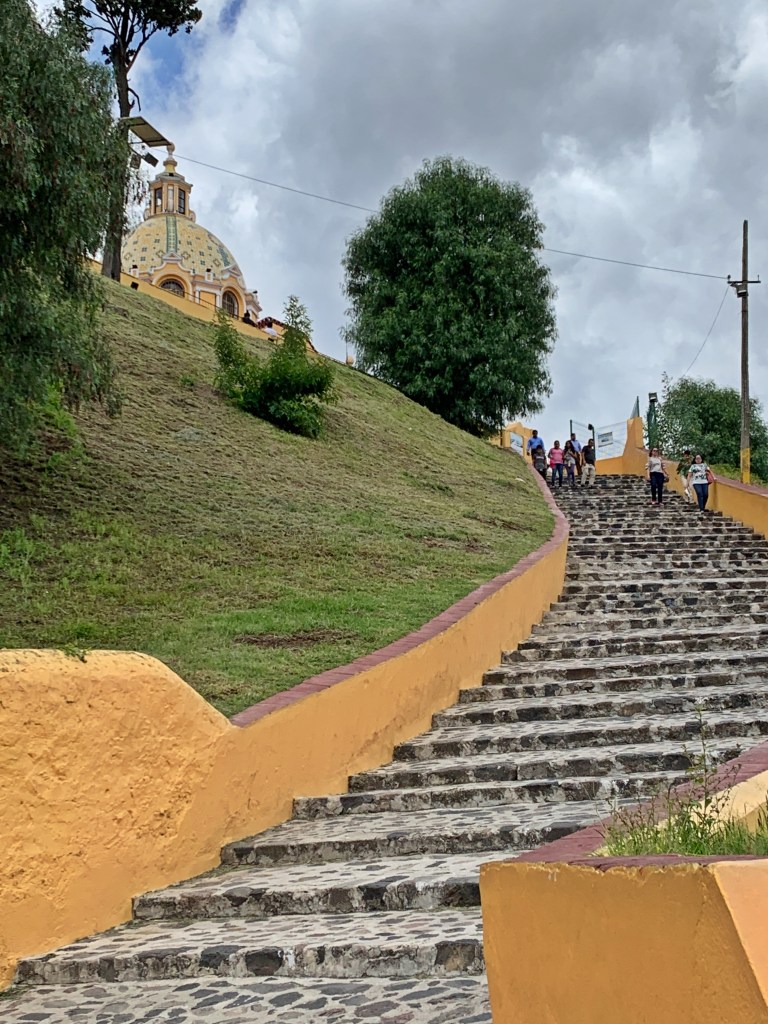
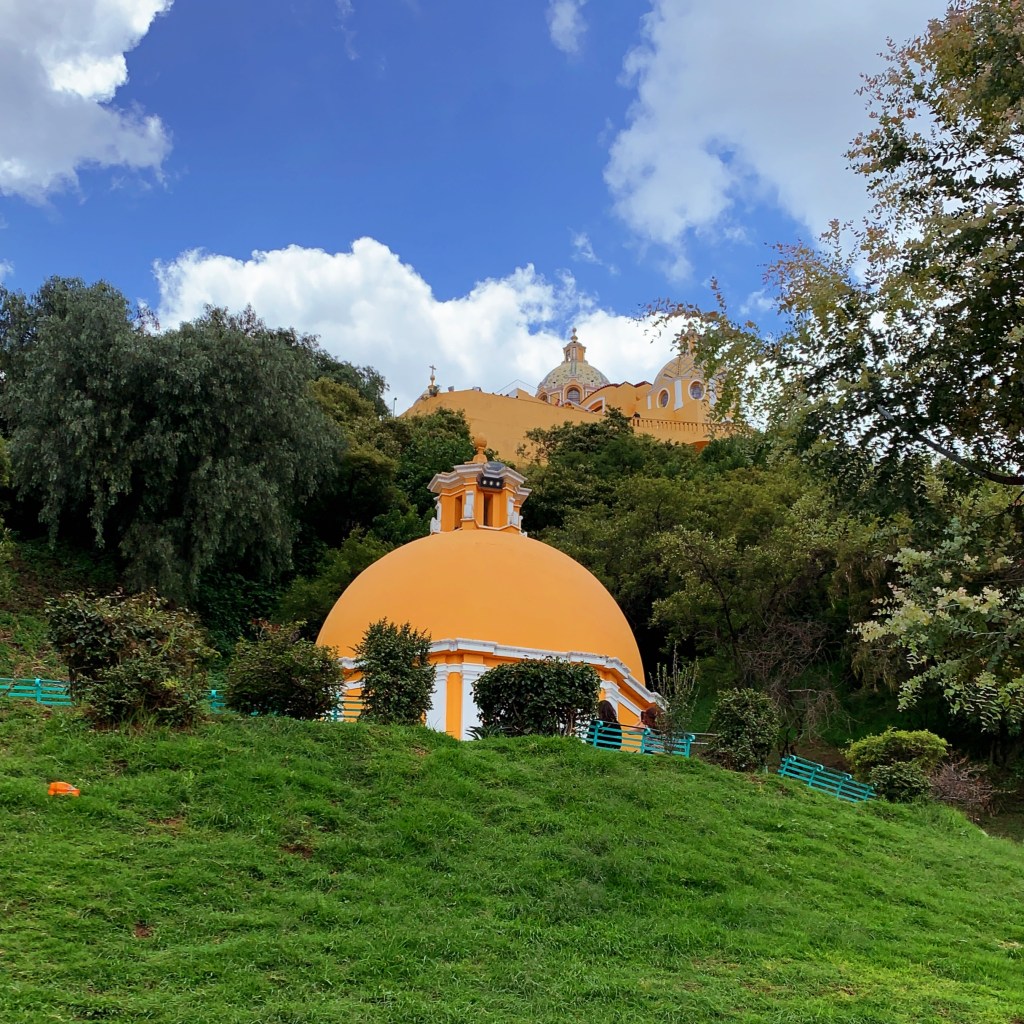
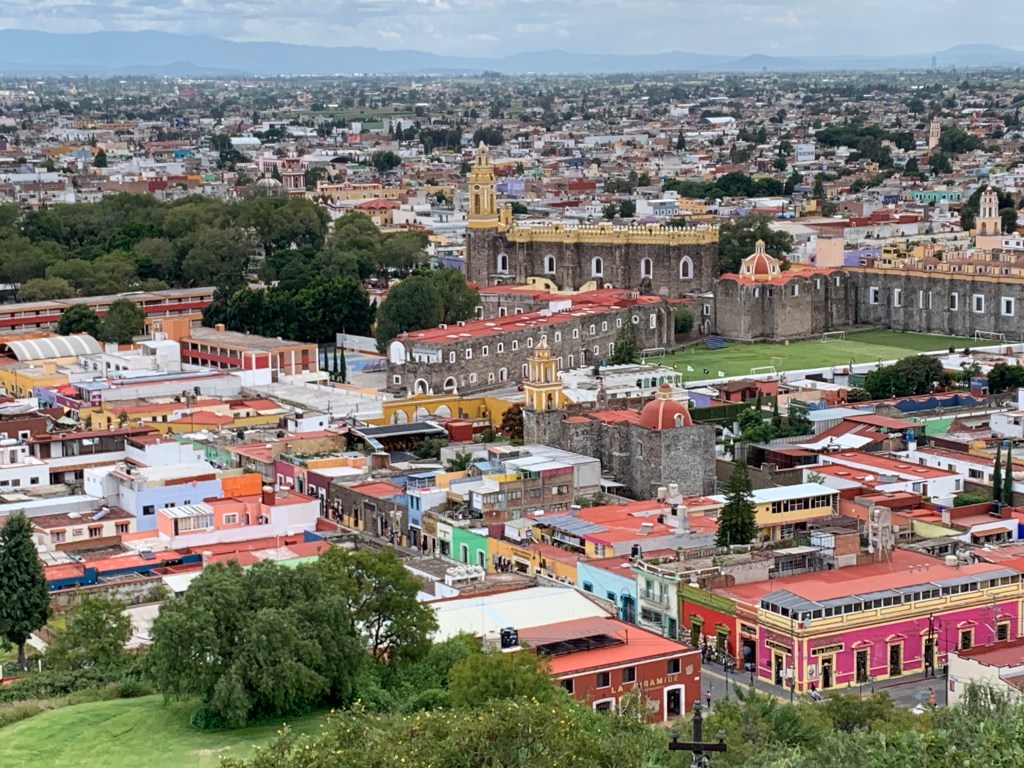
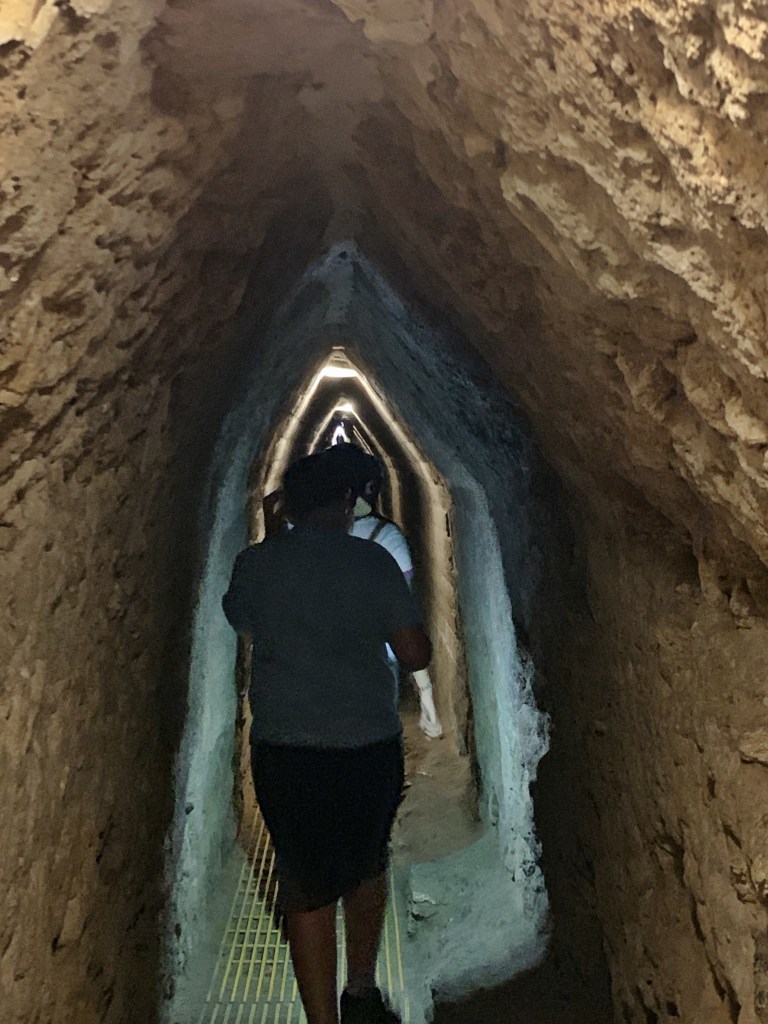
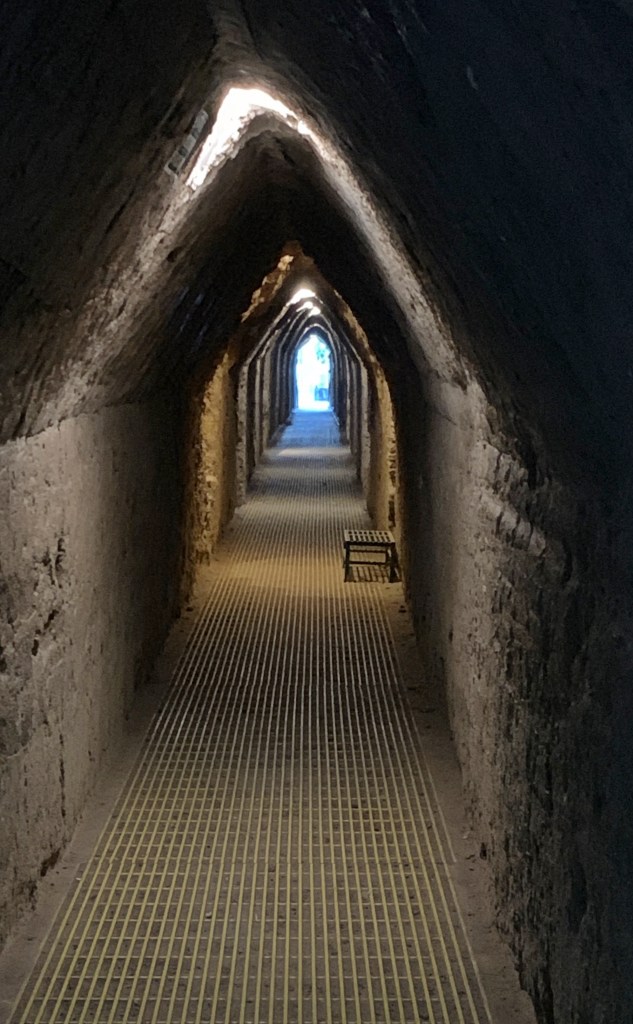
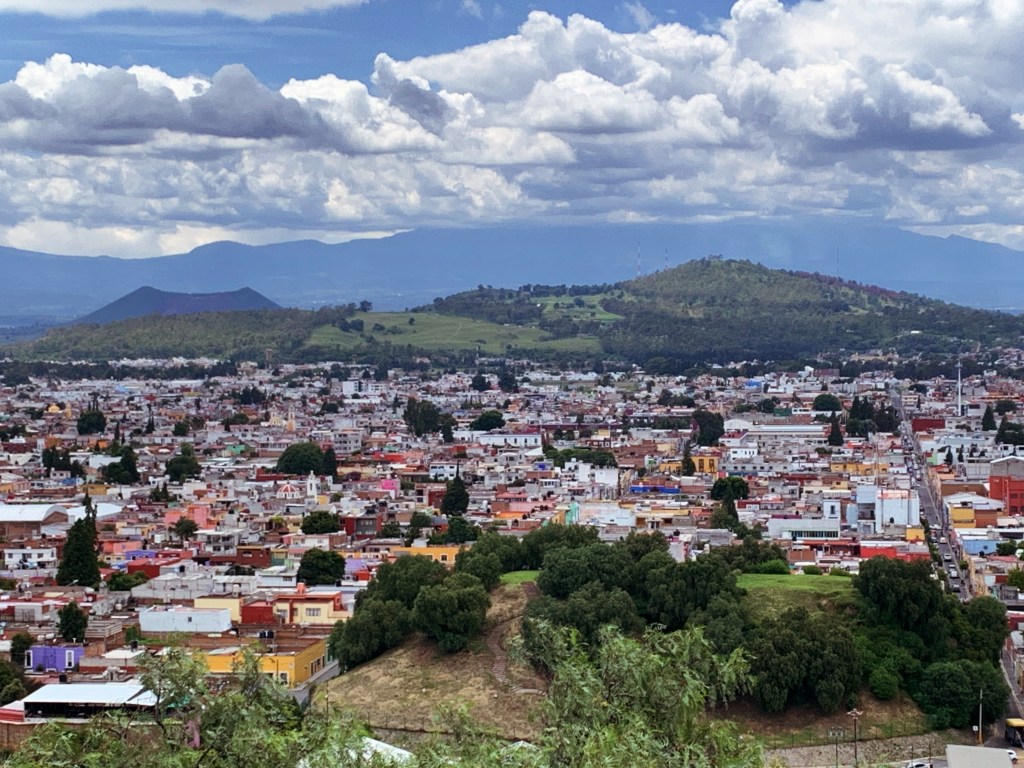
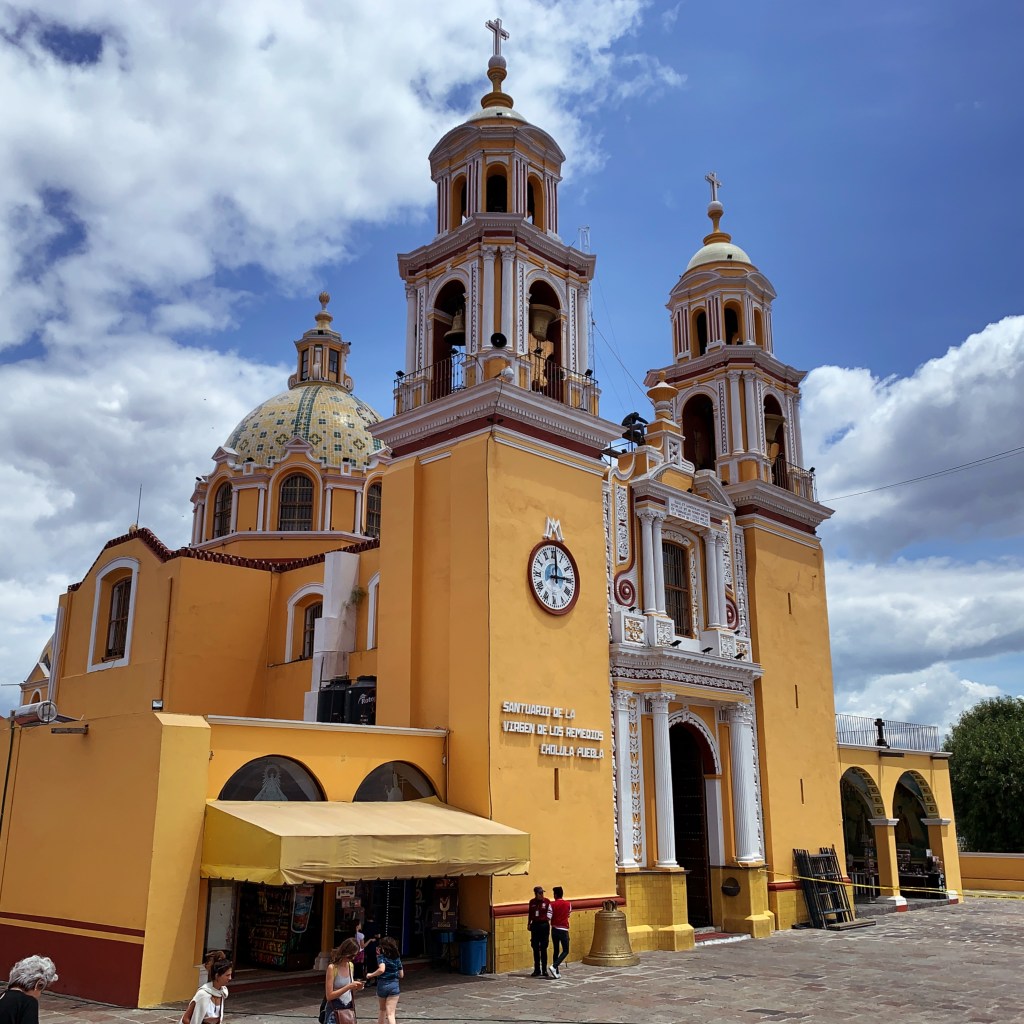
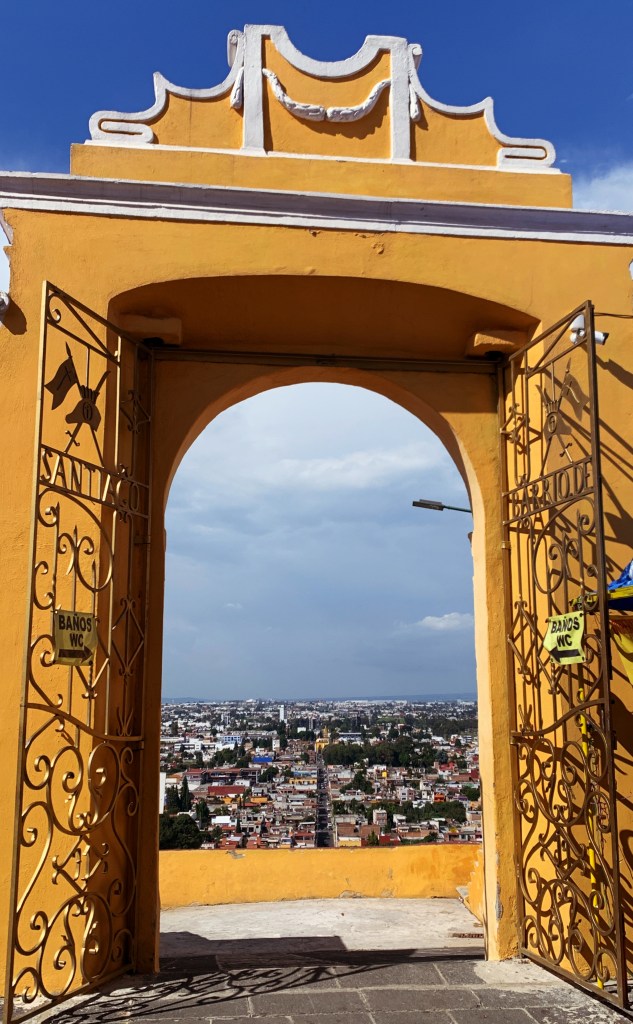
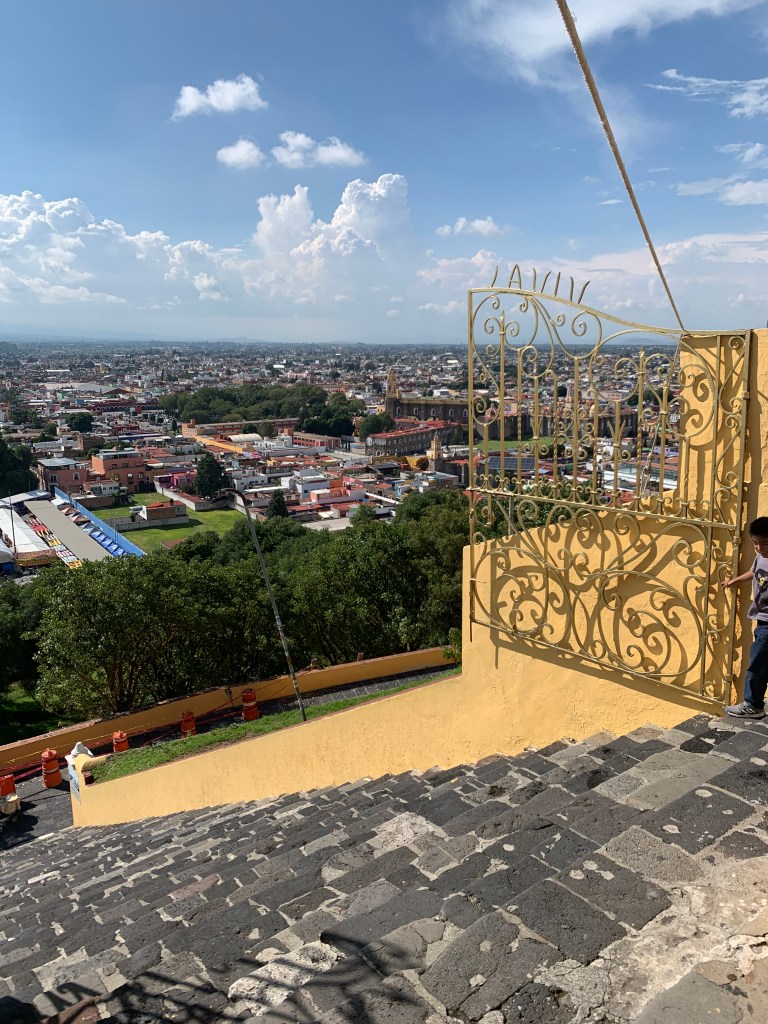
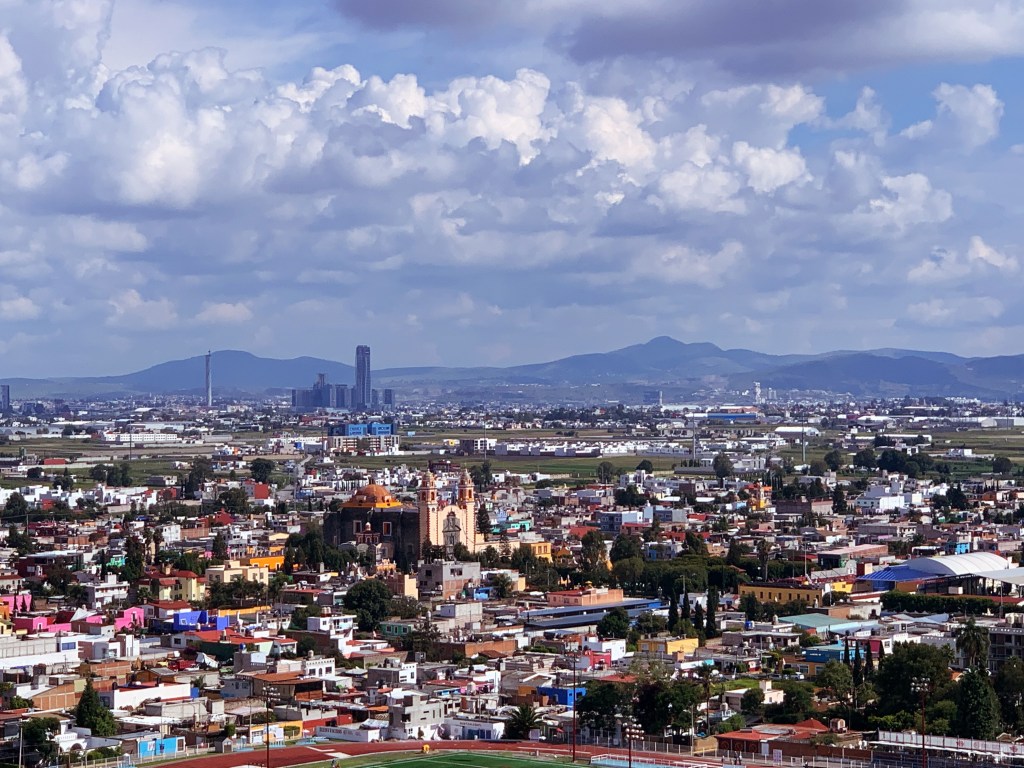
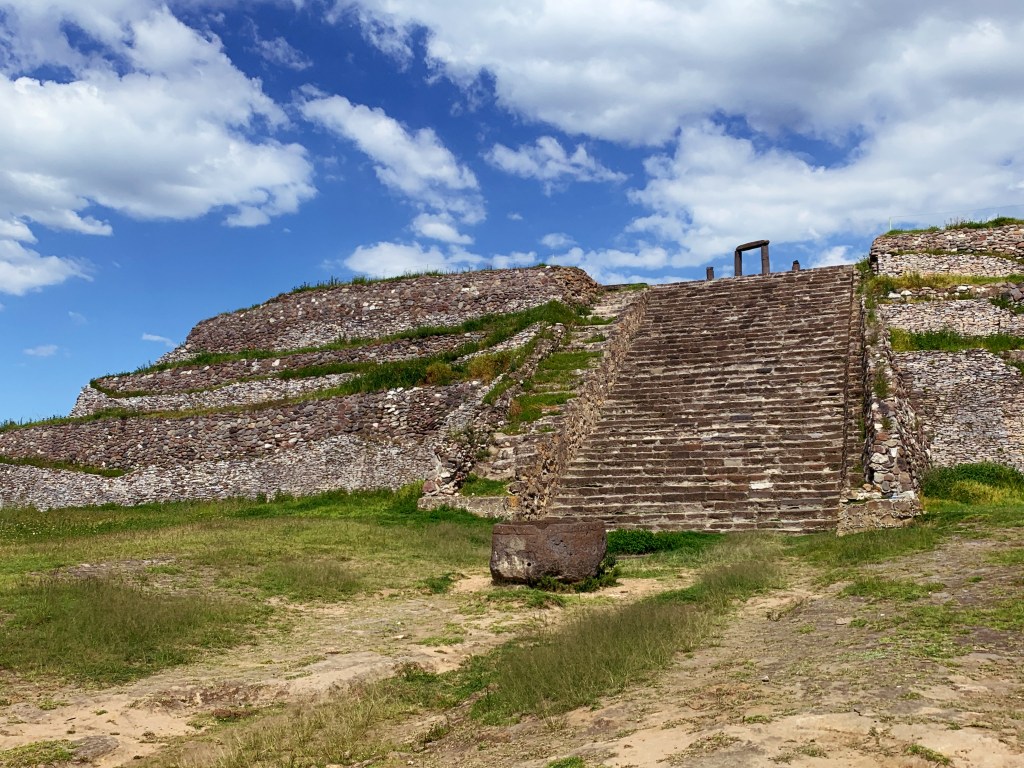
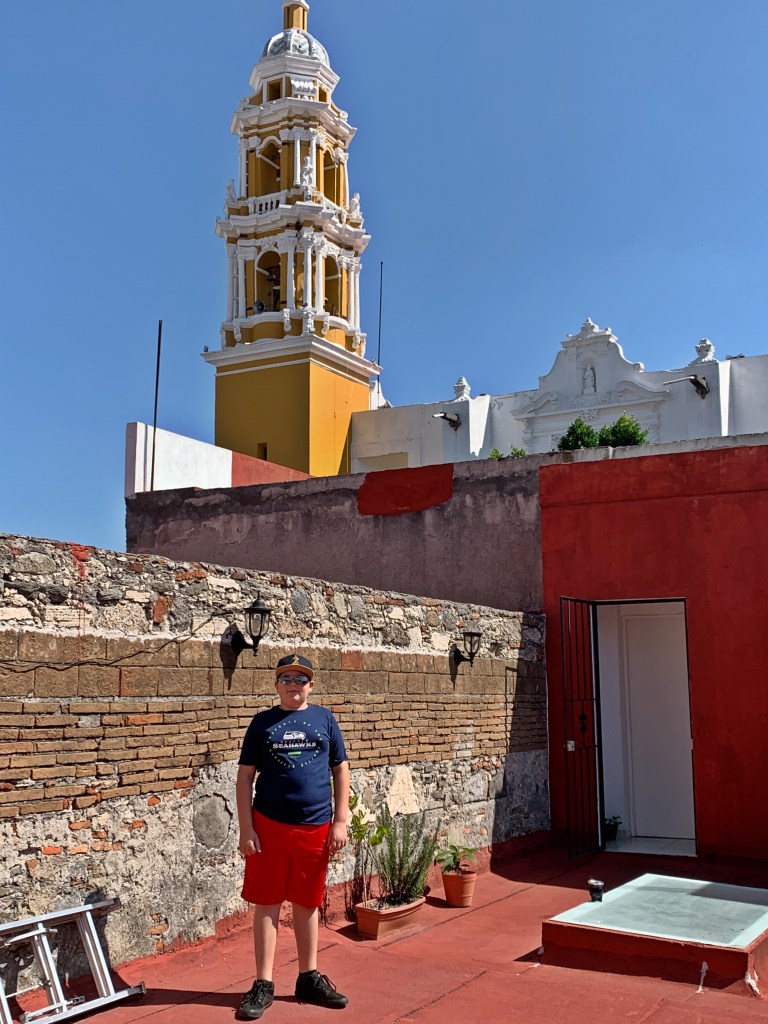
Cholula Architectural Site: I first went with Sebastian and last week I went with my Spanish program. One of the most interesting things about this pyramid is that they have not excavated most of it because it has a historical church on top. So, it looks like a hill from afar. Tunnels were constructed inside to examine how it was build. Sebastian and I went thru the tunnels the first time, but I declined the second time! My second time the grounds near the site were significantly changed, as a fair was in full swing. The number of stores and eating places tripled and we had to park far away and walked through section after section of options to buy and eat! The views from the top were amazing and you could see the mix of colors and old and new.

I Love Puebla! Why?

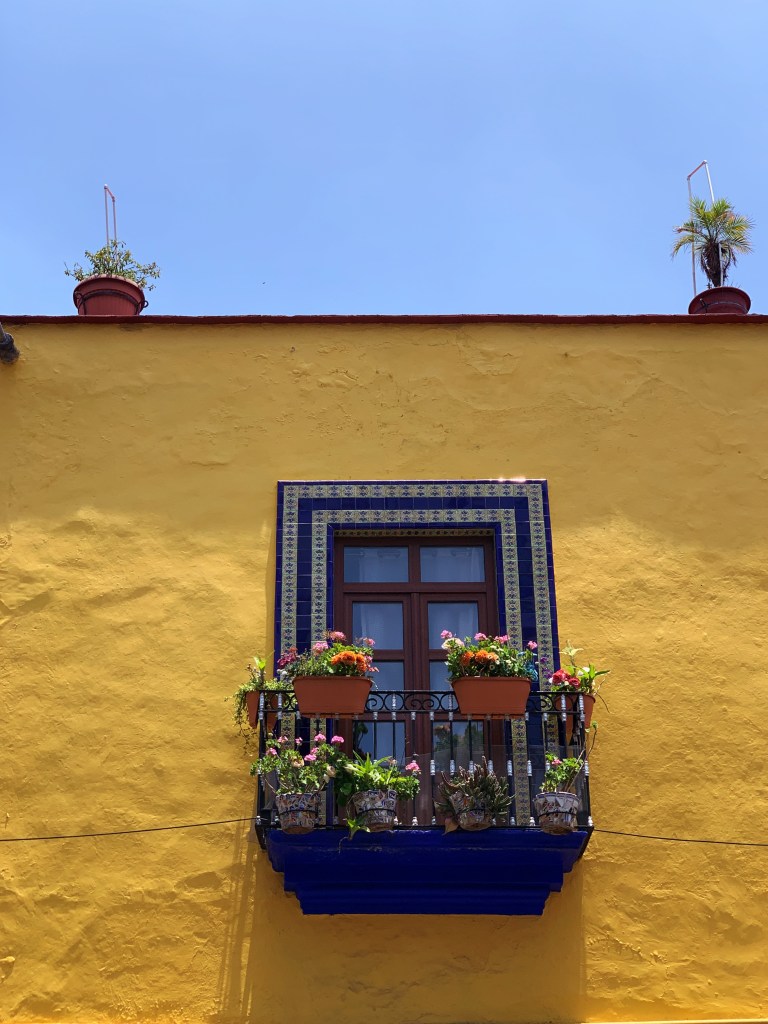
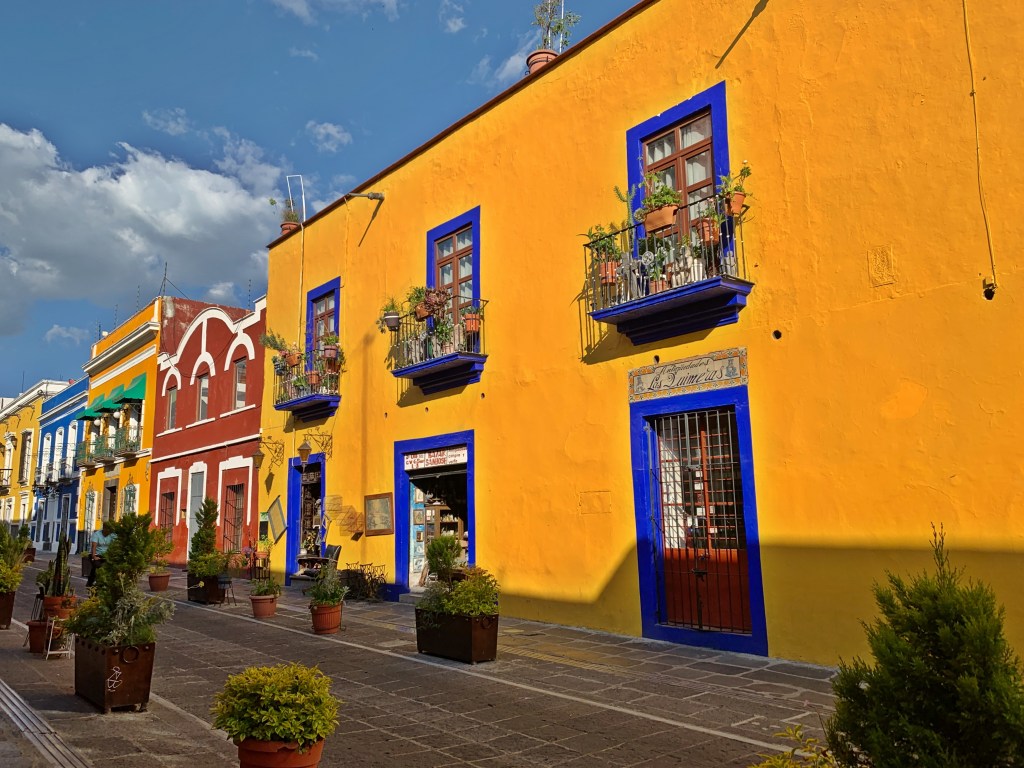
1. Despite being the third largest city in Mexico, it feels like a bunch of smaller towns set really close together. The dominance of native speakers is refreshing. I find both of those aspects beautiful. Yes, they have colorful buildings and their churches are amazing. Puebla’s beauty is not as attention-seeking as San Miguel de Allende’s; and not as utilitarian, or large, as Mexico City’s. Beyond the city is a natural beauty, including volcanoes and other mountains, verdant fields, fresh air, and farm life.

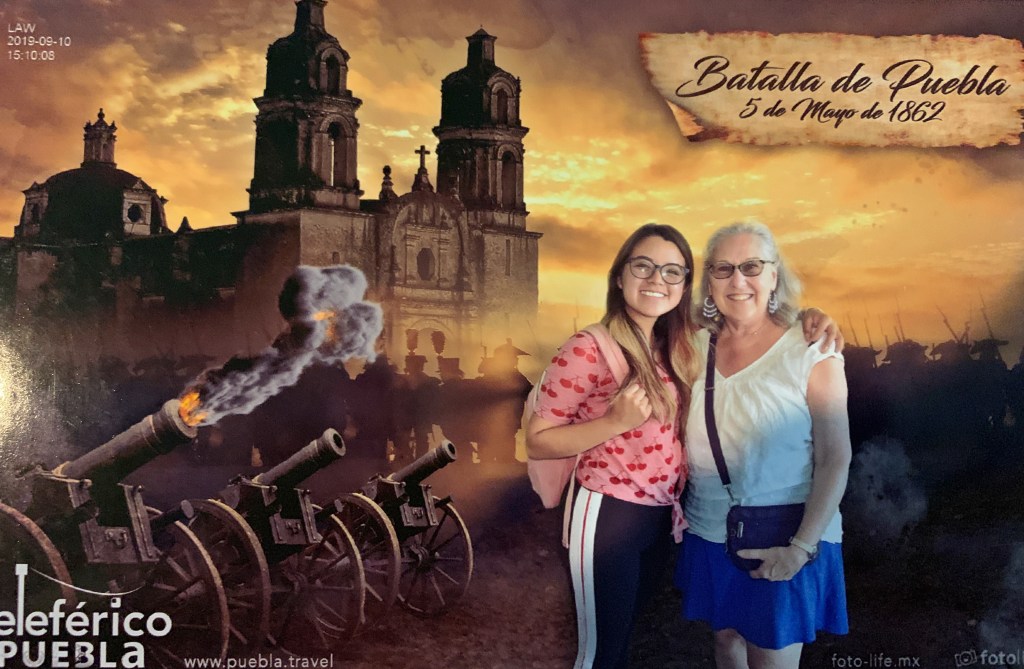
2. Puebla has a rich indigenous history prior to the arrival of Hernán Cortez in 1519, when the Spanish began their 300 year occupation of Puebla (and Mexico). Puebla of the Angels was strategically founded by the Spanish soon after they arrived because of it’s location on the trade route between Mexico City and the port of Veracruz. The Mexican War of Independence from Spain began in 1810 and ended in 1821, with Puebla credited with where it began and where it ended. Then the French came in the early 1860’s, with wars and occupation until the late 1860’s. A battle in Puebla on May 5, 1862, where Mexican patriots defeated a superior French army, has become a celebration both in Puebla and the United States. Porfirio Díaz, who played a prominent role in driving the French out of Mexico, had a 30 year political career, from 1870 to 1911. His was seen as a dictator and another revolution removed him from power. Many people I talk to say they are not so sure he was as bad as folks said he was, as he lead Mexico during a period of stability and economic growth.

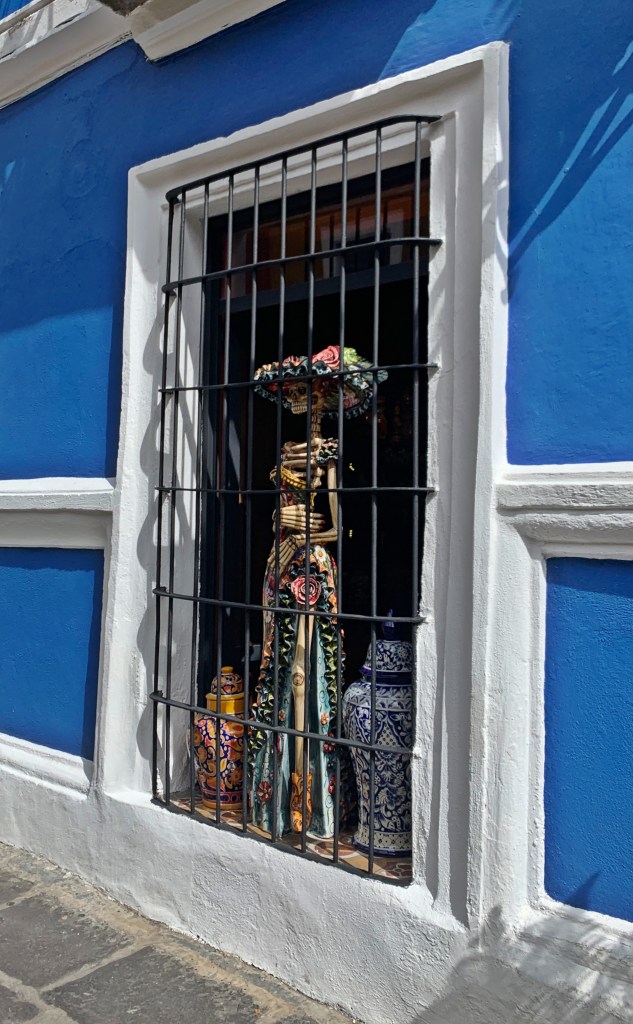
Pueblo is known for, and very delighted to have, their Talavera ceramics; their dishes of Mole Poblano, Chiles en Nogada (and more); a whole block of sweet shops; the China Poblana dress; and much more. Mexico, in general, has so many legends about so many aspects of life here. In Puebla, more people have delightfully shared legends with me and explain the perspectives they provide.

3. Lastly, and likely the most important for me, is the language program. In SMA I felt frustrated during my three weeks of classes I had with four other people. We waded through our lessons on Preterite and Imperfect verb tenses. I would get most answers correct, but I wouldn’t know why. I lost confidence that my Spanish could improve. Now, I am in the Spanish Institute of Puebla, a larger program which includes more services. I paid one price (about $1,500) for three weeks, including: housing with a family, 3 meals a day, 3 hours of instruction per weekday, 2.5 hours of one-on-one conversation practice (while seeing the sights of the city) per weekday, and 5 excursions. They even have a laundry service and deliver coffee to my classroom! They usually have up to 50 students; however, we are at the start of the slow season with only 13. So most classes are one-on-one, like mine. My instructor figured out that I learn best orally and conducts most of our lessons orally. She has determined that I have some bad habits and we work with those. Finally she has capitalized on my strengths and we go into deep, complicated, and interesting conversations. What a difference! We have covered Preterite and Imperfect and I am now on to the dreaded Subjunctive! The best part is that it is so much fun! I can hear the difference, so I can make the necessary changes and speak (and write) more accurately! I now have hope that my Spanish will improve!

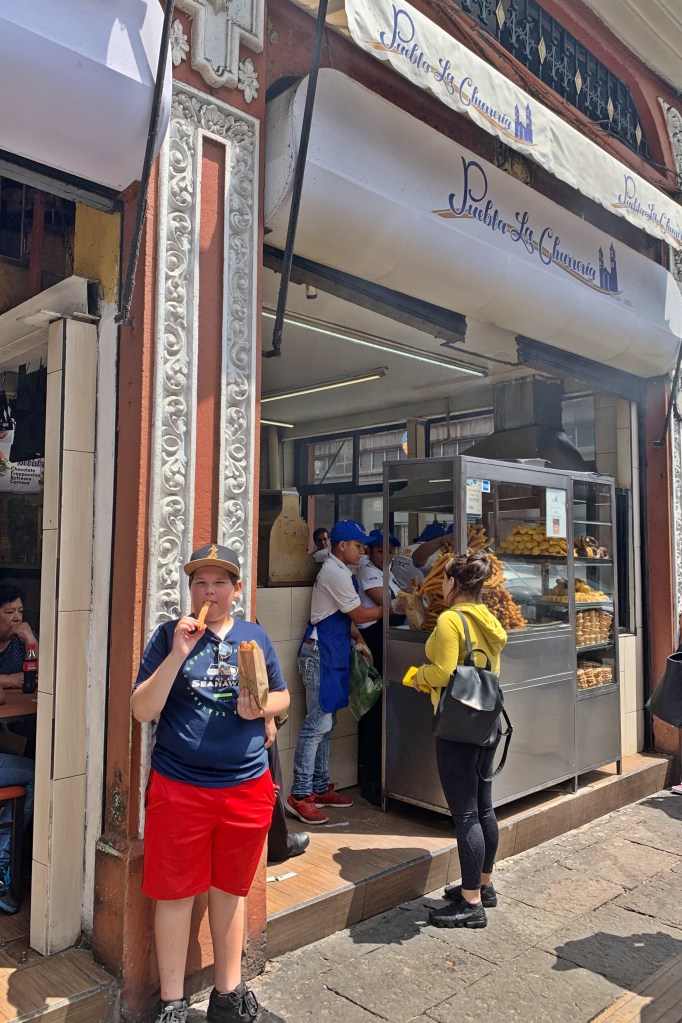
Puebla . . . And Sebastian!

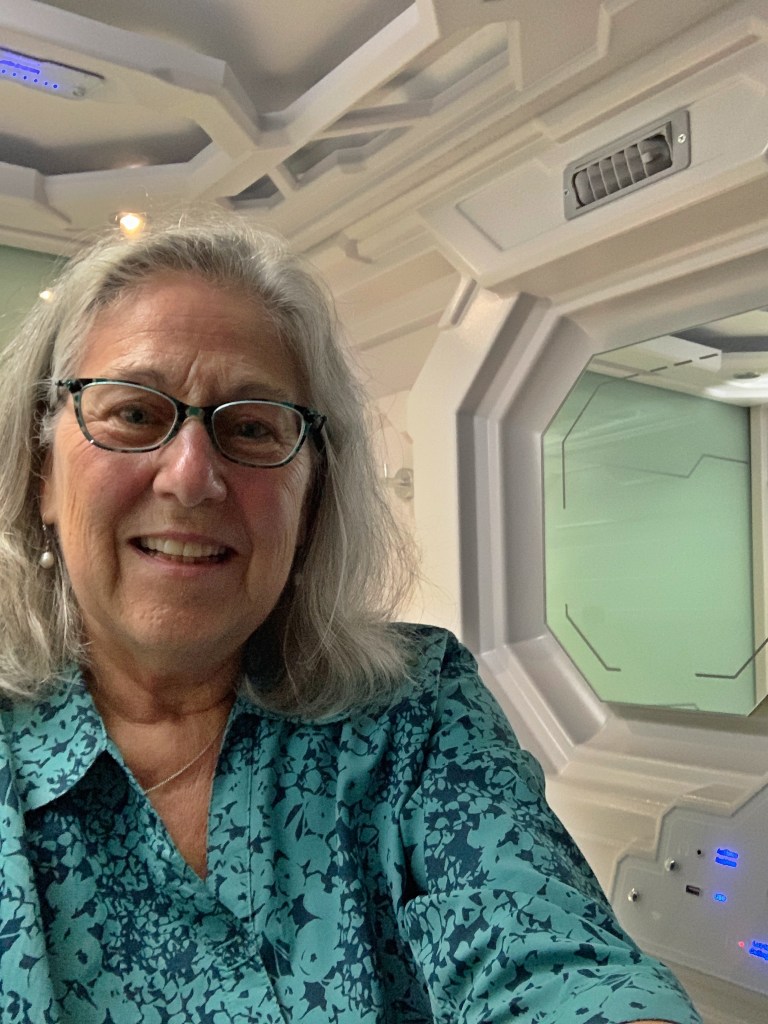
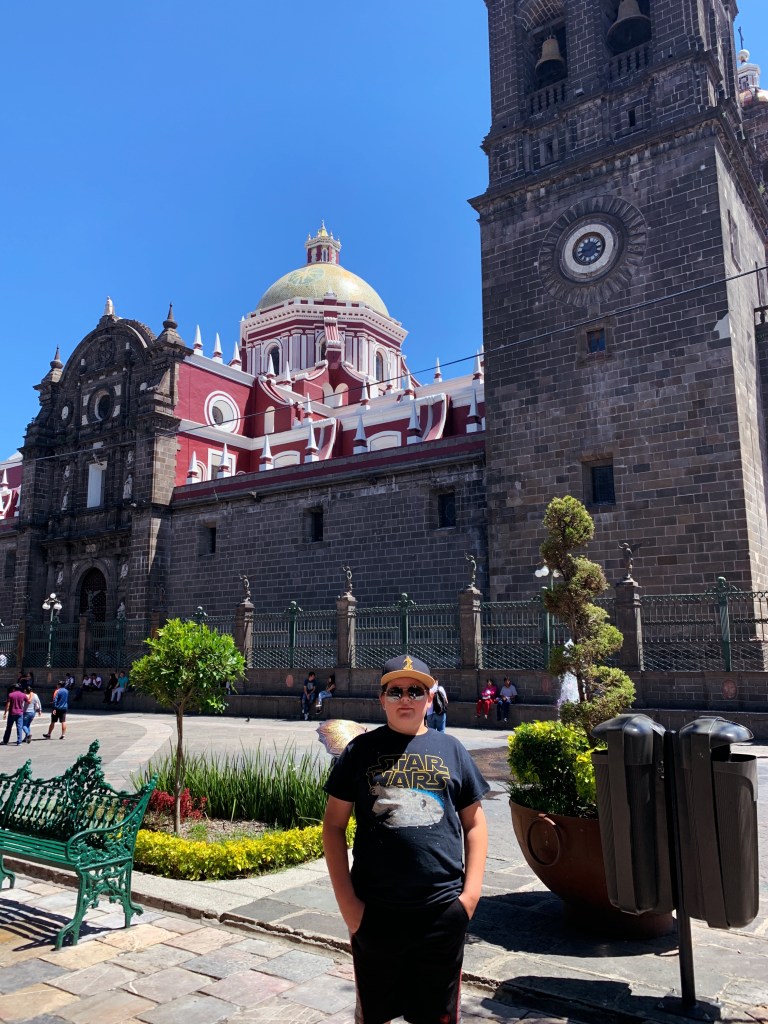
I wasn’t sure I would get the opportunity to host Sebastian before he starts school. But the stars aligned and he flew as an unaccompanied minor on a direct flight from Seattle. His flight was scheduled to arrive at 5:20 am. So, I chose to spend the night at the Mexico City airport in a capsule!. It felt very strange to climb into a capsule to sleep. I found the bed to be very comfortable and the size worked for me. The drawback was the sound. They give you ear plugs because the capsules are not sound proofed. People are coming and going all during the night and climbing in and out can be noisy. I was also excited because of meeting Sean and this was a new experience for me, so I did not get much sleep.

We took a two-hour bus to Puebla and an Uber to our Air BnB. Sebastian slept the entire bus ride and flopped on the bed before unpacking!

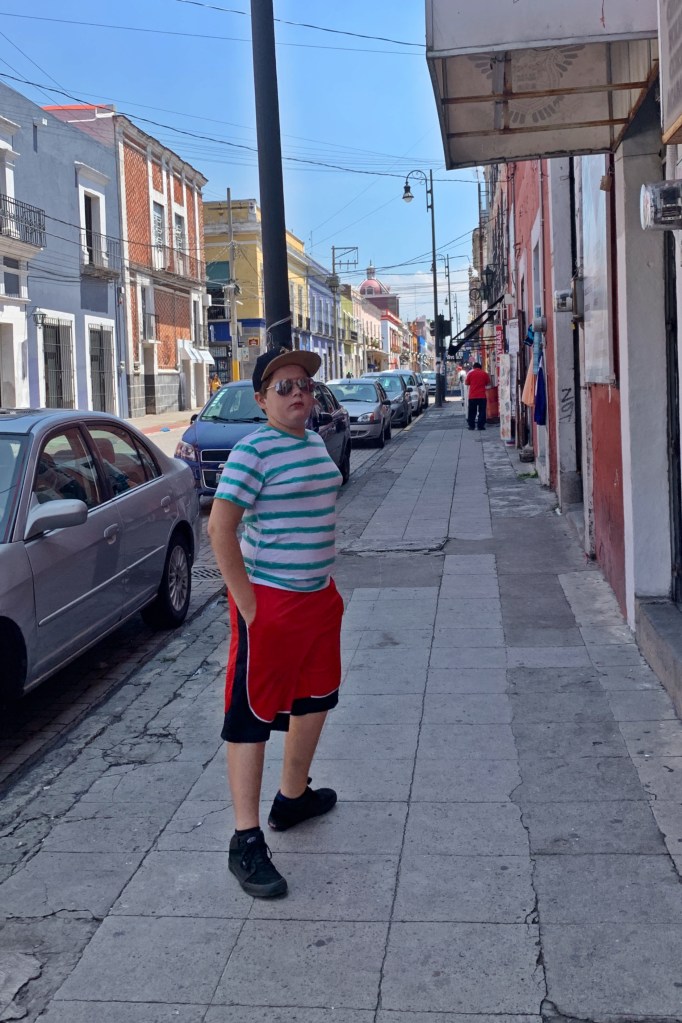
The first thing I noticed about Puebla is that they have traffic signals, wide sidewalks, and no cobblestone streets! So walking around is much easier!

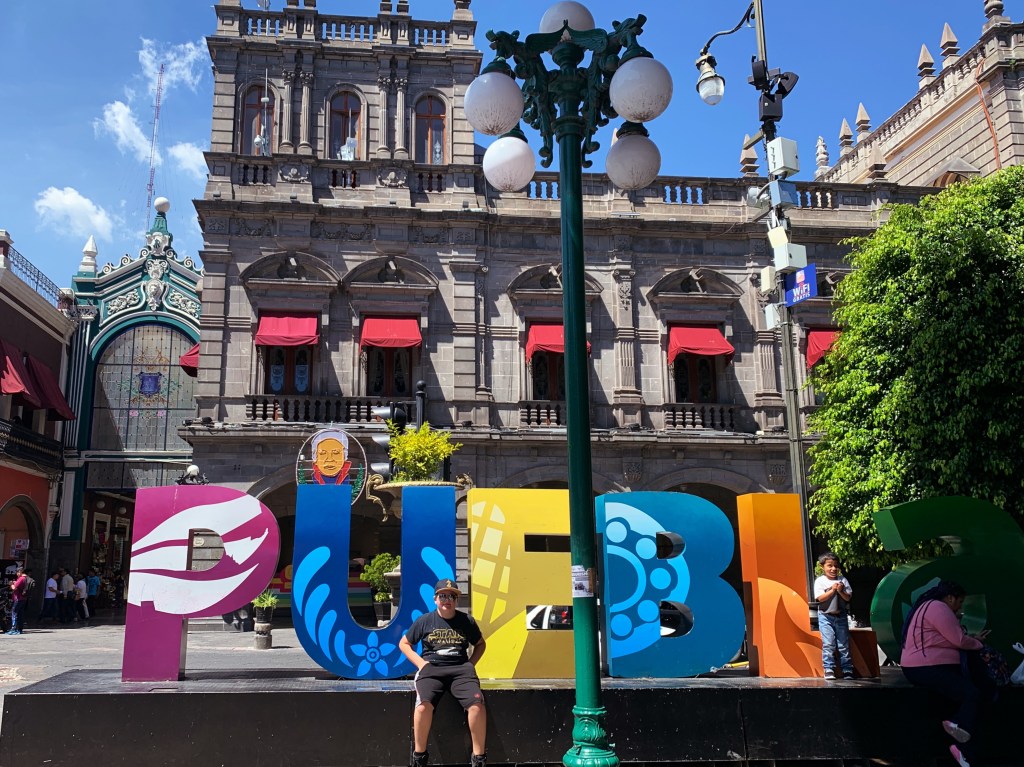
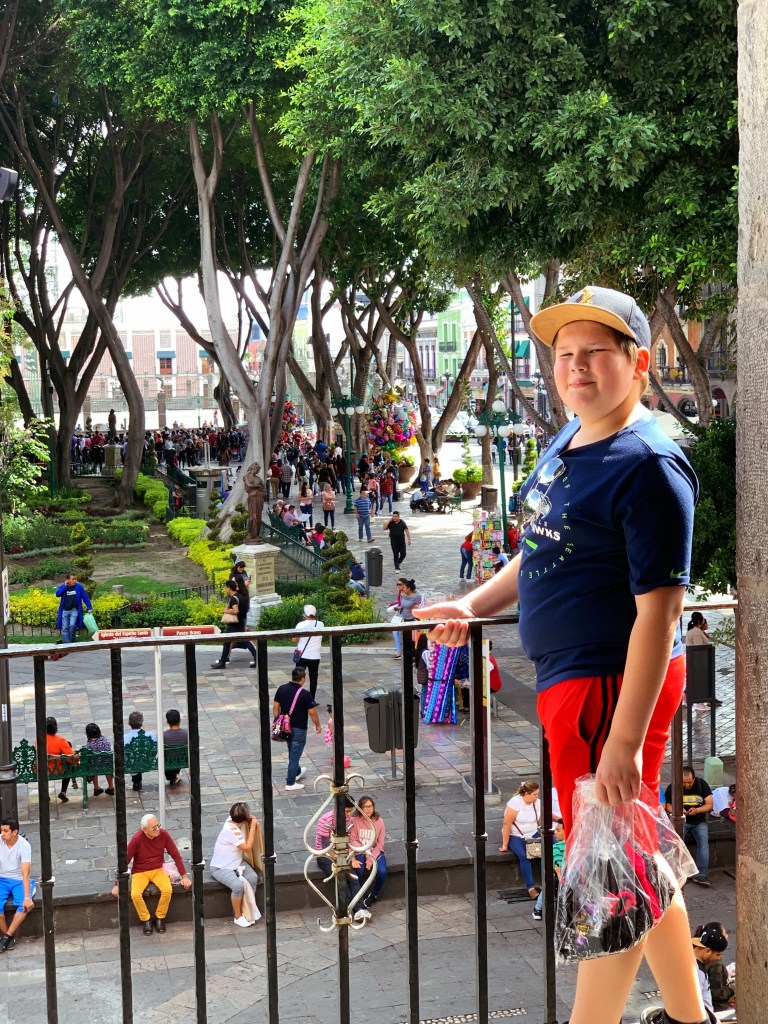
The first place we went, of course, is the Zocalo: the local gathering place for locals and visitors alike. The fountain, the church, the vendors, the eating places!

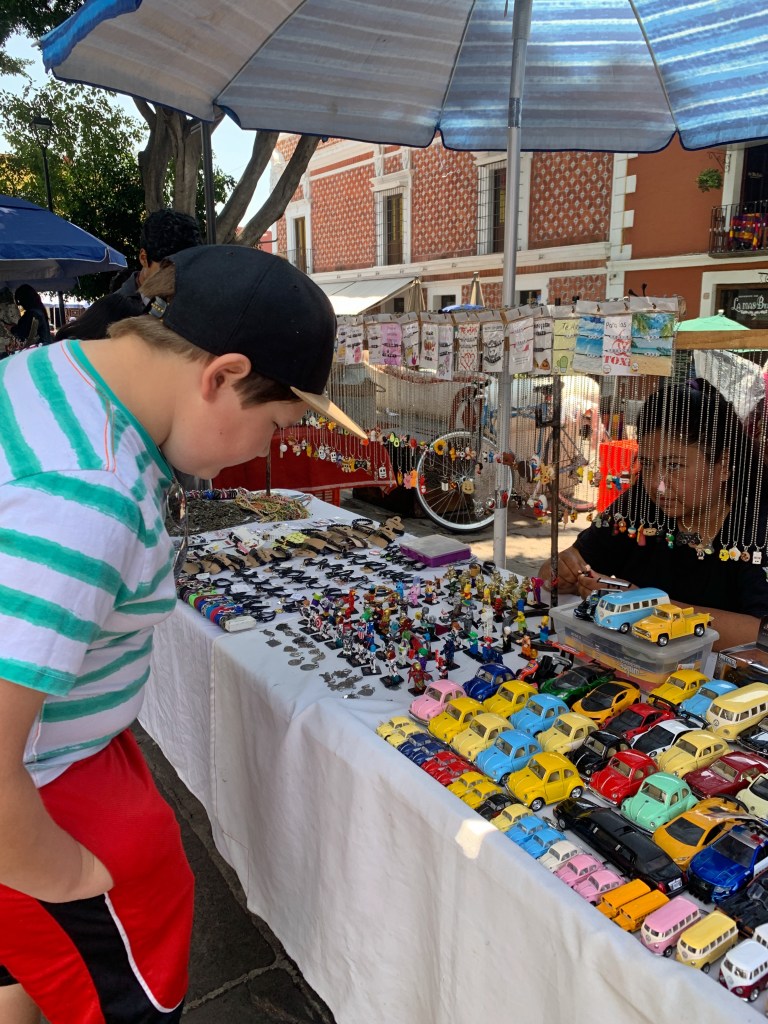
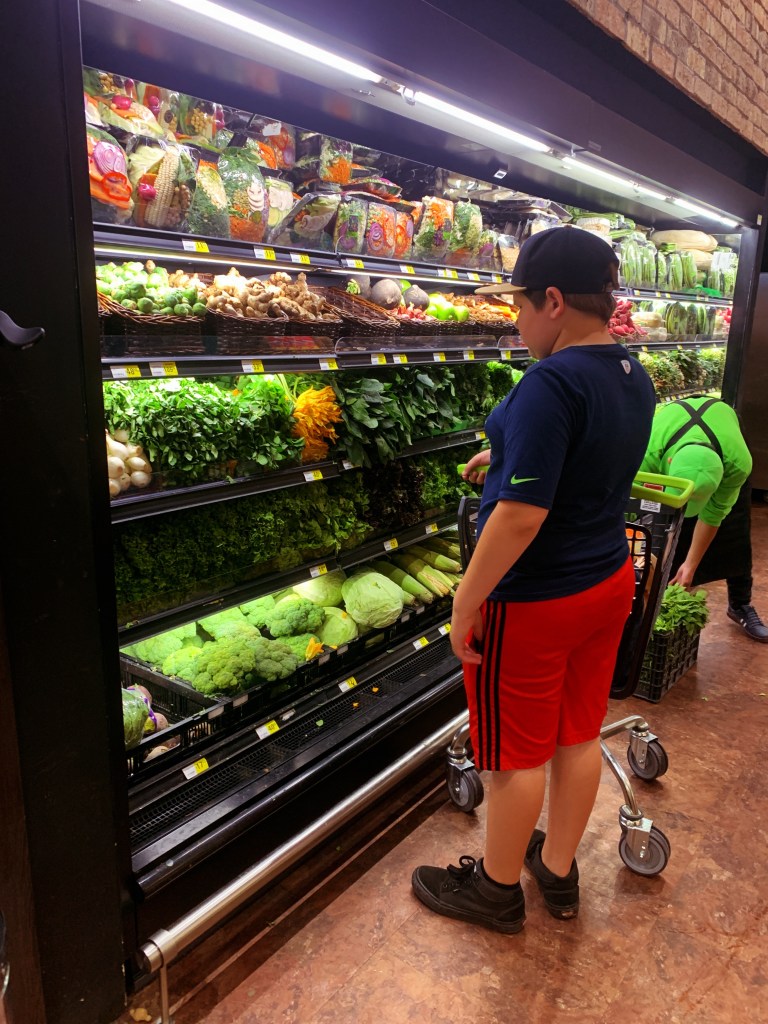
Shopping!

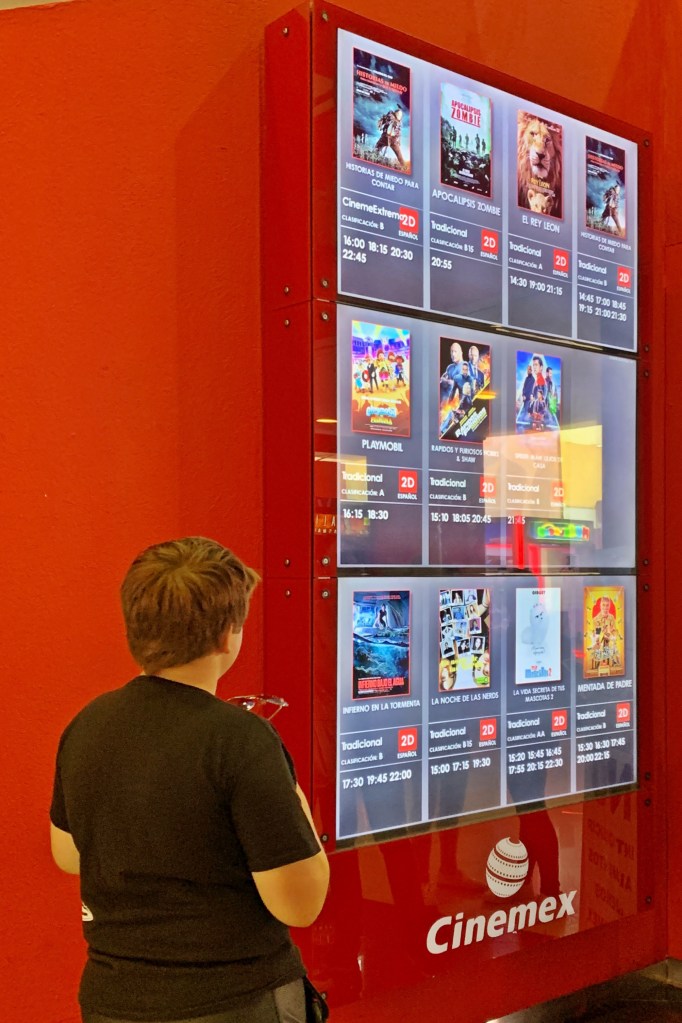
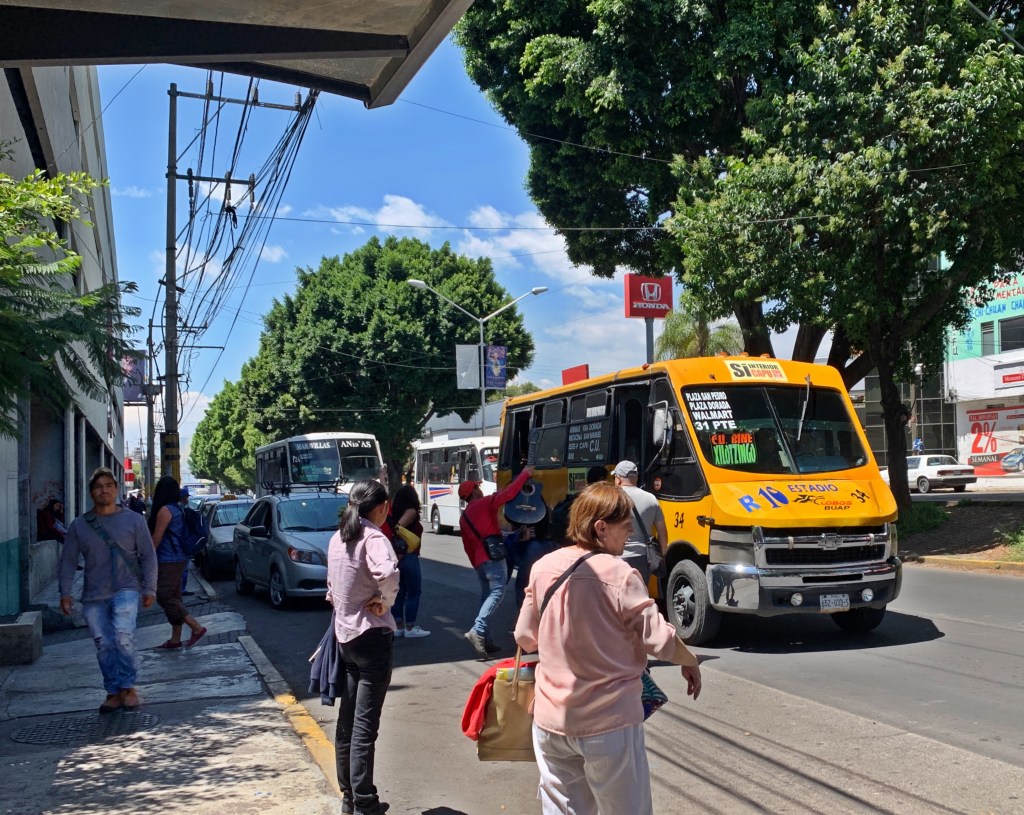
We attempted to go see a movie and were thwarted on two counts: all the movies are in Spanish, and we couldn’t figure out the busses (none of the names matched what Google Maps told us).

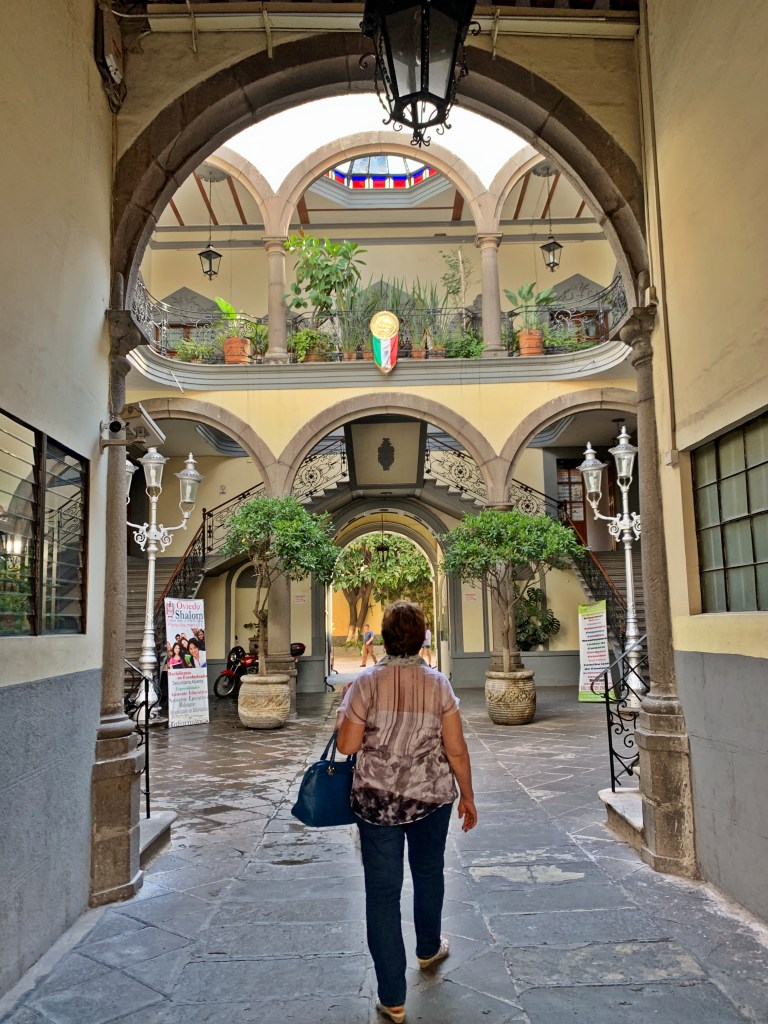
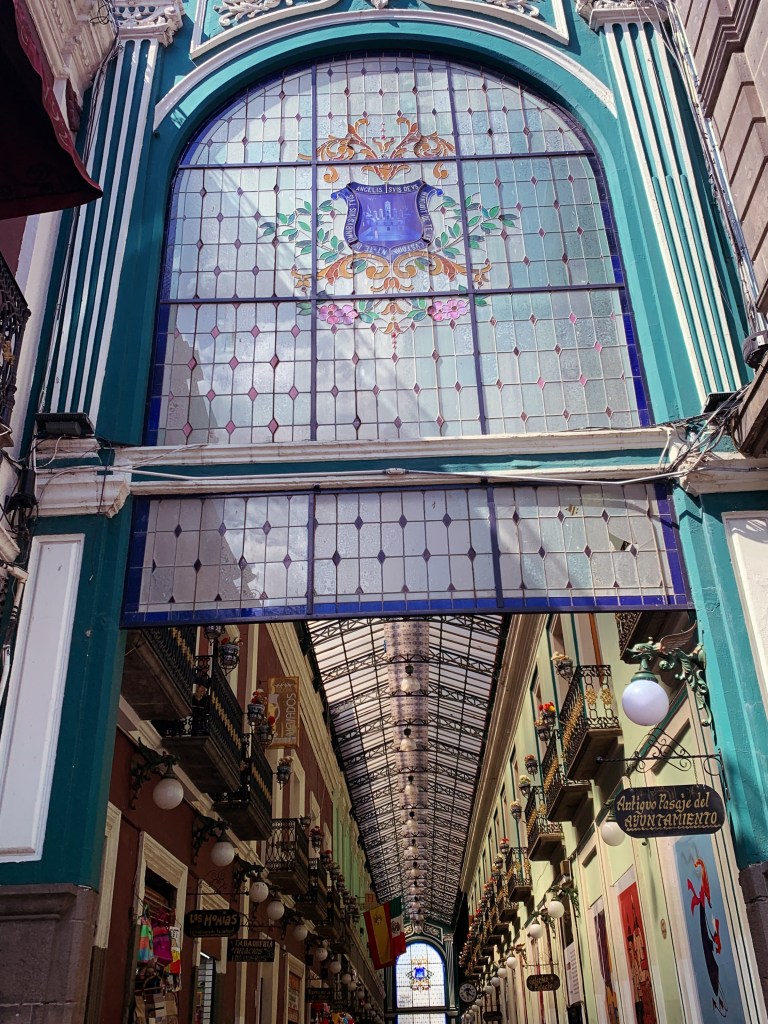
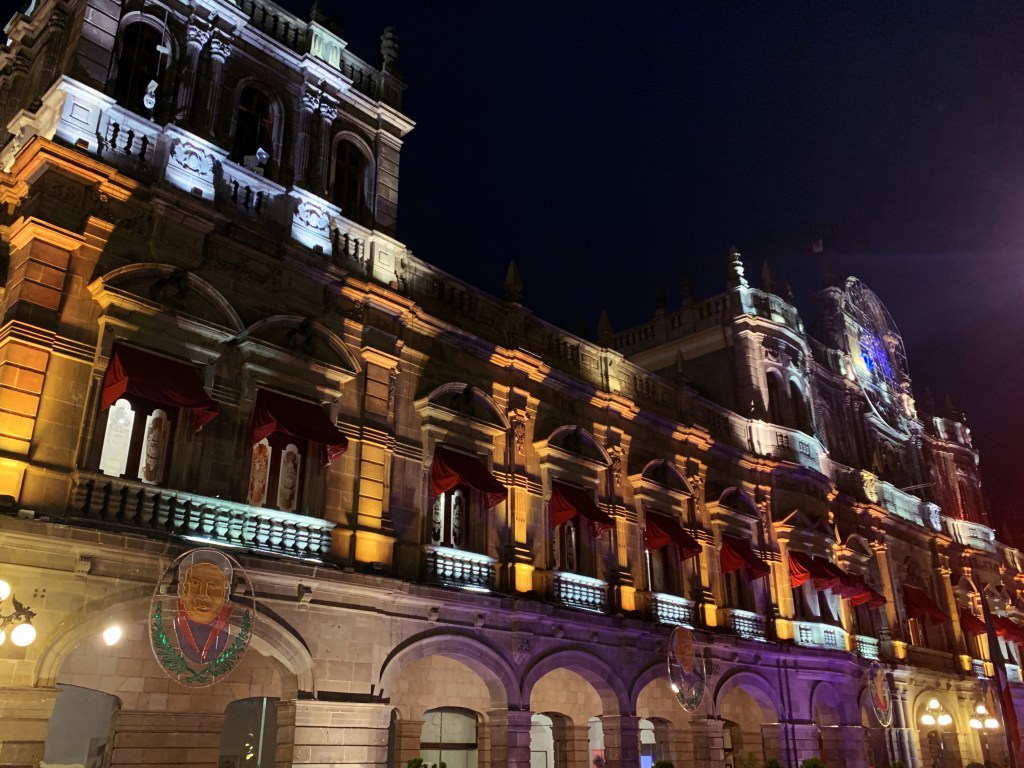
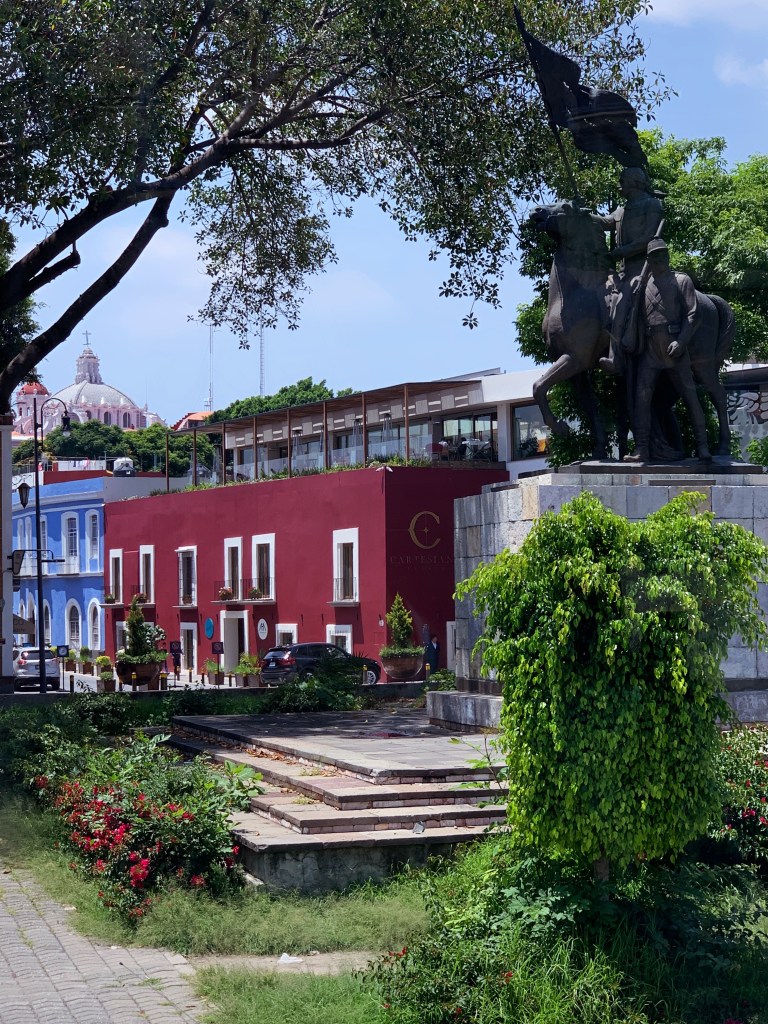
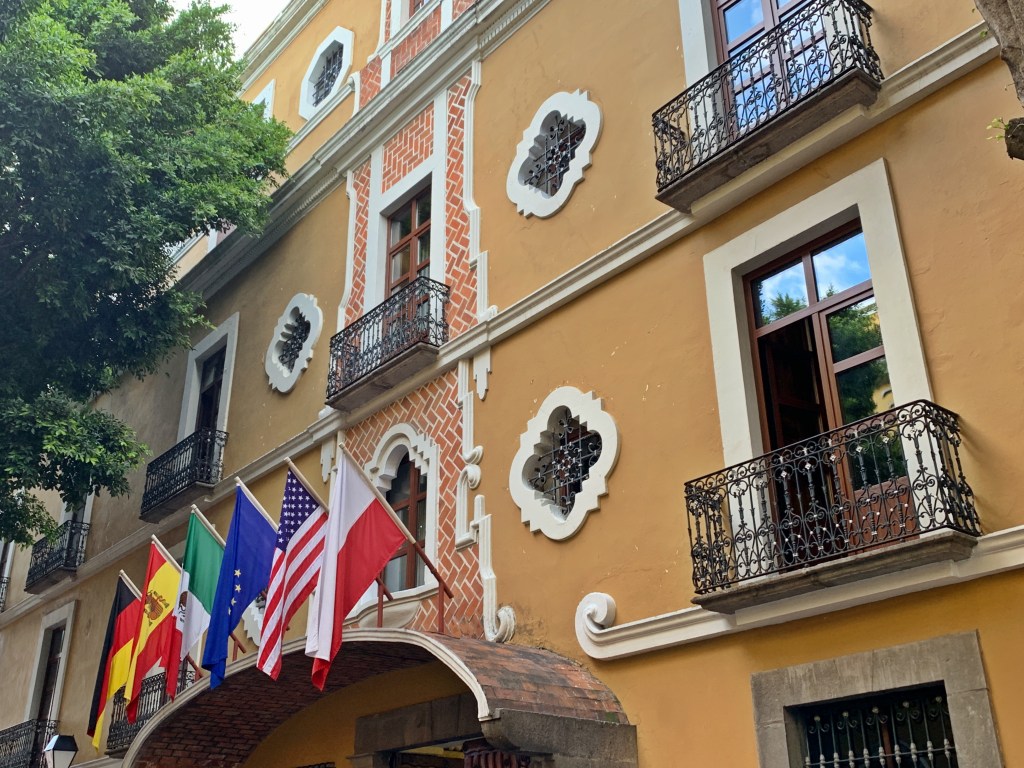
Puebla, formally Heroica Puelbla de Zaragoza, and also known as Puebla de los Ángeles, has a lot of Spanish influence visible in the beautiful architecture. In addition, there is French influence here, too.