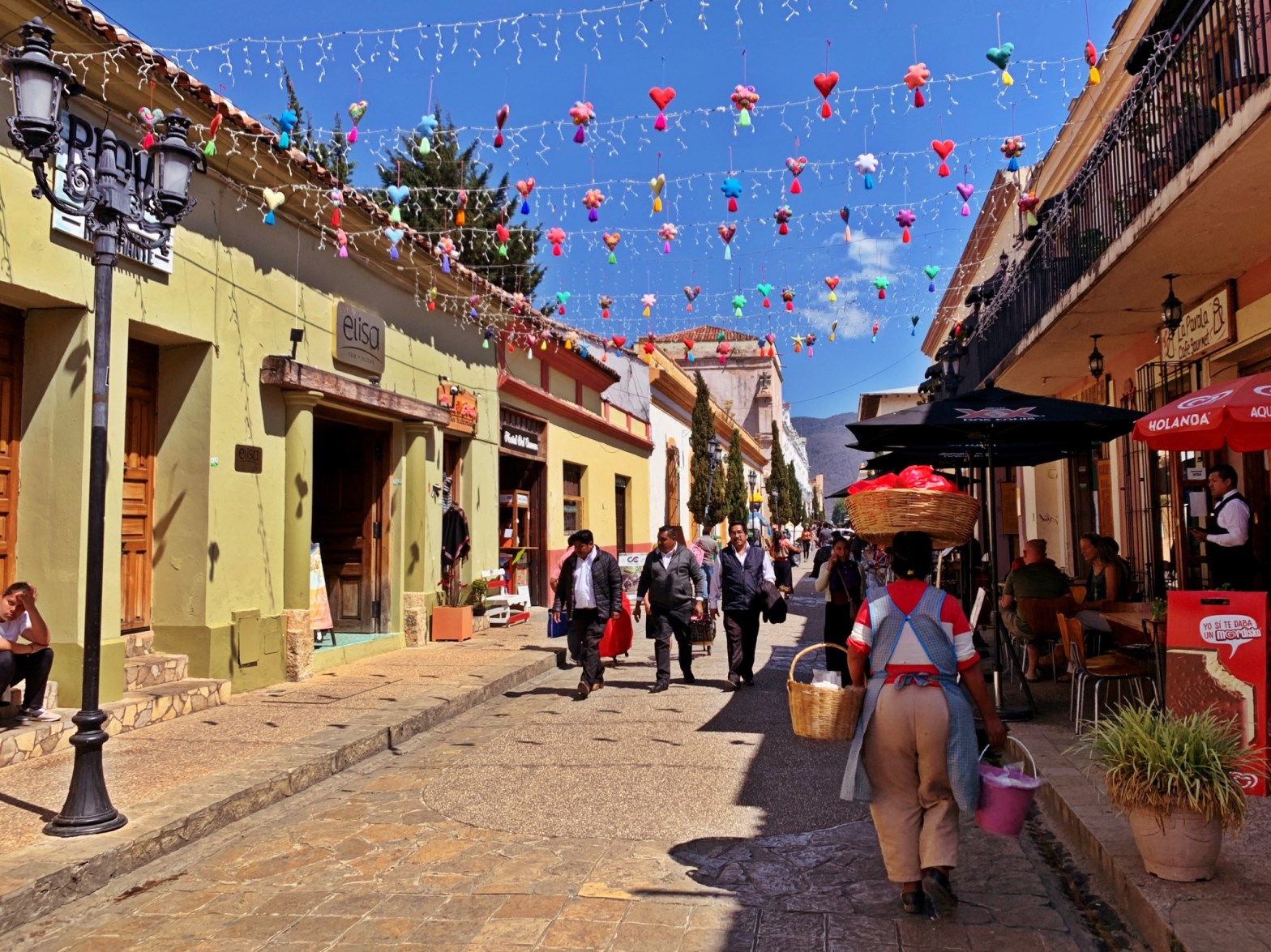
I’ve been getting some questions about COVID-19 in Mexico. As internet is so slow, my blogs are almost a week behind. So, next week you will see me tackle that topic. We are behind the US and I see the same avoidance from top political leaders.
For now, days generally pretty beautiful, with plenty of blue skies and sun, some clouds and rain. With no central heat I do grab my fleece in the mornings when the temperature is in the high 40’s, even though later in the day it gets into the low 80’s. I’m at about 7,300 feet in altitude, so the sun is intense!
Churches!
As you know, I love visiting churches. I love the way they look! I love the way it feels to be in them – I can almost feel the hopes and prayers of people who have been engaged in these sacred spaces since the 1500’s! I love the gatherings that happen around them. Though the Catholic religion was brought by the Spaniards, it has been mixed with the indigenous worship of saints and today it still seems very important to people’s daily lives. In many places I see people make the sign of cross as they pass by the church door.
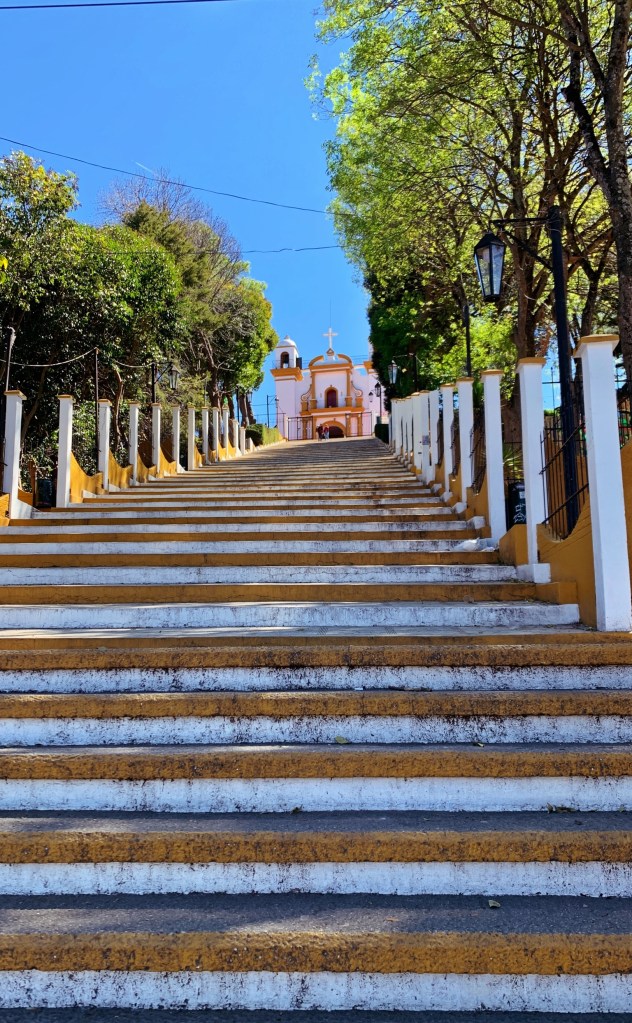
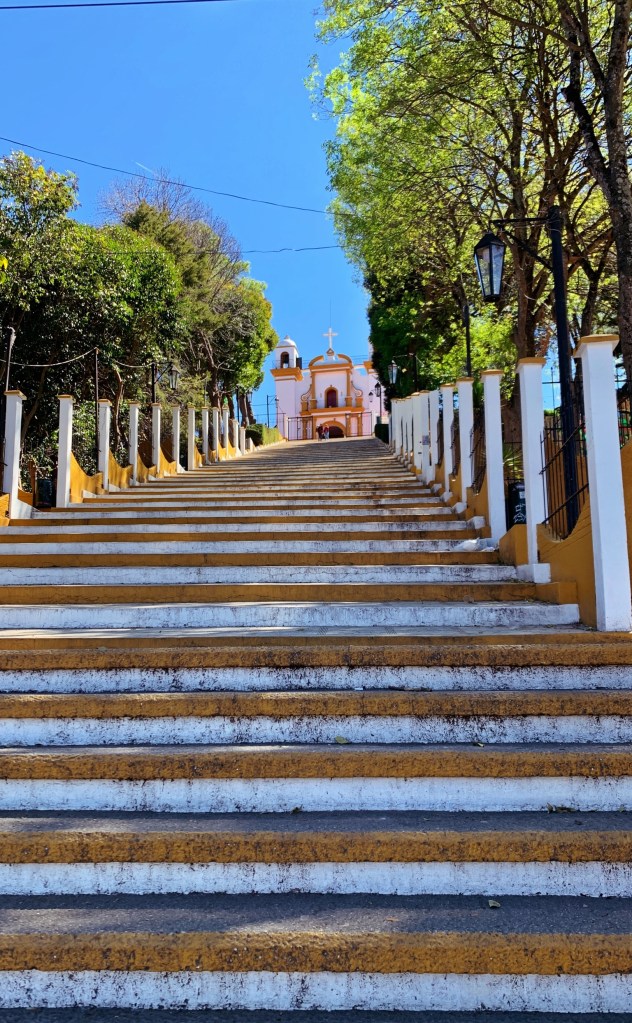
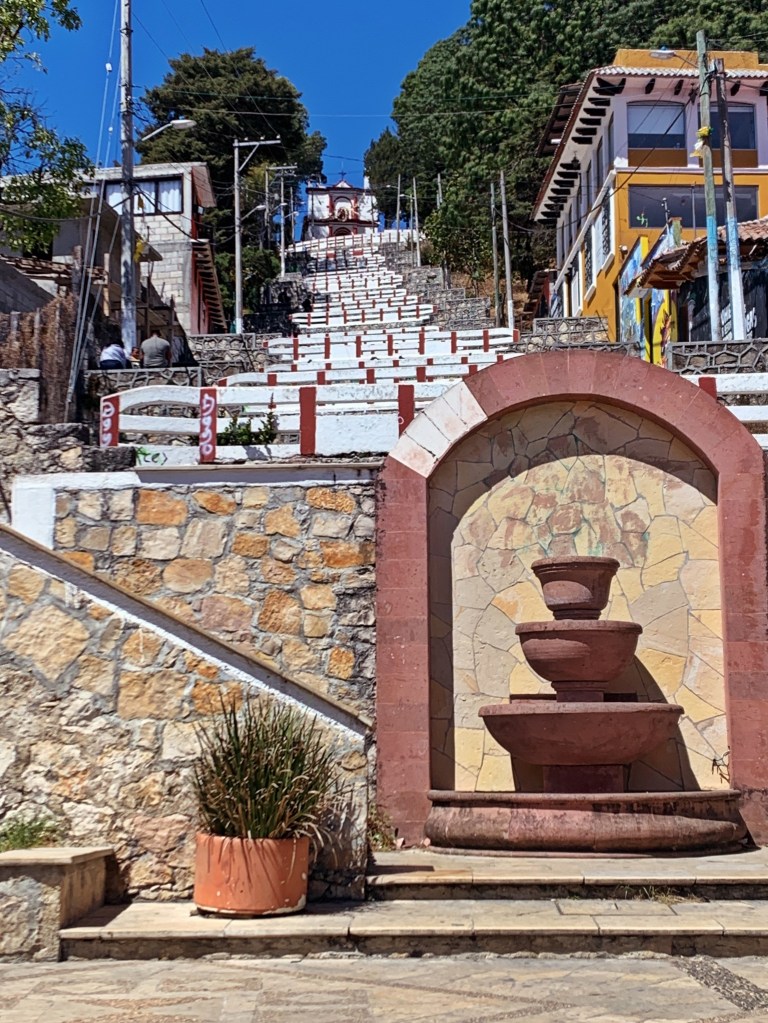
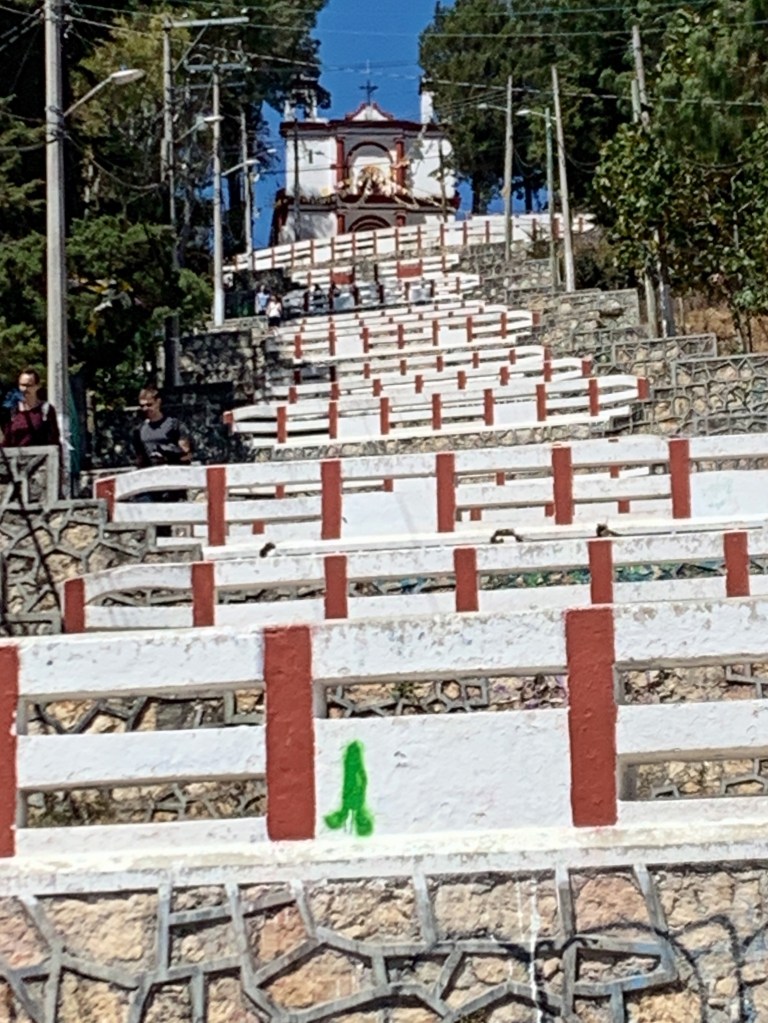
Stairs leading to the Guadalupe Church 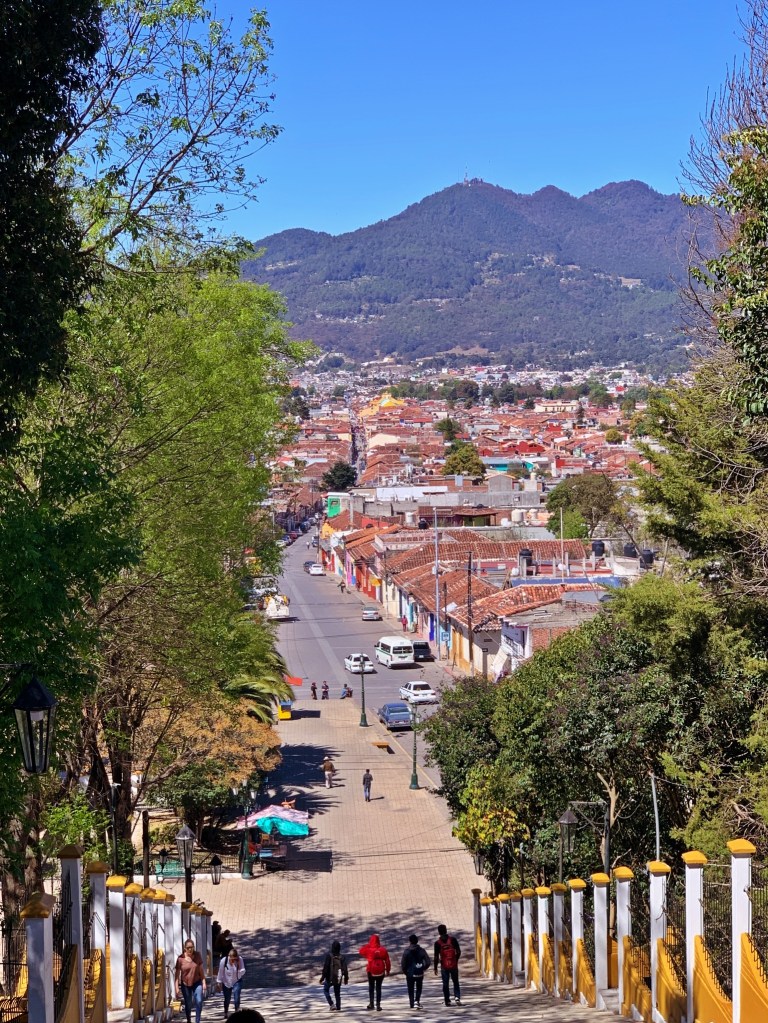
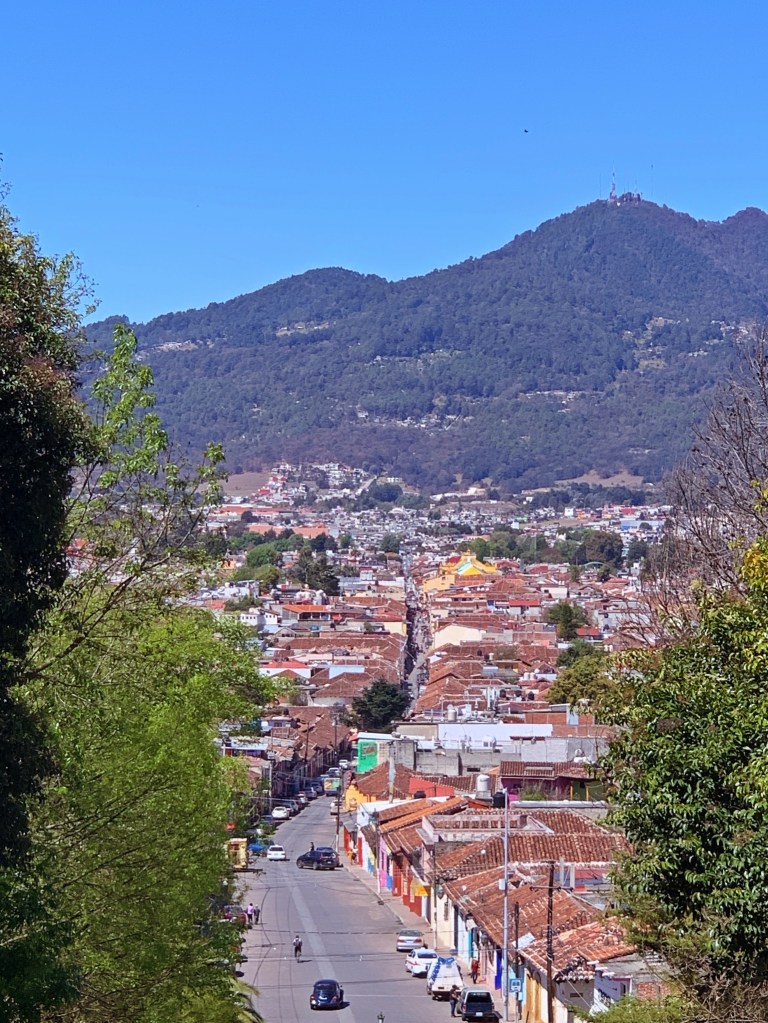
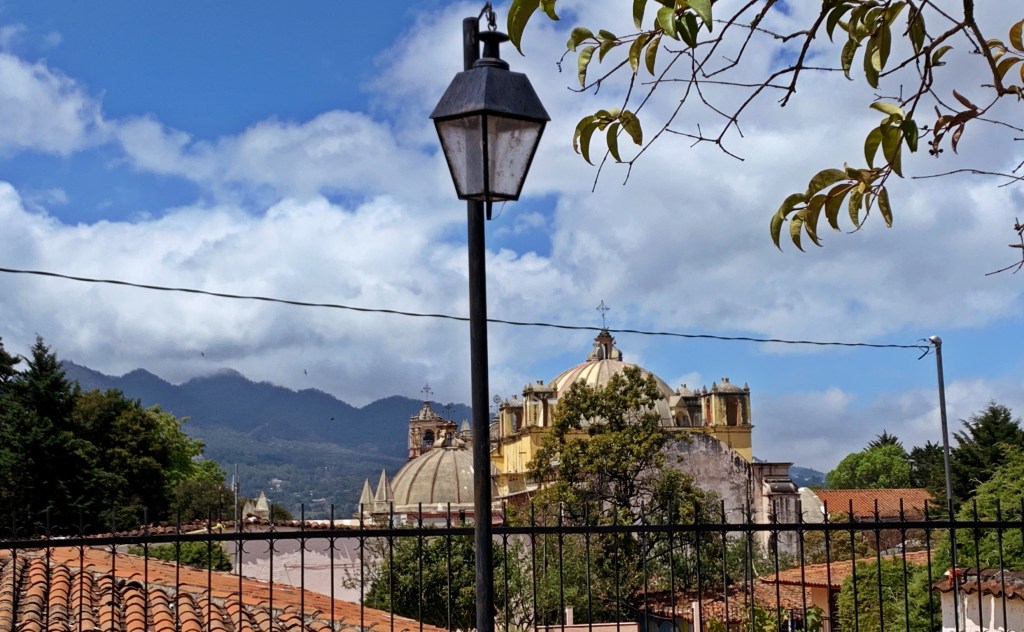
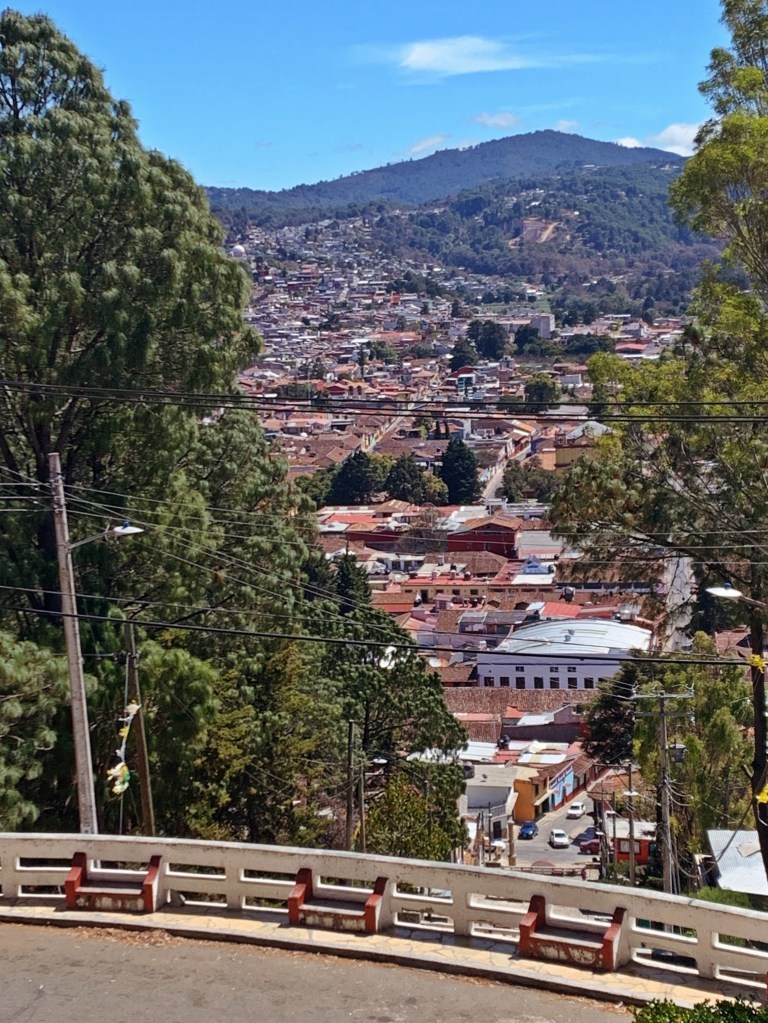
The view from the Guadalupe Church 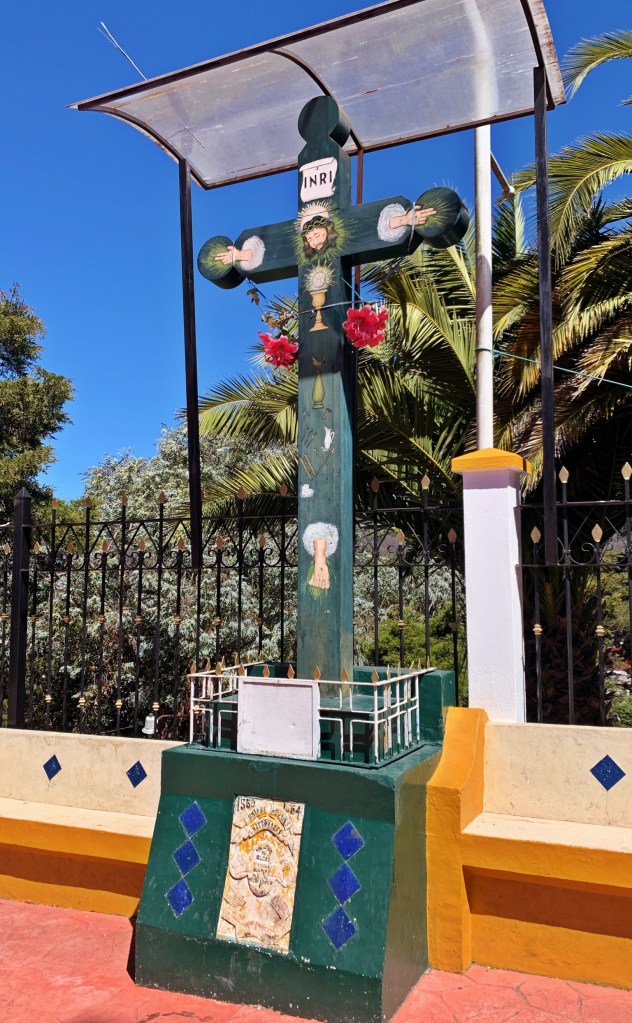
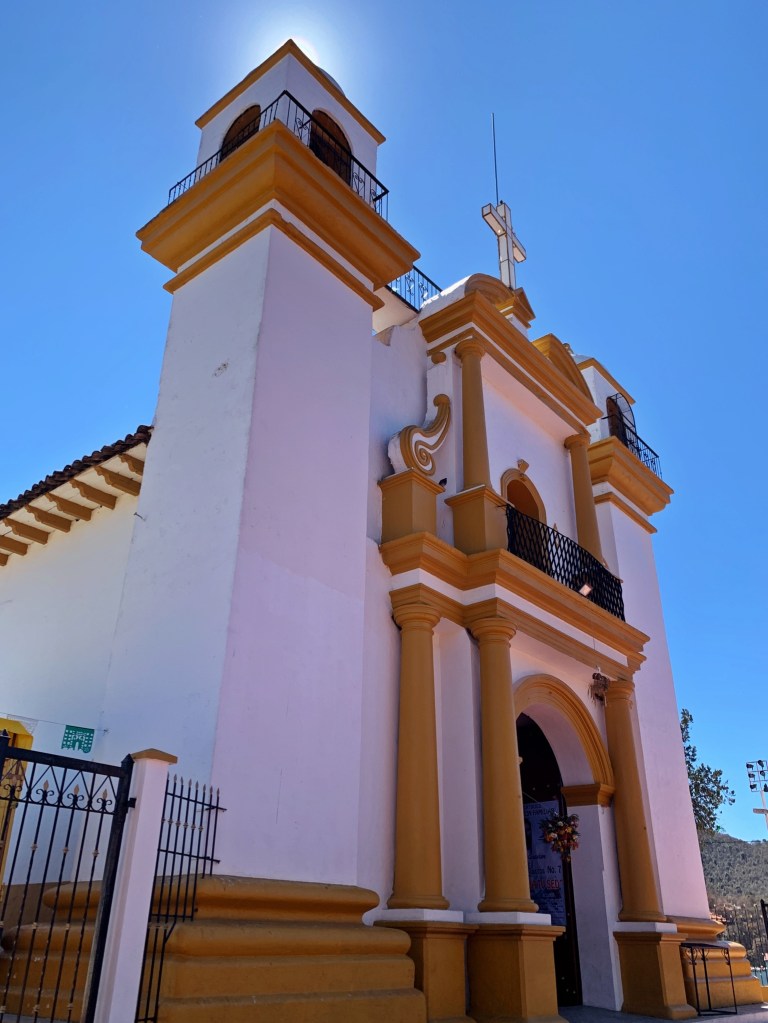
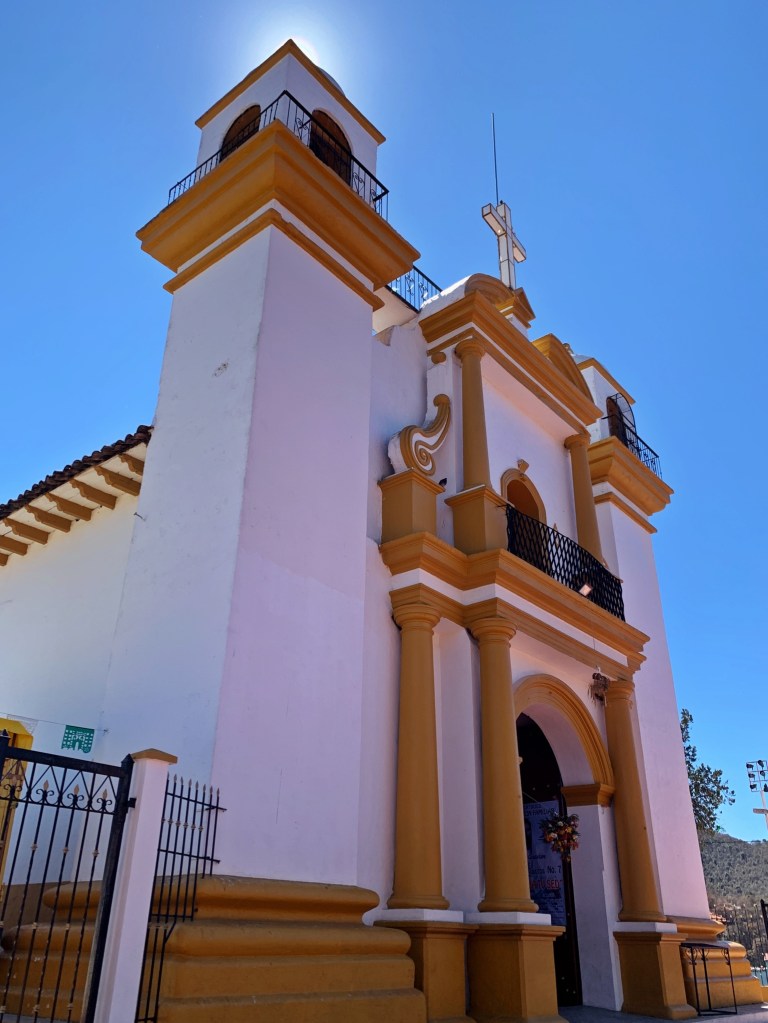
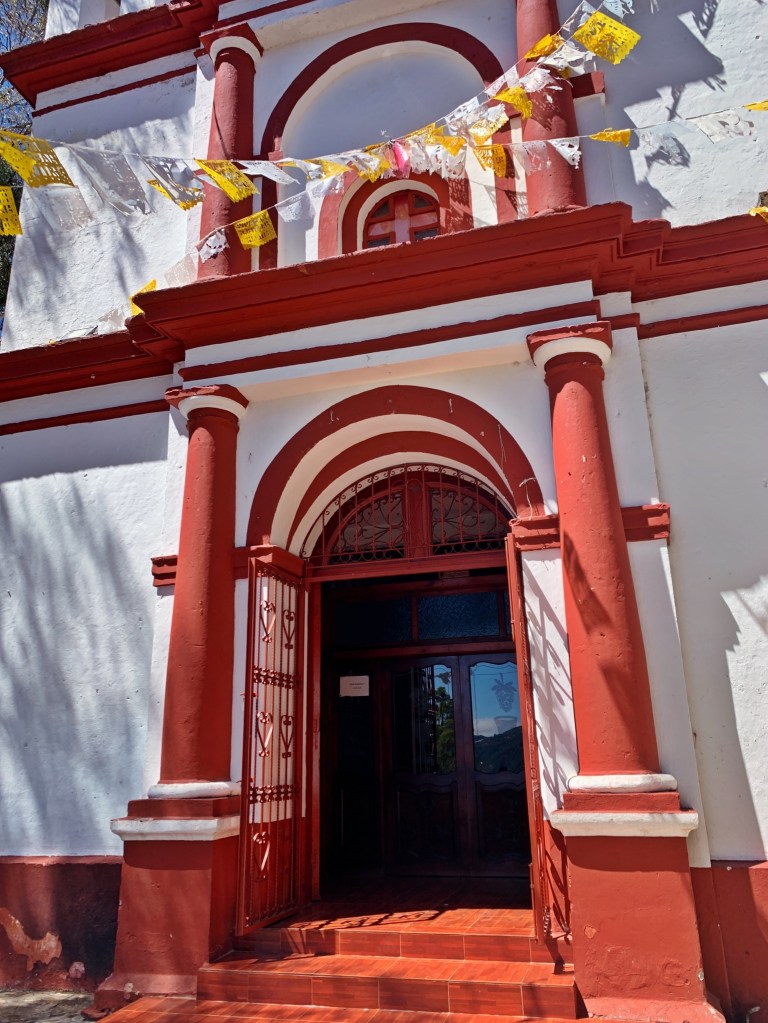
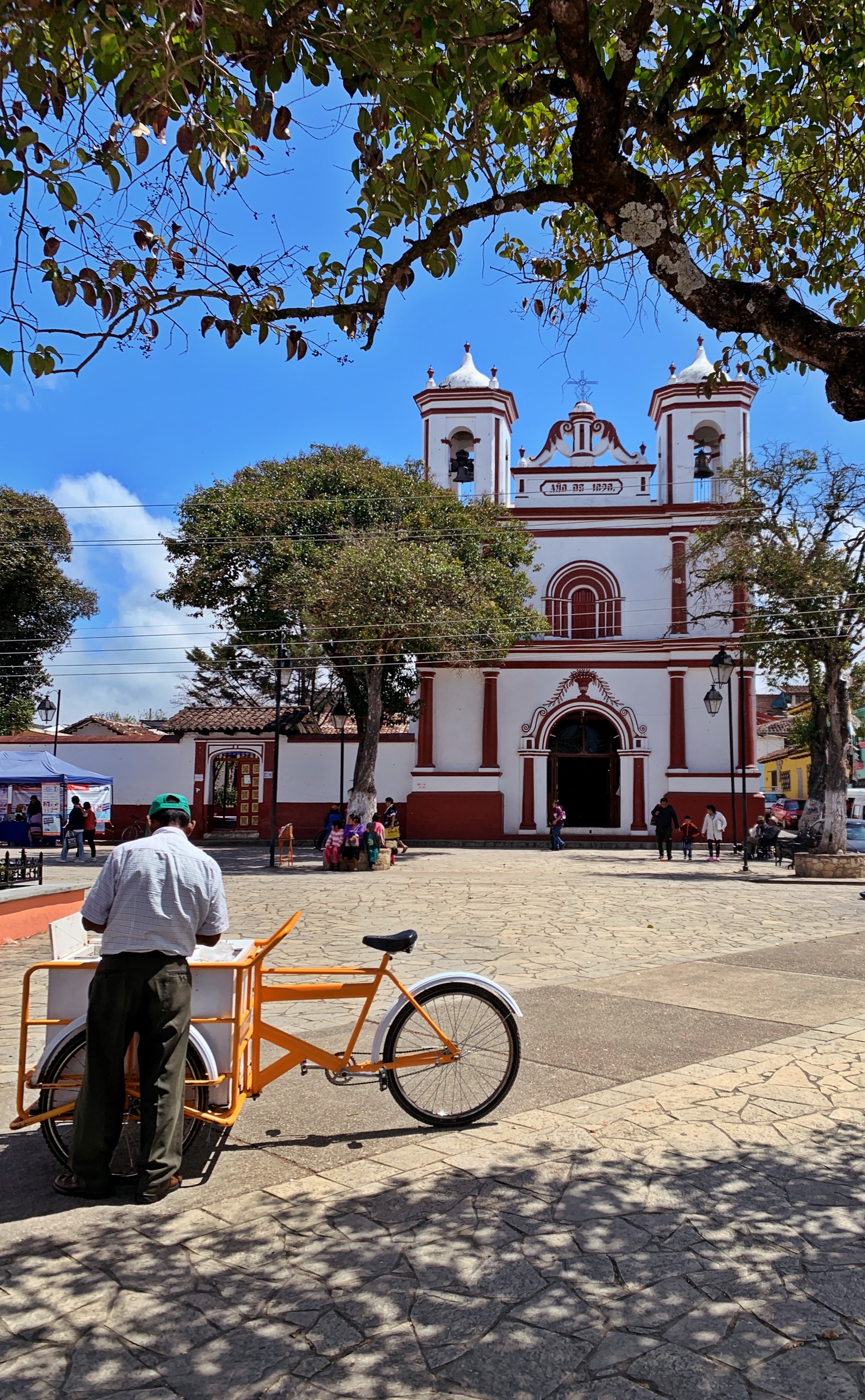
Guadalupe Church 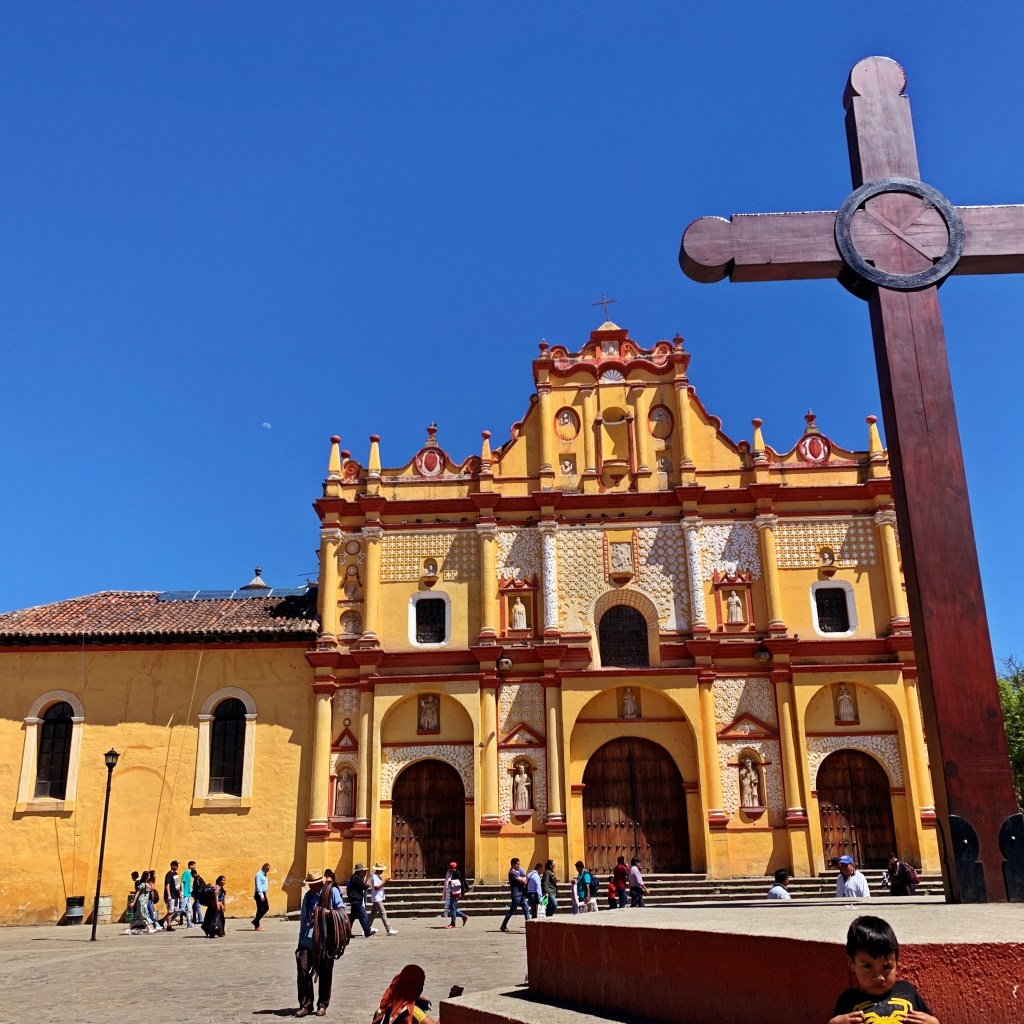
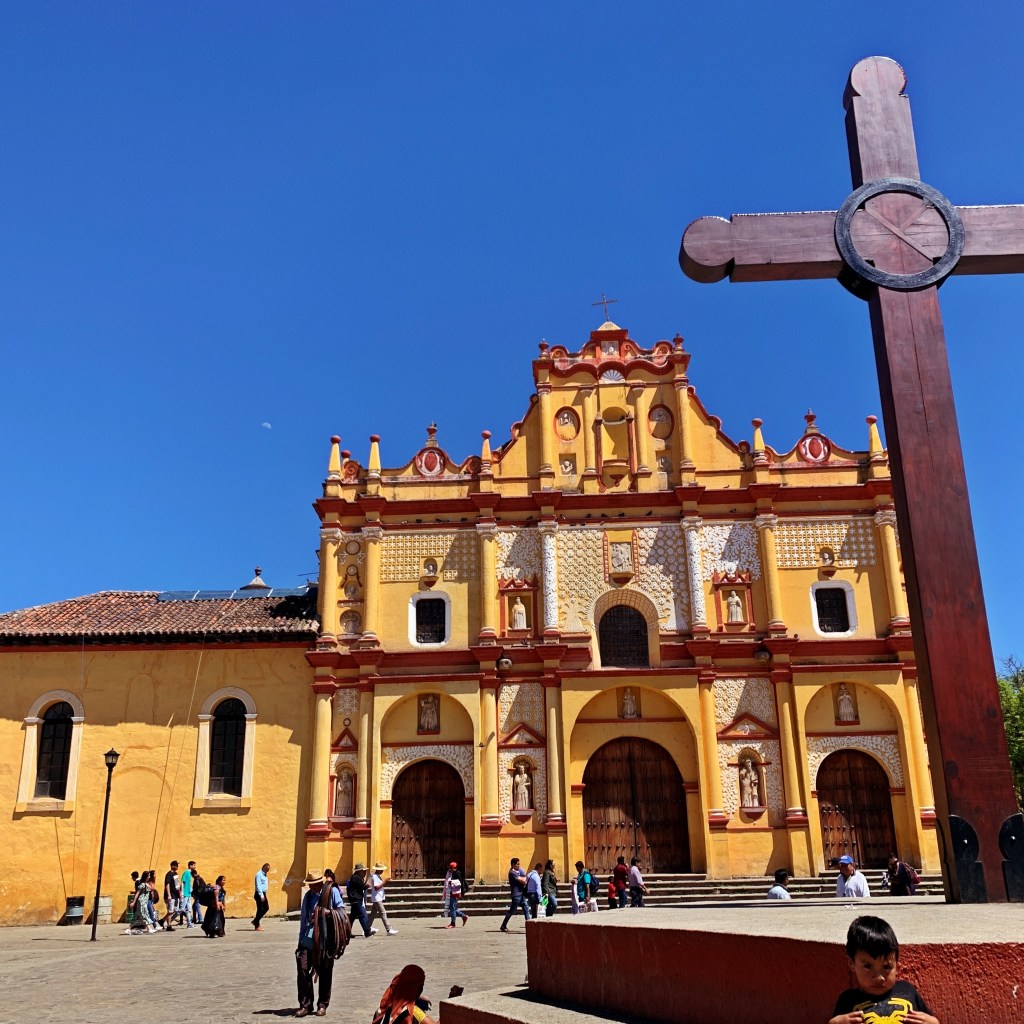
Cathedral of San Cristóbal 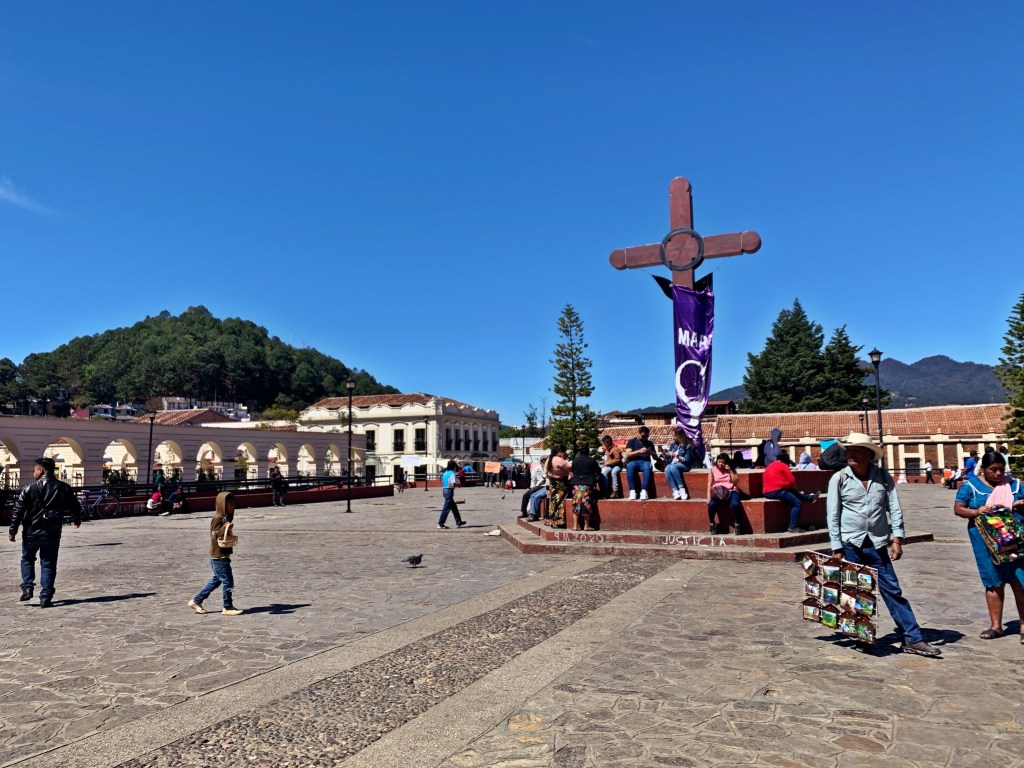
The Cathedral Plaza 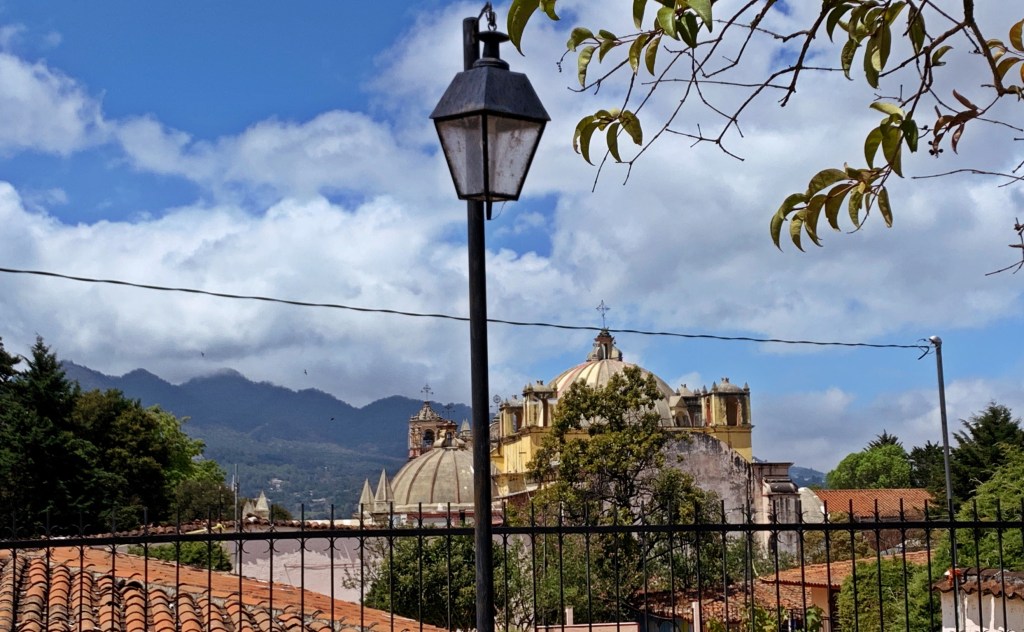
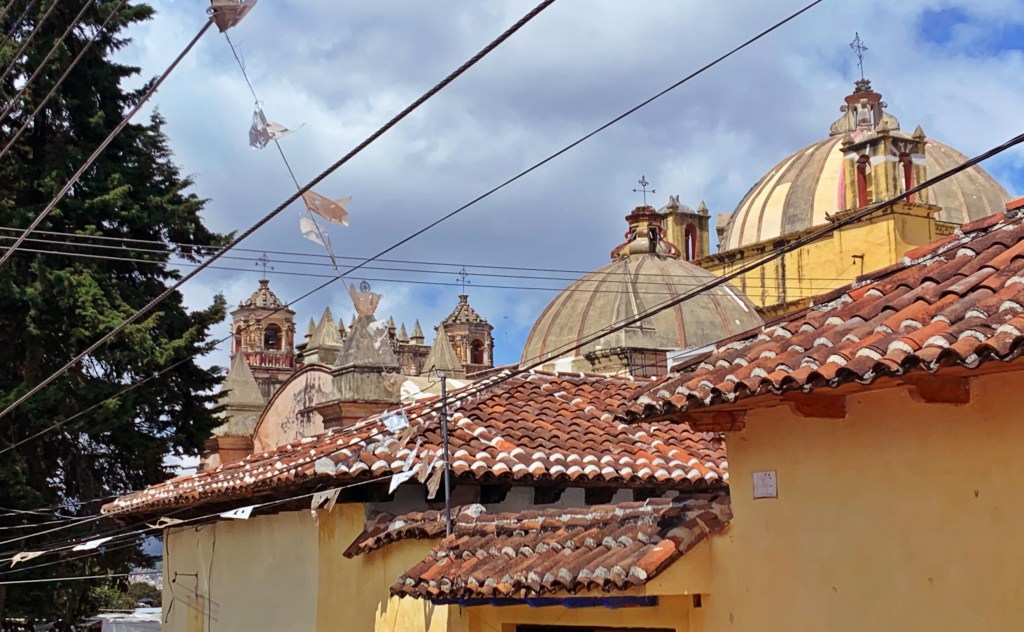
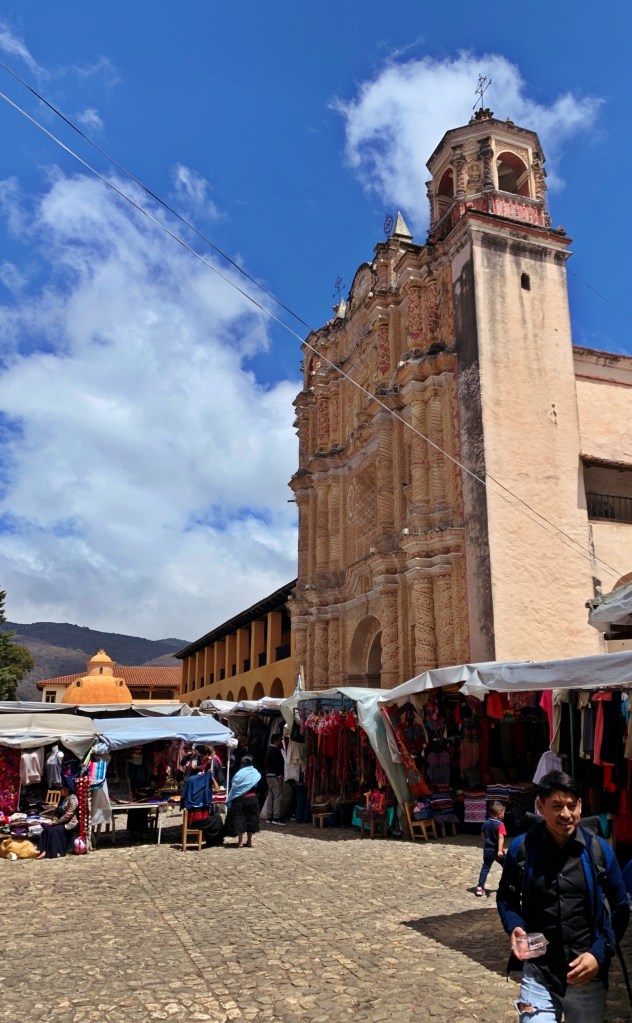
View of the Templo Santo Domingo 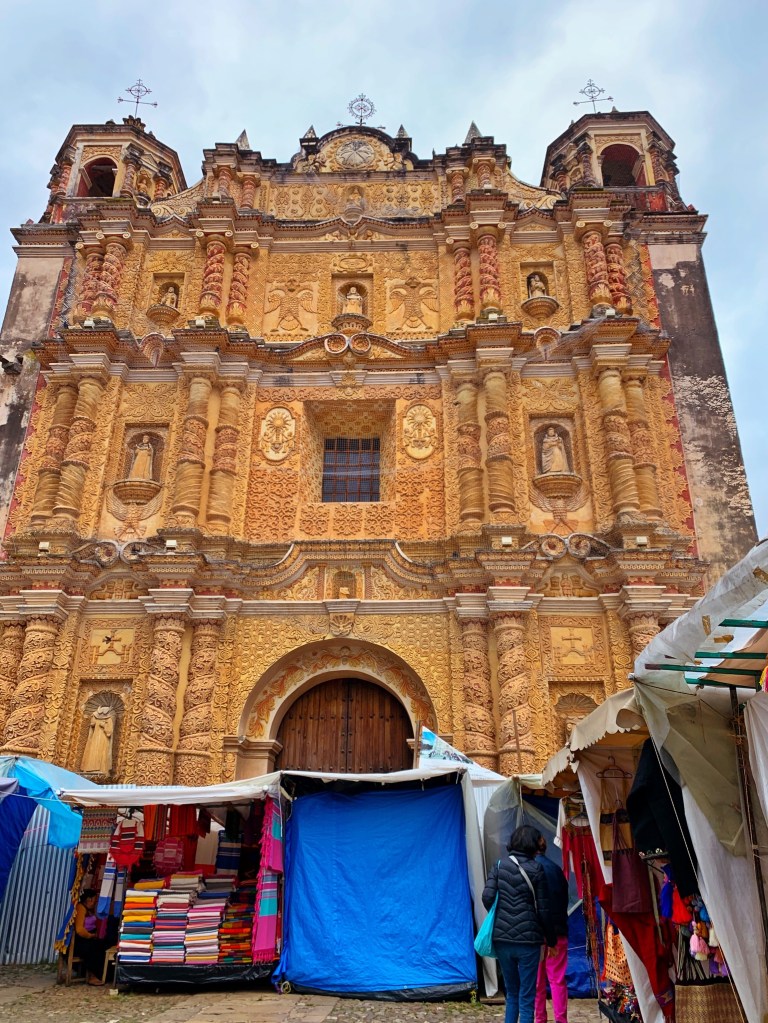
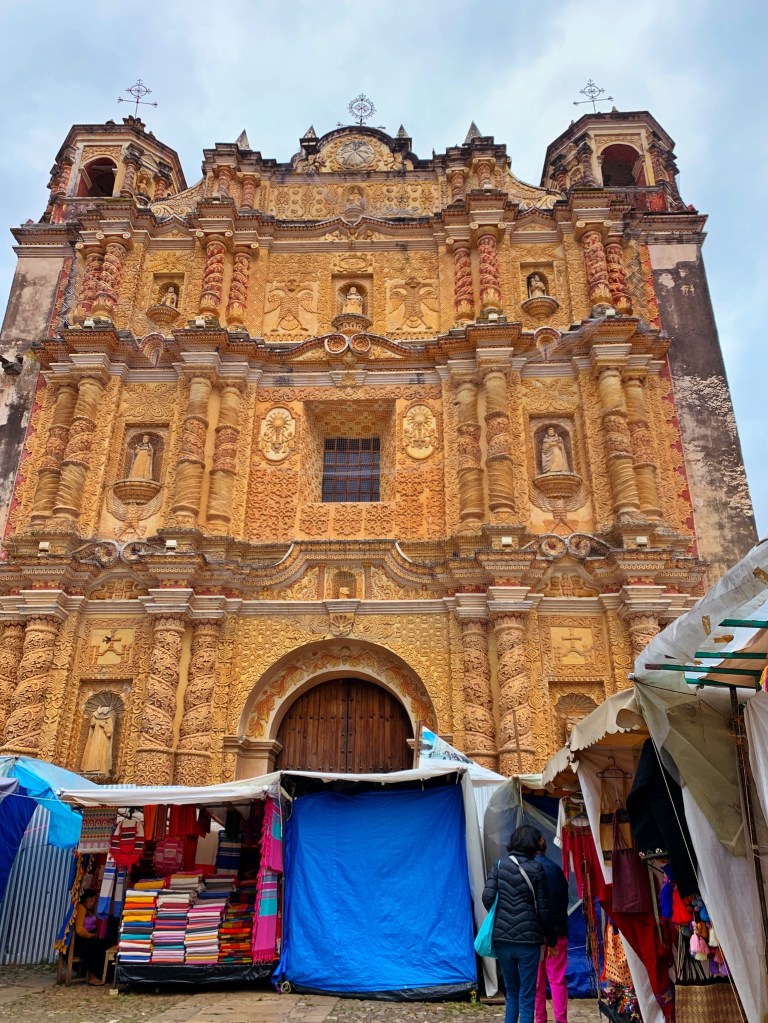
Close up, with market in front! 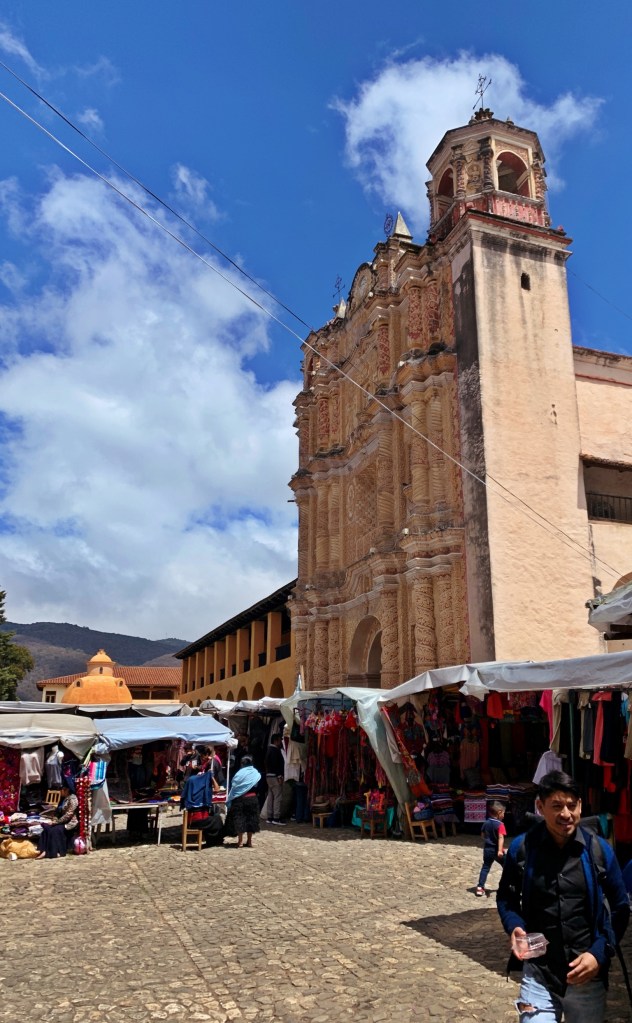
It is under renovation, so the market blocks the main entrance 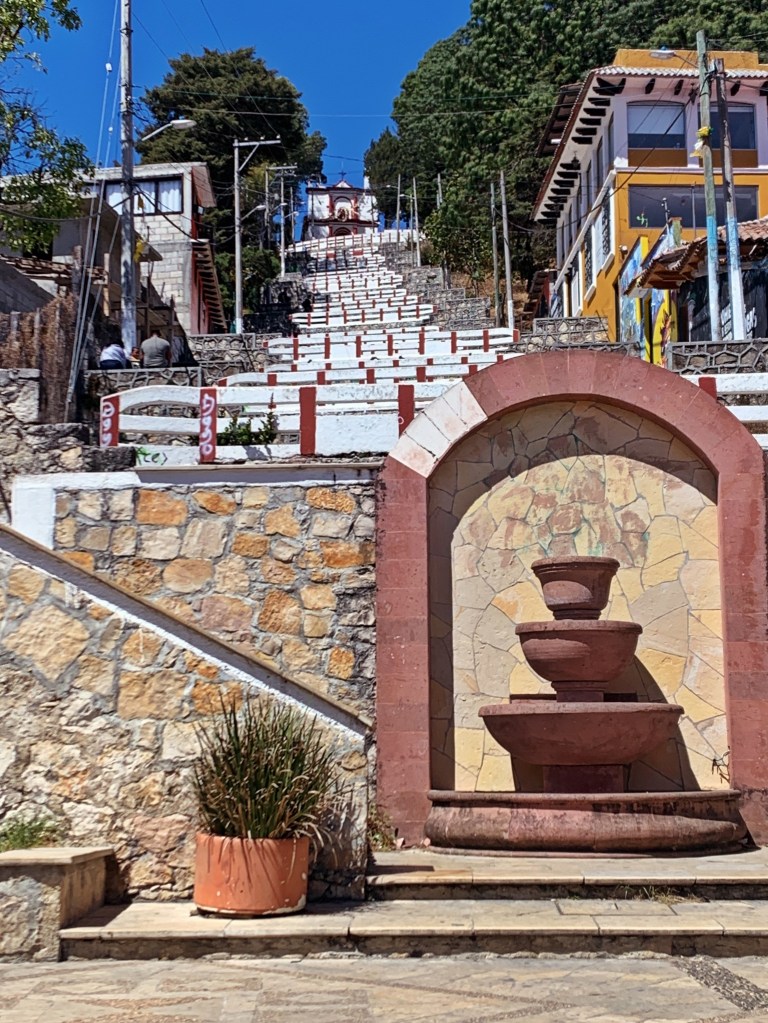
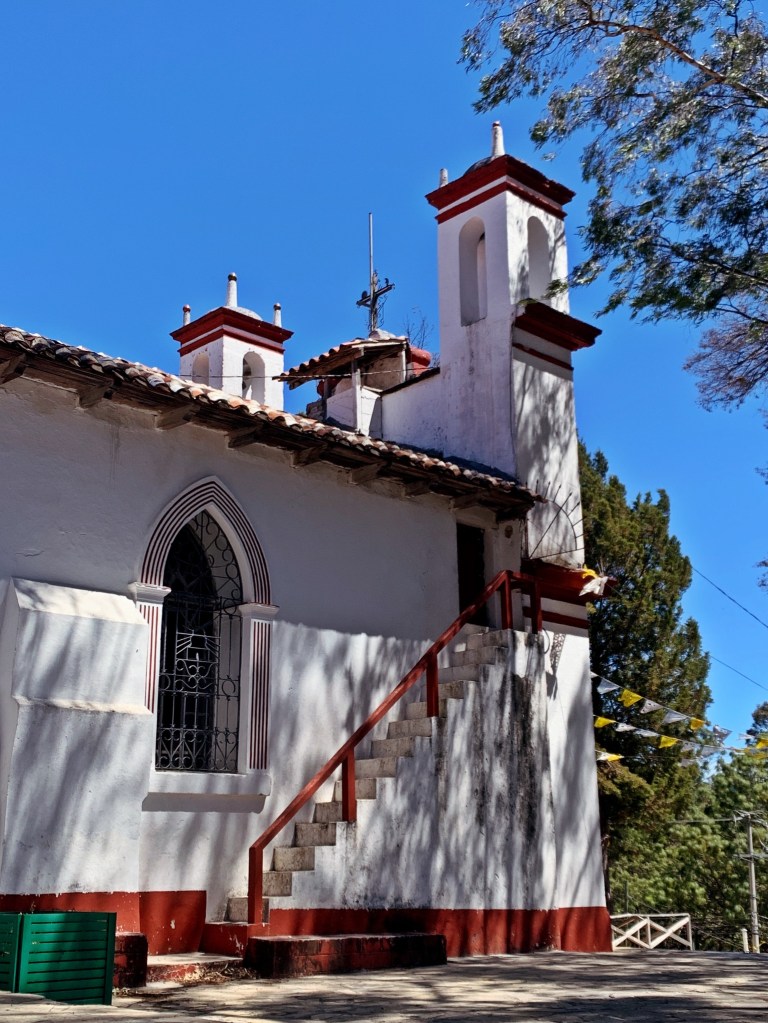
Walkway up to the Iglesia de San Cristobalito 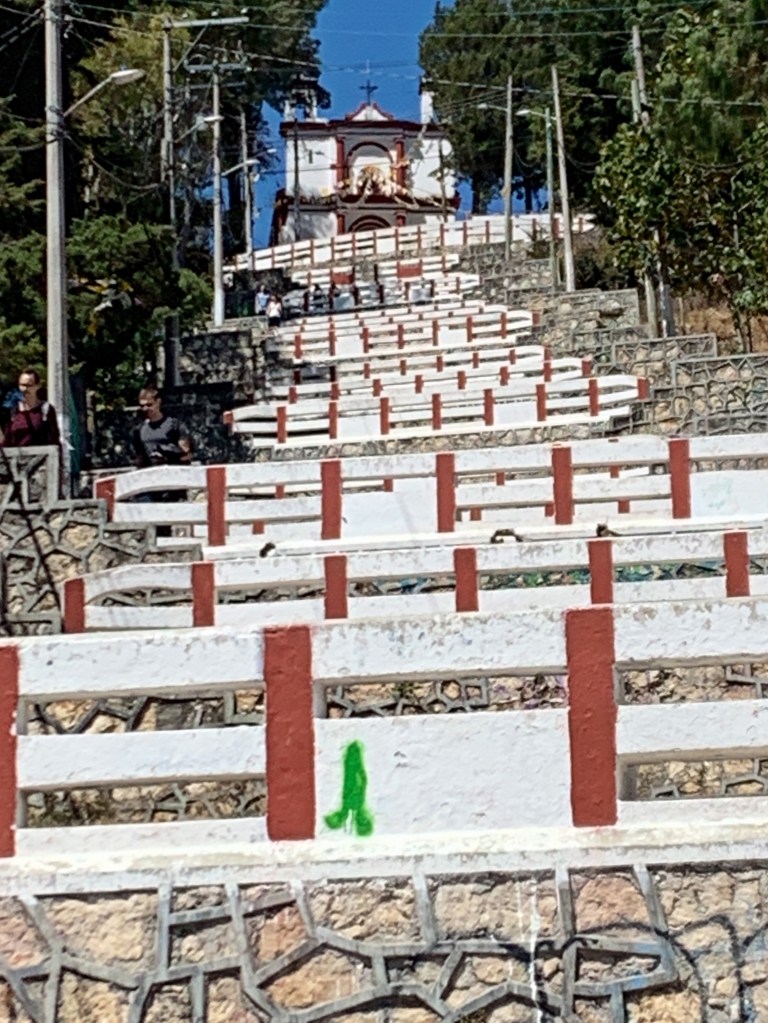
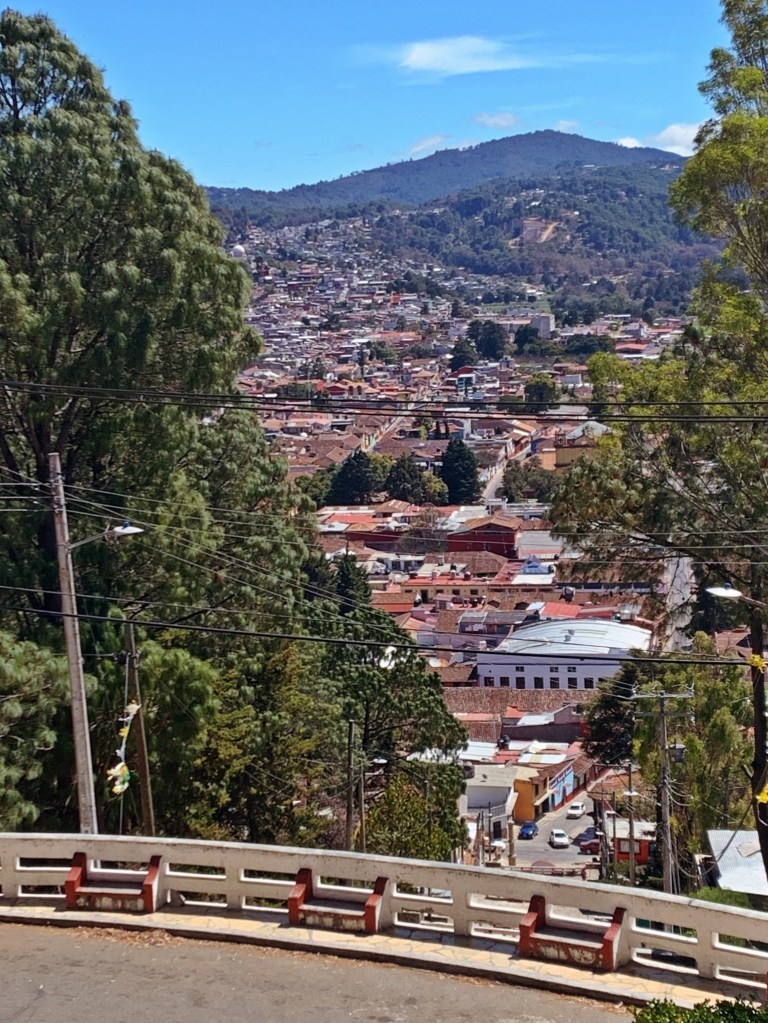
The view from the top of the Iglesia de San Cristobalito 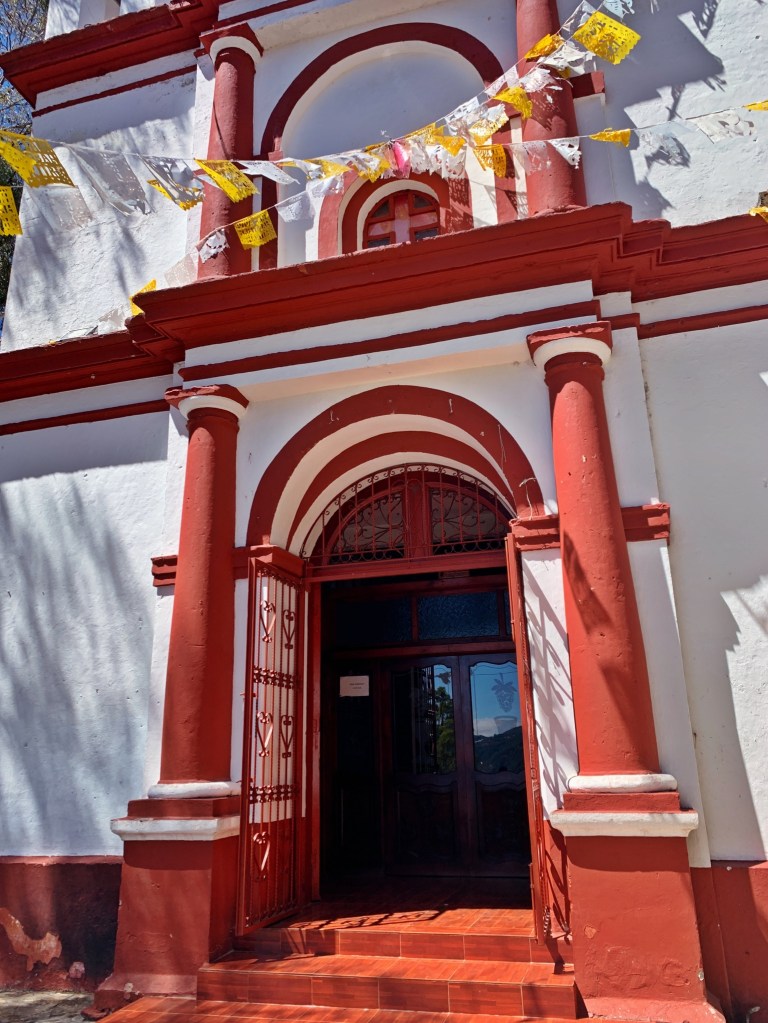
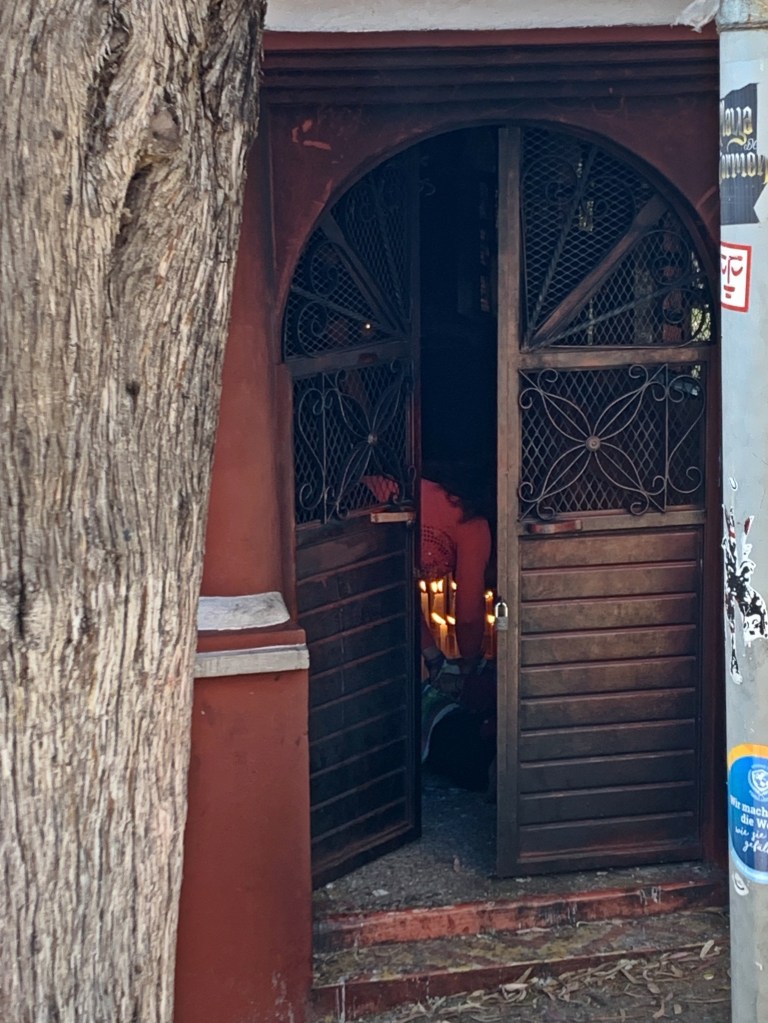
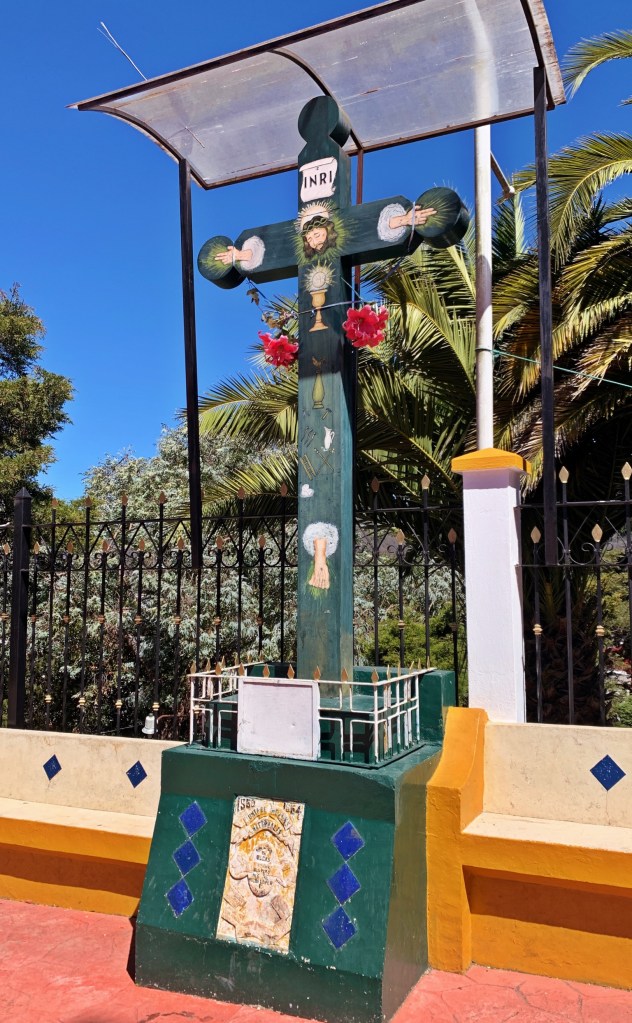
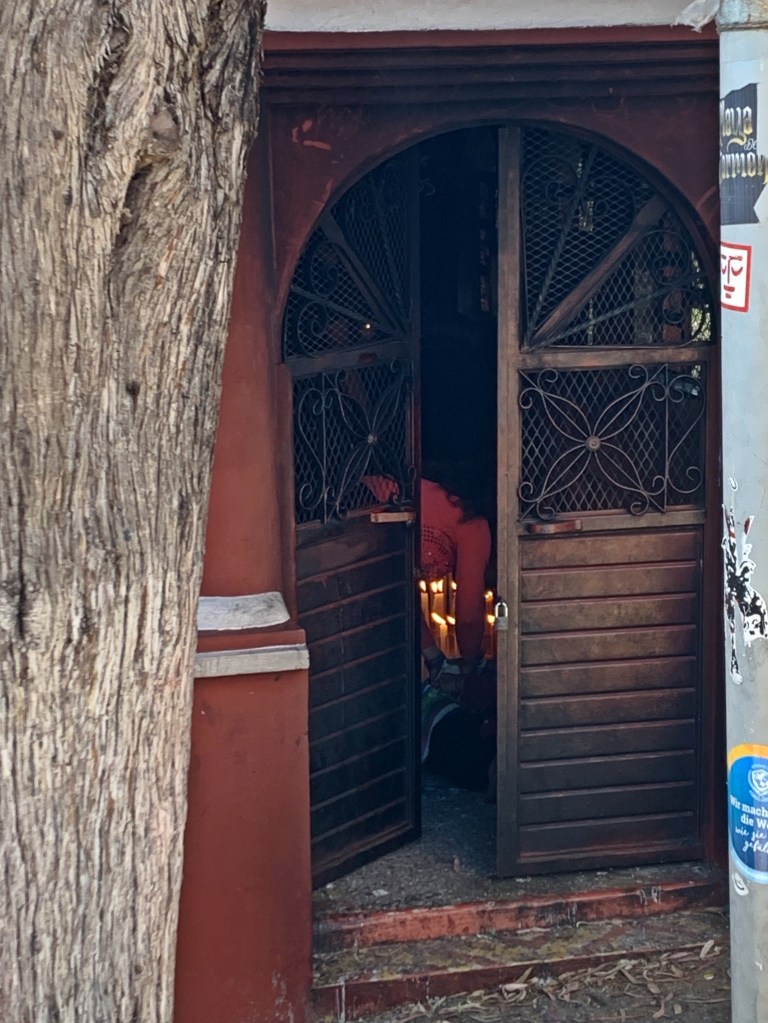
A small chapel on the grounds of the Iglesia de San Cristobalito 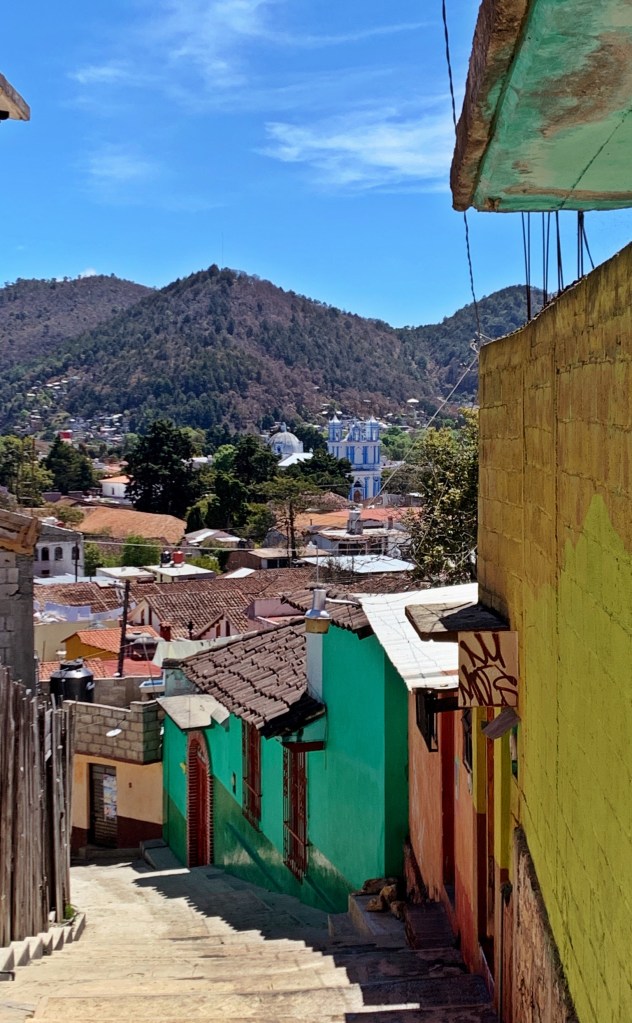
View of the Santa Lucia Church 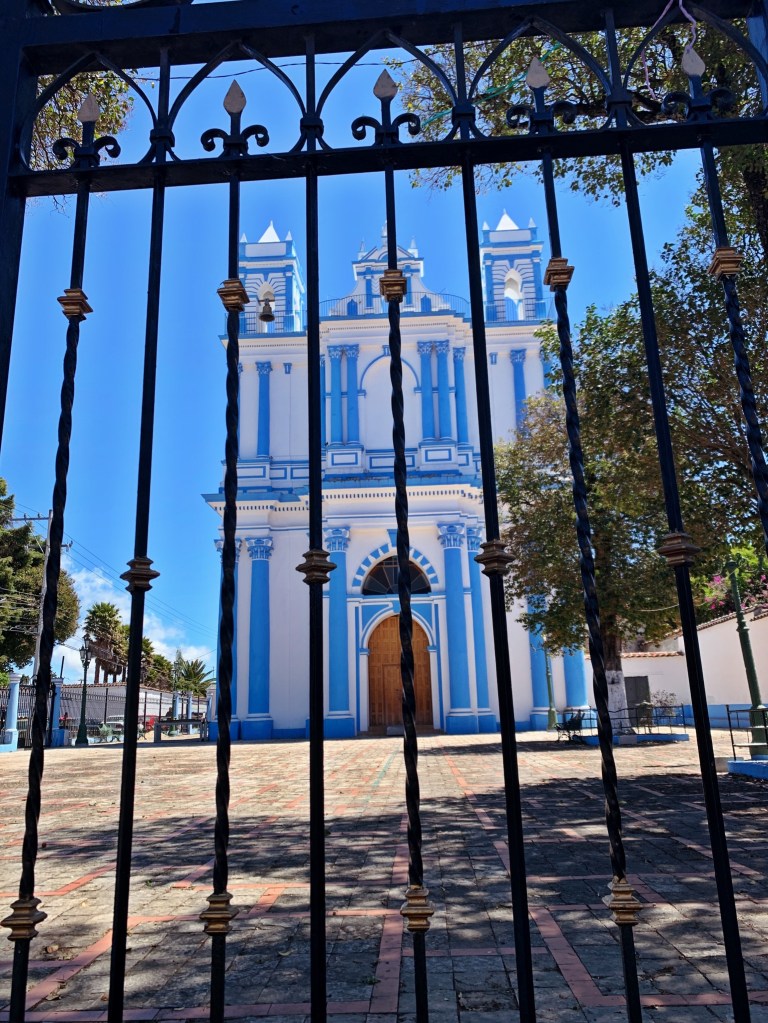
Santa Lucia Church 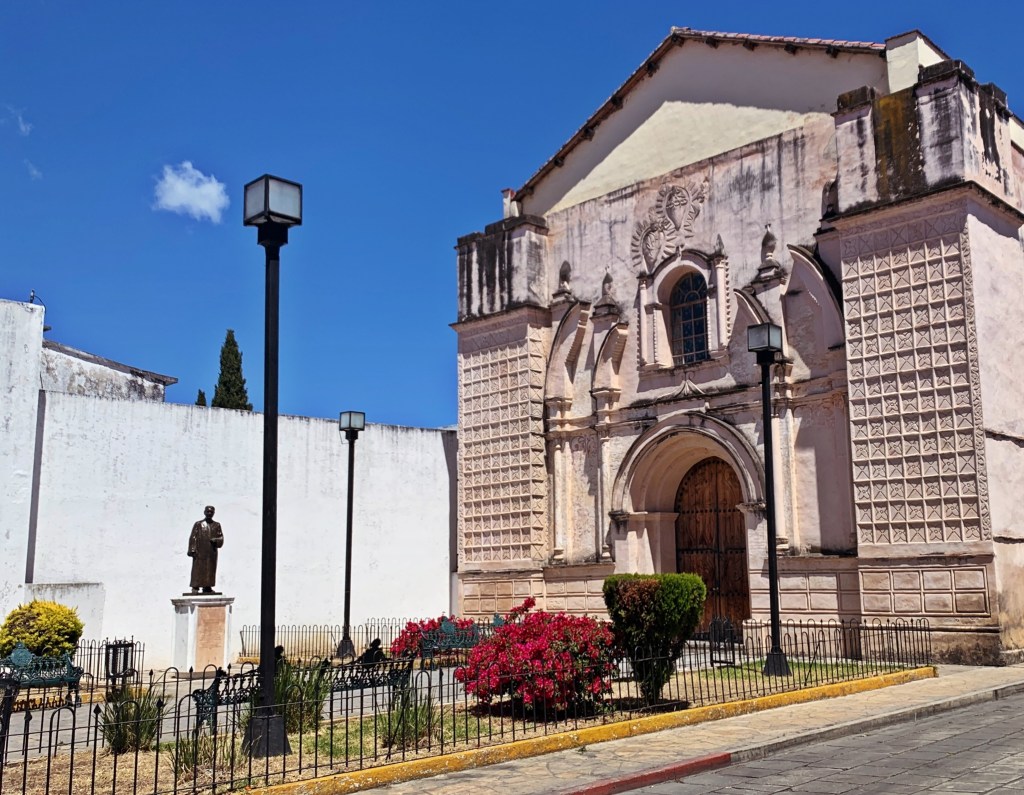
Iglesia de San Augustín 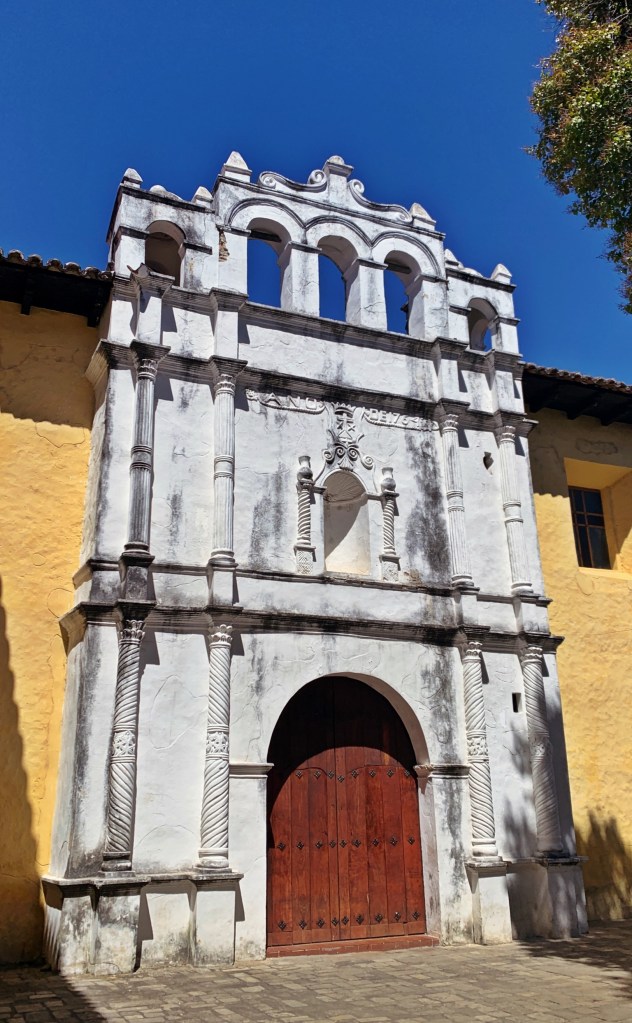
El Carmen 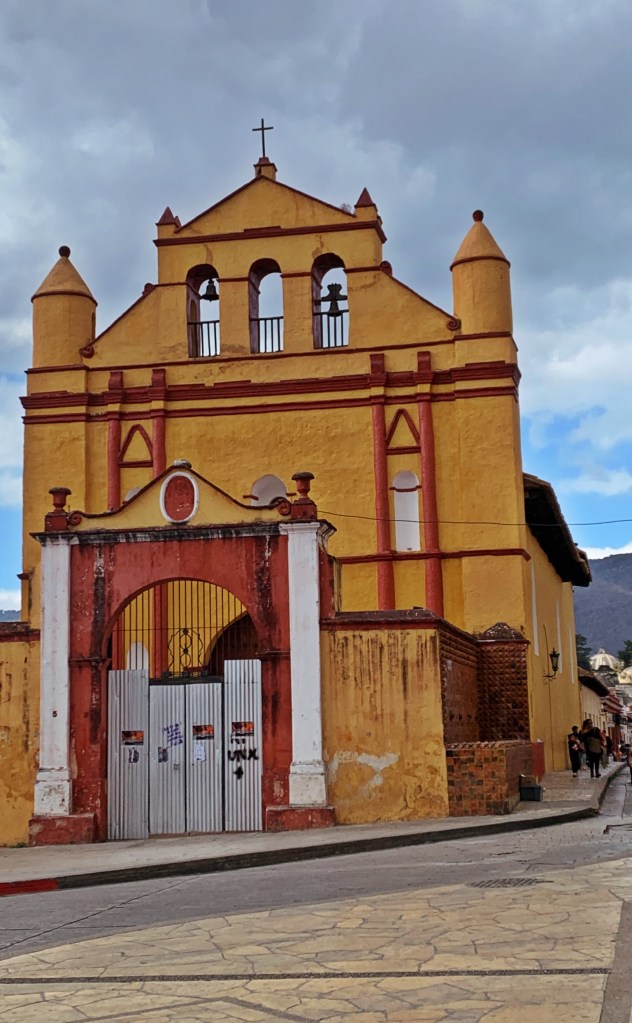
Iglesia de San Nicolas
build for slaves and indigenous peoples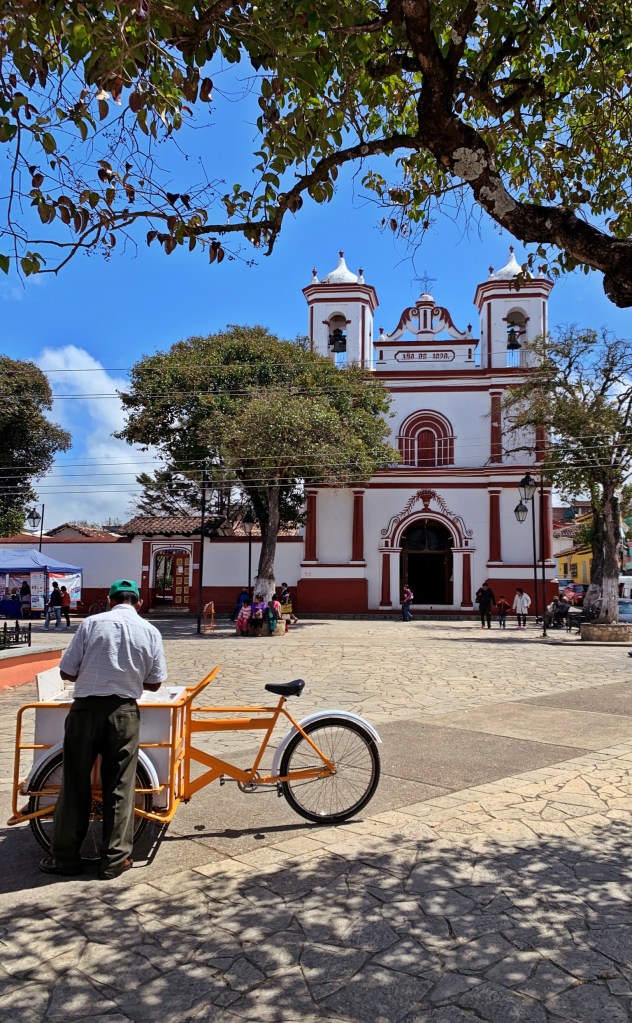
El Cerrillo neighborhood church
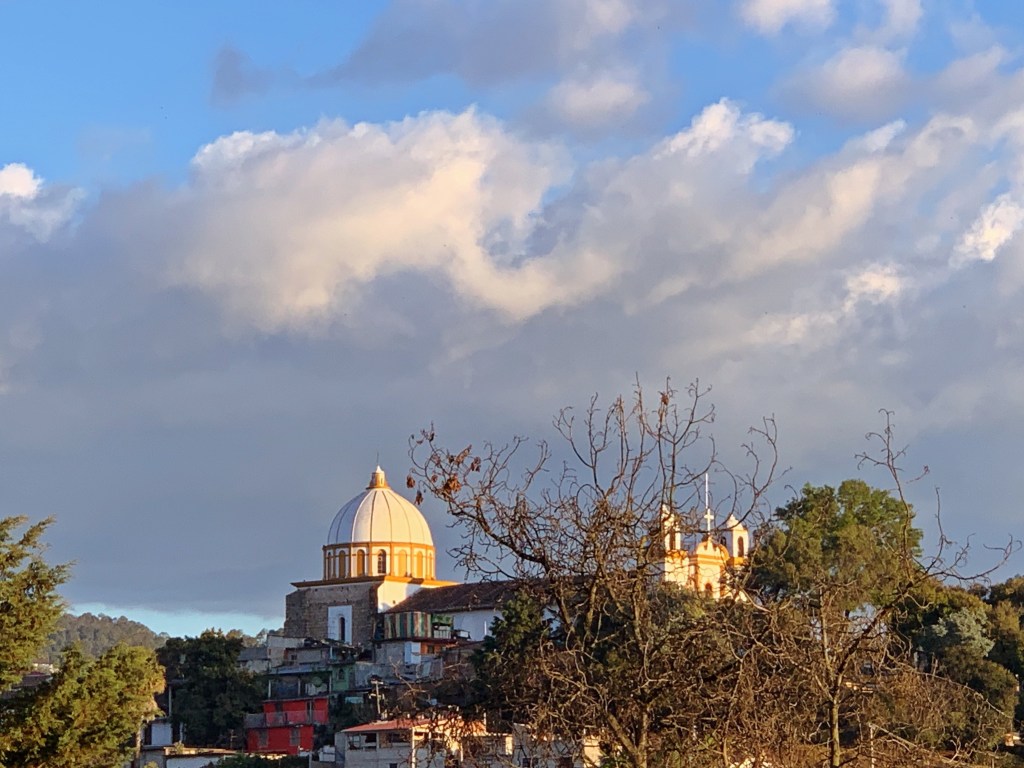
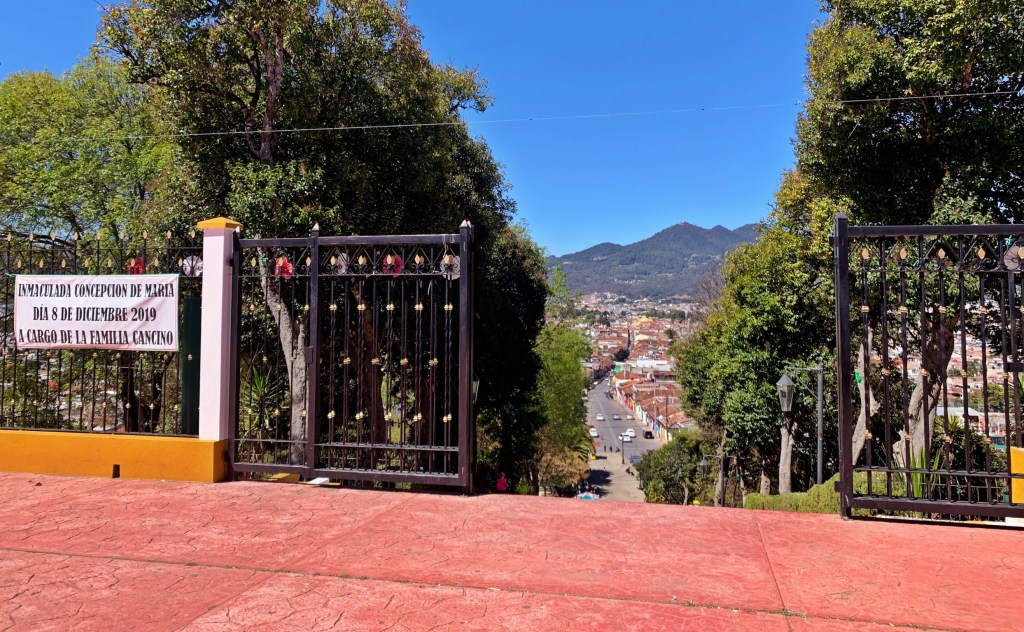
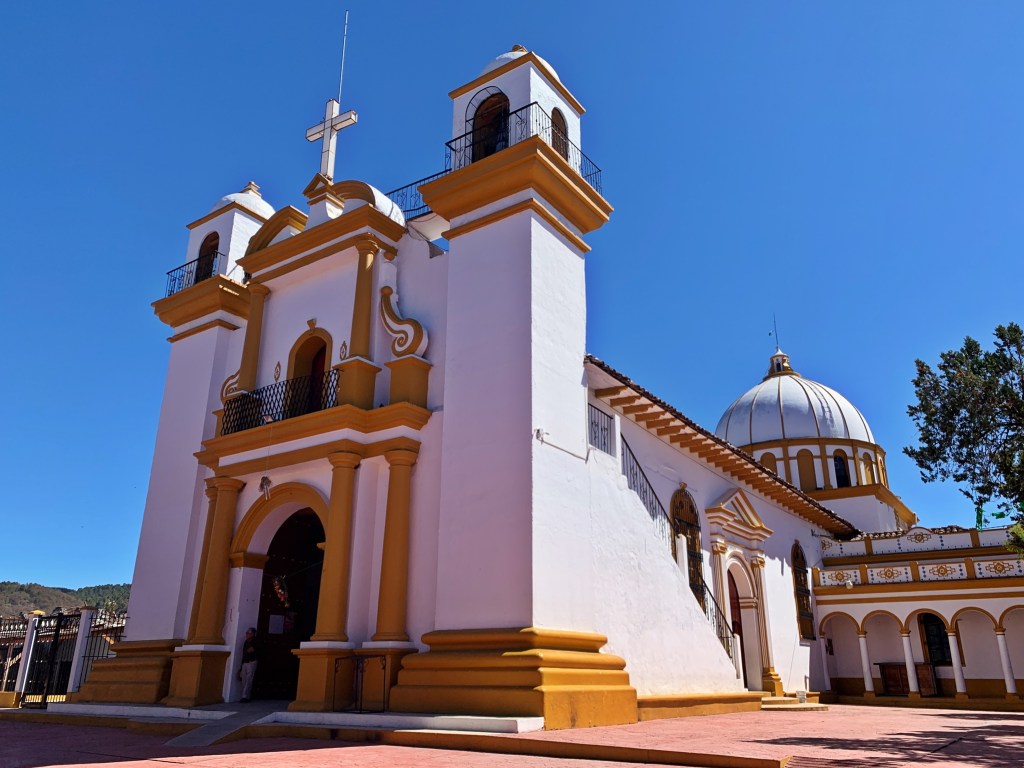
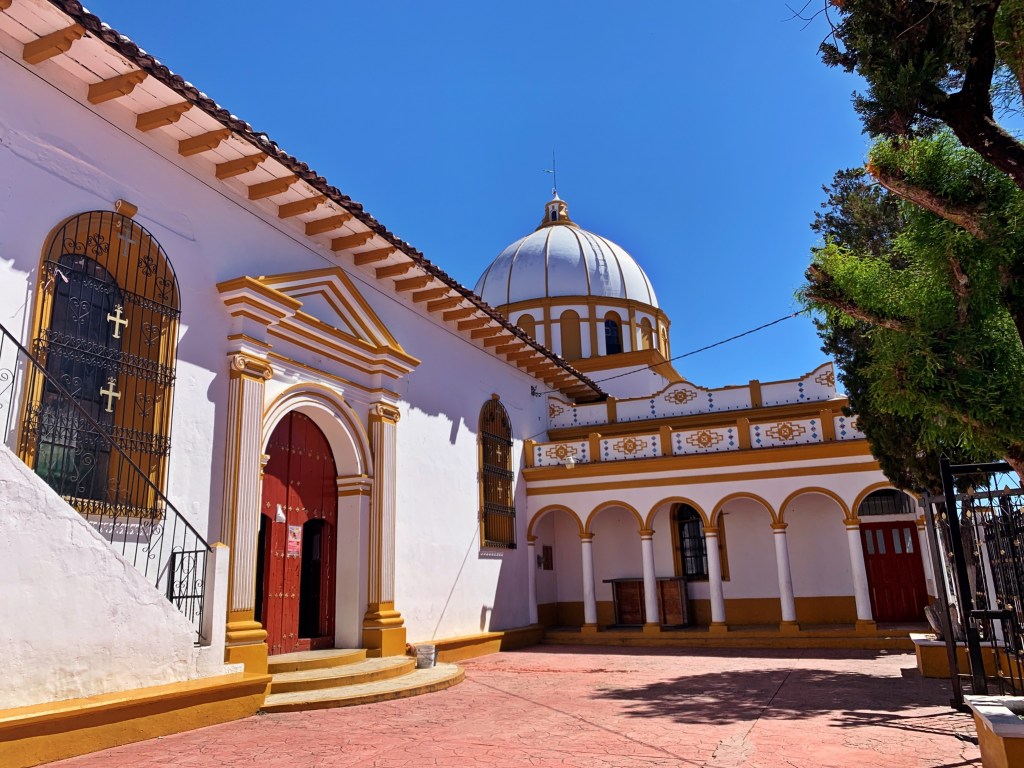
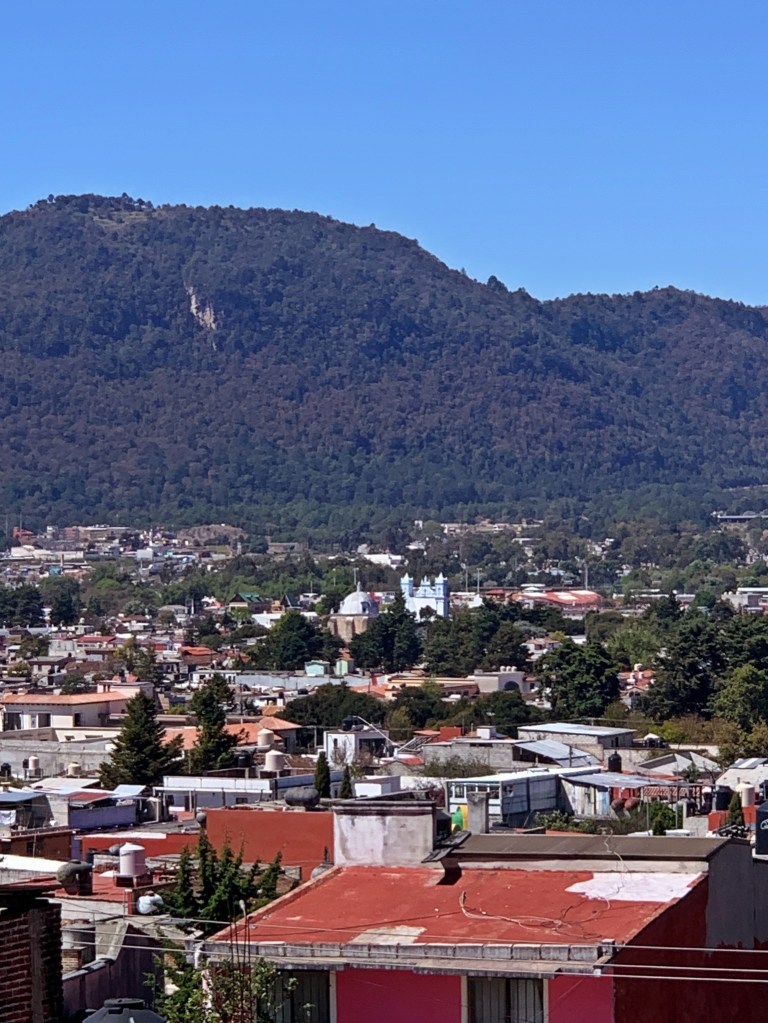
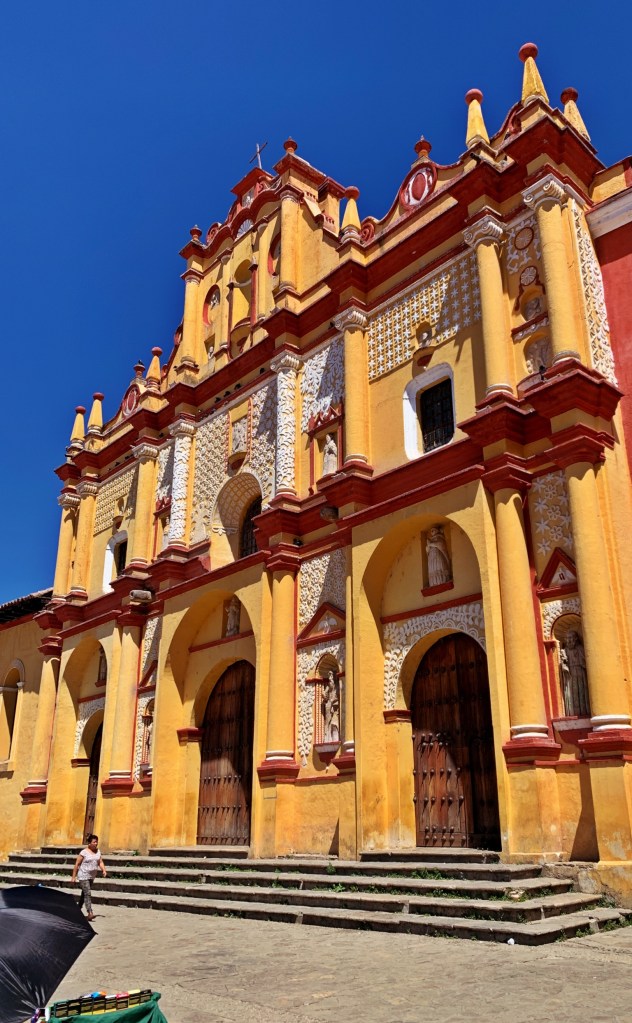
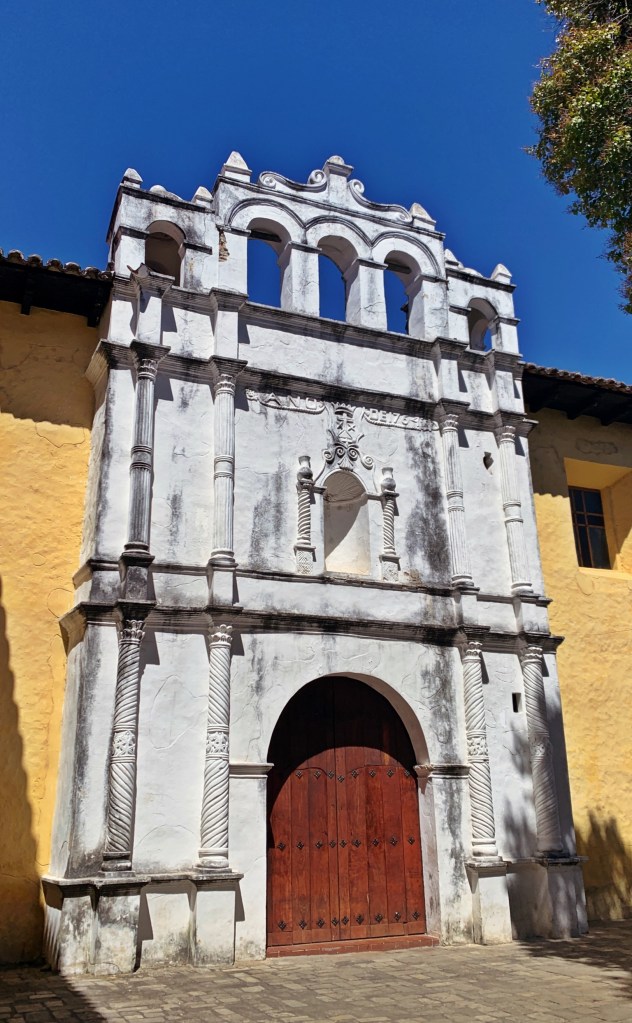
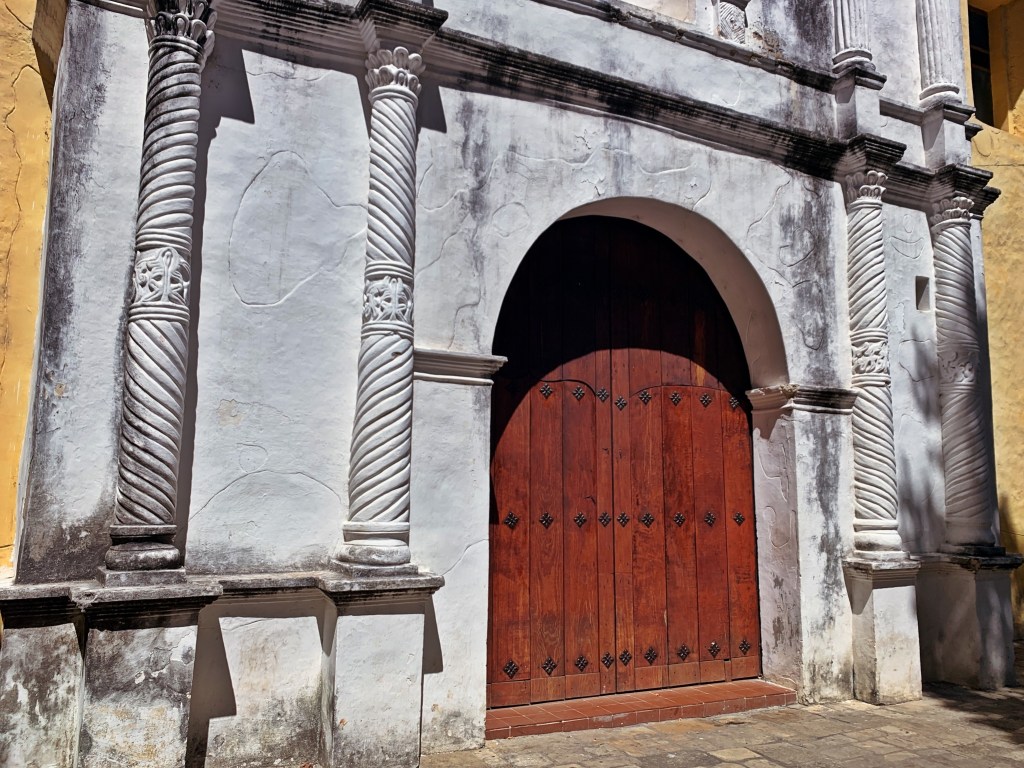
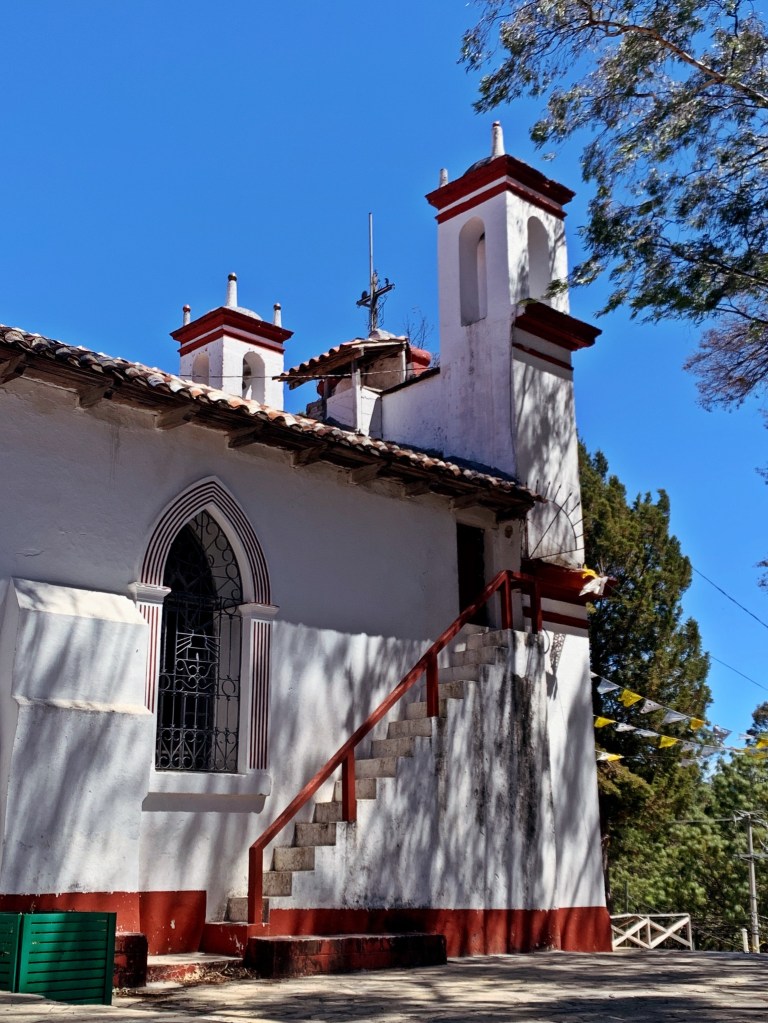
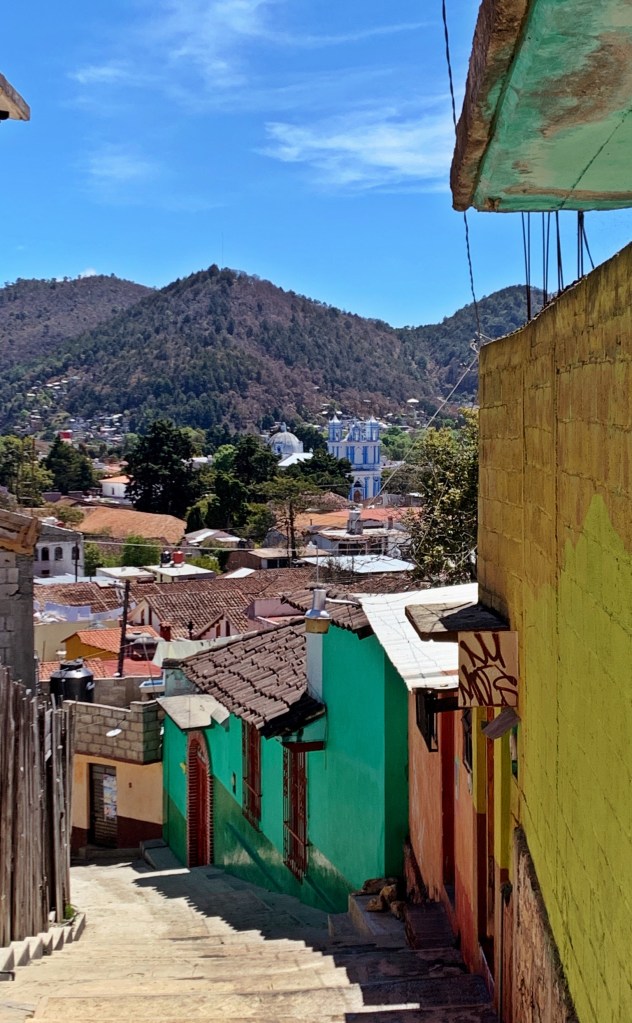

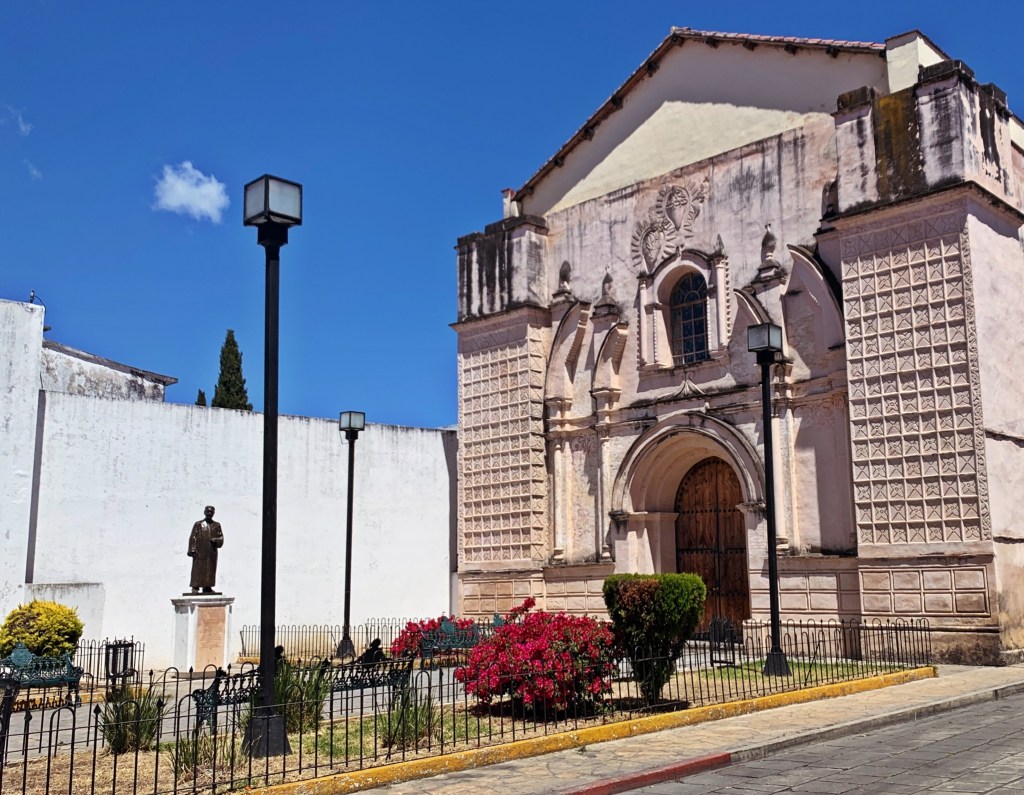
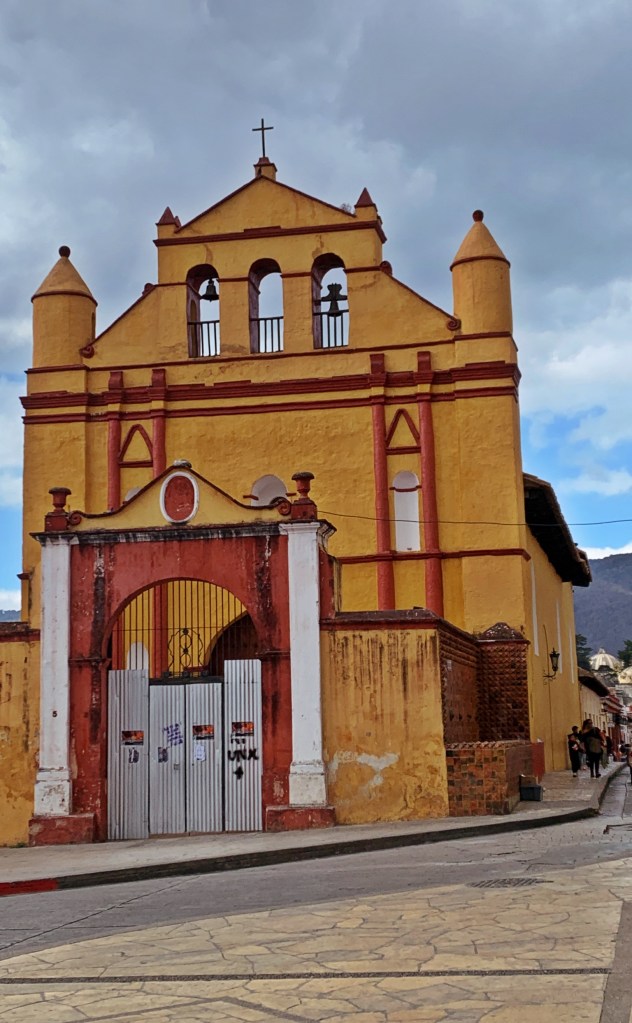
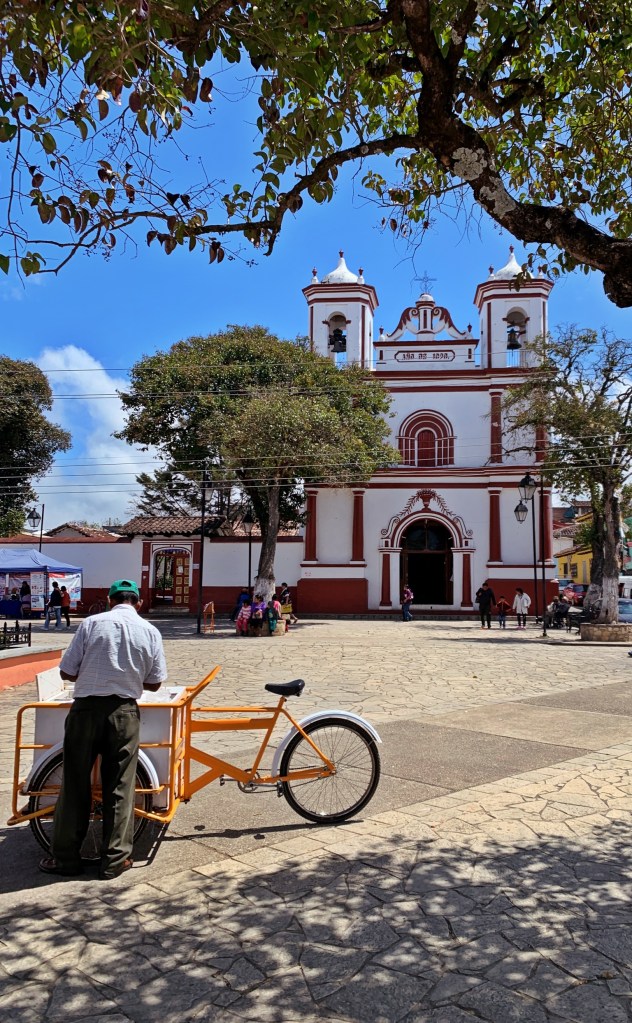
Iglesia del Cerrillo
Na Bolom Cultural Center
Na Bolom means “House of Jaguar” in the Lacandon Mayan language. Purchased in 1951 by Franz Blom, a Swedish explorer and his Swiss, journalist wife, Trudy, it put them closer to the many explorations into the Mayan lands settled by the Lacandon peoples. Their research, was some of the first to explore this region. After Frans’ death in 1969, Trudy continued the campaign in support of the Lacandon people and became one of the first environmental activists in that time. Both Frans and Trudy are really interesting people. I look forward to reading more about them. Now, as a museum, hotel and restaurant, their estate appears a bit tired and is need of some renewed energy.
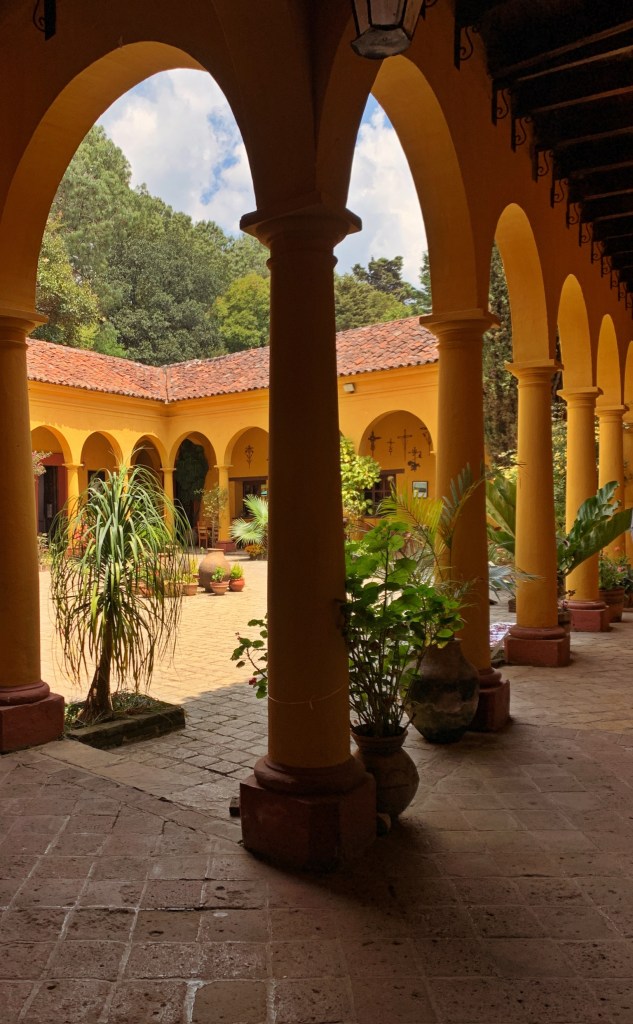
Originally designed as a convent, this large estate was converted into their home, research and exhibition center. 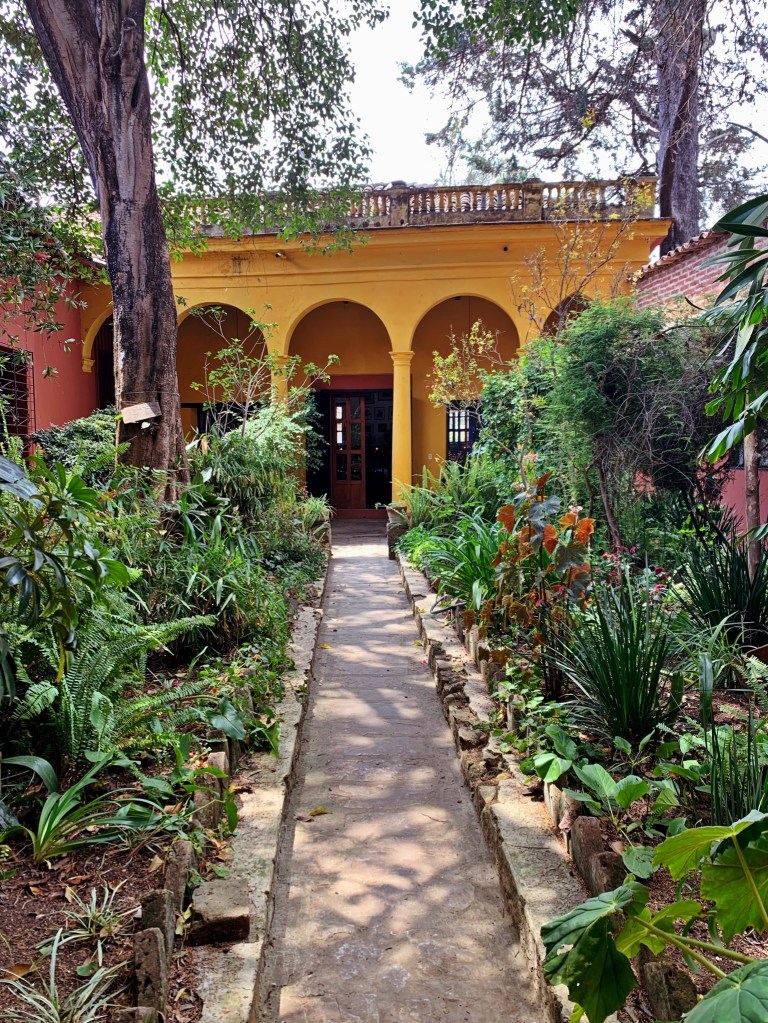
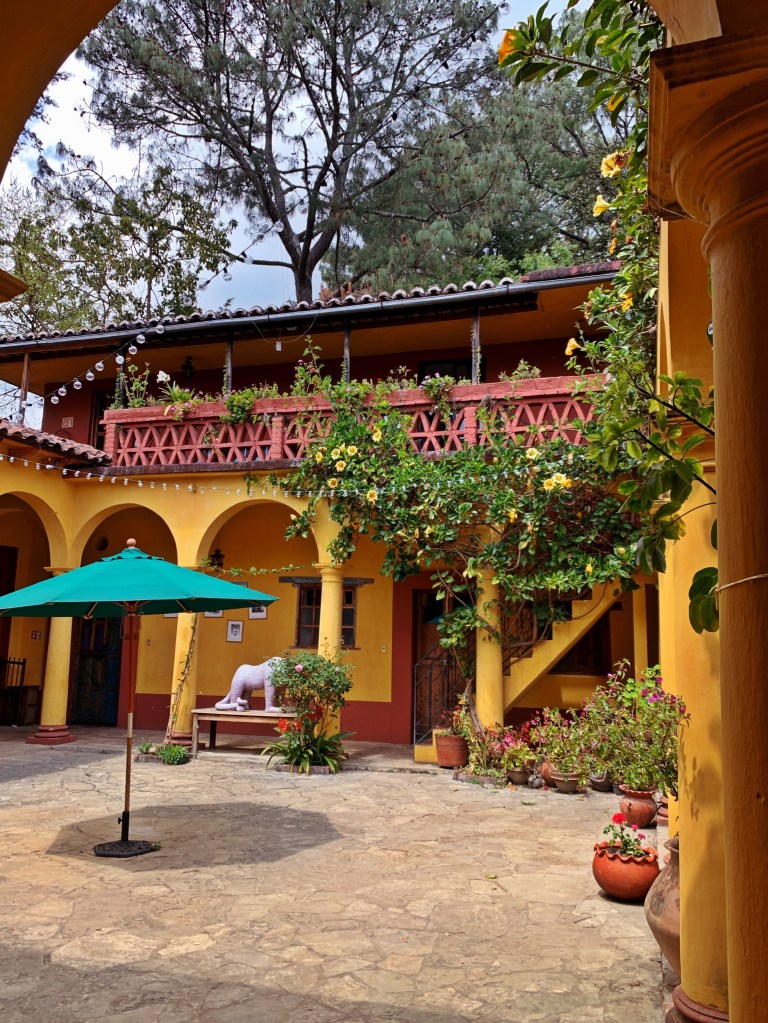
It maintains hotel rooms, as it did in the early days. 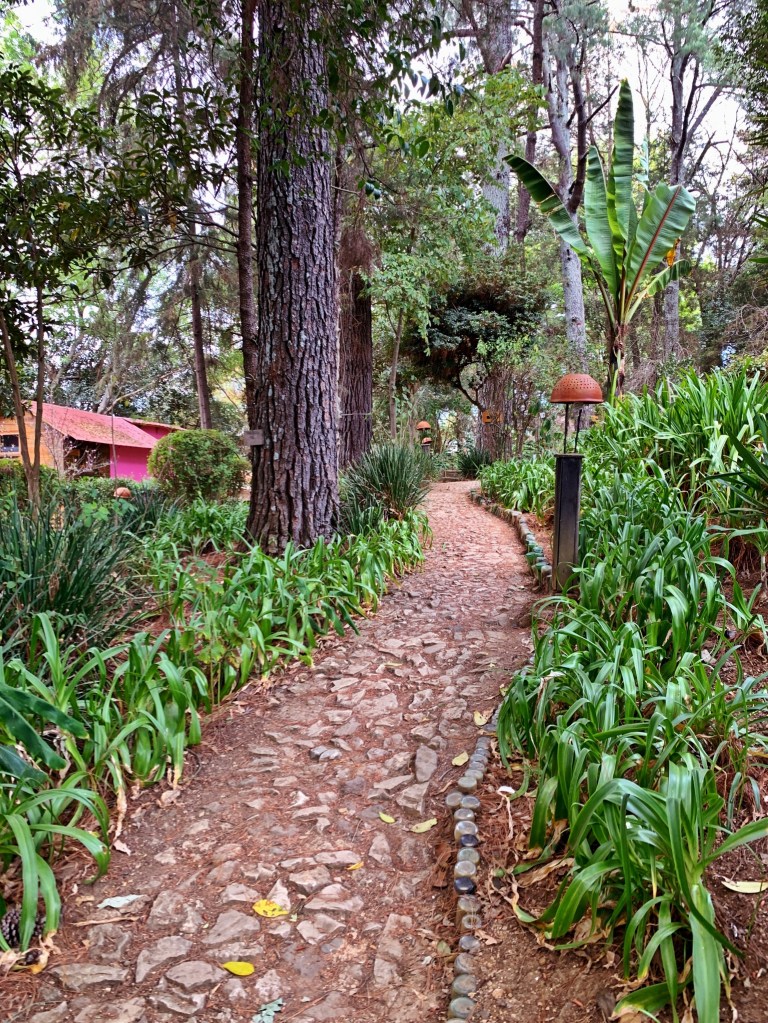
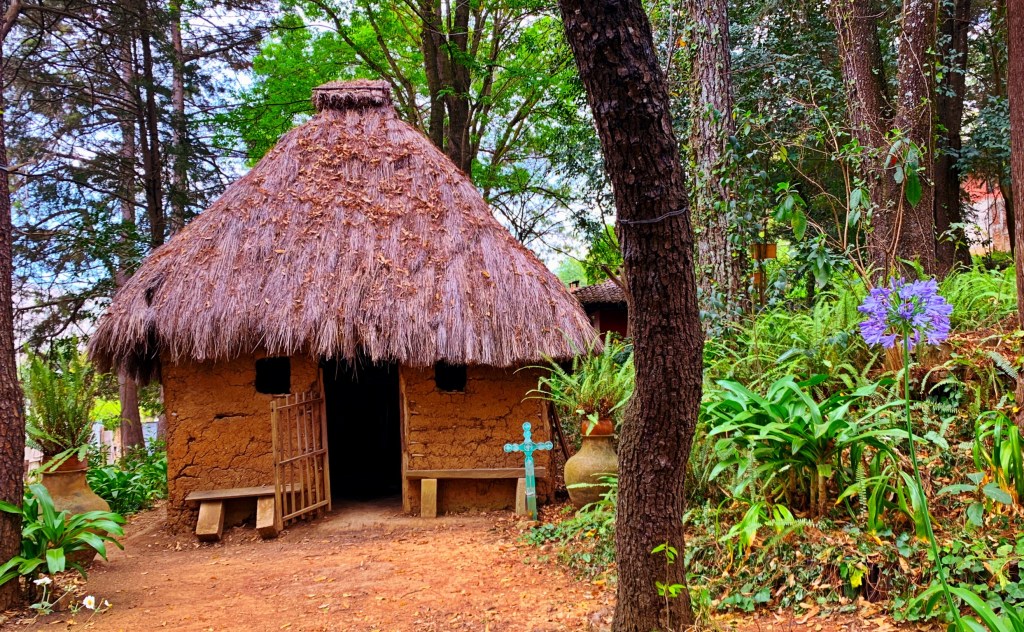
The extensive estate has many out buildings. 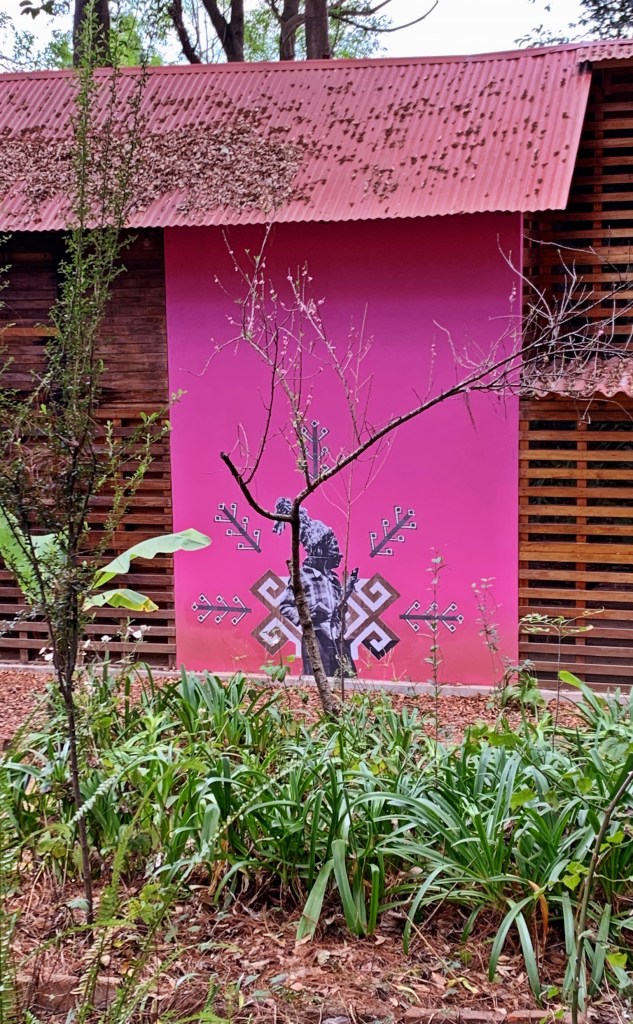
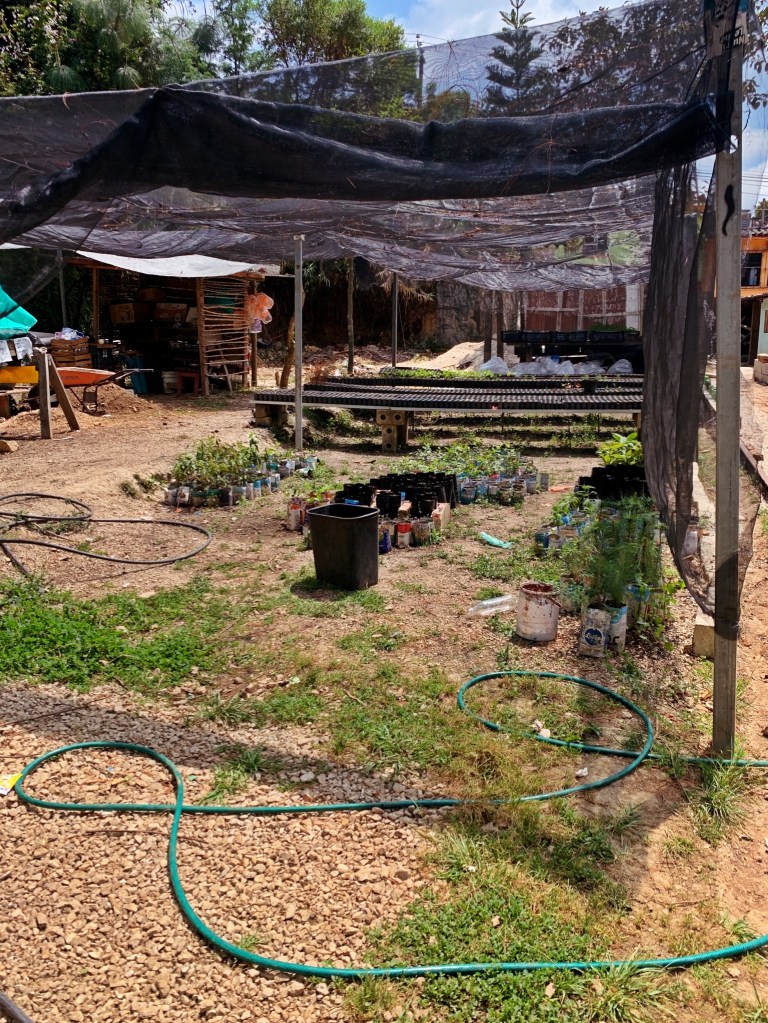
In 1975, Trudy started a tree nursery which has distributed thousands of free trees for reforestation. 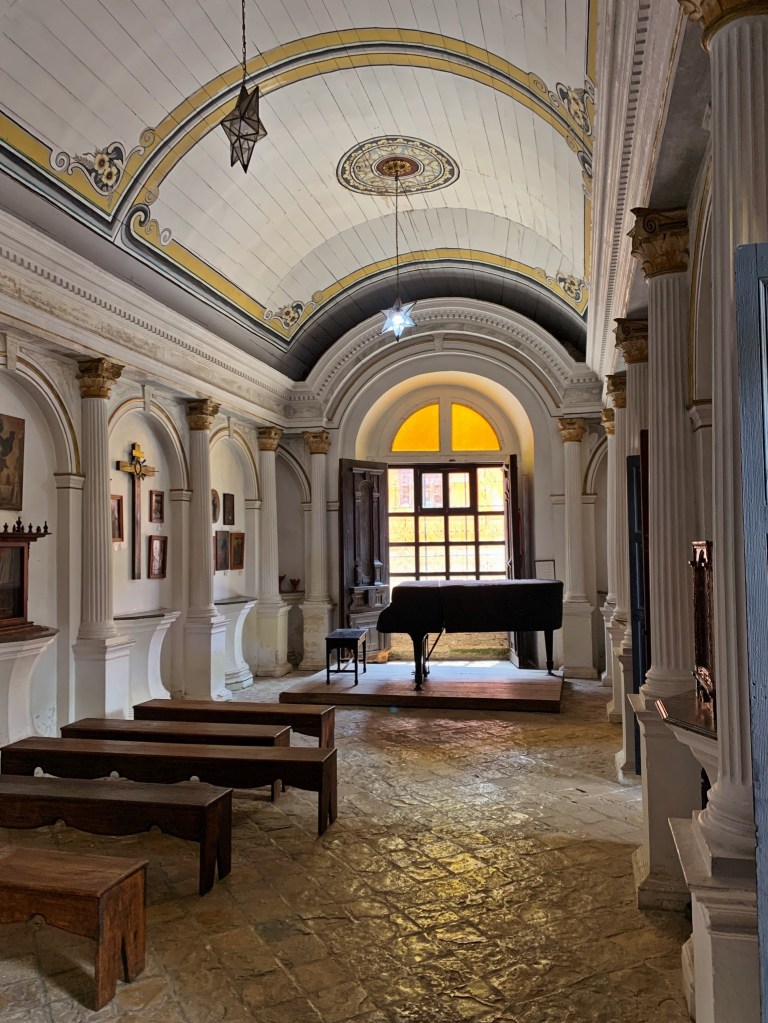
The chapel still hosts concerts 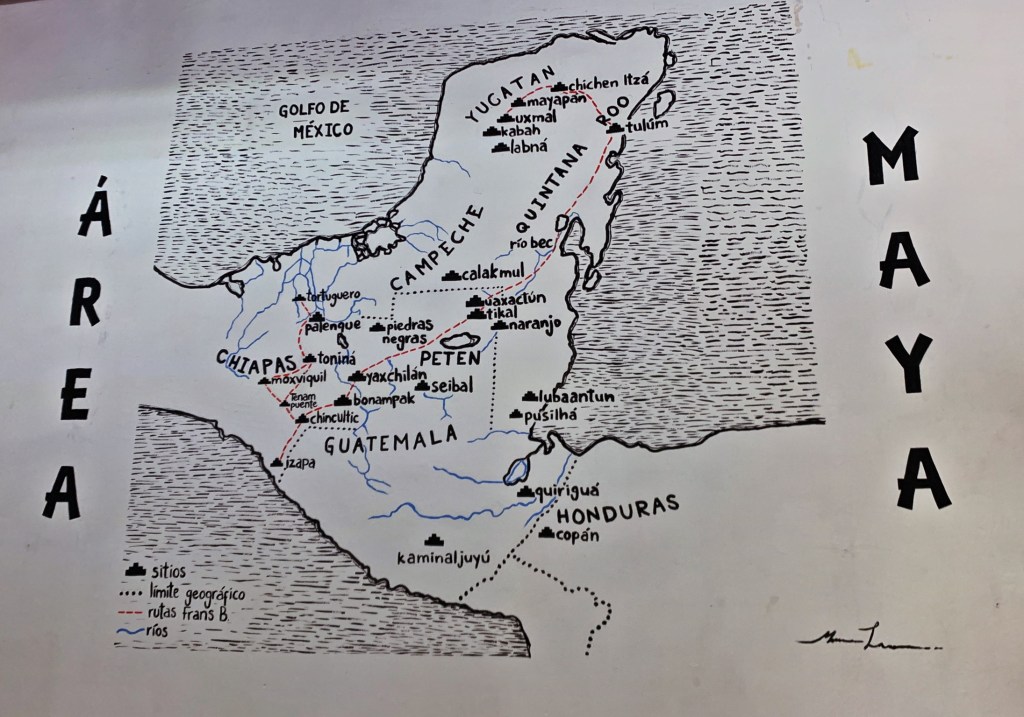
Hand drawn maps from the many expeditions 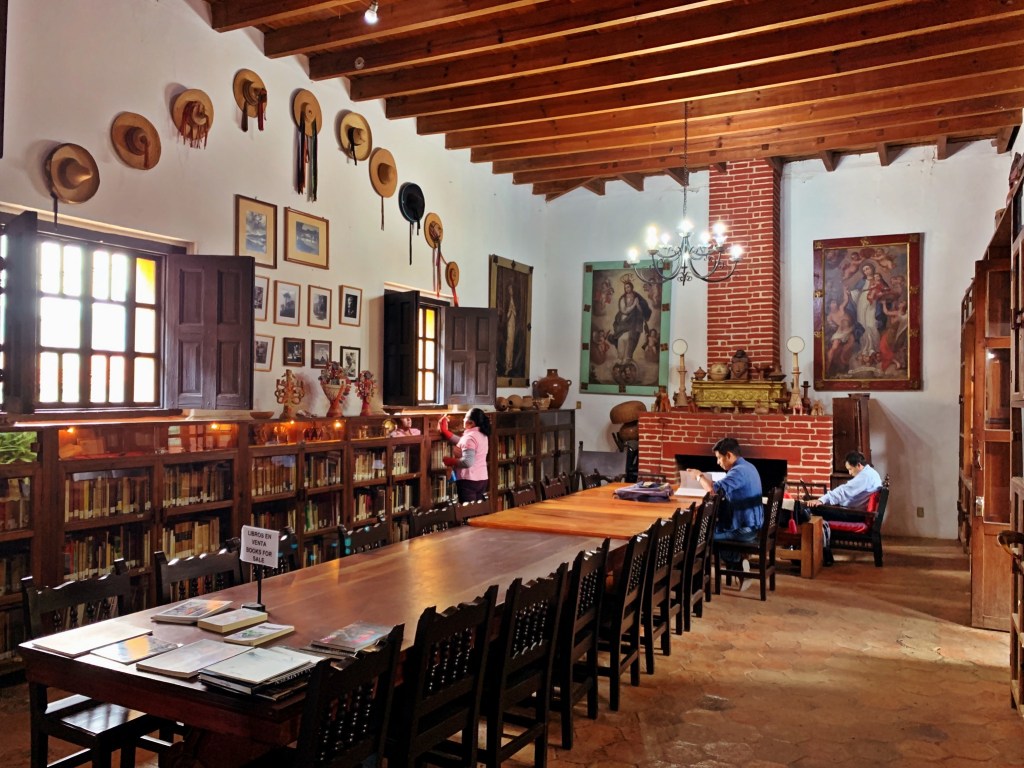
The library still supports research 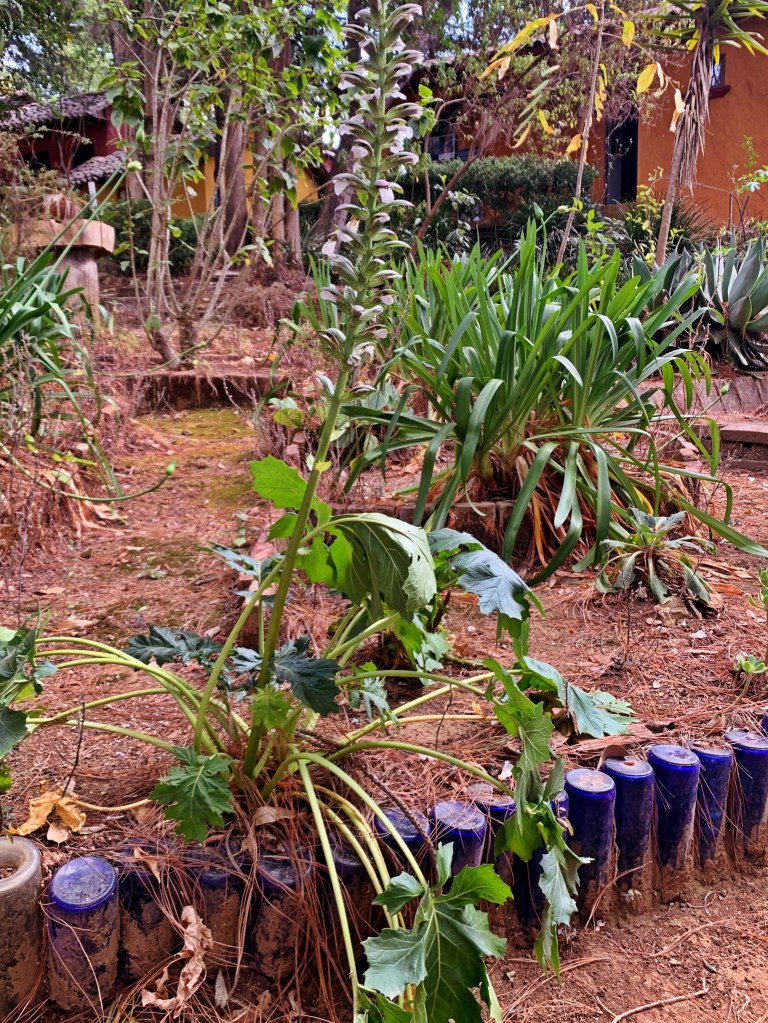
The many walkways are lined with bottles 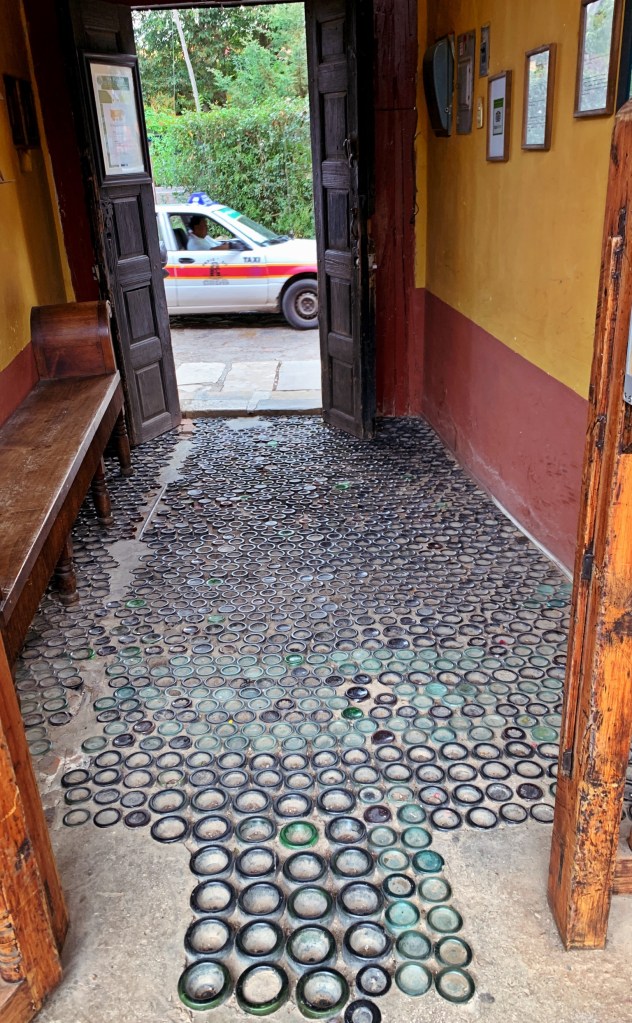
The mescal bottles also form the floor of the entryway. They say there are so many because Frans Blom loved his mescal! 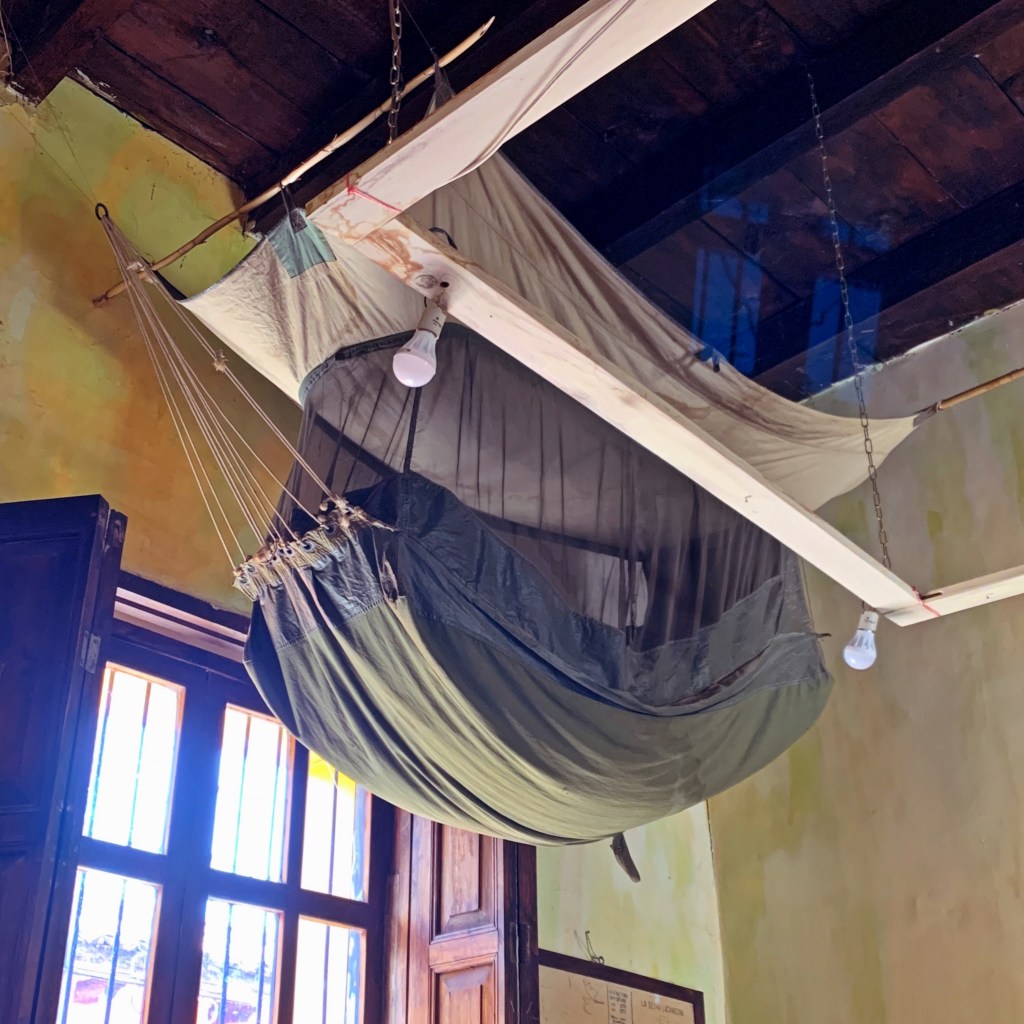
I’m trying to imagine using this to sleep in 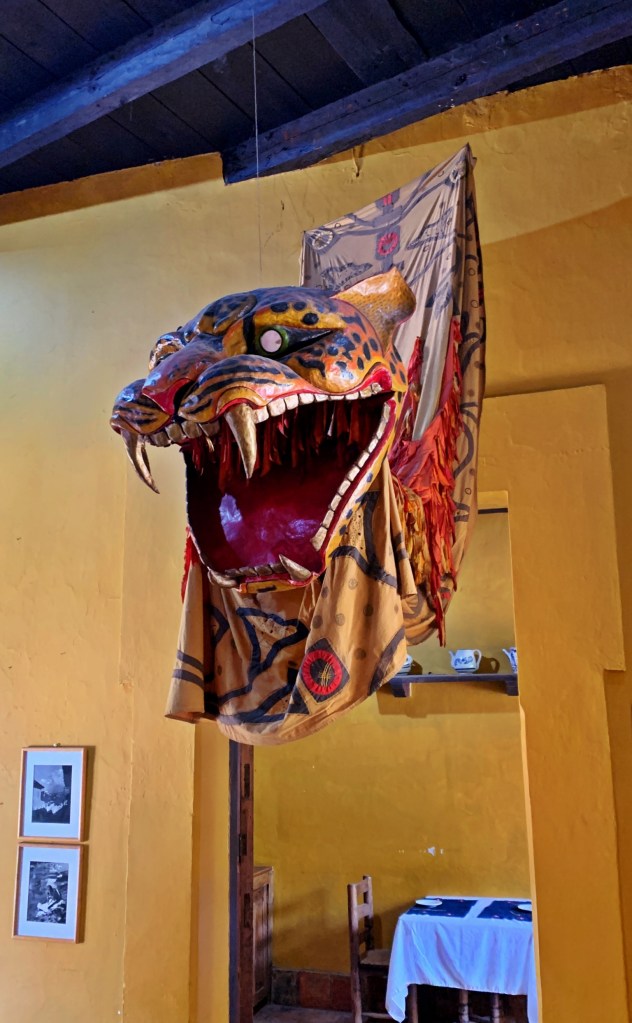
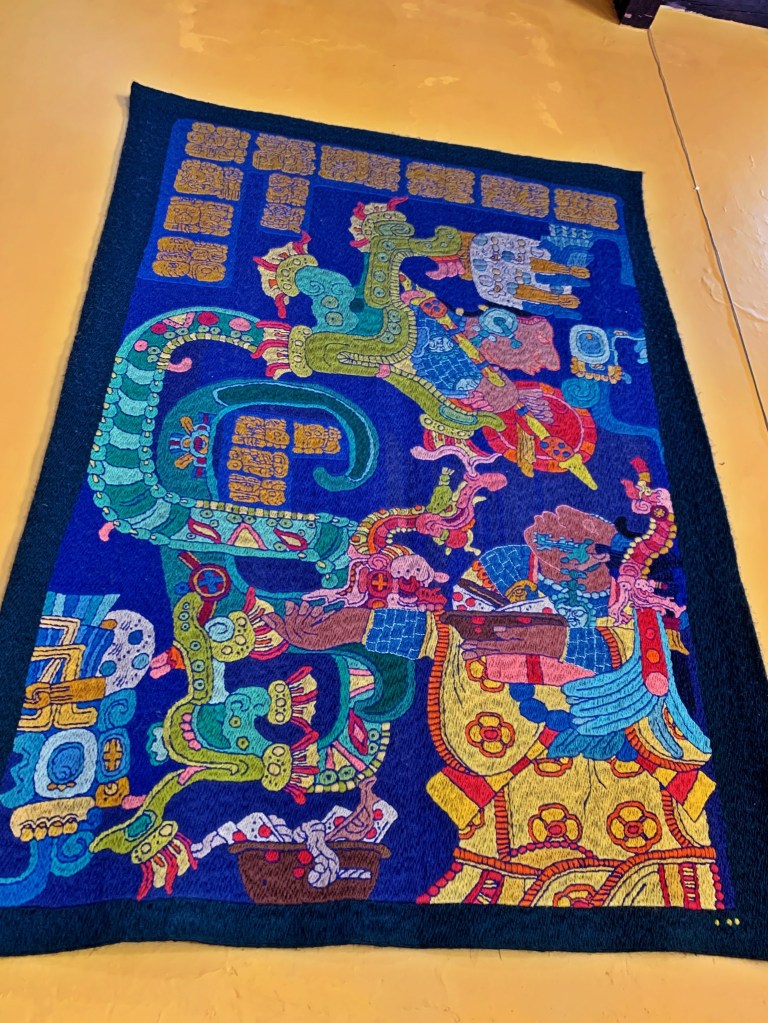
Celebrating the Birthday of Benito Juárez
The third Monday of March is a Fiesta Patria (national holiday) and the only one that honors an individual as opposed to an event. It feels to me like Mexico’s history is more vibrant in the lives of its citizens. But, who was Benito Juárez?
He was born in a small town outside of Oaxaca to a poor family of Zapotec origin. Benito was orphaned at 3 years old, raised by his uncle, and worked as a shepherd until age 12. It is said that he dozed at work and lost his sheep. Rather than return home to be punished, Benito walked 37 miles into the town of Oaxaca in search of education. He became a domestic worker in the household where his sister worked.
How did an orphan, born so long ago in a small, poor, Zapotec town become such a revered person?
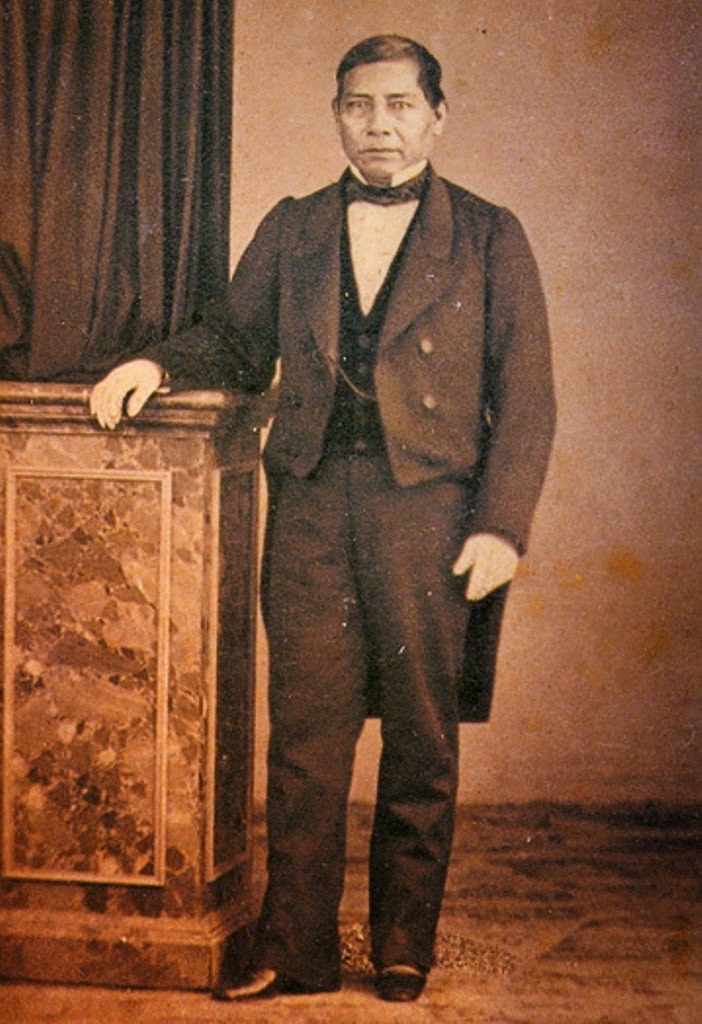
- His intelligence and desire for learning caught someone’s attention and he began studying to become a priest. He completed the schooling more quickly than he was able to be ordained. Instead, he studied law and graduated in 1834, at the age of 28.
- In 1843 (37 years old) He married into the wealthy family where he and his sister had been domestic workers.
- From 1847 (41 years old) to his death in 1872 he served at many levels of government, including Secretary of Education, Governor of Oaxaca, Secretary of the Interior, President of the Mexican Supreme Court, and President of Mexico.
- In 1855 he led liberal reforms, with his Juárez Law, which stated that all Mexican citizens were equal under the law. Once adopted, it removed power and special privileges from the church and the military. The impact of this is still felt today. Many church buildings were turned over to the government for the use of all people.
- In 1858 he became President, not by a vote, but because of constitutional law, when the preceding president was forced to resign.
- 1861 to 1867 – He was president during a difficult time in Mexican history, including the six-year French occupation. He never relinquished office but was forced into exile. He is credited with defeating foreign invaders.
“Entre los individuos, como entre las naciones, el respeto al derecho ajeno es la paz”
“Among individuals, as among nations, respect for the rights of others is peace.”
Statement of Juárez inscribed as a Motto on the State Flag of Oaxaca, of which he was Governor from 1847 to 1852

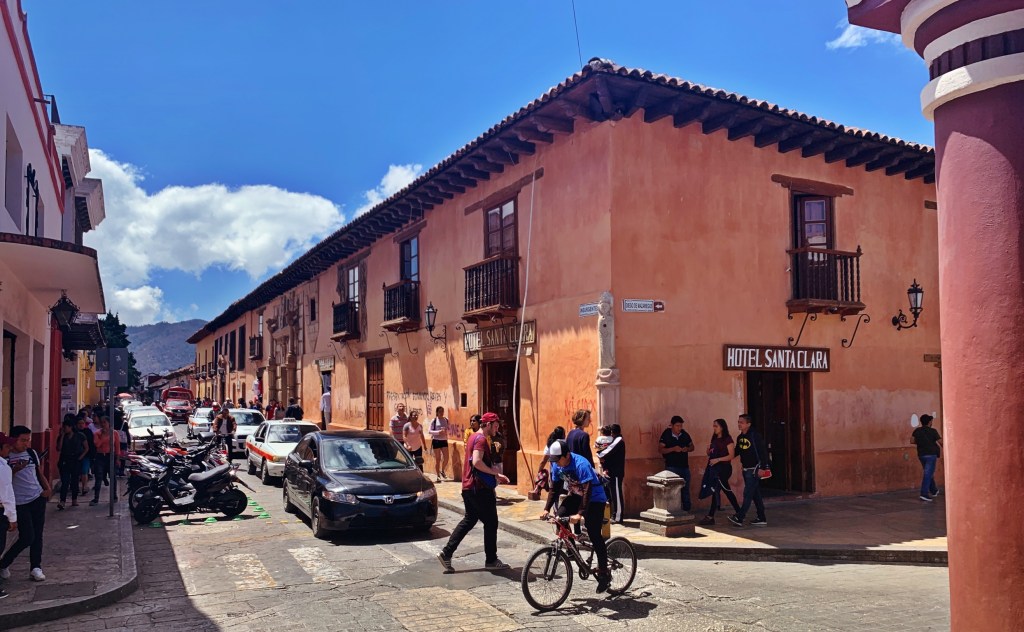
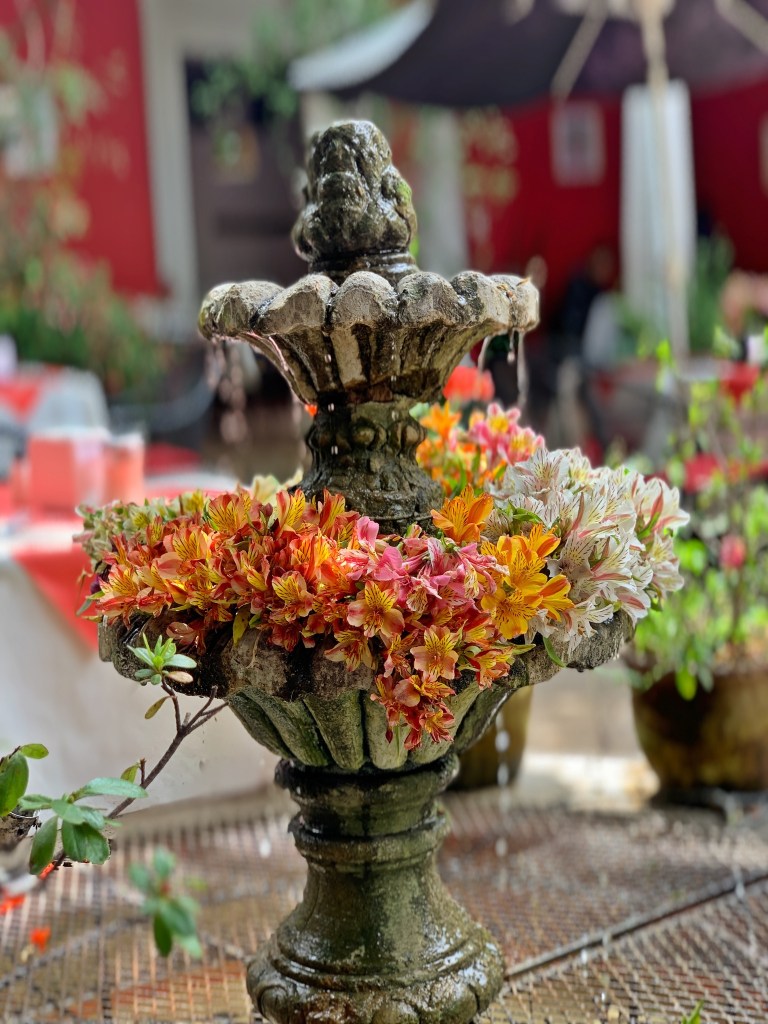
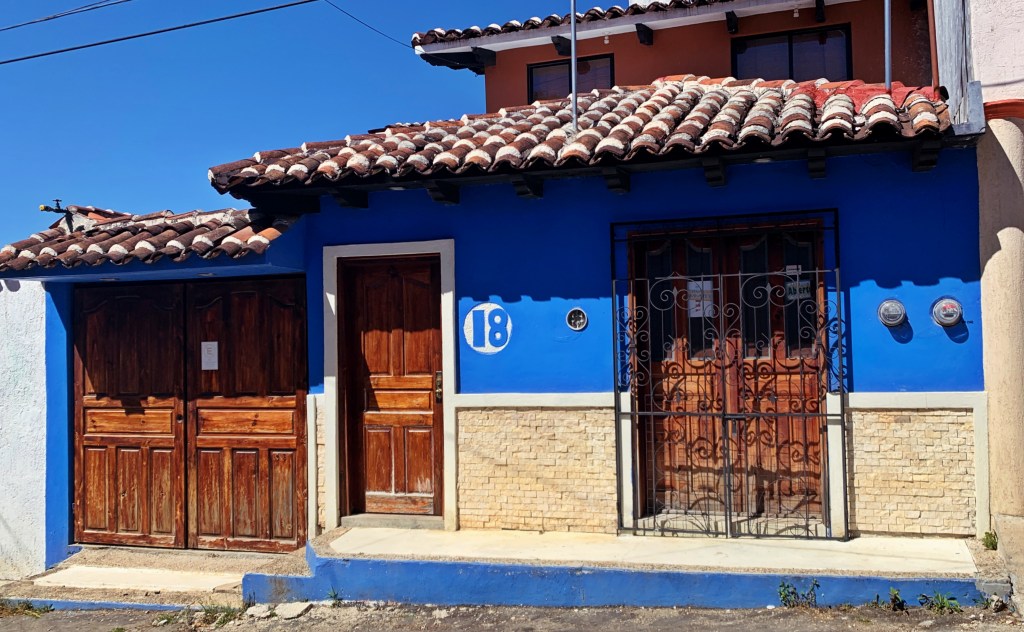
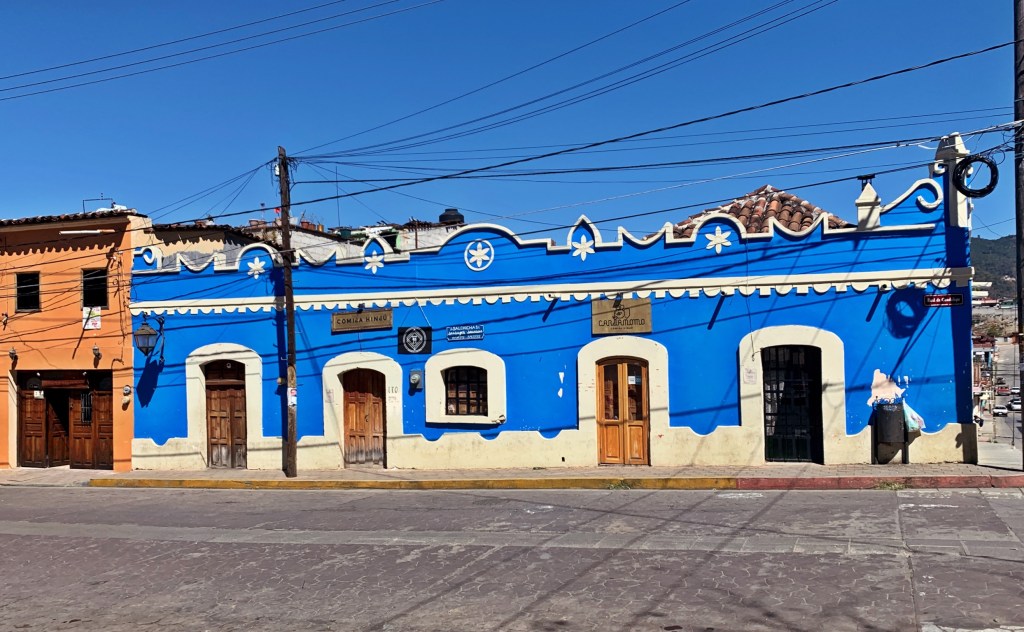
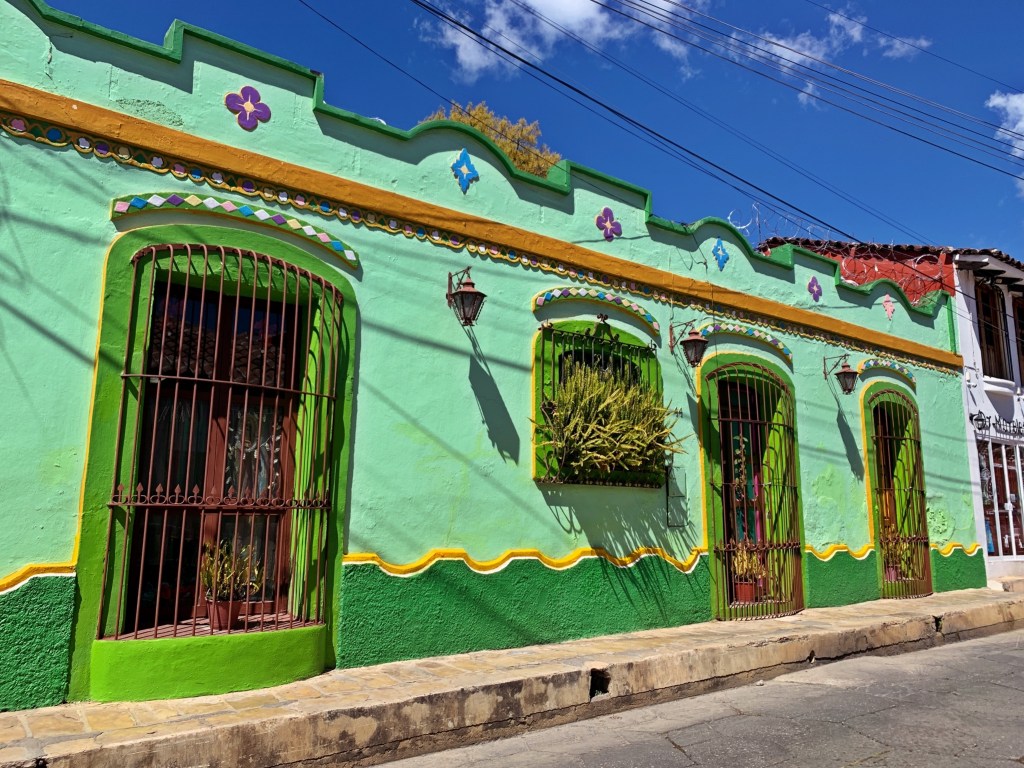
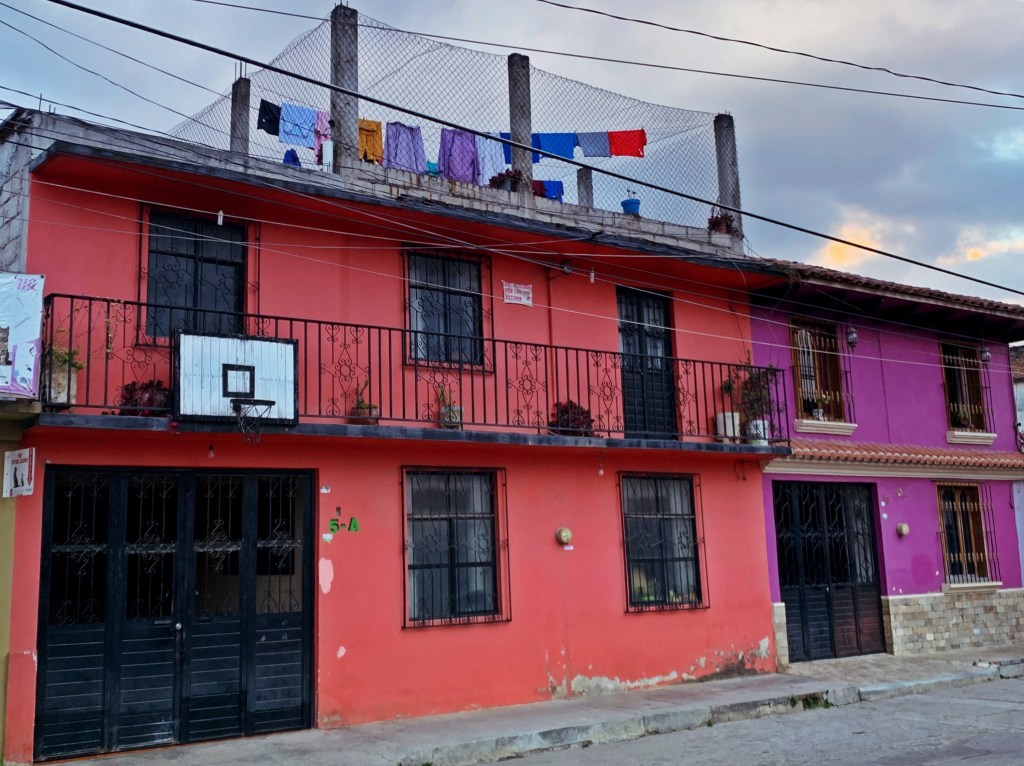
Gratuitous Art, Windows & Buildings
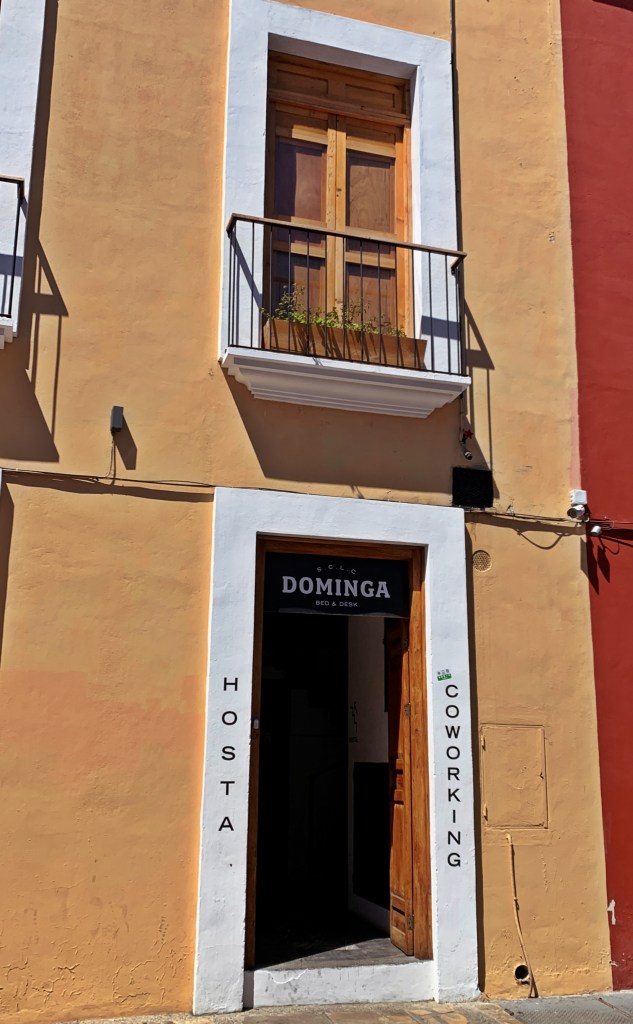
The sign says “bed and desk” 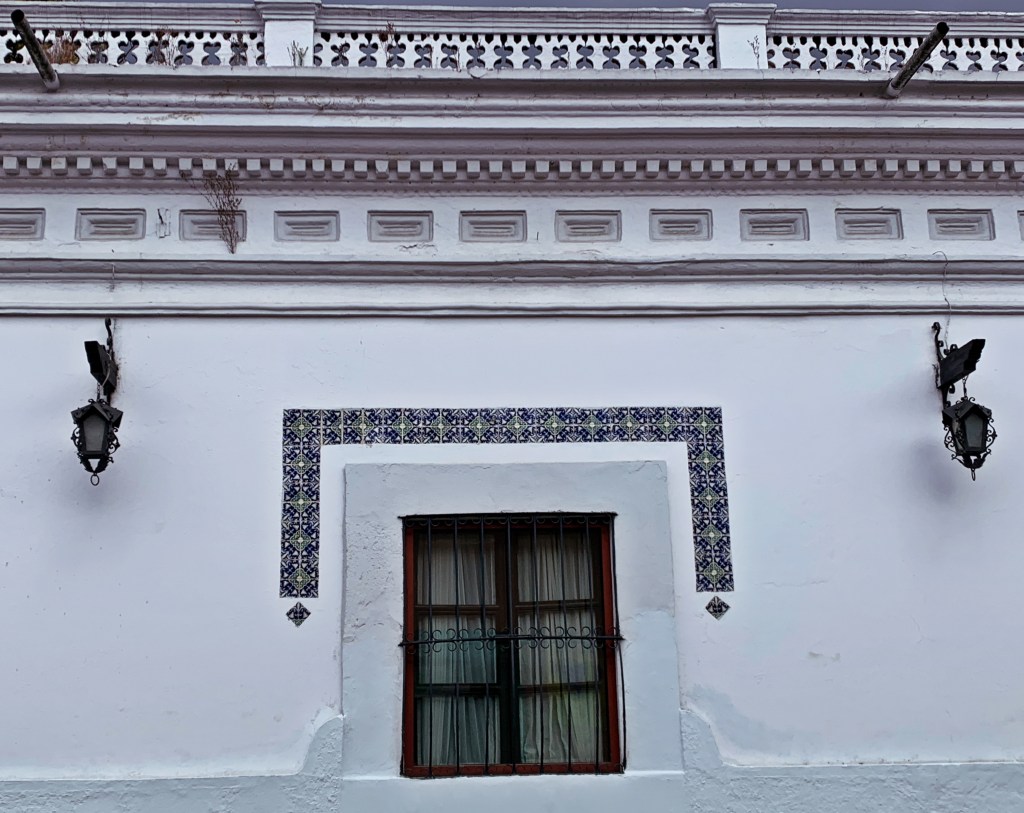
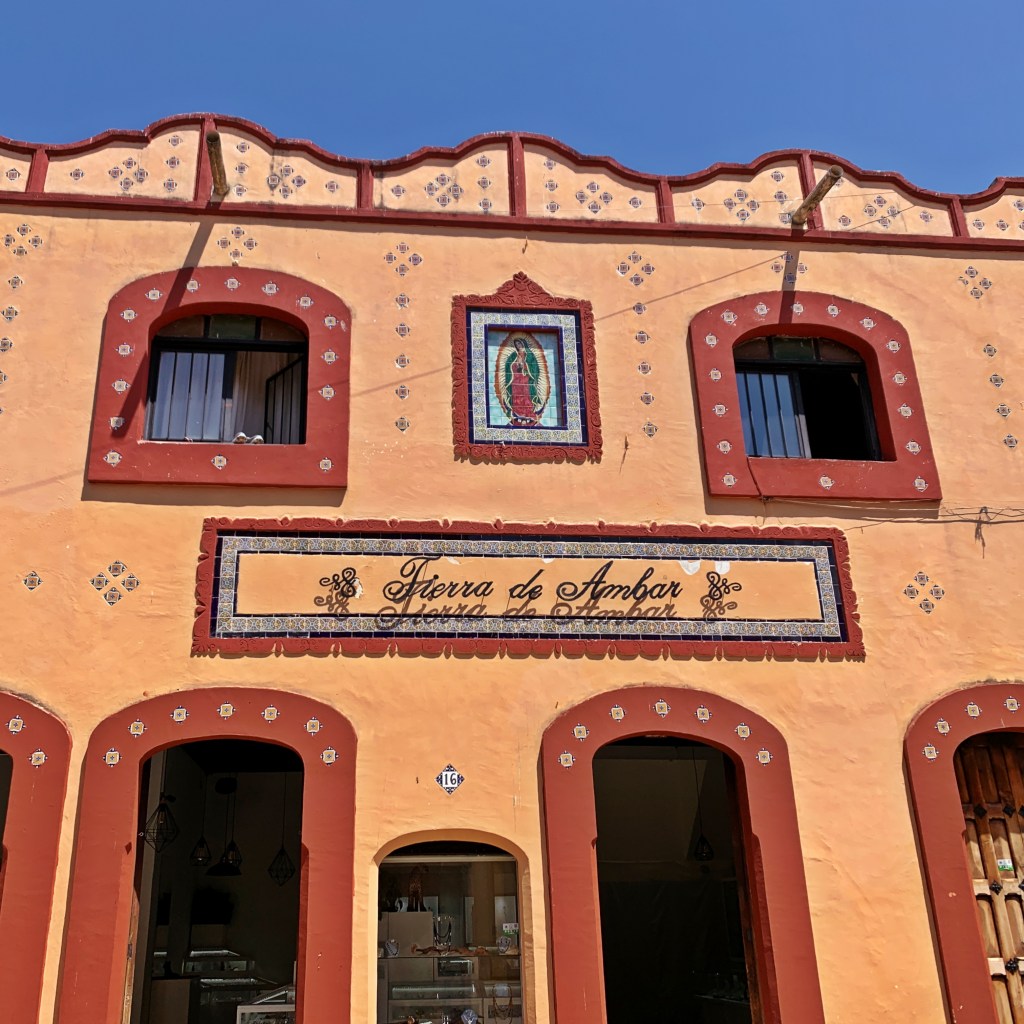
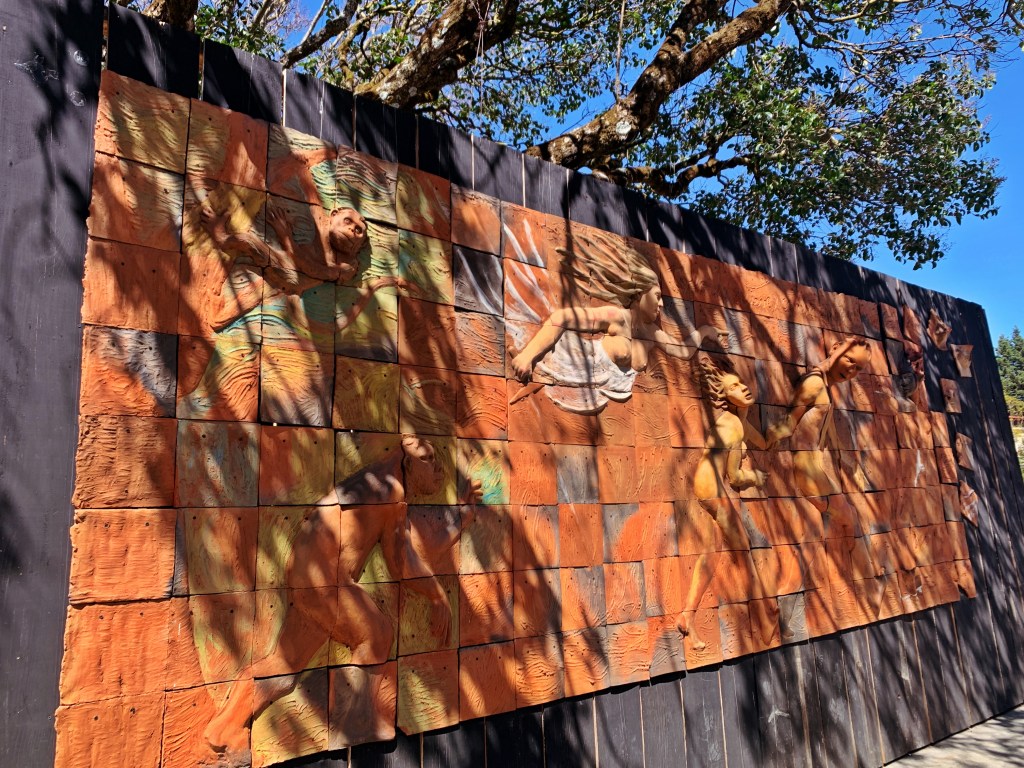
“Earth of Amber” 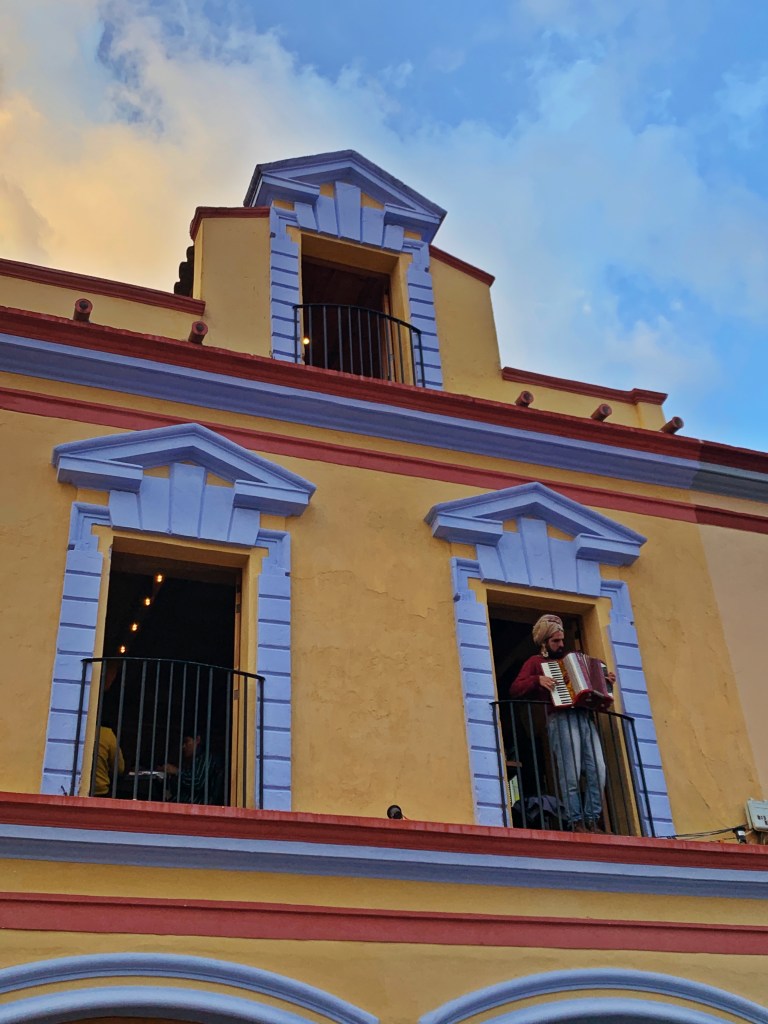
This lovely man was serenading all who walked by! 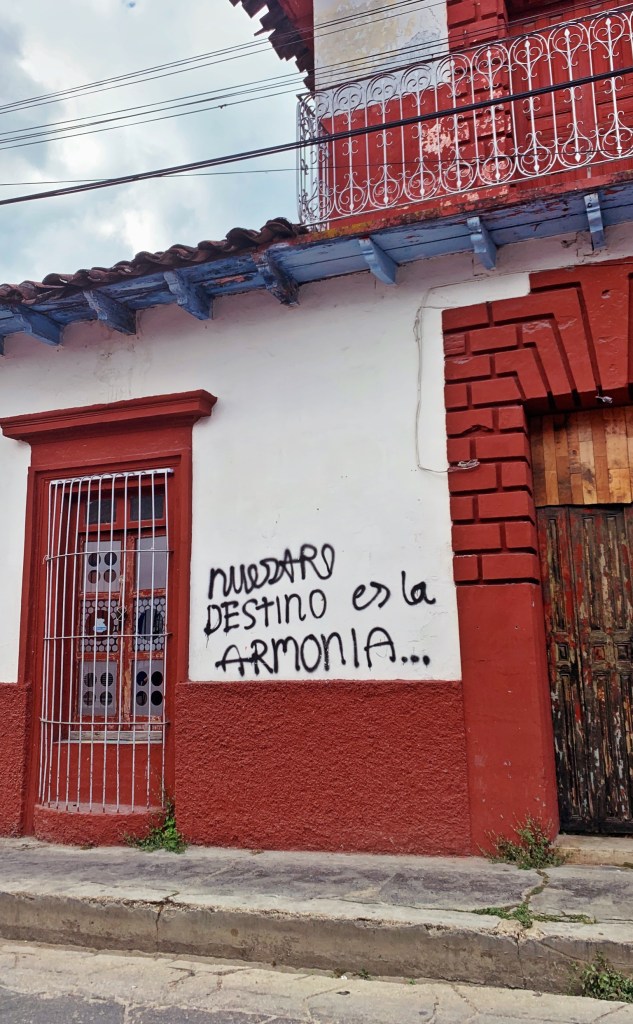
“Harmony is our destiny” 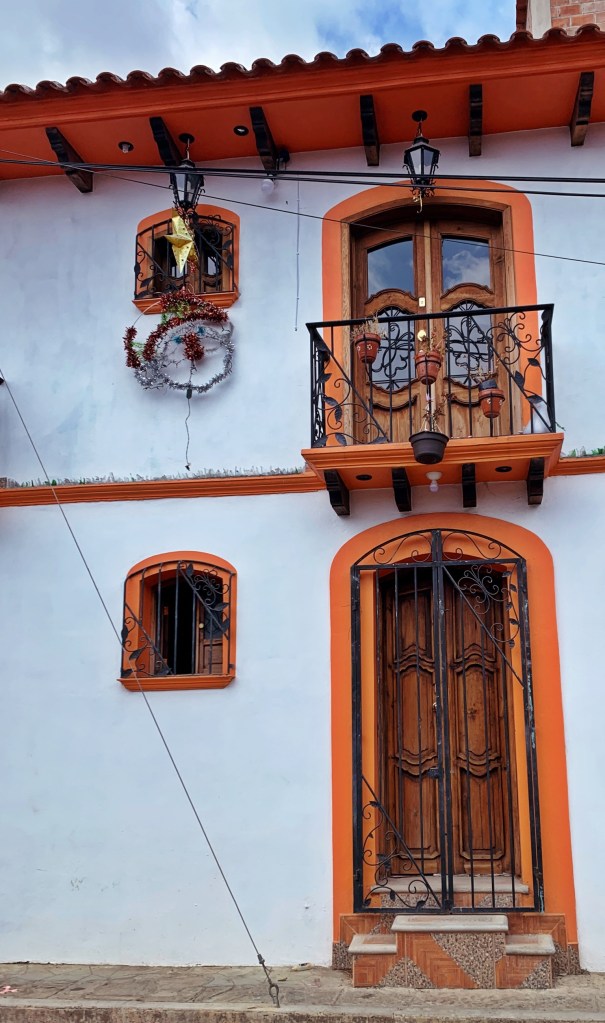

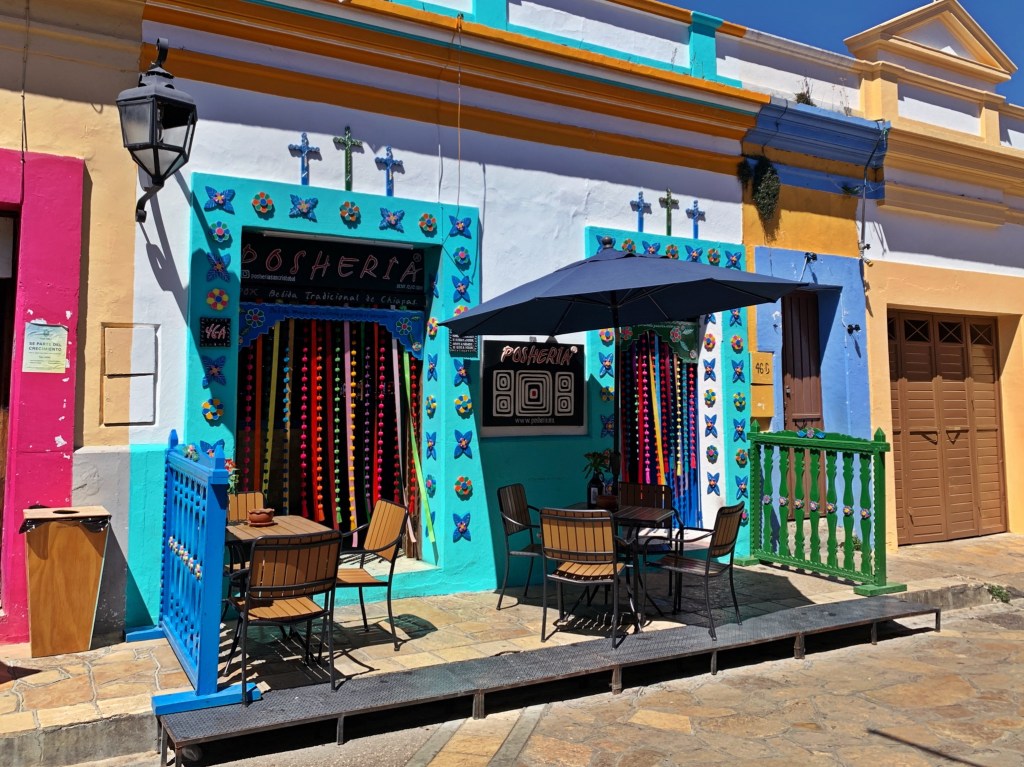
Poshería – a place that sells pox (pronounced posh) 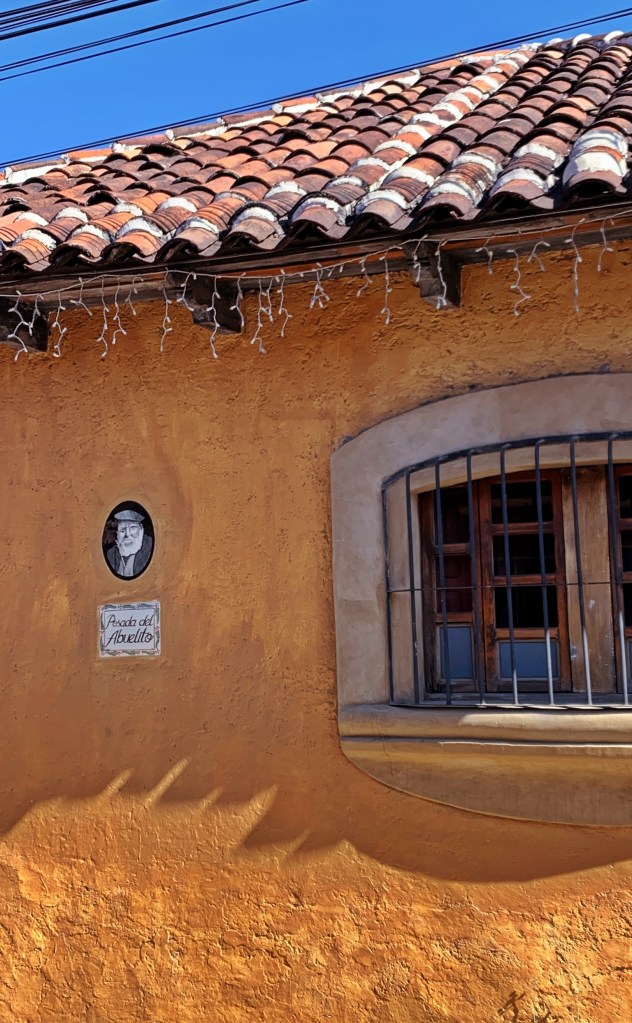
“The beloved granfather’s inn” 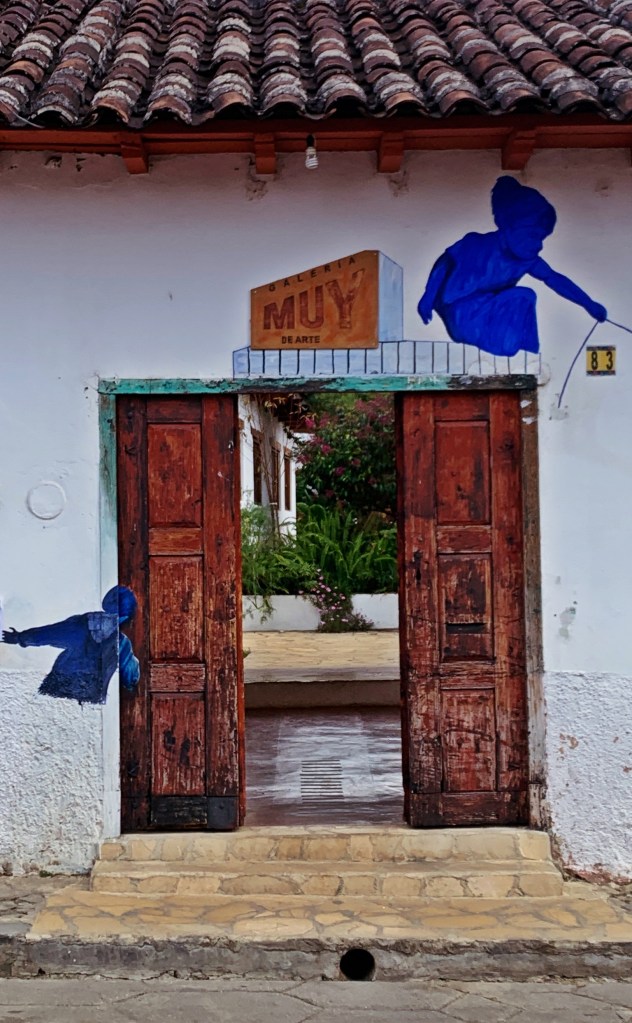
The MUY Gallery of Art 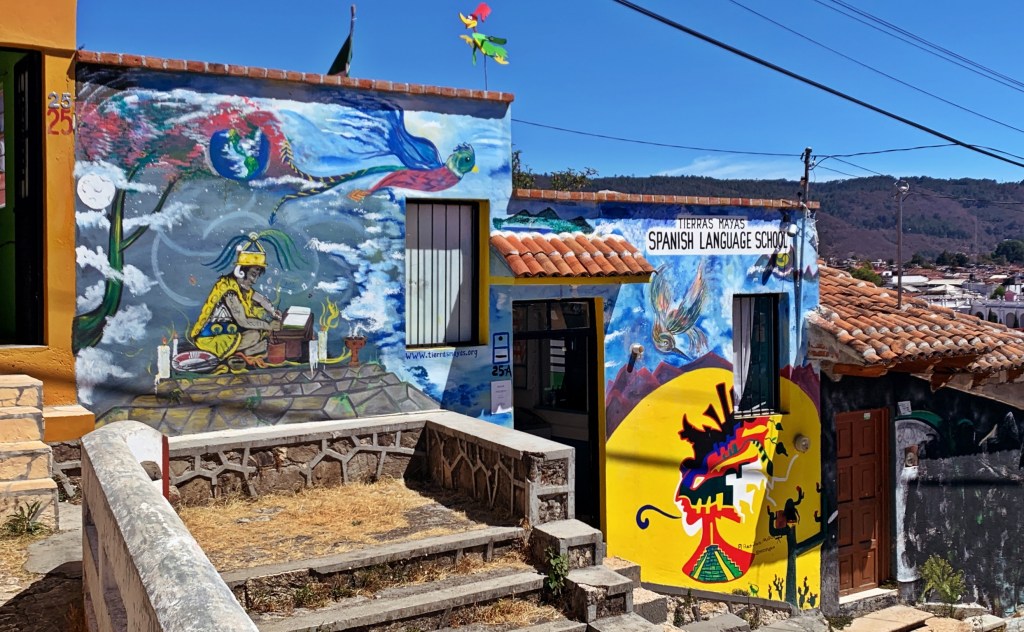
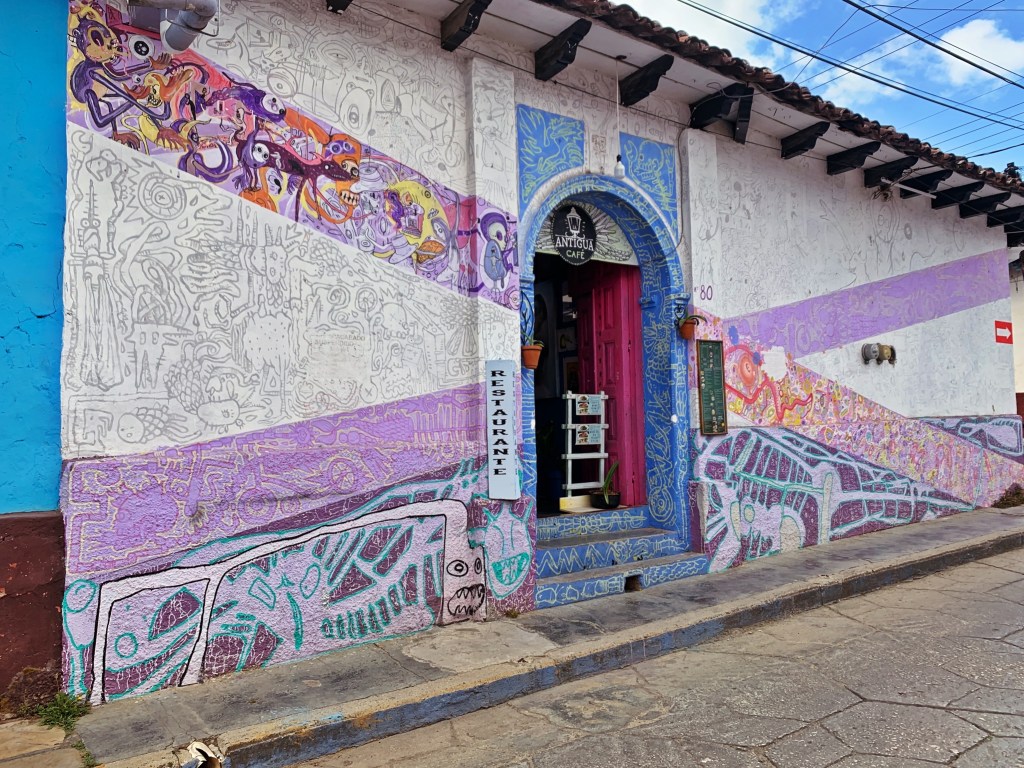
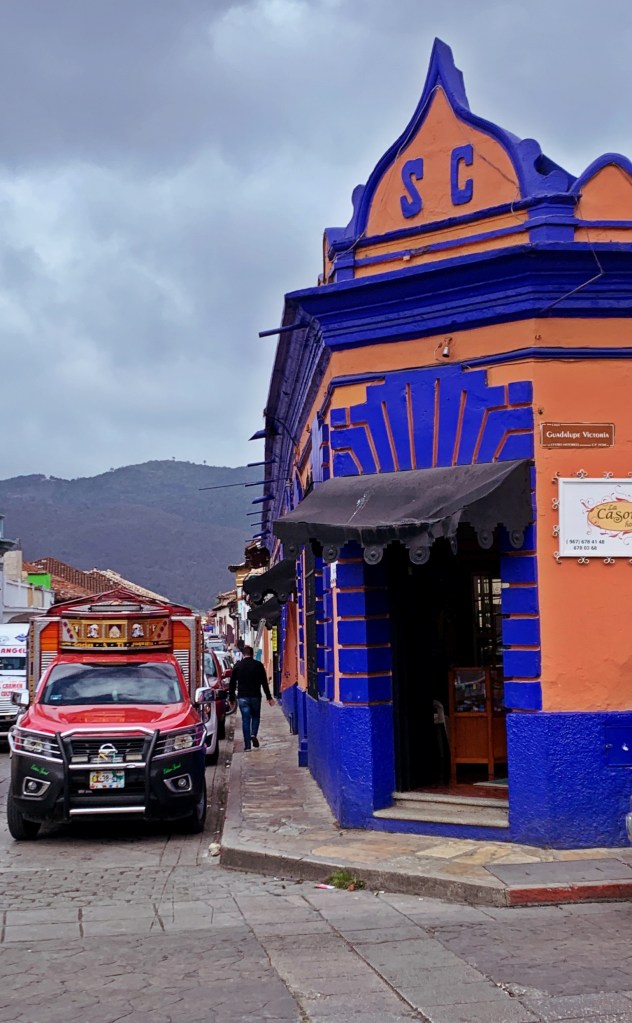
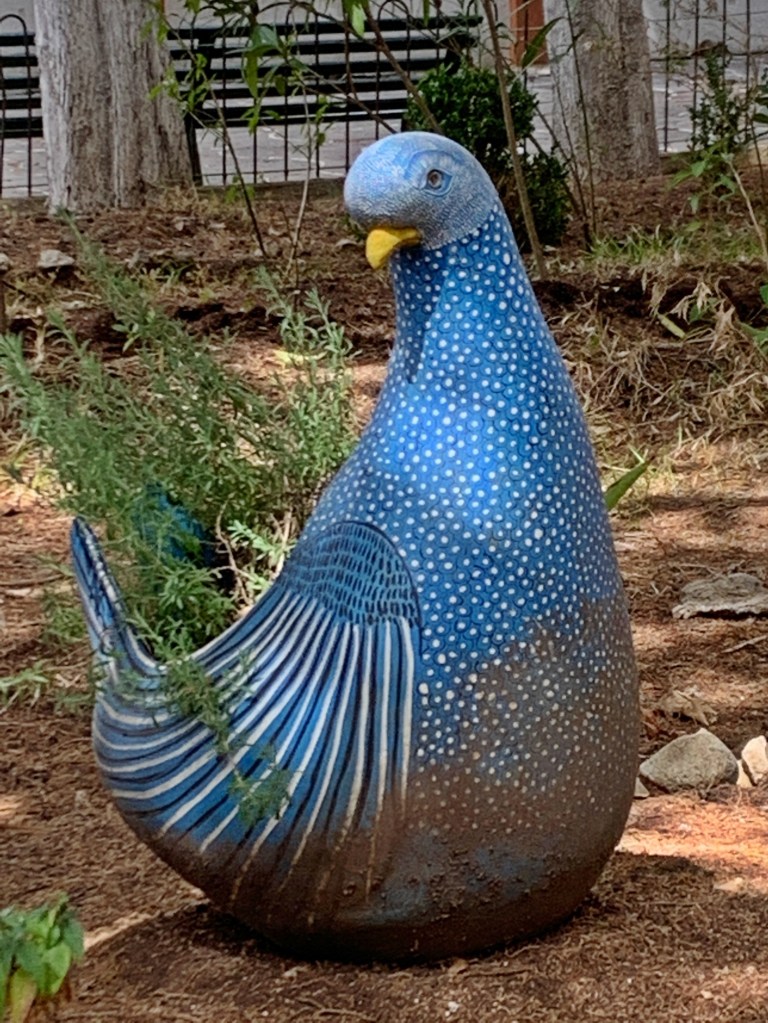
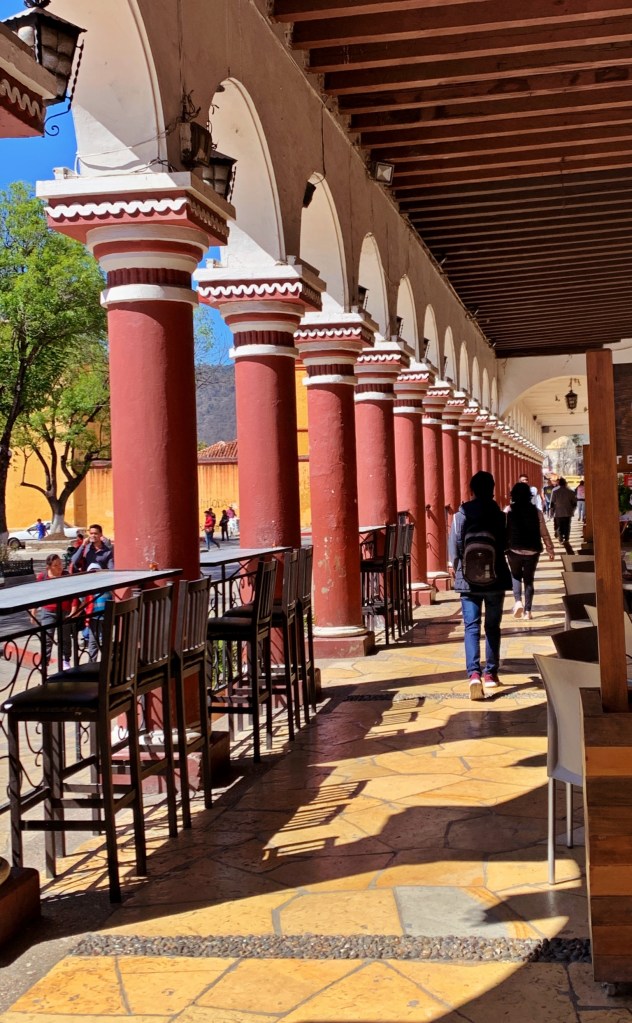
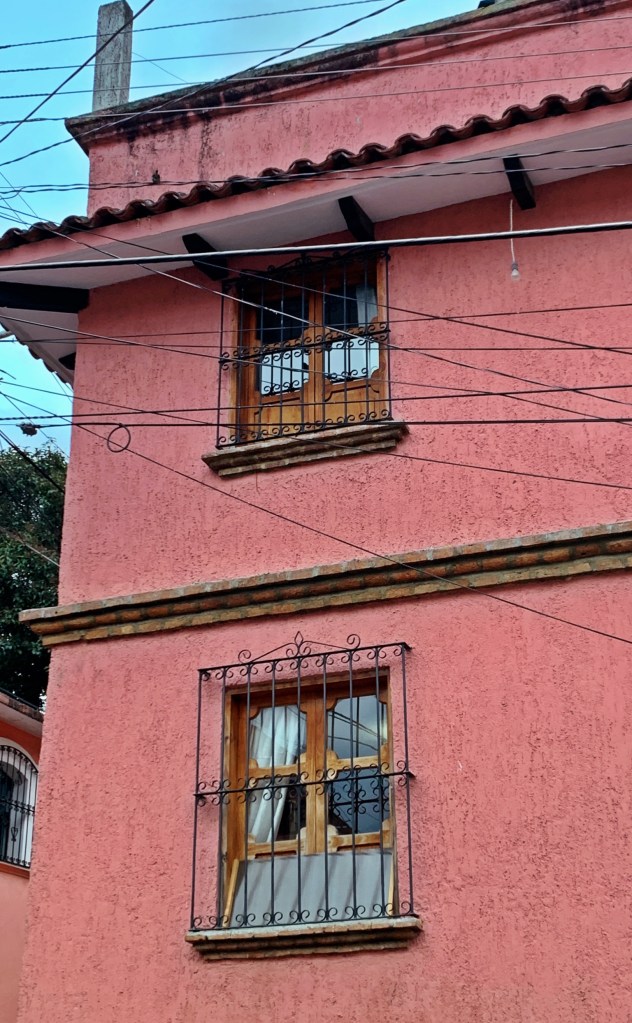
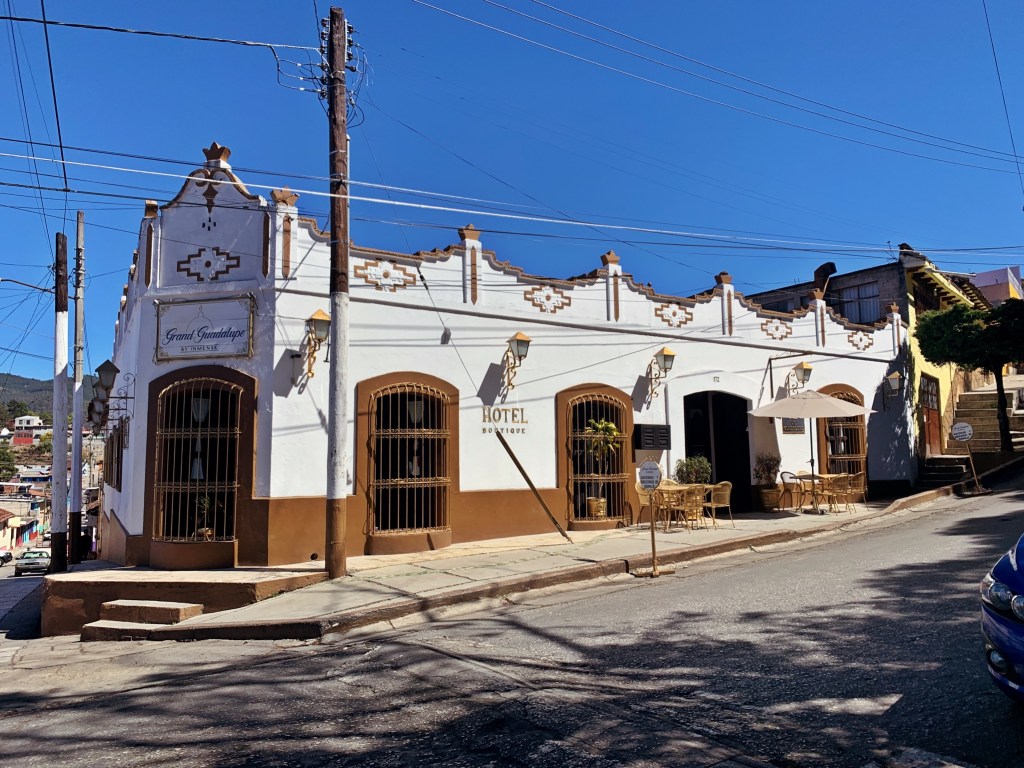
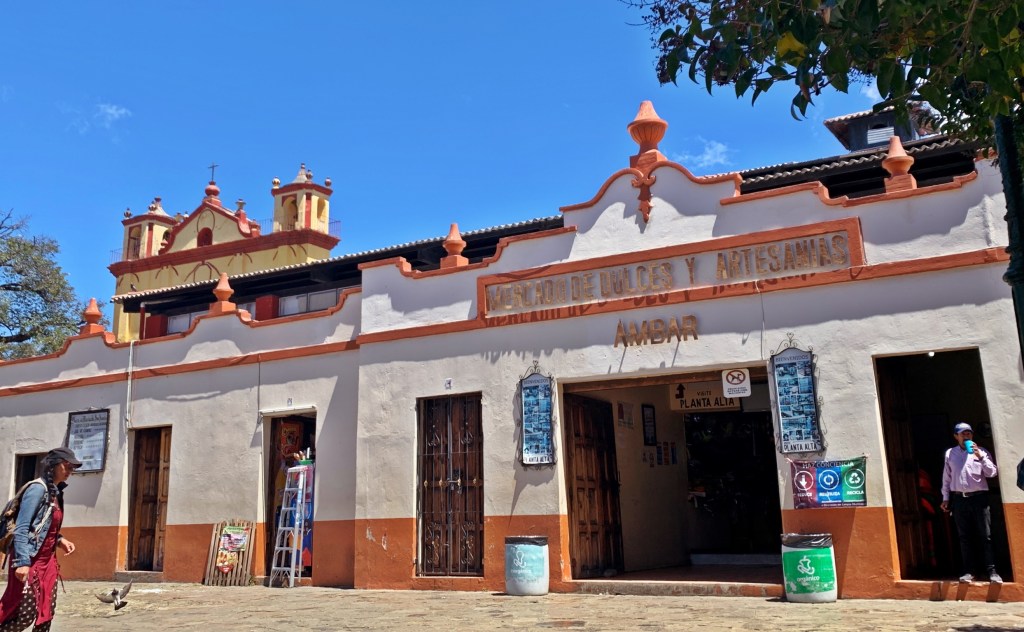
“The sweets and artisan market” 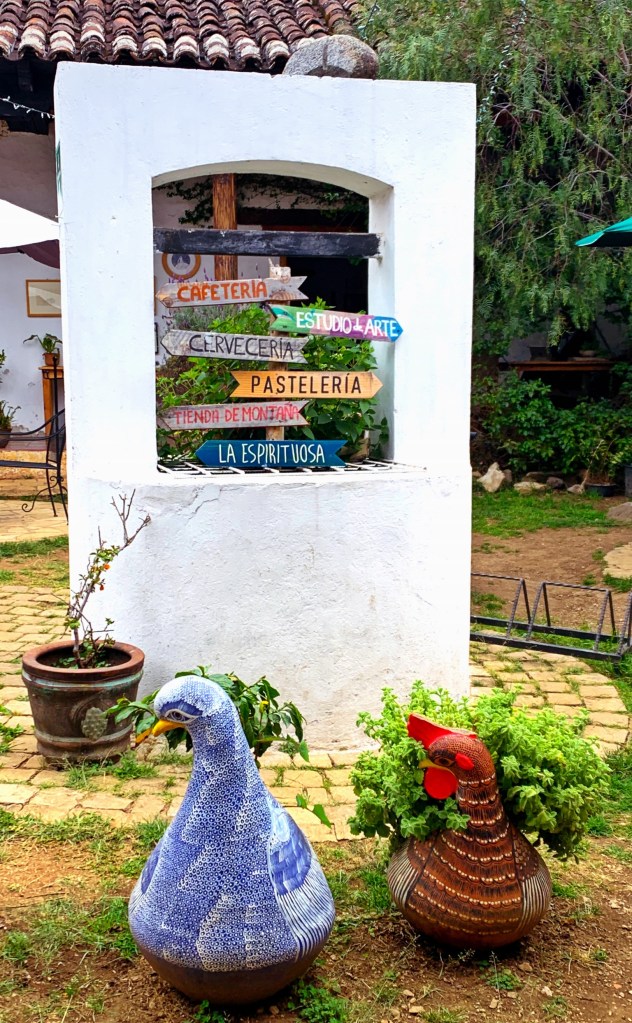
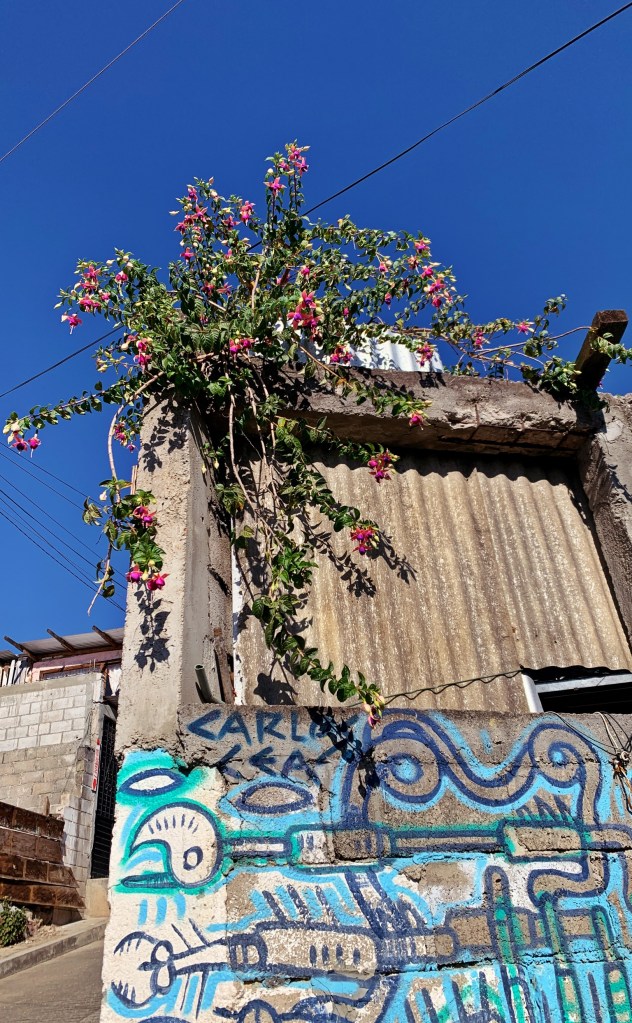
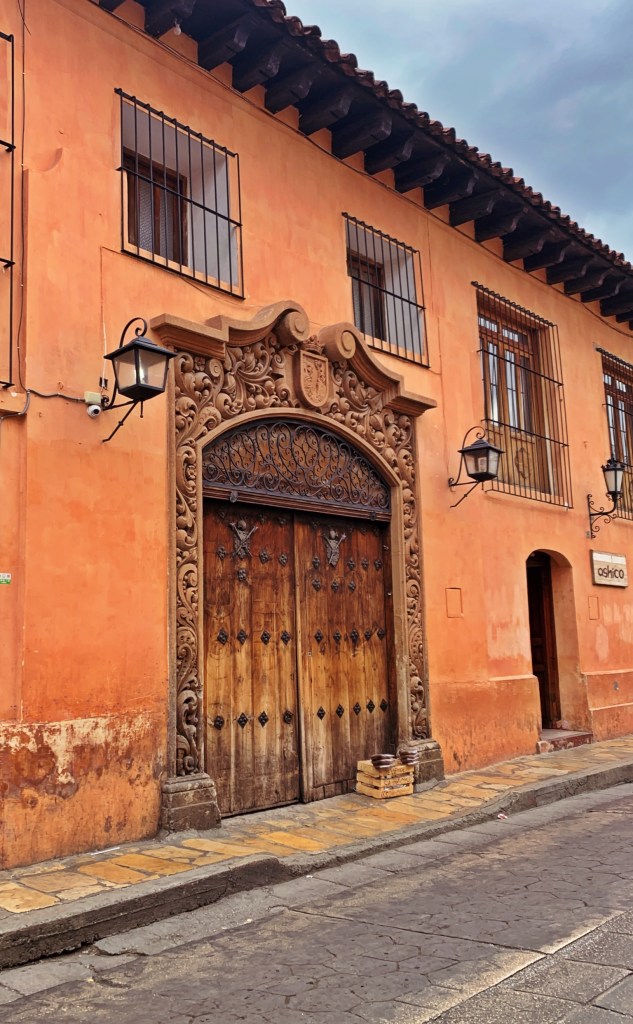
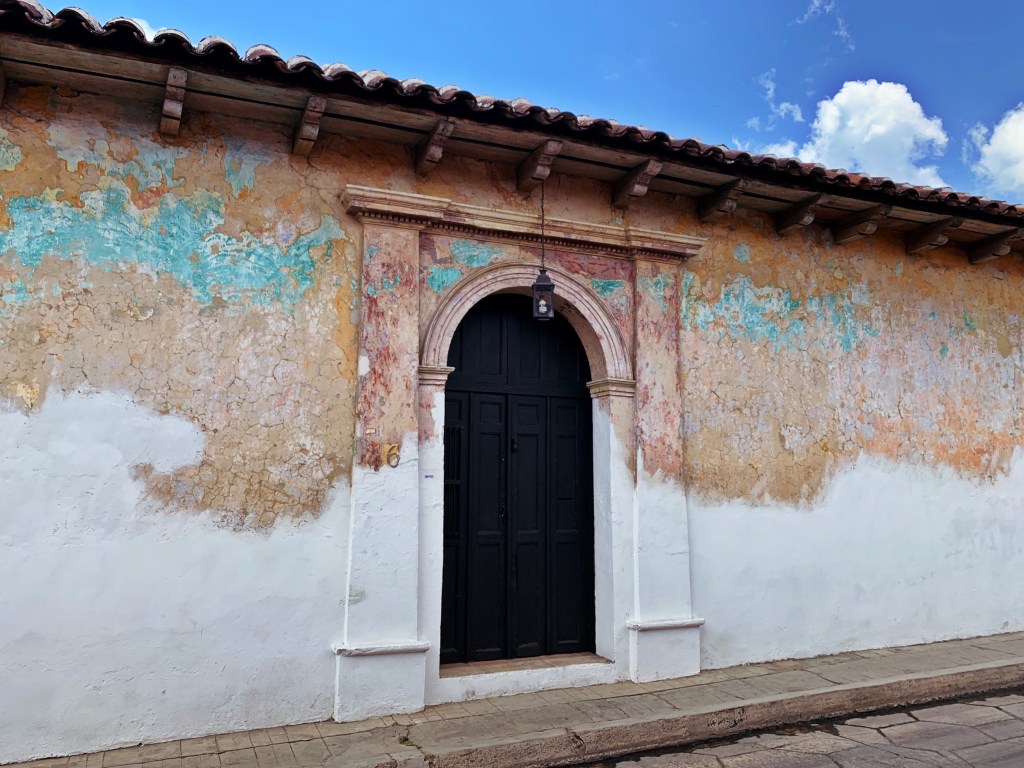
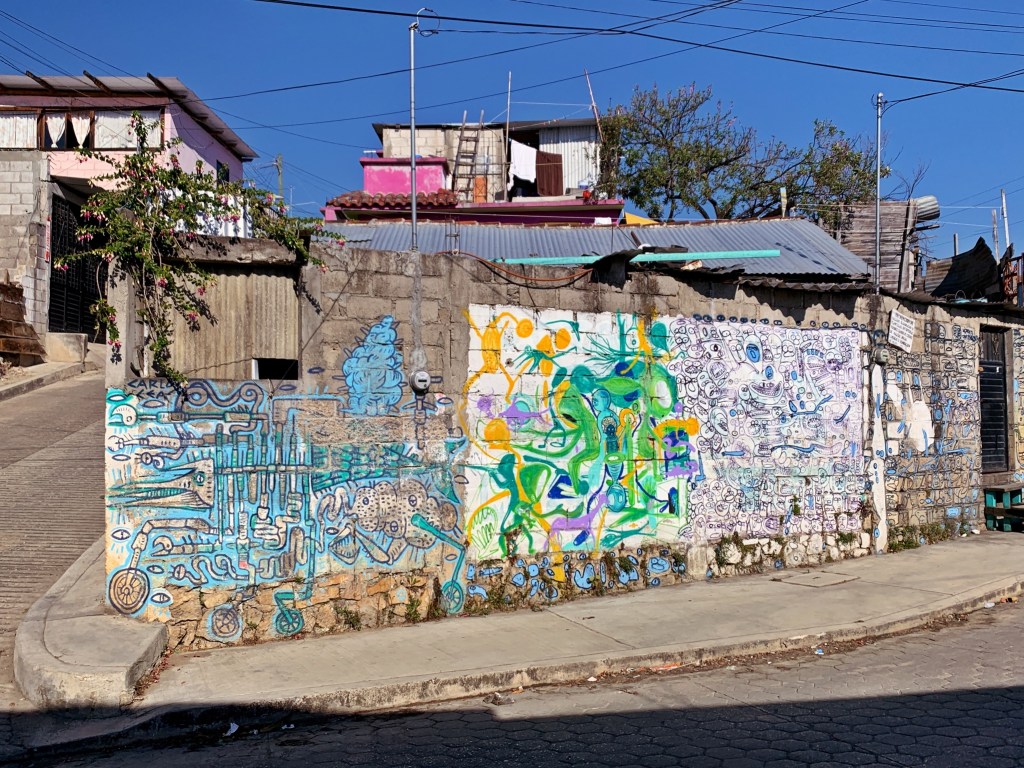
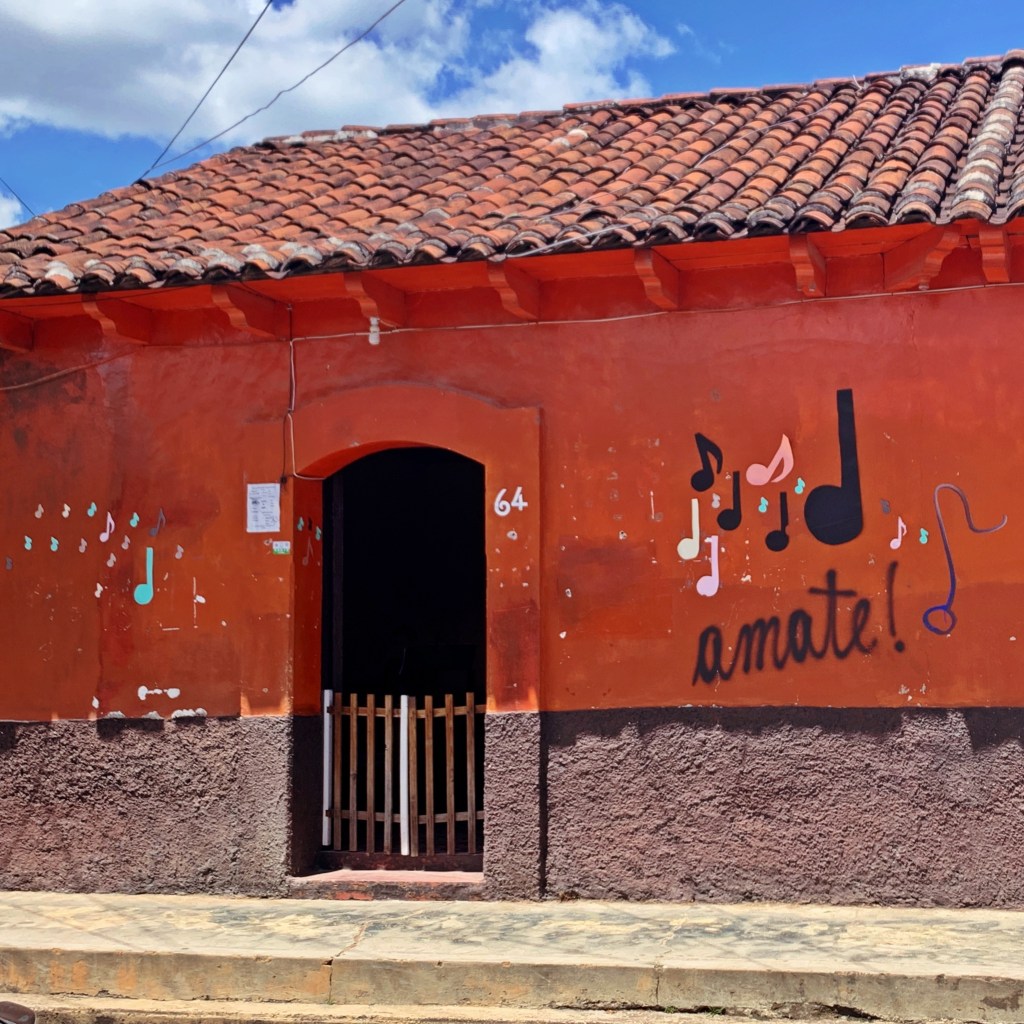
A studio for music lessons 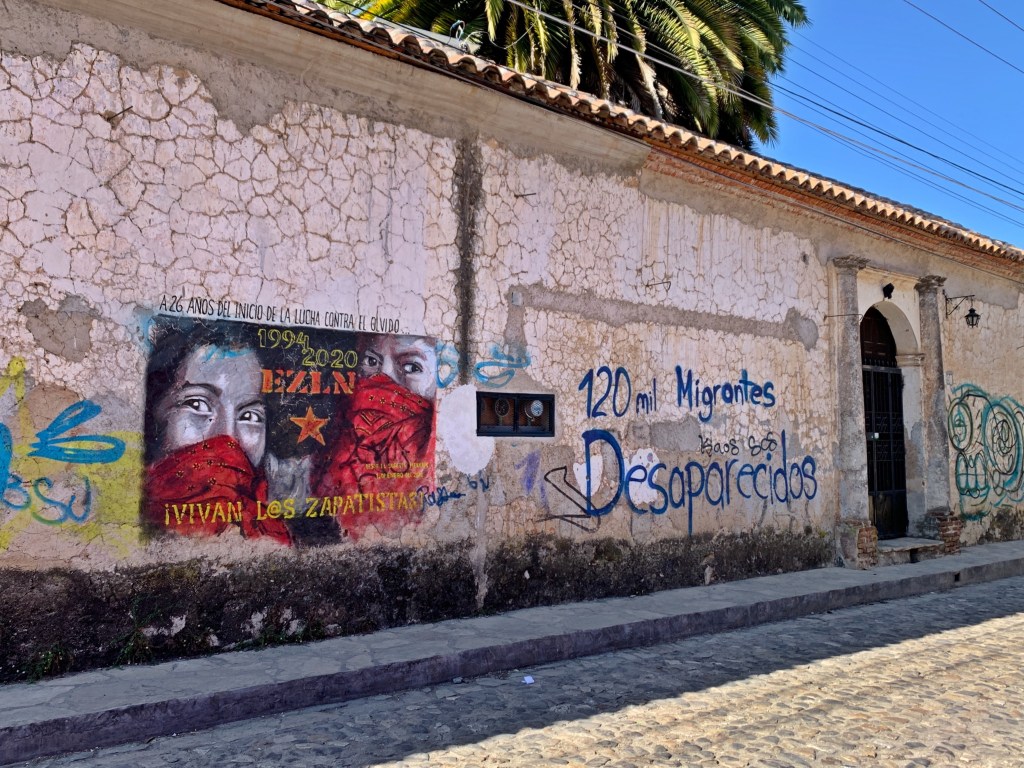
Long live the Zapatistas!
120,000 missing migrants
 My México Travels
Good to hear from you.Will The Donald let you back across the border? I will vouch that you are necessary goods.
Sent from my iPhone
>
LikeLiked by 1 person
Ha Ha! I’m thinking I’m safer if I stay here – it’s not looking so good in the US. I wouldn’t be surprised if Mexico didn’t close their border to the US.
LikeLike